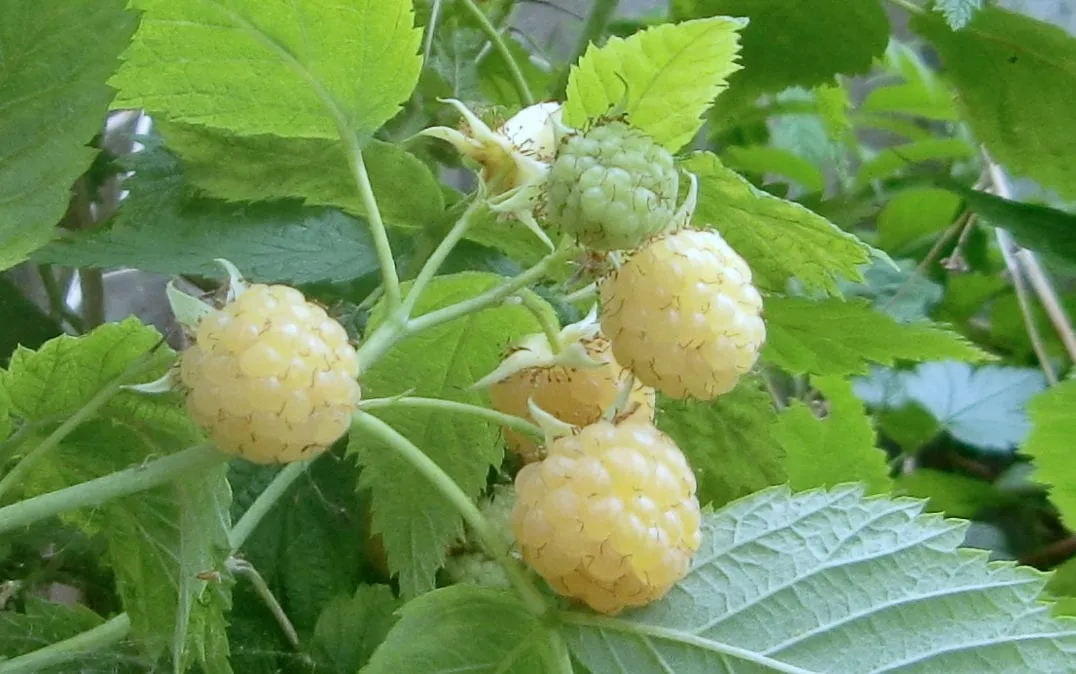
berry in zone 4a
Growing yellow raspberry in zone 4a
Rubus idaeus
- Zone
- 4a -30°F to -25°F
- Growing season
- 120 days
- Chill needed
- 800 to 1600 below 45°F
- Suitable varieties
- 2
- Days to harvest
- 30 to 50
The verdict
Zone 4a is a capable growing environment for yellow raspberry, not a marginal one. The zone's cold winters (-30 to -25°F minimum) deliver well above the crop's 800 to 1,600 chill-hour range, so dormancy completion is rarely a concern. The short growing season of roughly 120 days is the more relevant constraint, and it matters most for fall-bearing types: varieties like Fall Gold rely on a second fruiting flush in late summer and early fall, which can be cut short by early September frosts in the coldest zone 4a pockets.
Summer-bearing yellow raspberries fit the 120-day window comfortably. Canes establish through summer, harden off in fall, and survive zone 4a winters with reasonable reliability when site selection and pruning are sound. Honey Queen, noted for cold tolerance, is a practical choice here. The bigger risks in zone 4a are not cold per se but spring frost events that arrive after canes break dormancy, and the wet spring conditions that favor cane diseases.
Recommended varieties for zone 4a
2 cultivars suited to this zone, with disease-resistance and zone-fit annotations.
| Variety | Notes | Zone fit | Disease resistance |
|---|---|---|---|
| Fall Gold fits zone 4a | Sweet, mild, soft yellow berries with delicate flavor; fresh eating, jam (turns peach-colored). Everbearing, productive fall crop. Cold-hardy. | | none noted |
| Honey Queen fits zone 4a | Very sweet, mild, soft golden berries with honey notes; fresh eating premium. Summer-bearing, cold-hardy Canadian selection. | | none noted |
Critical timing for zone 4a
In zone 4a, yellow raspberry canes typically break dormancy in late April to early May, with bloom following in late May to early June depending on elevation and microclimate. Late frosts are a documented zone 4a challenge, and an event after cane tips are fully leafed out can set back first-year cane growth, though it rarely kills established root systems.
Summer-bearing varieties reach harvest in July through mid-August. Fall-bearing types like Fall Gold begin their second-year cane crop in mid-August, with peak harvest typically running into early September. In colder zone 4a sites, the window between ripening and first killing frost can be narrow, sometimes two to four weeks. Floating row cover can extend the fall harvest by protecting late fruit from light frosts.
Common challenges in zone 4a
- ▸ Late frosts damage early bloomers
- ▸ Limited peach varieties
Disease pressure to watch for
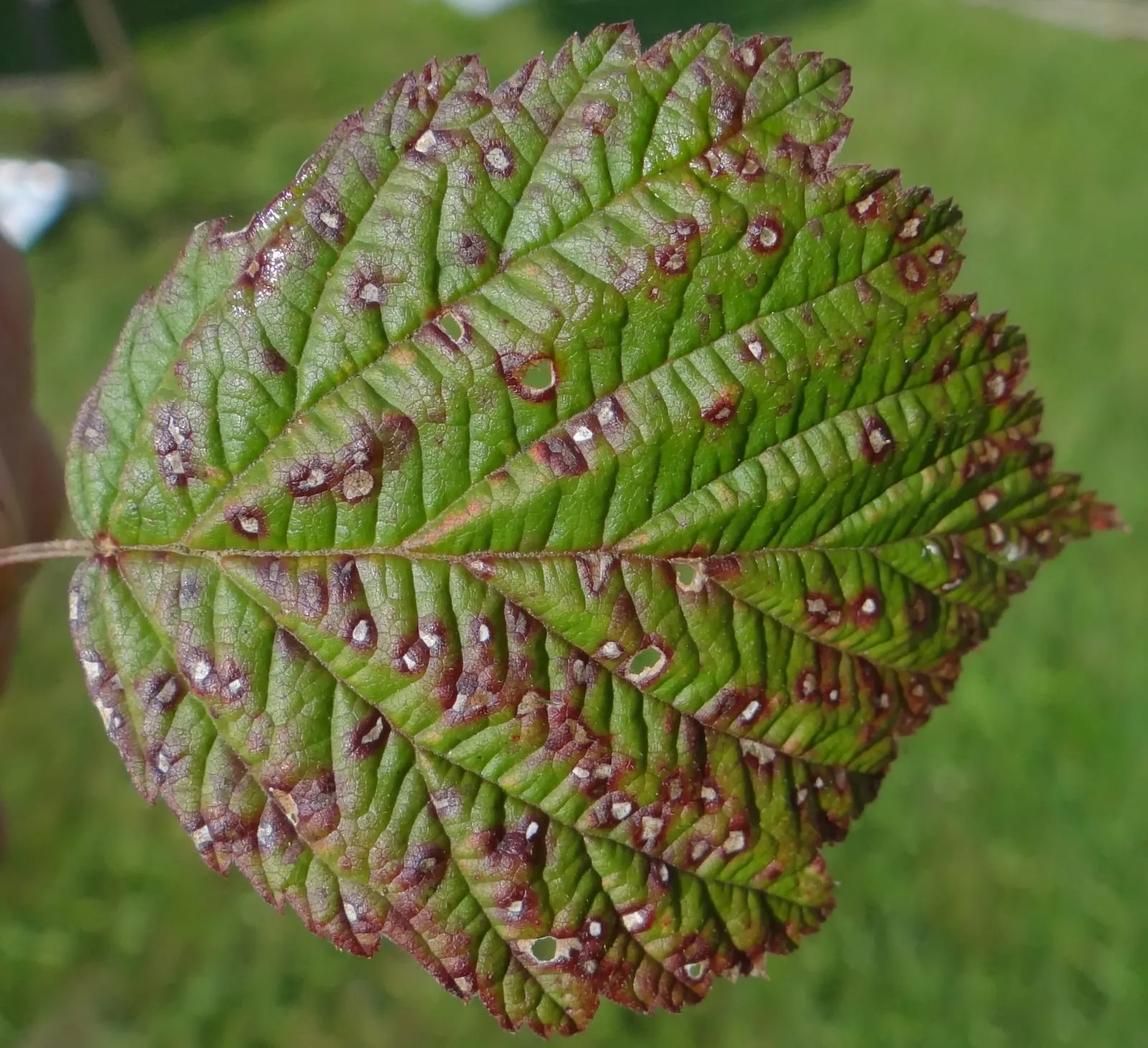
Elsinoe veneta
Fungal cane disease causing purple-bordered lesions that girdle and weaken bramble and Ribes canes, reducing yield over consecutive seasons.
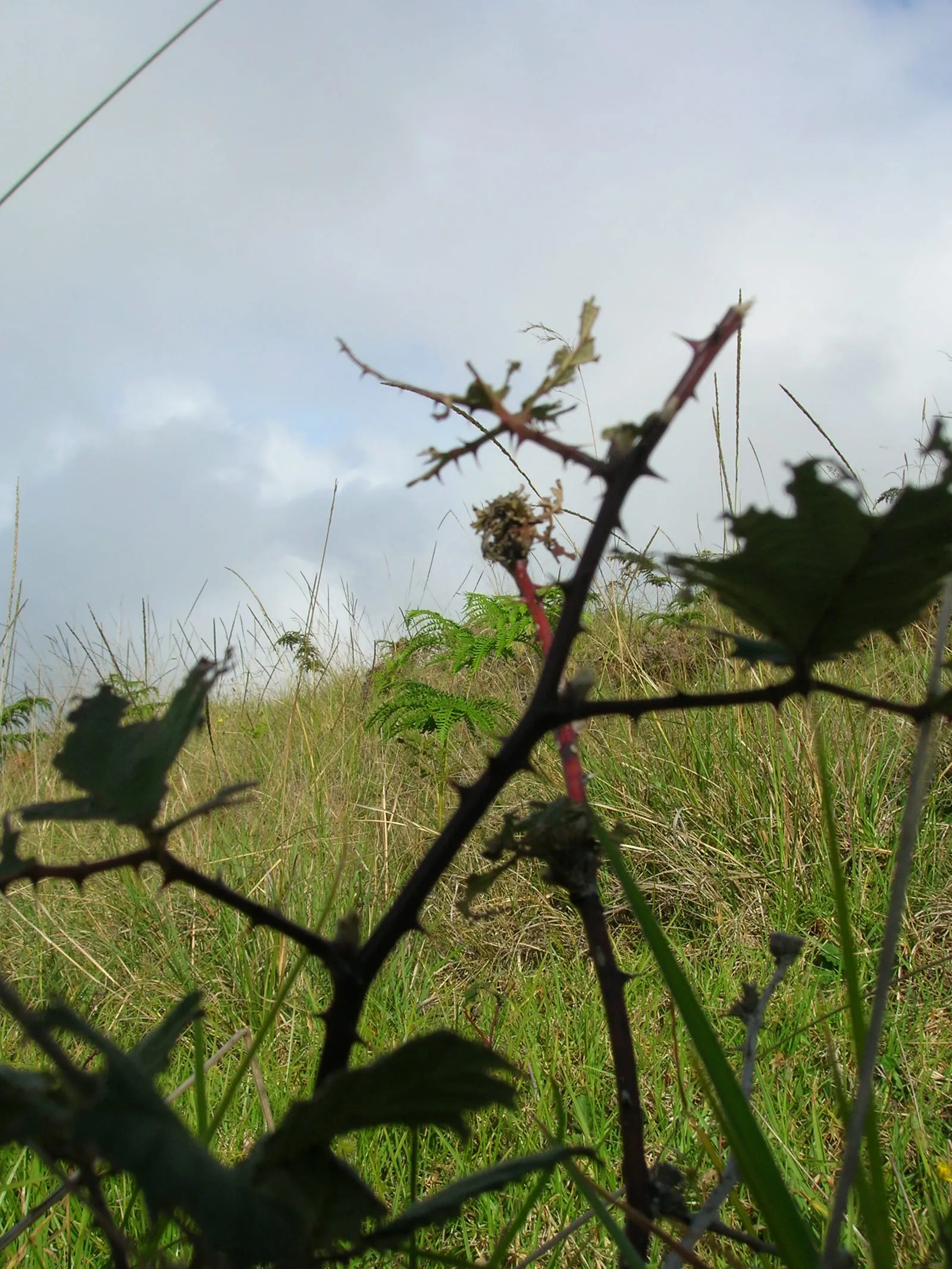
Leptosphaeria coniothyrium
Fungal disease that enters through wounds (often from cane-borer or pruning cuts) and causes dark cankers that wilt and kill canes.
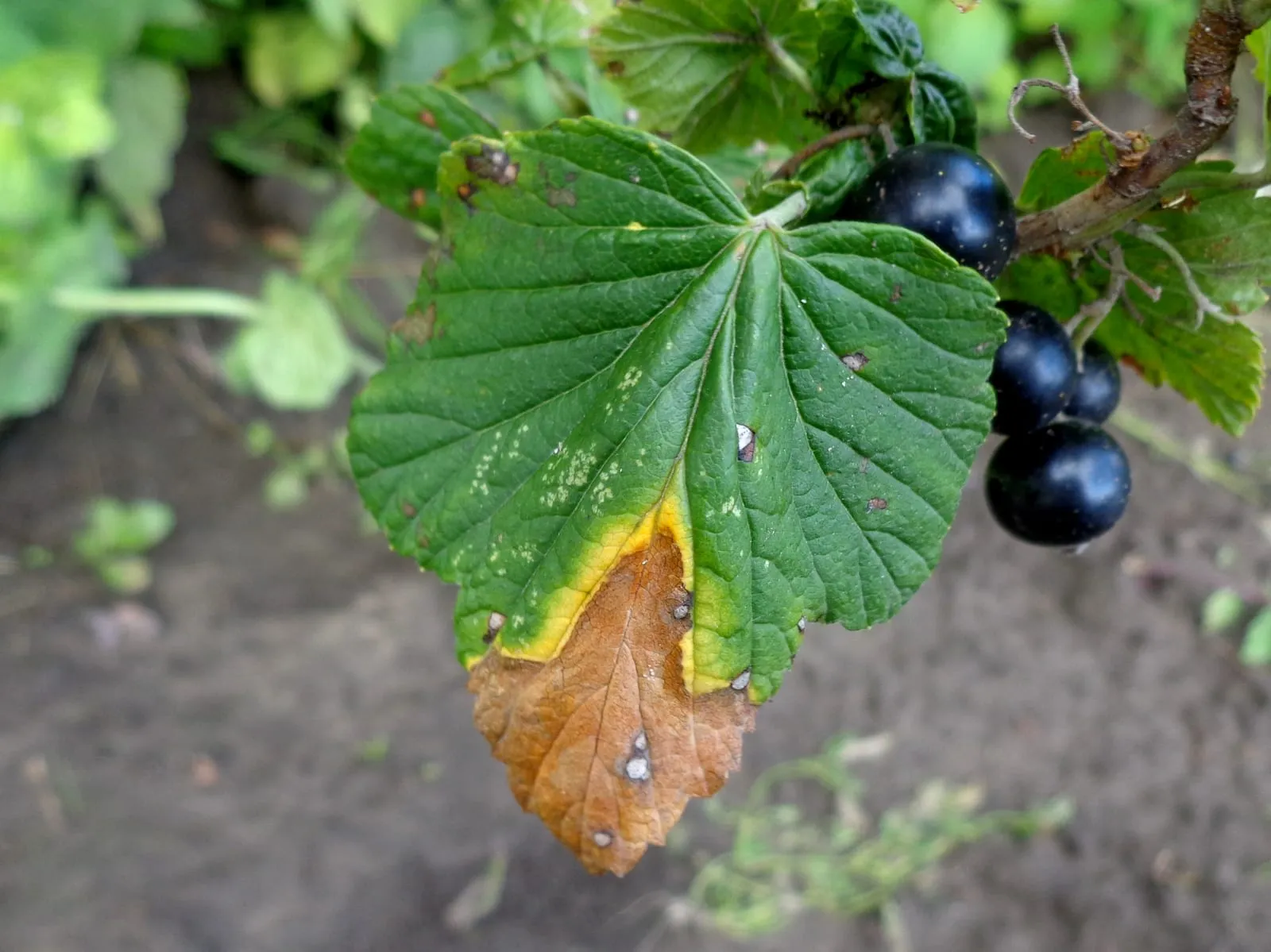
Didymella applanata
Fungal disease that produces purple-brown lesions at leaf nodes on red and yellow raspberry canes, weakening fruiting laterals.
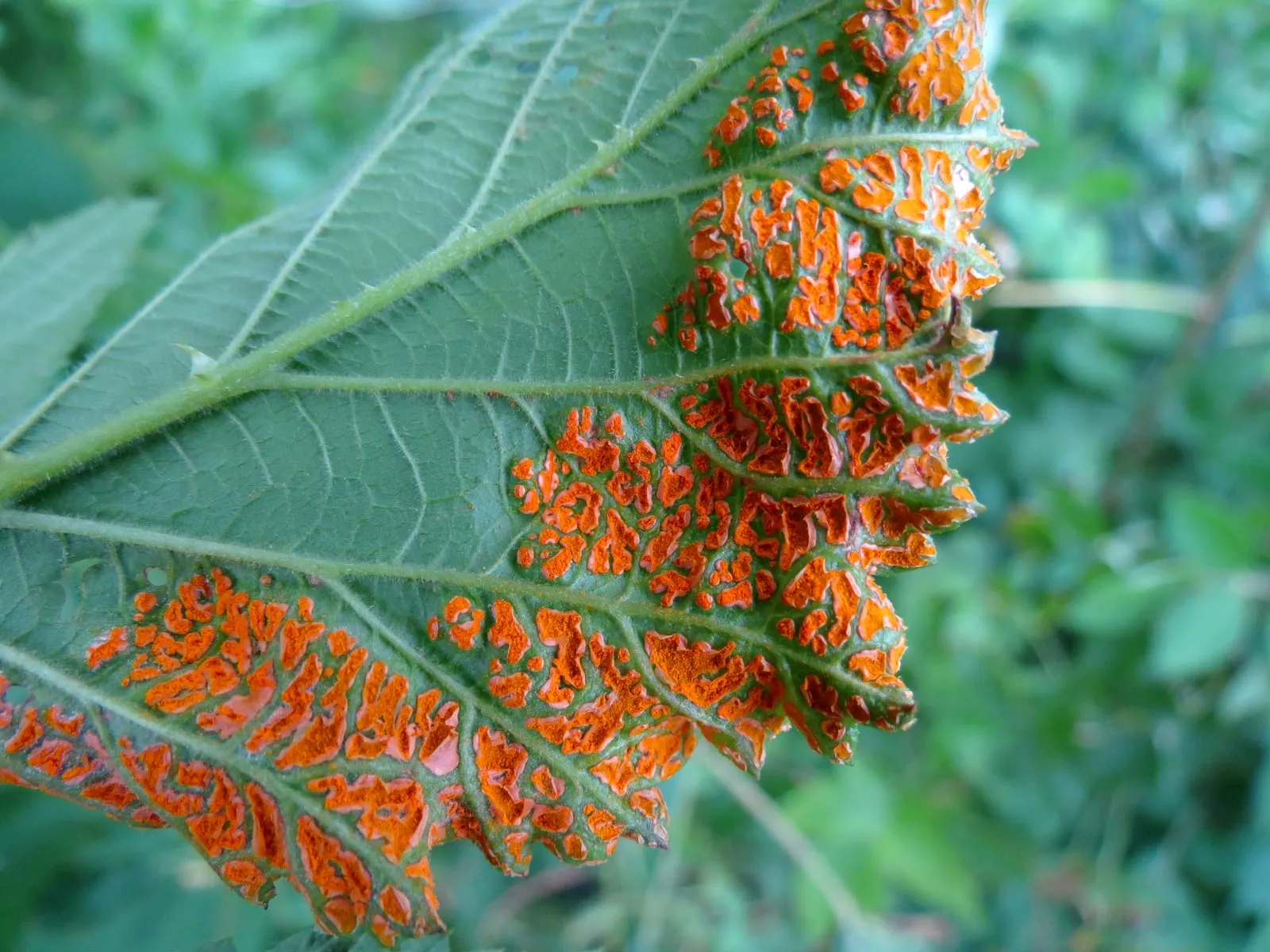
Arthuriomyces peckianus
Systemic fungal disease that permanently infects black raspberries and blackberries (not red raspberry); infected plants must be removed entirely.
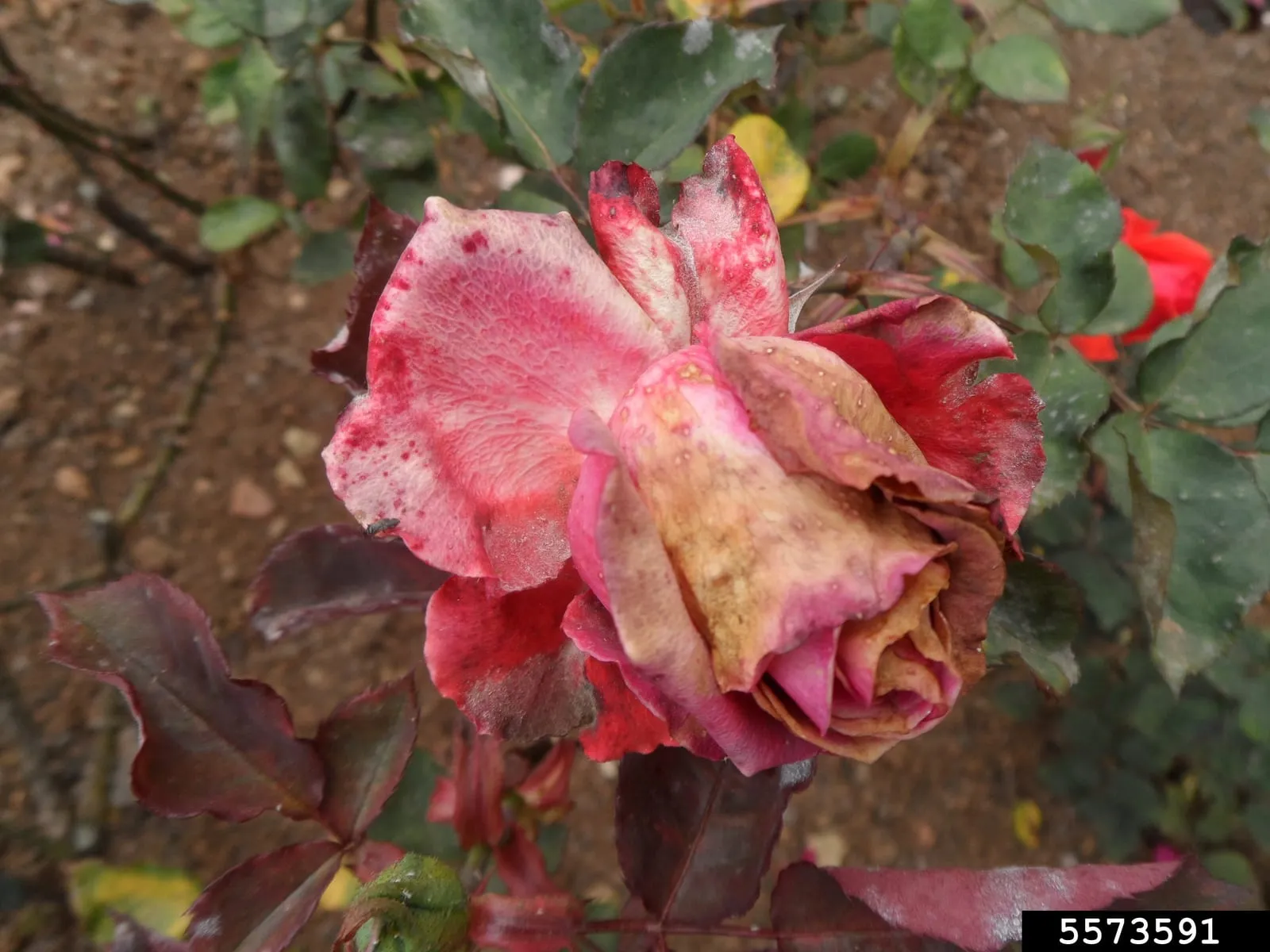
Botrytis cinerea
Ubiquitous fungal disease that causes fruit rot during cool wet weather, often the dominant berry disease in humid regions.
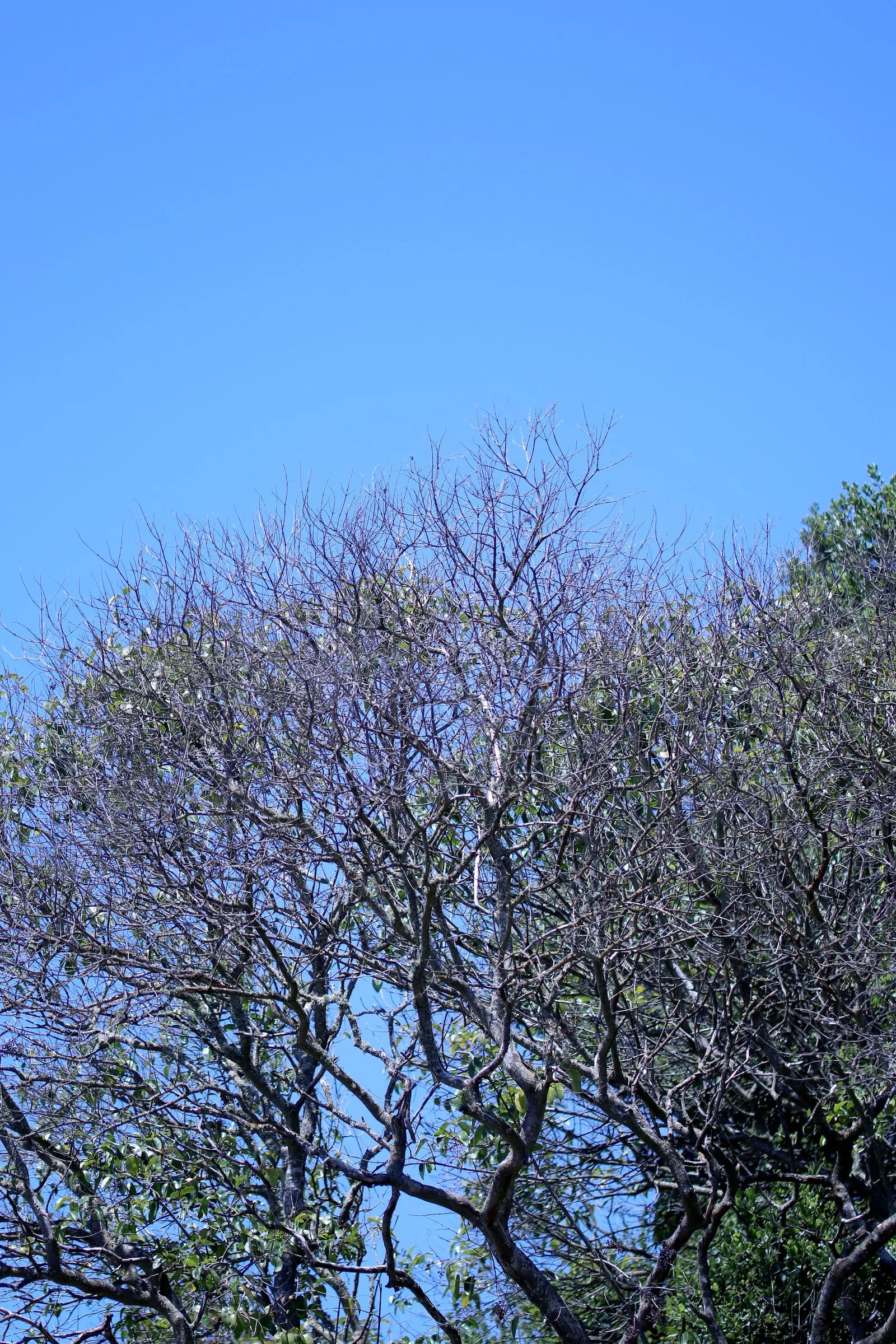
Phytophthora species
Soil-borne water mold that destroys roots in waterlogged soils, the leading cause of blueberry decline in poorly drained sites.
Modified care for zone 4a
Zone 4a growers should apply a 3 to 4 inch layer of straw or wood chip mulch over the root zone before the ground freezes in October. This moderates soil temperature swings and protects shallow feeder roots from heaving. Tip-pruning first-year canes in July encourages lateral branching, which can accelerate fruit set before the season closes.
Cane diseases, particularly Cane Anthracnose, Spur Blight, and Gray Mold, are elevated in years with wet springs and poor air circulation. Zone 4a's compressed season means growers cannot afford extended setbacks from disease. Thinning canes to 4 to 6 per linear foot improves airflow substantially. For Phytophthora Root Rot, raised or well-drained beds are essential because spring snowmelt in zone 4a keeps soils saturated longer than in warmer zones. Avoid low spots and heavy clay without amendment.
Yellow Raspberry in adjacent zones
Image: "Golden Raspberries", by Jonathan Cardy, via Wikimedia Commons, licensed under CC-BY-SA 3.0 Source.

Related