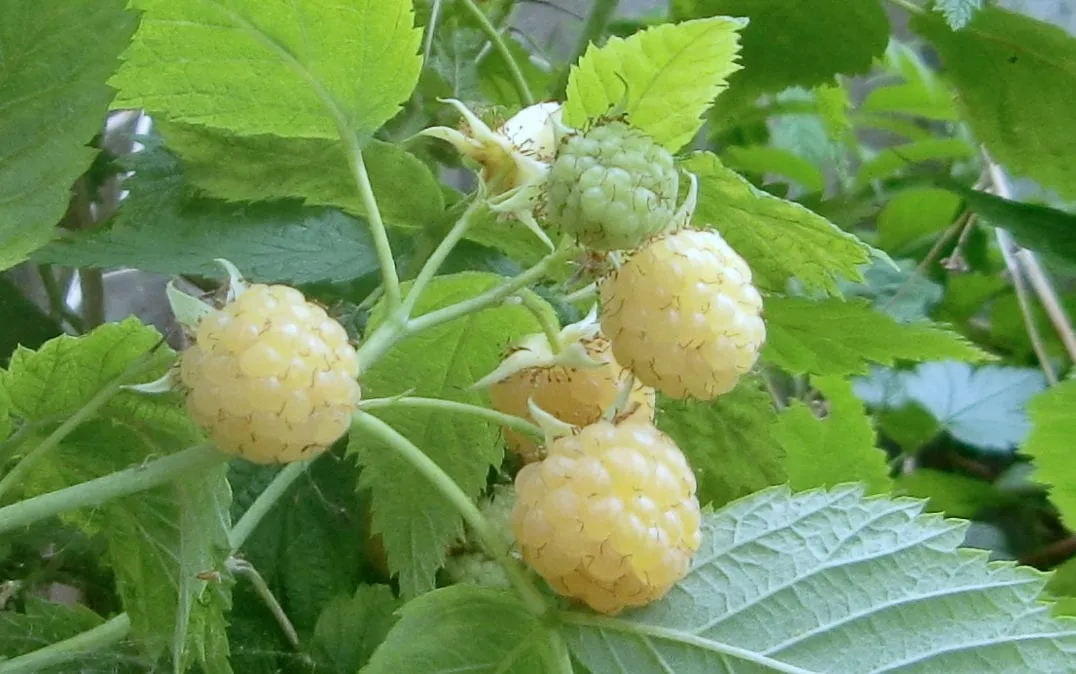
berry in zone 4b
Growing yellow raspberry in zone 4b
Rubus idaeus
- Zone
- 4b -25°F to -20°F
- Growing season
- 130 days
- Chill needed
- 800 to 1600 below 45°F
- Suitable varieties
- 3
- Days to harvest
- 30 to 50
The verdict
Zone 4b sits comfortably within the yellow raspberry's productive range. Winter lows of -25 to -20°F create real cane dieback risk, but yellow raspberry varieties selected for this zone tolerate those temperatures better than many red raspberry cultivars, particularly Anne, Fall Gold, and Honey Queen, all of which have documented performance in zone 4 conditions. The chill-hour requirement of 800 to 1,600 hours is reliably met across zone 4b, which typically accumulates 1,200 to 1,500 hours per winter depending on elevation and local cold-air drainage. That alignment matters: insufficient chilling leads to erratic bud break and staggered, reduced fruiting. Zone 4b is not a marginal site for yellow raspberry; it is a workable sweet spot. The main constraint is not cold tolerance in the abstract but rather the timing of late-spring frosts against early bloom and the annual task of protecting canes through the deep cold of January and February.
Recommended varieties for zone 4b
3 cultivars suited to this zone, with disease-resistance and zone-fit annotations.
| Variety | Notes | Zone fit | Disease resistance |
|---|---|---|---|
| Anne fits zone 4b | Honey-sweet, mild, blush-yellow berries with apricot undertones; fresh eating standout, very low acid. Everbearing, primary fall crop. The benchmark yellow raspberry. | | none noted |
| Fall Gold fits zone 4b | Sweet, mild, soft yellow berries with delicate flavor; fresh eating, jam (turns peach-colored). Everbearing, productive fall crop. Cold-hardy. | | none noted |
| Honey Queen fits zone 4b | Very sweet, mild, soft golden berries with honey notes; fresh eating premium. Summer-bearing, cold-hardy Canadian selection. | | none noted |
Critical timing for zone 4b
Yellow raspberry canes break dormancy in mid to late April in zone 4b, with bloom following in late May to early June. Spring frost timing is a genuine risk: last-frost dates in zone 4b commonly fall between May 5 and May 20 depending on specific location, and that window overlaps with open bloom on primocane-fruiting types. Summer-bearing floricane varieties such as Fall Gold typically ripen from mid-July through early August. Primocane-bearing varieties, including Anne and Honey Queen, produce a fall crop from mid-August through the first hard frost, which in zone 4b generally arrives in late September to early October. The 130-day growing season is sufficient for a full fall crop in most years, though early-frost years can shorten the harvest window by two to three weeks.
Common challenges in zone 4b
- ▸ Spring frost timing
- ▸ Apple scab pressure
- ▸ Cane berry winter dieback
Disease pressure to watch for
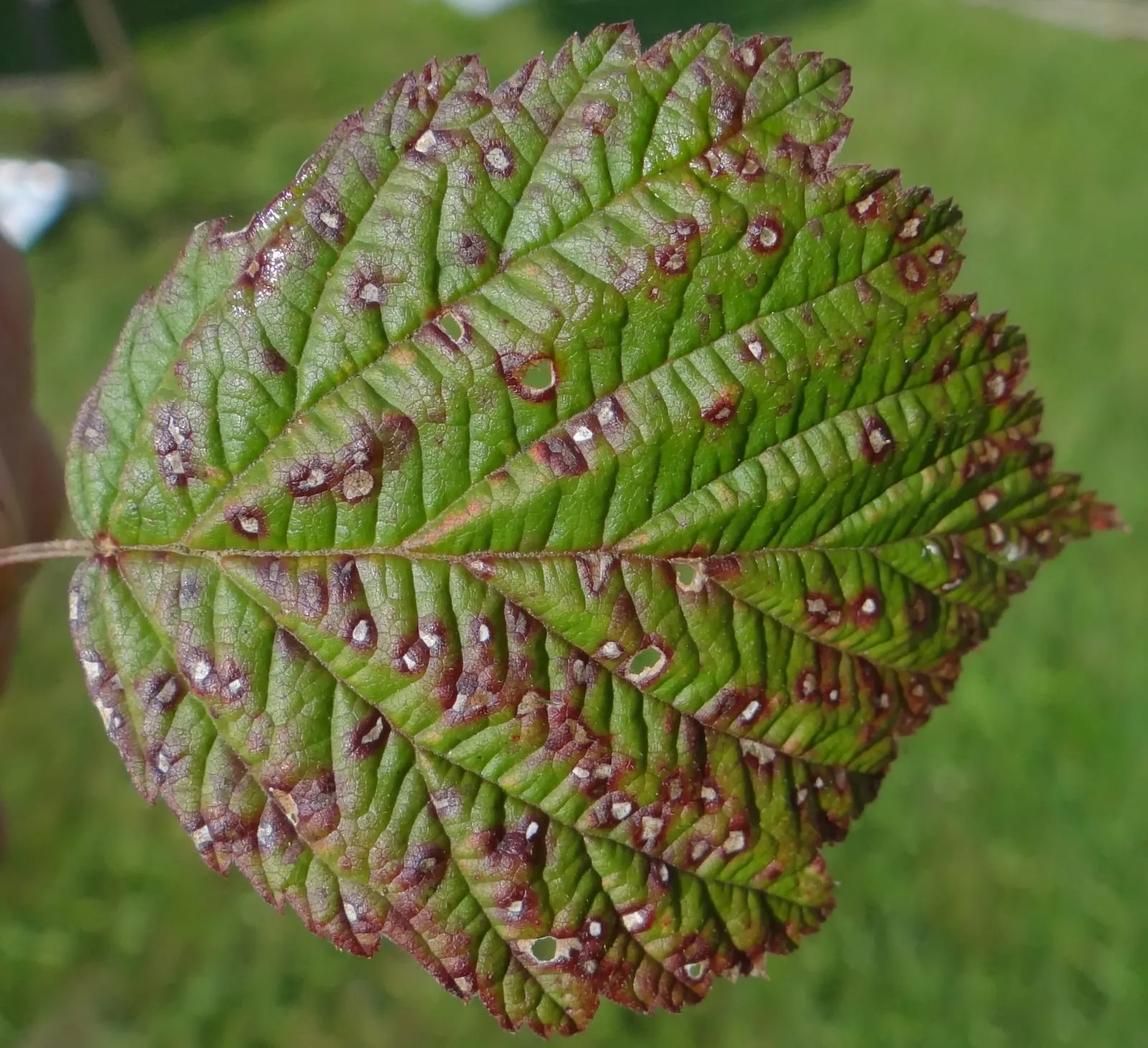
Elsinoe veneta
Fungal cane disease causing purple-bordered lesions that girdle and weaken bramble and Ribes canes, reducing yield over consecutive seasons.
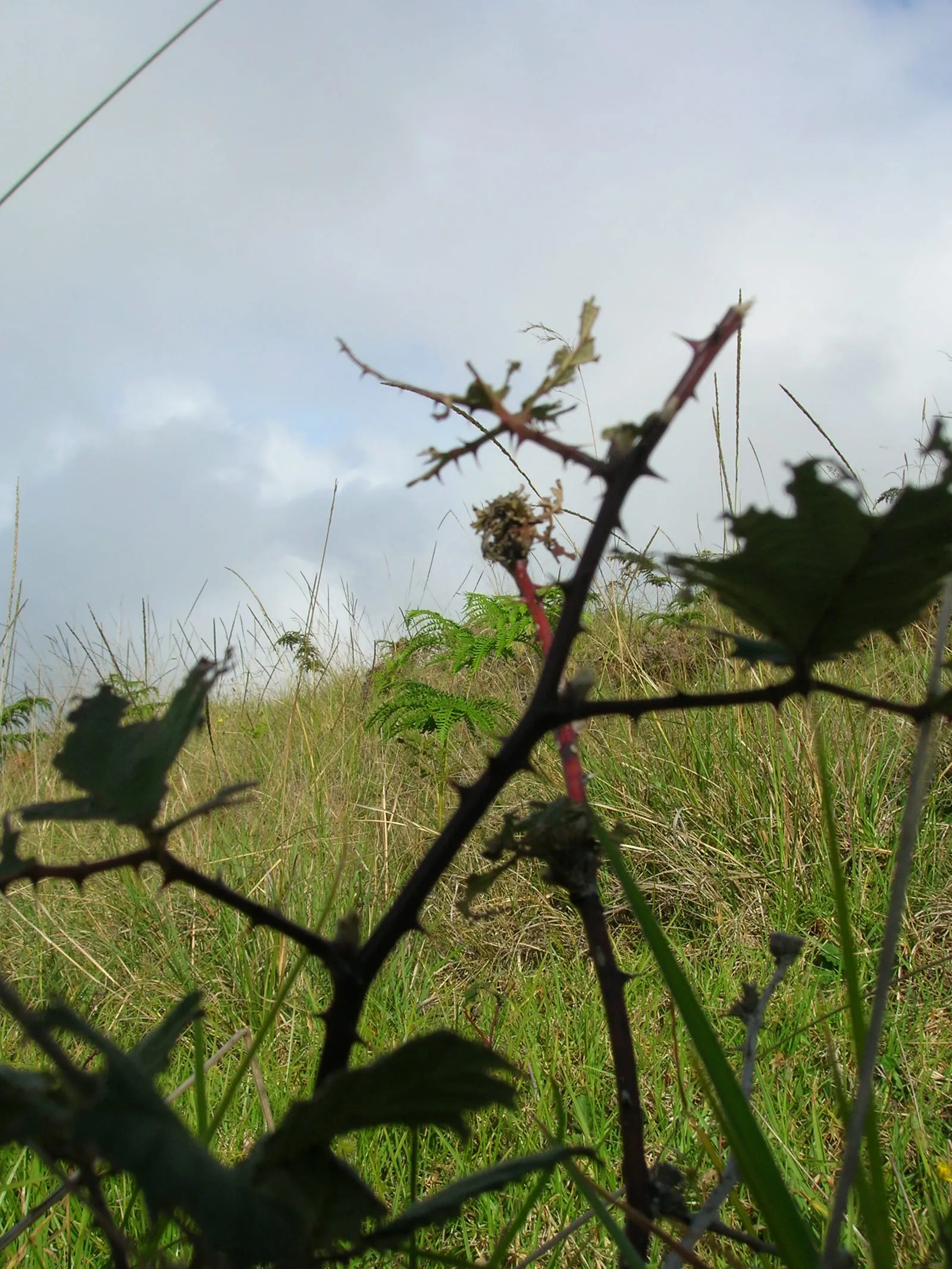
Leptosphaeria coniothyrium
Fungal disease that enters through wounds (often from cane-borer or pruning cuts) and causes dark cankers that wilt and kill canes.
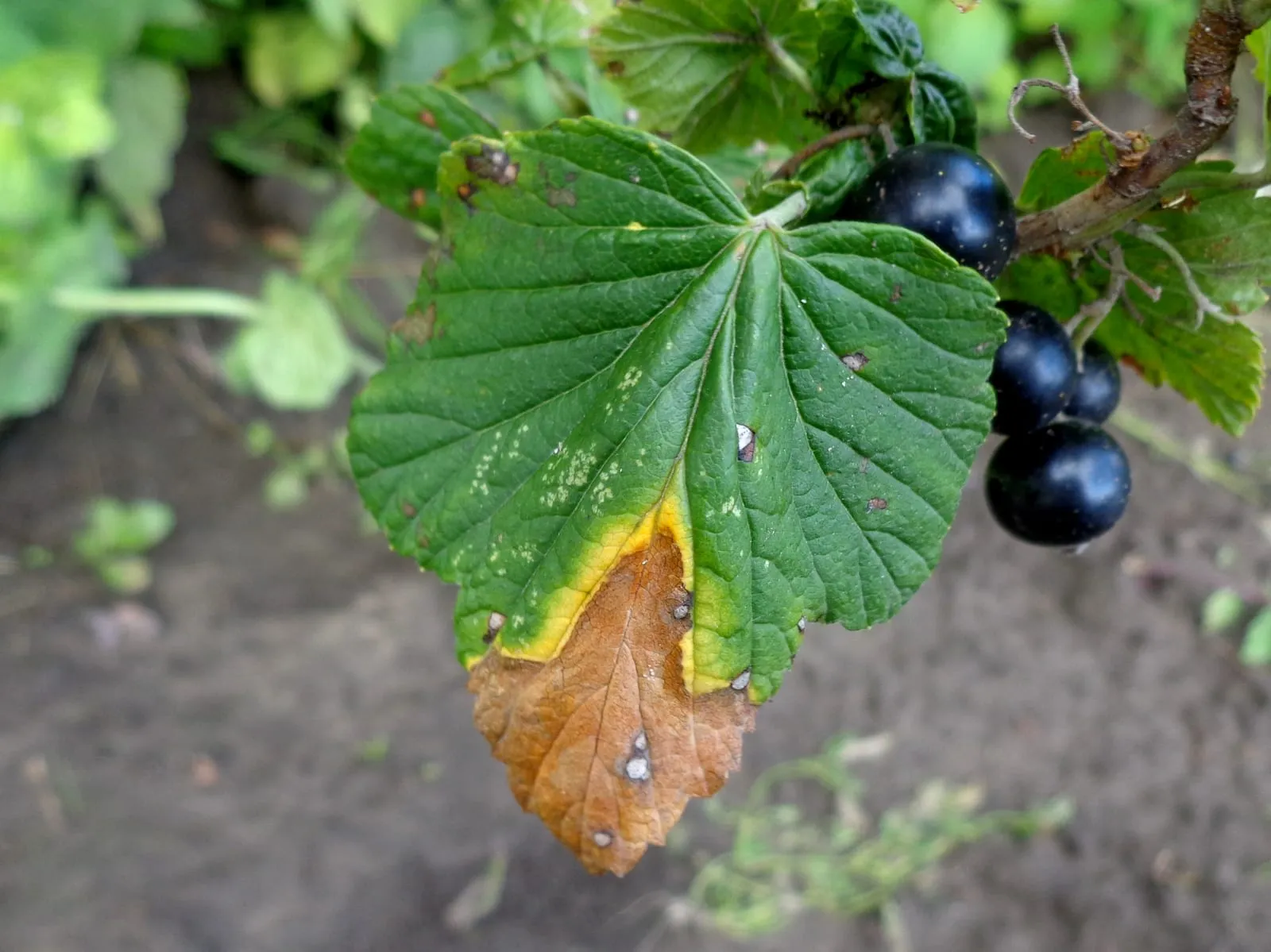
Didymella applanata
Fungal disease that produces purple-brown lesions at leaf nodes on red and yellow raspberry canes, weakening fruiting laterals.
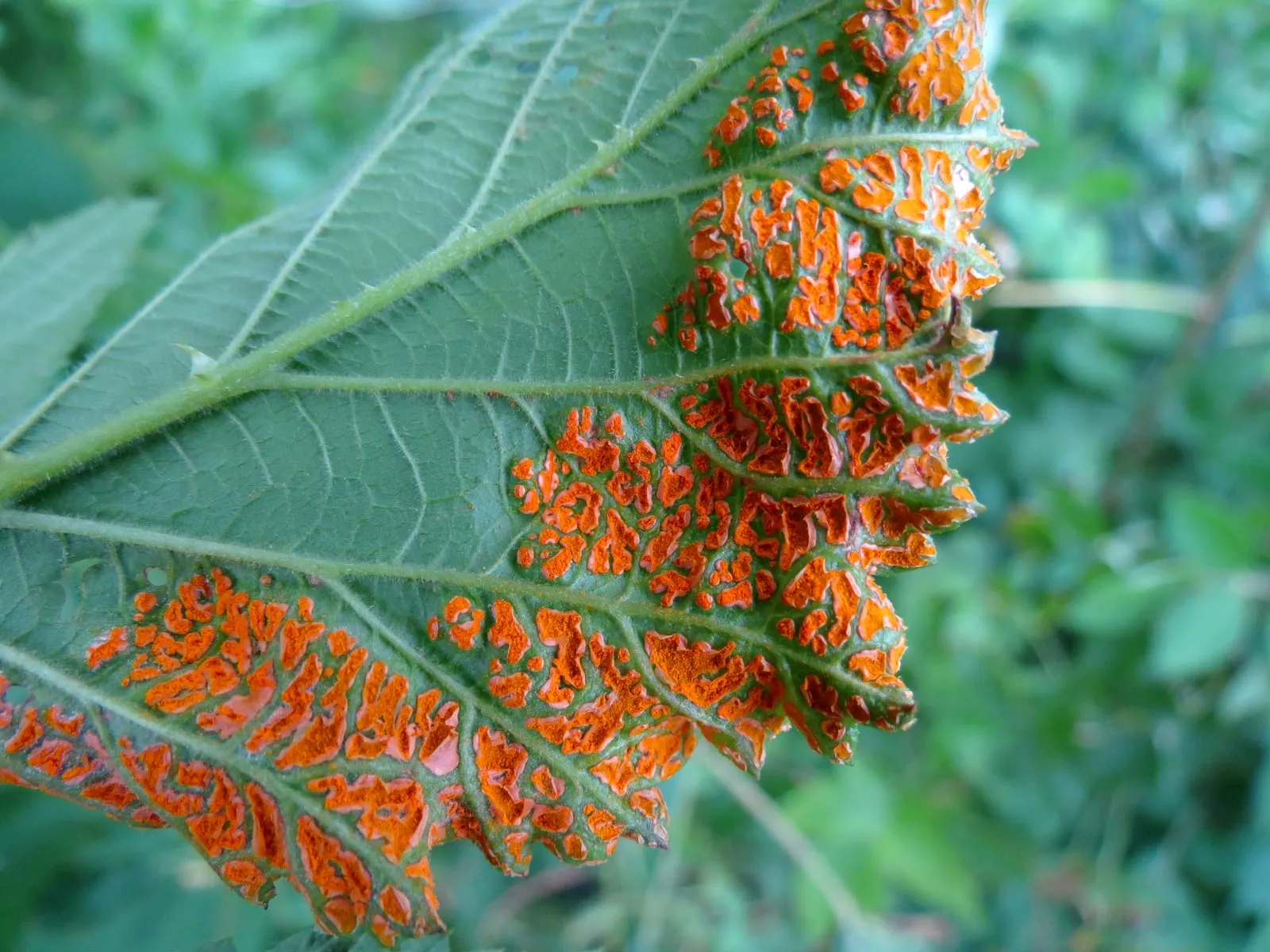
Arthuriomyces peckianus
Systemic fungal disease that permanently infects black raspberries and blackberries (not red raspberry); infected plants must be removed entirely.
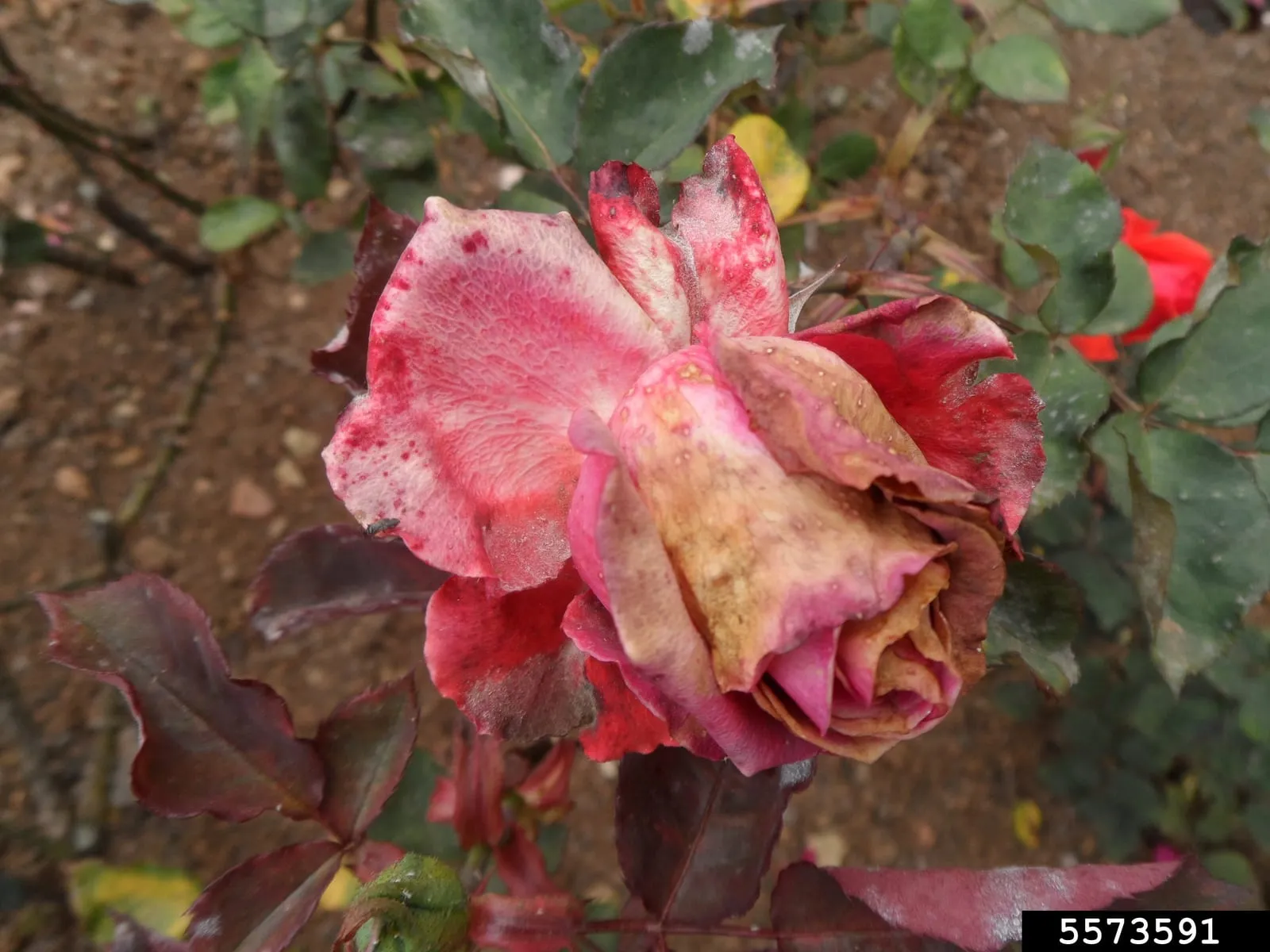
Botrytis cinerea
Ubiquitous fungal disease that causes fruit rot during cool wet weather, often the dominant berry disease in humid regions.
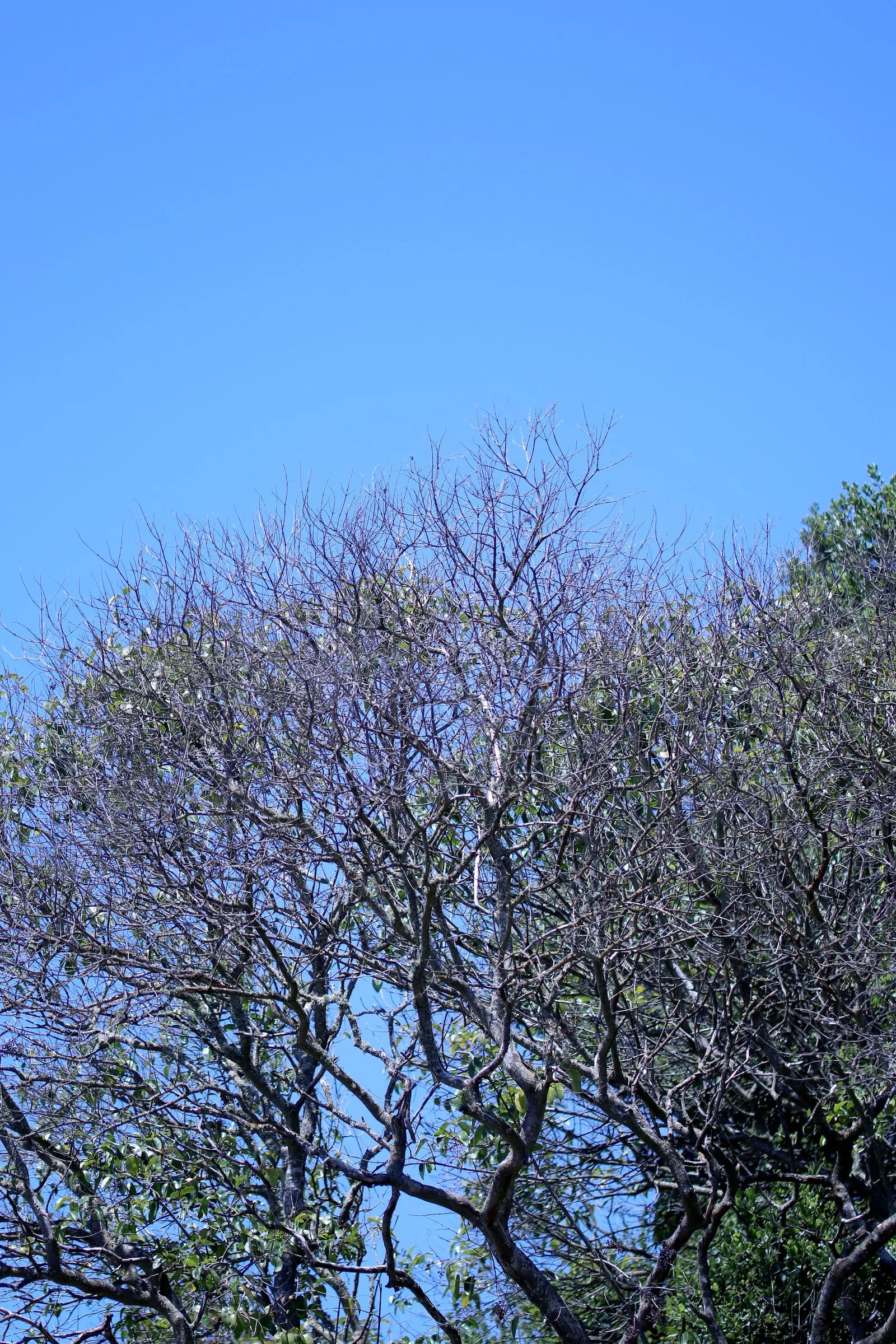
Phytophthora species
Soil-borne water mold that destroys roots in waterlogged soils, the leading cause of blueberry decline in poorly drained sites.
Modified care for zone 4b
Winter cane protection is the primary care adjustment in zone 4b. Laying floricanes to the ground and covering them with straw mulch before temperatures drop below -15°F reduces tip and cane loss meaningfully. Sites with consistent natural snow cover offer some insulation, but that cannot be relied on every year in this zone. Site selection should favor well-drained slopes or raised rows; Phytophthora root rot intensifies in wet spring soils, which are common in zone 4b, and standing water around the crown is one of the faster ways to lose an established planting. Botrytis (gray mold) is also a concern in the cool, humid conditions that follow snowmelt; removing old floricanes promptly after harvest and keeping row centers open improves airflow and reduces pressure. Spur blight and cane anthracnose are present across the zone and respond well to preventive copper applications made at early bud swell.
Frequently asked questions
- Do yellow raspberry canes need winter protection in zone 4b?
In most zone 4b locations, yes. Cane dieback becomes significant when temperatures drop below -15°F without snow cover. Laying floricanes flat and mulching with straw before the deepest cold arrives is the standard approach. Primocanes that have not yet hardened fully are the most vulnerable.
- Which yellow raspberry varieties are best suited to zone 4b?
Anne, Fall Gold, and Honey Queen are the three varieties with the strongest track record in zone 4 conditions. Fall Gold is a summer-bearing floricane type; Anne and Honey Queen are primocane-fruiting varieties that produce a reliable fall crop within zone 4b's 130-day growing season.
- Can late spring frosts damage yellow raspberry bloom in zone 4b?
Yes. Late-frost dates in zone 4b commonly extend into mid-May, and that timing overlaps with open bloom on early-breaking varieties. A single hard frost during full bloom can reduce fruit set substantially. Planting on a slight slope or near a windbreak delays cold-air pooling and provides some protection.
- What diseases are most likely to affect yellow raspberry in zone 4b?
Botrytis gray mold and Phytophthora root rot are the highest-priority concerns given zone 4b's wet spring conditions. Spur blight and cane anthracnose are common throughout the region. Orange rust, while less frequent, can spread quickly and has no cure once established; remove and destroy infected plants immediately.
+−
+−
+−
+−
Yellow Raspberry in adjacent zones
Image: "Golden Raspberries", by Jonathan Cardy, via Wikimedia Commons, licensed under CC-BY-SA 3.0 Source.

Related