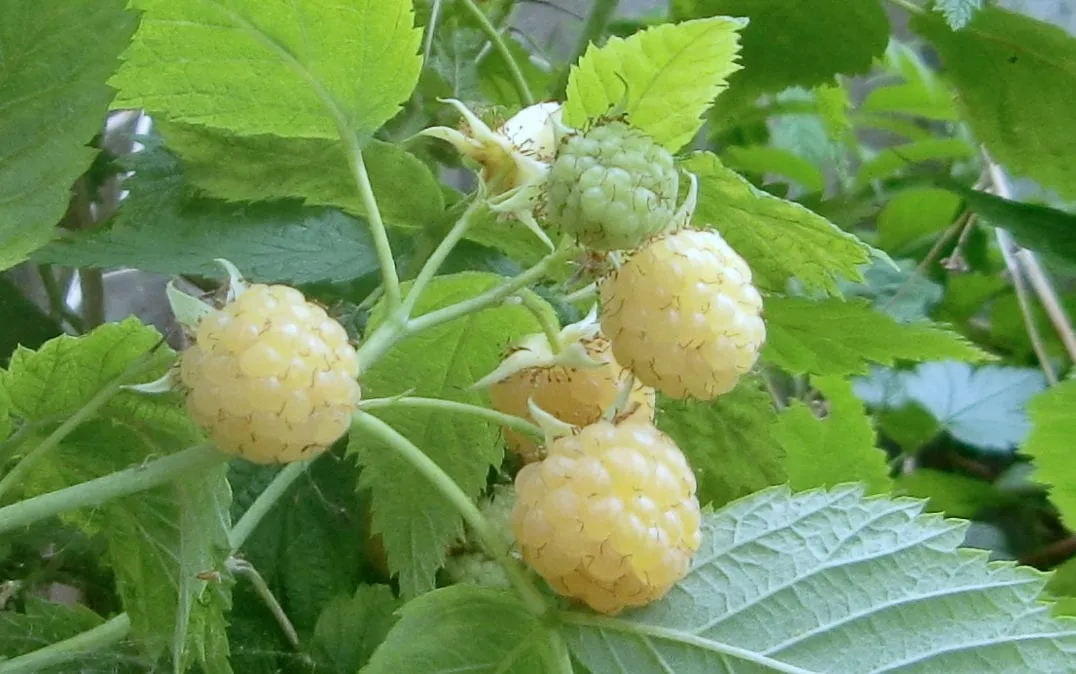
berry in zone 5a
Growing yellow raspberry in zone 5a
Rubus idaeus
- Zone
- 5a -20°F to -15°F
- Growing season
- 150 days
- Chill needed
- 800 to 1600 below 45°F
- Suitable varieties
- 4
- Days to harvest
- 30 to 50
The verdict
Zone 5a is a solid fit for yellow raspberry, not a marginal one. The crop's chill-hour requirement of 800 to 1600 hours aligns well with the cold winters typical of this zone, where accumulated chill hours routinely exceed 1,200. The minimum temperatures of -20 to -15°F do push toward the hardiness limits of some varieties, but Anne, Fall Gold, and Kiwi Gold are documented performers in this range when given adequate site protection from desiccating winter winds.
The 150-day growing season is sufficient for both summer-bearing and fall-bearing yellow raspberry types. Fall-bearing varieties like Anne and Fall Gold have a particular advantage here: they produce on first-year primocanes, sidestepping the risk of floricane winter kill entirely. Growers who have lost floricane crops to late cold snaps find this trait especially practical in zone 5a.
Recommended varieties for zone 5a
4 cultivars suited to this zone, with disease-resistance and zone-fit annotations.
| Variety | Notes | Zone fit | Disease resistance |
|---|---|---|---|
| Anne fits zone 5a | Honey-sweet, mild, blush-yellow berries with apricot undertones; fresh eating standout, very low acid. Everbearing, primary fall crop. The benchmark yellow raspberry. | | none noted |
| Fall Gold fits zone 5a | Sweet, mild, soft yellow berries with delicate flavor; fresh eating, jam (turns peach-colored). Everbearing, productive fall crop. Cold-hardy. | | none noted |
| Honey Queen fits zone 5a | Very sweet, mild, soft golden berries with honey notes; fresh eating premium. Summer-bearing, cold-hardy Canadian selection. | | none noted |
| Kiwi Gold fits zone 5a | Sweet, mild, firm yellow berries with a touch of acidity; fresh and freezing. Everbearing, productive late-season crop with clean flavor. | | none noted |
Critical timing for zone 5a
Yellow raspberry bloom in zone 5a typically falls in mid to late May, once soil temperatures have stabilized and night frost risk has dropped. This timing is relevant because zone 5a's last spring frost averages late April to mid-May, meaning early bloom years carry real risk of frost damage to open flowers. Fall-bearing varieties largely avoid this exposure by fruiting on new-season canes from late August through October, well after frost windows close.
Summer-bearing types deliver a July harvest, while fall-bearing varieties like Anne peak in September. The first fall frost in zone 5a arrives as early as mid-October in many locations, so growers should monitor forecasts closely during the late-season ripening window to avoid losing fruit on the vine.
Common challenges in zone 5a
- ▸ Fire blight in pears
- ▸ Cedar-apple rust
- ▸ Late spring frosts
Disease pressure to watch for
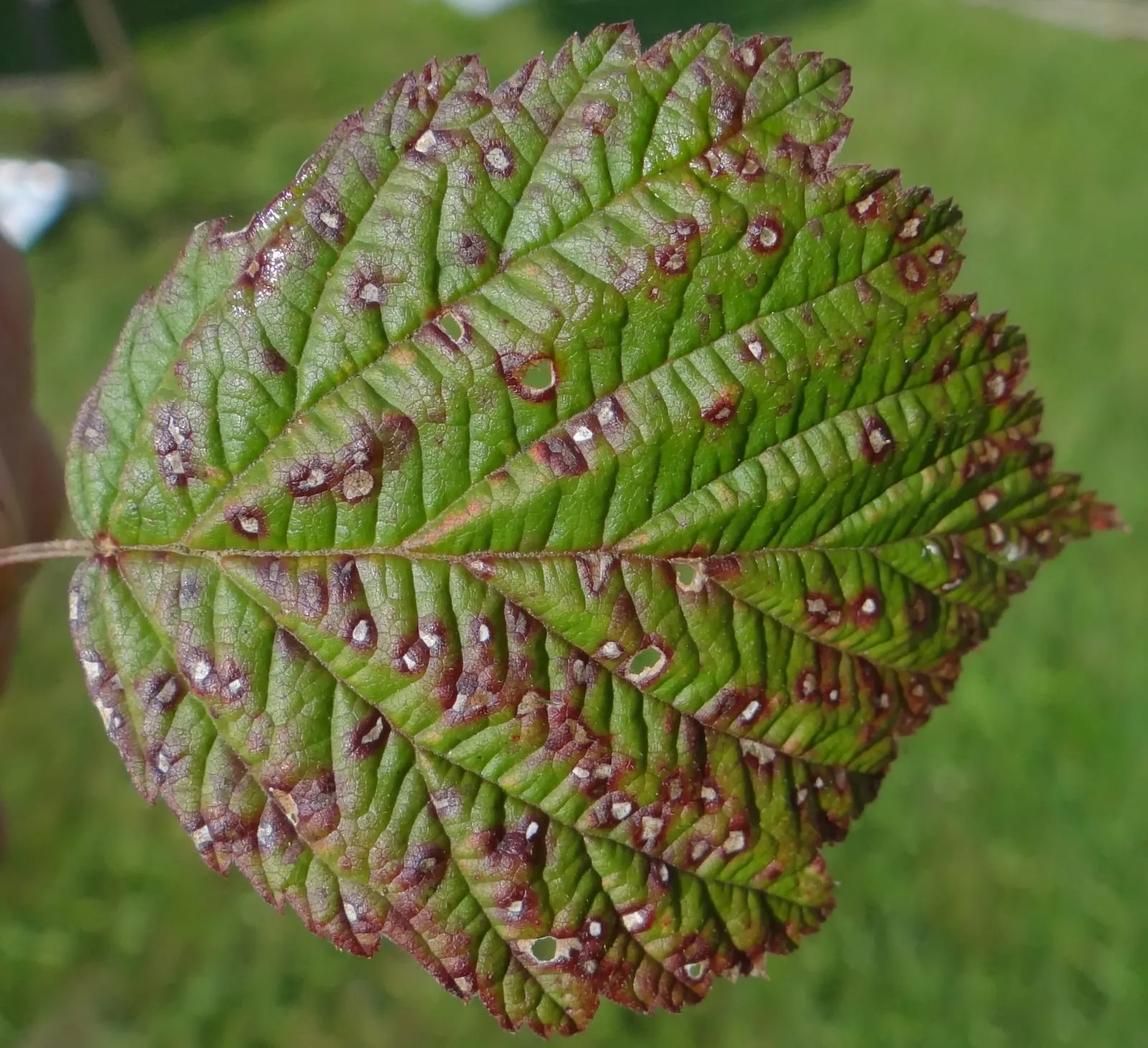
Elsinoe veneta
Fungal cane disease causing purple-bordered lesions that girdle and weaken bramble and Ribes canes, reducing yield over consecutive seasons.
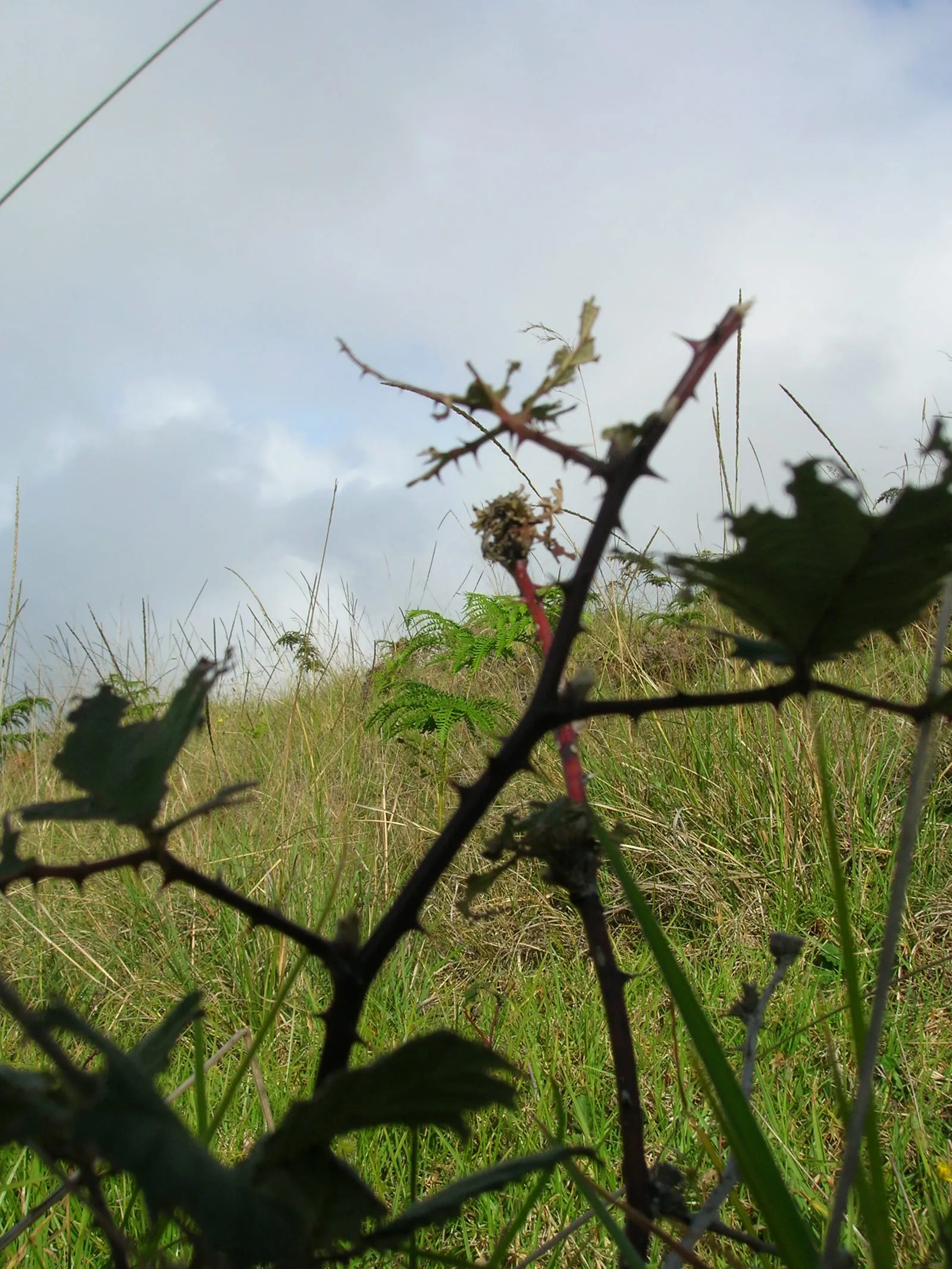
Leptosphaeria coniothyrium
Fungal disease that enters through wounds (often from cane-borer or pruning cuts) and causes dark cankers that wilt and kill canes.
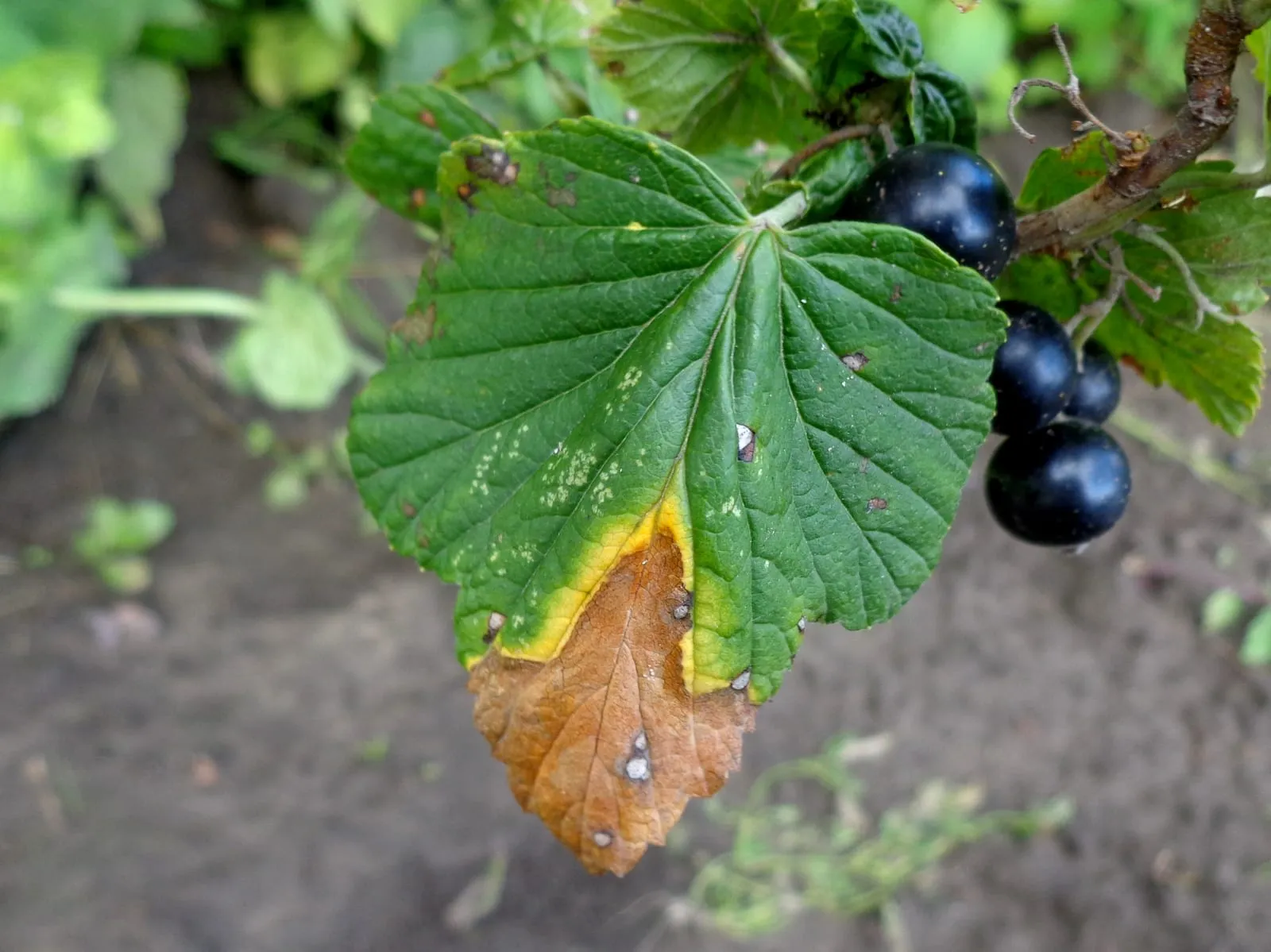
Didymella applanata
Fungal disease that produces purple-brown lesions at leaf nodes on red and yellow raspberry canes, weakening fruiting laterals.
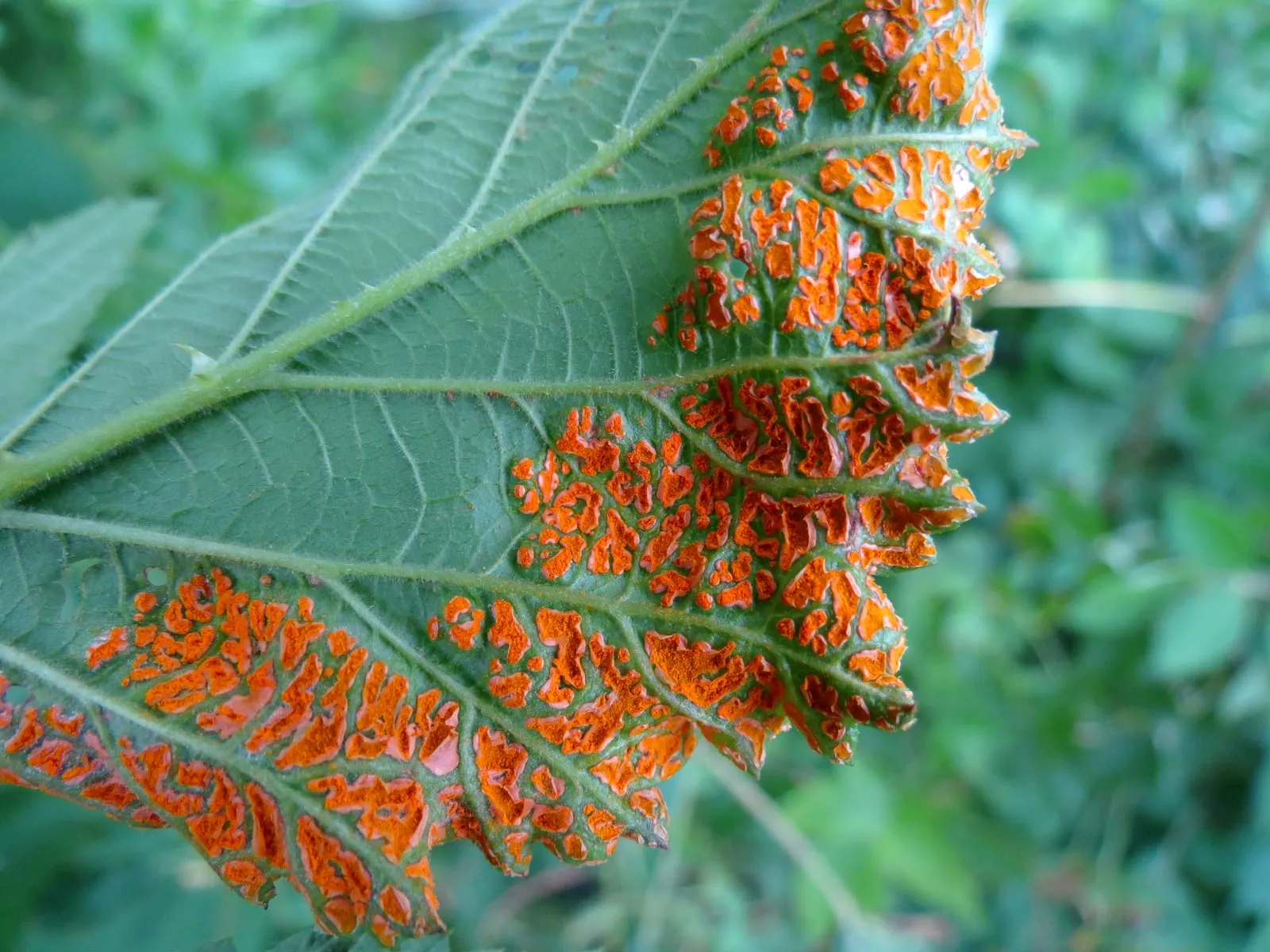
Arthuriomyces peckianus
Systemic fungal disease that permanently infects black raspberries and blackberries (not red raspberry); infected plants must be removed entirely.
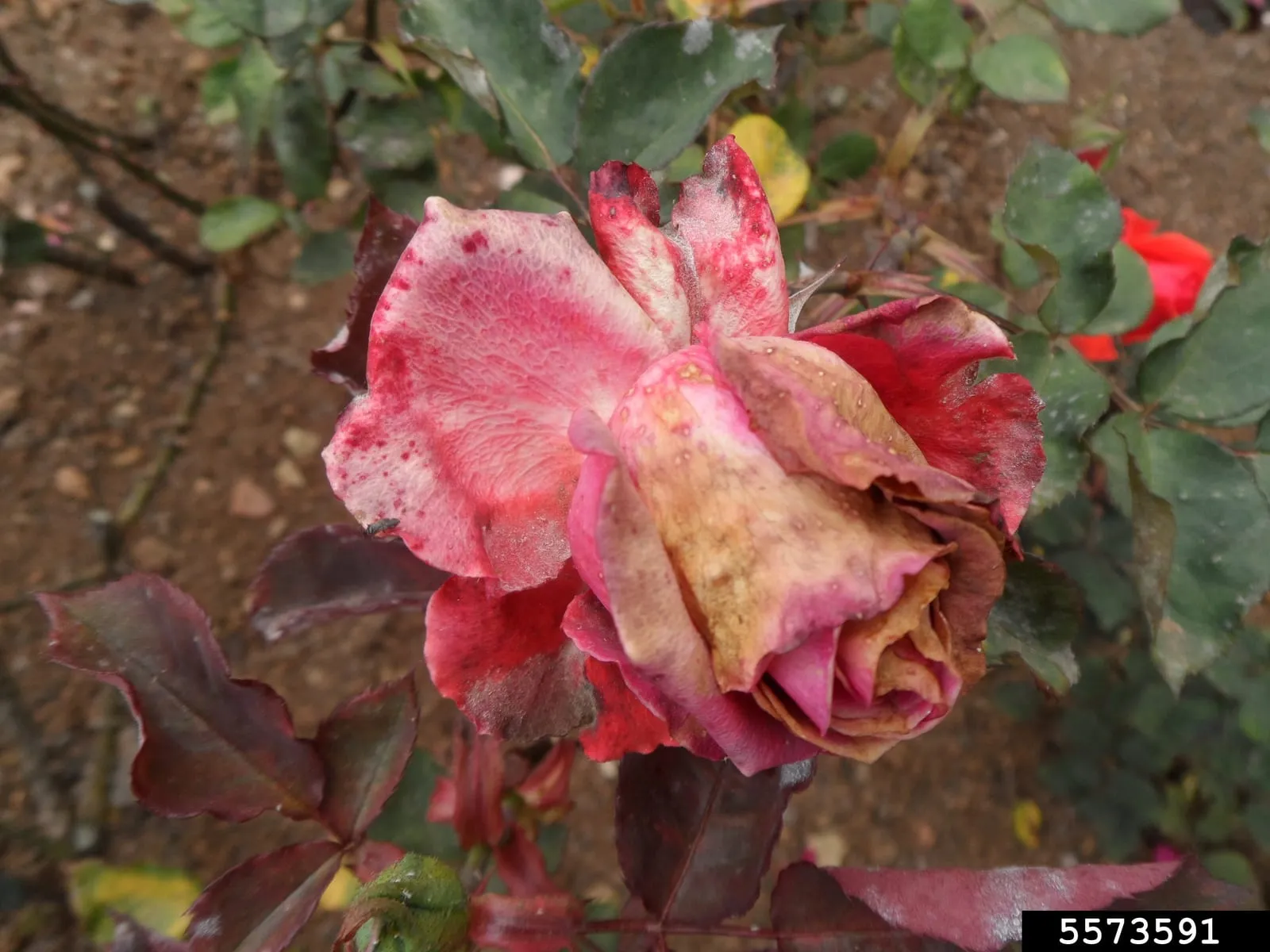
Botrytis cinerea
Ubiquitous fungal disease that causes fruit rot during cool wet weather, often the dominant berry disease in humid regions.
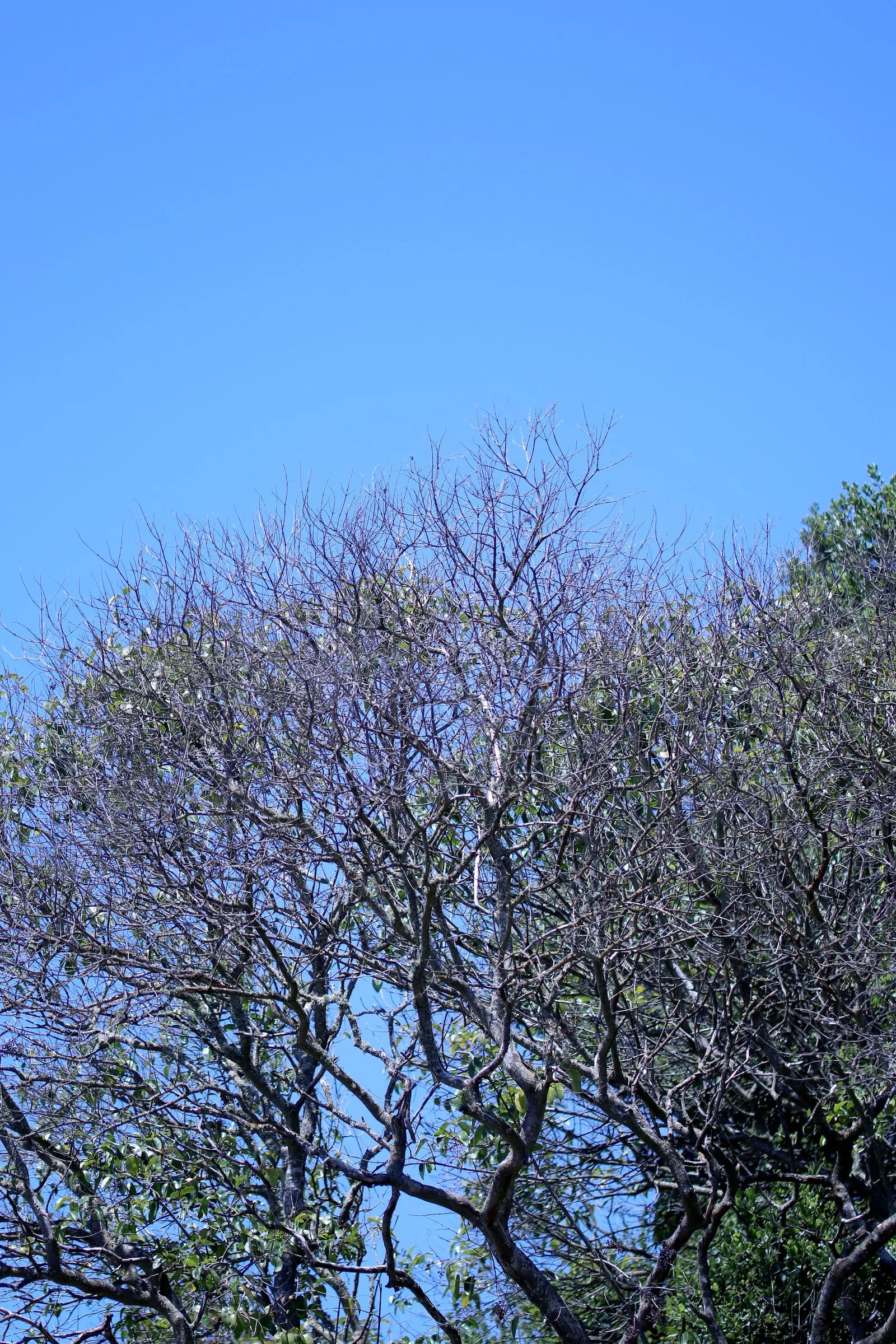
Phytophthora species
Soil-borne water mold that destroys roots in waterlogged soils, the leading cause of blueberry decline in poorly drained sites.
Modified care for zone 5a
The primary adjustment in zone 5a is protecting floricanes through winter. Bending canes to the ground and pinning them under a mulch layer before hard freezes reduces desiccation and cold damage significantly. This is labor-intensive but worth the effort on summer-bearing types; growers who find it impractical often switch to fall-bearing varieties managed on an annual mow-down schedule instead.
Disease pressure in zone 5a's wetter springs favors Spur Blight, Cane Blight, and Gray Mold (Botrytis), particularly in plantings with dense canopies. Wide row spacing (at least 18 inches between plants) and aggressive removal of spent canes immediately after harvest improve air circulation and reduce overwintering inoculum. Phytophthora Root Rot becomes a concern on any site with seasonal waterlogging; raised beds or slope-planted rows are worth the extra setup on marginal ground.
Frequently asked questions
- Which yellow raspberry varieties perform best in zone 5a?
Anne and Fall Gold are the most reliable options in zone 5a. Both are fall-bearing, meaning they fruit on first-year canes and avoid the risk of floricane winter kill. Honey Queen and Kiwi Gold are also compatible but less widely trialed in colder parts of the zone.
- Do yellow raspberries need winter protection in zone 5a?
For summer-bearing types that fruit on second-year floricanes, winter protection is advisable. Bending canes to the ground and covering with mulch or straw before temperatures drop below 0°F helps prevent desiccation and cold injury. Fall-bearing types managed as annuals (mowed to the ground each fall) require no cane protection.
- Can late spring frosts damage yellow raspberry crops in zone 5a?
Open flowers are frost-sensitive, and zone 5a's last frost can arrive as late as mid-May in some years. Fall-bearing varieties sidestep this risk entirely by flowering in summer on new-season canes. Summer-bearing types are more exposed, particularly in low-lying frost pockets.
- What is the main disease concern for yellow raspberry in zone 5a?
Cane diseases, particularly Spur Blight and Cane Blight, are the most common issues in zone 5a's wet springs. Good air circulation through proper spacing and prompt removal of spent canes after harvest are the most effective preventive measures. Phytophthora Root Rot is a secondary concern on poorly drained sites.
+−
+−
+−
+−
Yellow Raspberry in adjacent zones
Image: "Golden Raspberries", by Jonathan Cardy, via Wikimedia Commons, licensed under CC-BY-SA 3.0 Source.

Related