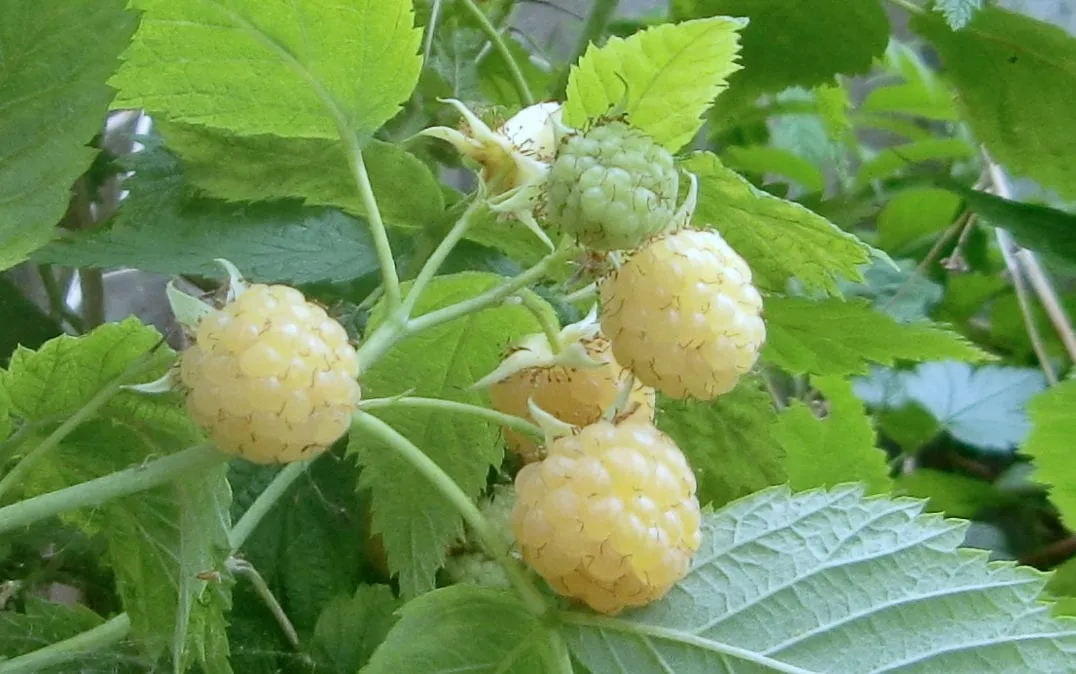
berry in zone 3b
Growing yellow raspberry in zone 3b
Rubus idaeus
- Zone
- 3b -35°F to -30°F
- Growing season
- 100 days
- Chill needed
- 800 to 1600 below 45°F
- Suitable varieties
- 2
- Days to harvest
- 30 to 50
The verdict
Zone 3b presents a genuine but workable challenge for yellow raspberry. On the chill-hour side, the match is excellent: the crop's 800 to 1,600-hour requirement is easily satisfied in a zone where winters push to -35°F and cold accumulation runs well above 1,000 hours in most locations. Chill hours are not the limiting factor here.
The real constraints are the short growing season (roughly 100 days) and winter cane damage. Yellow raspberries are generally hardier than many cane fruits, and varieties like Fall Gold and Honey Queen were selected in part for cold tolerance. However, canes exposed above the snowline can desiccate or suffer bark injury at sustained temperatures below -30°F. In a typical zone 3b winter with consistent snow cover, canes come through reasonably well; in open winters with little insulation, losses can be significant.
This is not a marginal zone so much as a high-variance one. Years with reliable snow cover produce strong harvests; open cold winters can set plantings back hard. Growers who plan for that variability and protect canes accordingly will find yellow raspberry productive here.
Recommended varieties for zone 3b
2 cultivars suited to this zone, with disease-resistance and zone-fit annotations.
| Variety | Notes | Zone fit | Disease resistance |
|---|---|---|---|
| Fall Gold fits zone 3b | Sweet, mild, soft yellow berries with delicate flavor; fresh eating, jam (turns peach-colored). Everbearing, productive fall crop. Cold-hardy. | | none noted |
| Honey Queen fits zone 3b | Very sweet, mild, soft golden berries with honey notes; fresh eating premium. Summer-bearing, cold-hardy Canadian selection. | | none noted |
Critical timing for zone 3b
In zone 3b, yellow raspberry canes break dormancy in late April to mid-May depending on elevation and aspect. Bloom typically follows in late May to early June, though late frosts can occur through mid-May and occasionally into early June at colder sites. A hard frost during bloom will not kill the planting, but it can reduce fruit set for that season's primocane or floricane crop.
Summer-bearing (floricane) varieties ripen in late July through August, which fits the 100-day season with acceptable margin. Primocane-bearing varieties like Fall Gold, which fruit on first-year canes in fall, are better suited here because they don't depend on overwintered canes for fruiting. Fall Gold harvest typically runs late August into September, well ahead of the first hard frosts that arrive in late September to early October across most zone 3b locations.
Common challenges in zone 3b
- ▸ Short season
- ▸ Winter desiccation
- ▸ Site selection critical for fruit trees
Disease pressure to watch for
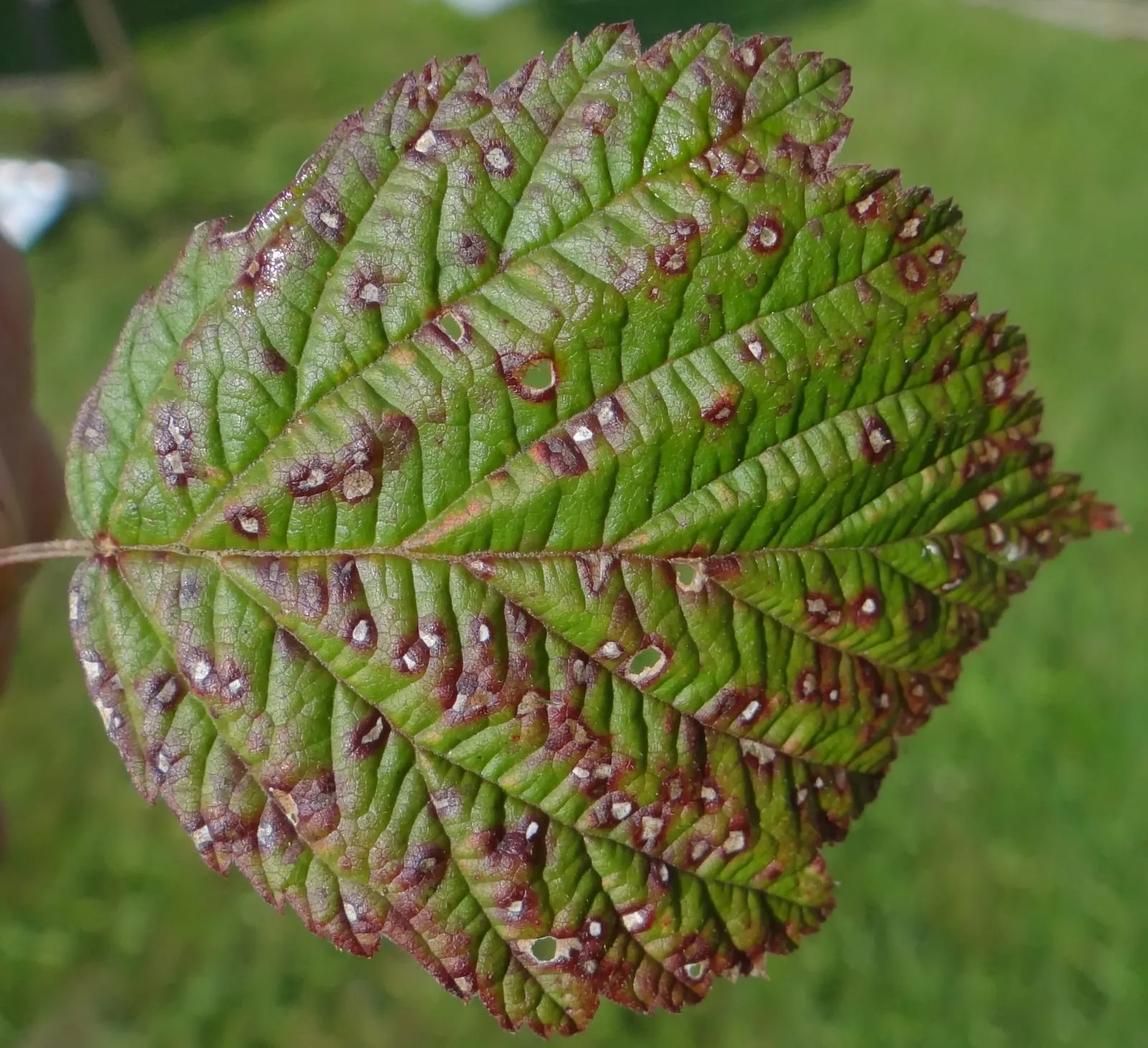
Elsinoe veneta
Fungal cane disease causing purple-bordered lesions that girdle and weaken bramble and Ribes canes, reducing yield over consecutive seasons.
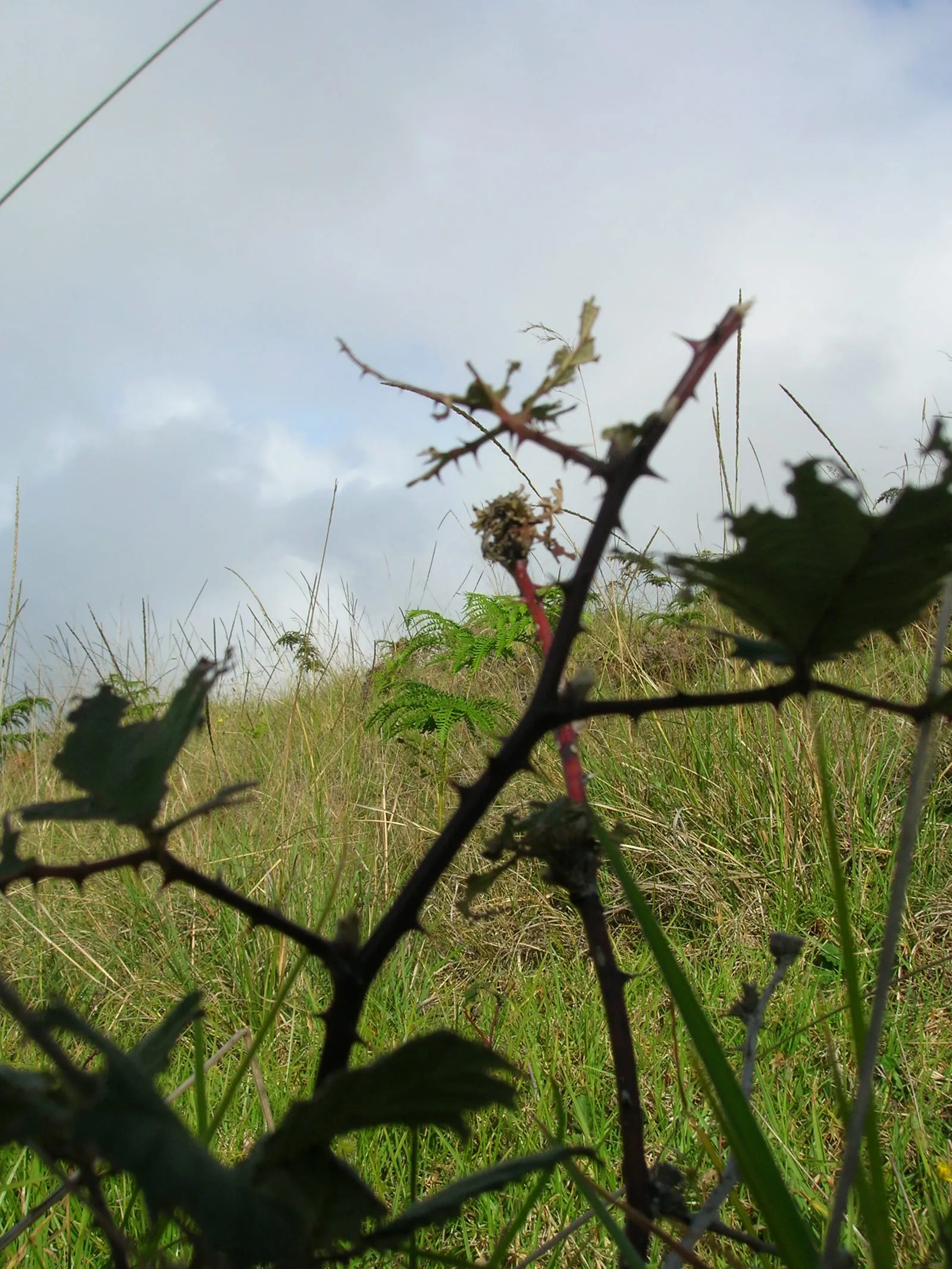
Leptosphaeria coniothyrium
Fungal disease that enters through wounds (often from cane-borer or pruning cuts) and causes dark cankers that wilt and kill canes.
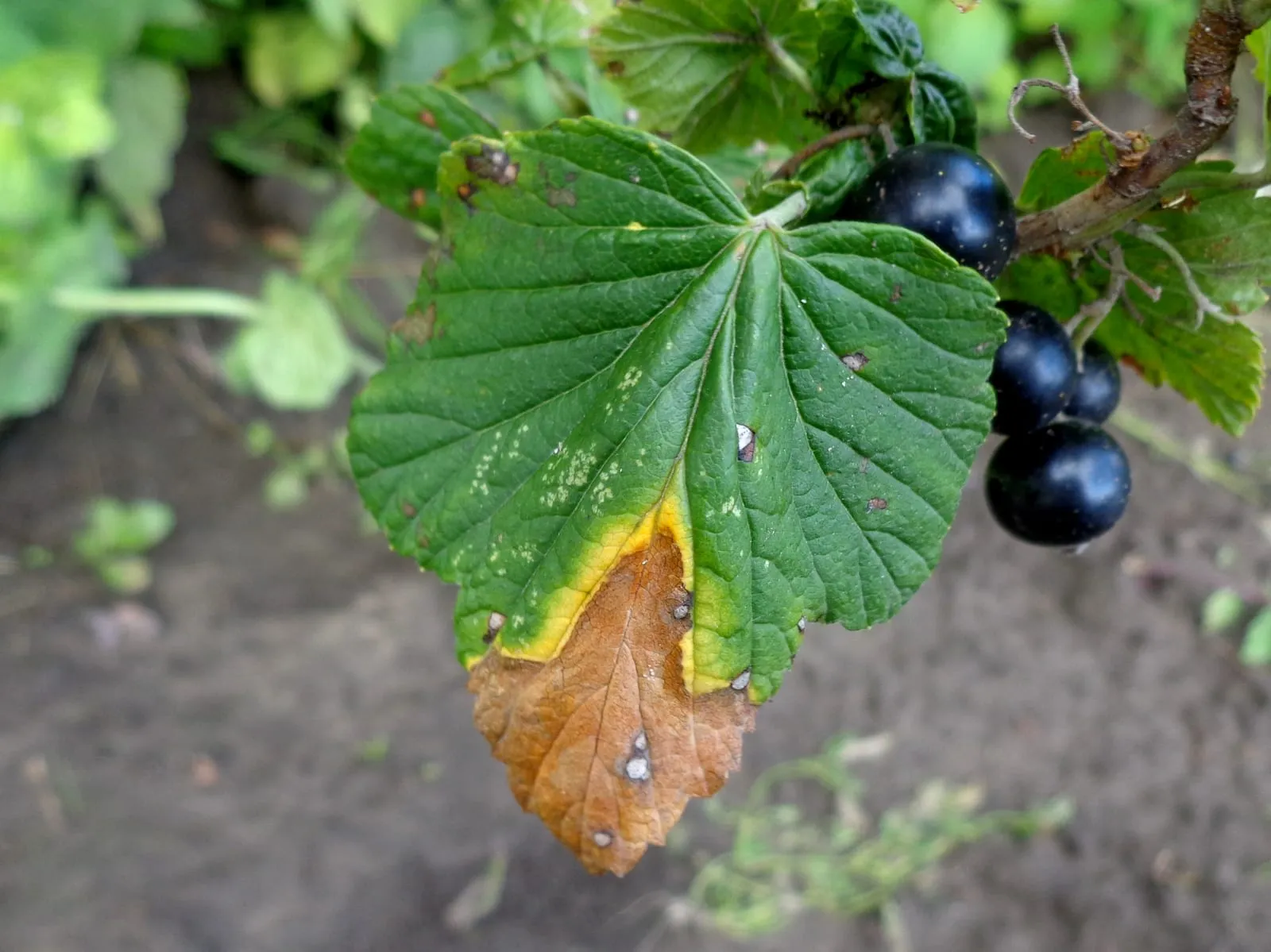
Didymella applanata
Fungal disease that produces purple-brown lesions at leaf nodes on red and yellow raspberry canes, weakening fruiting laterals.
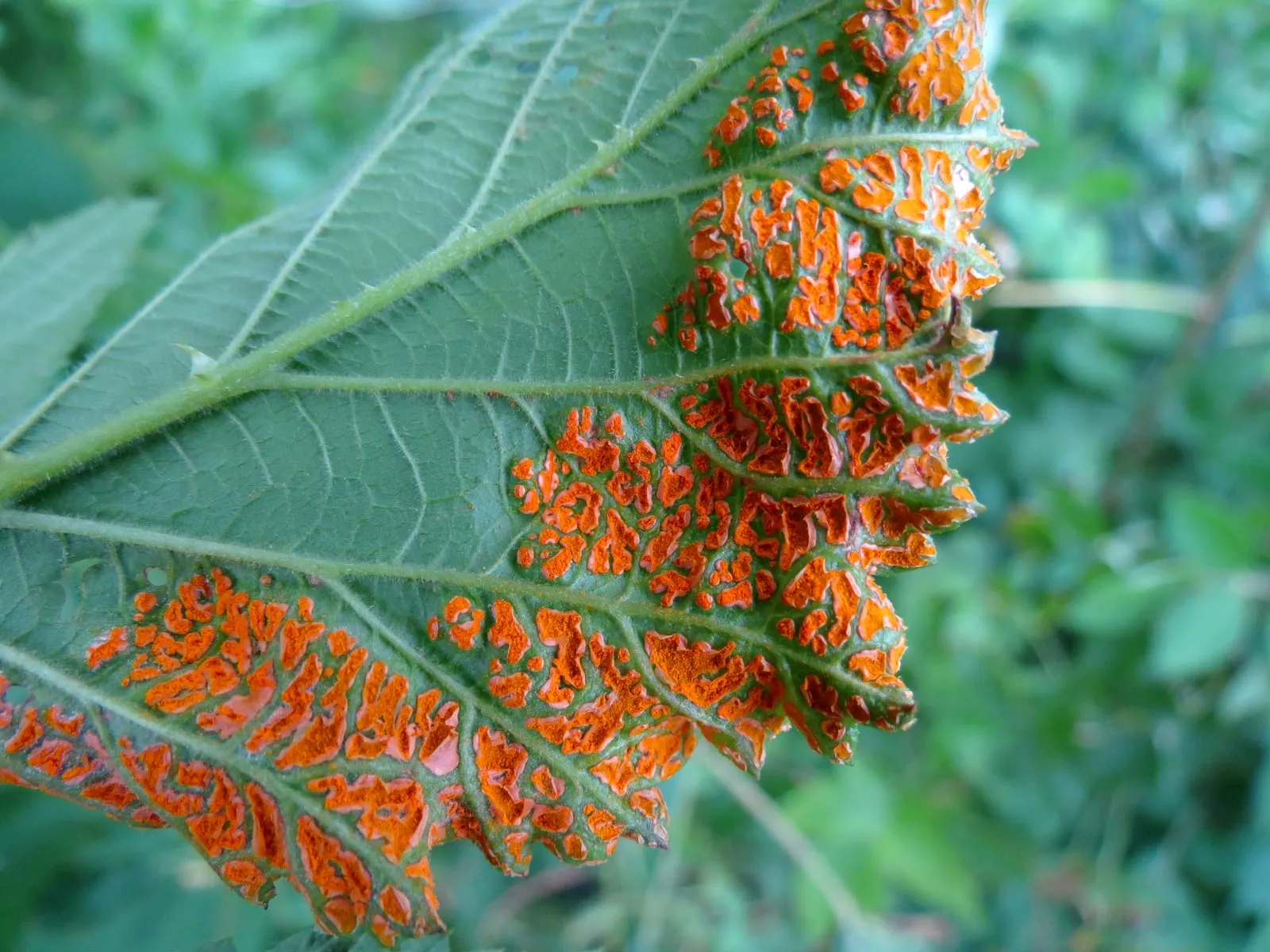
Arthuriomyces peckianus
Systemic fungal disease that permanently infects black raspberries and blackberries (not red raspberry); infected plants must be removed entirely.
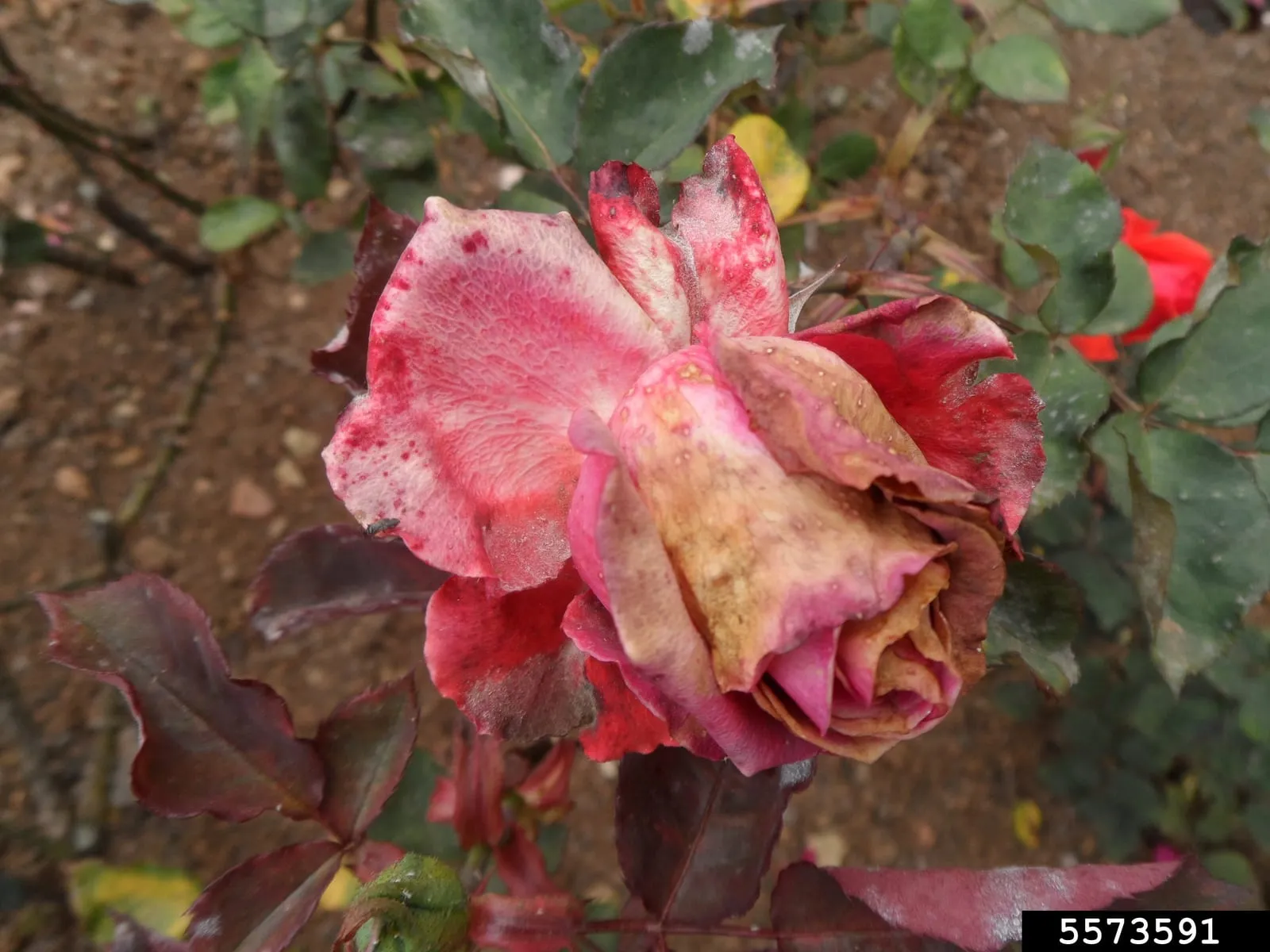
Botrytis cinerea
Ubiquitous fungal disease that causes fruit rot during cool wet weather, often the dominant berry disease in humid regions.
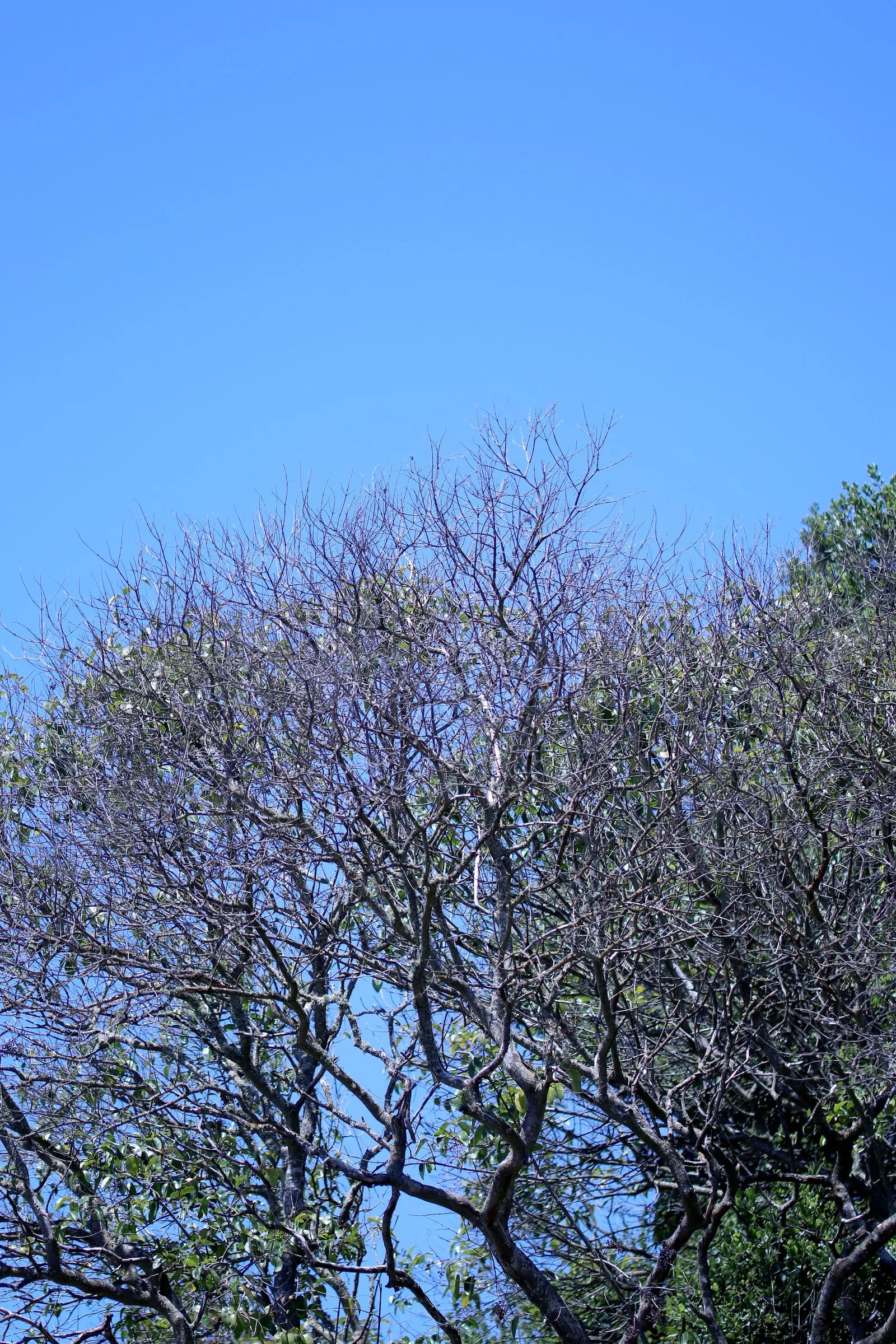
Phytophthora species
Soil-borne water mold that destroys roots in waterlogged soils, the leading cause of blueberry decline in poorly drained sites.
Modified care for zone 3b
The primary management adjustment in zone 3b is cane protection over winter. Where snow is reliable, bending canes and pinning them to the ground before freeze-up provides effective insulation. Where snow is variable, wrapping canes with burlap or applying a thick straw mulch around the crown reduces desiccation injury.
Site selection carries more weight than in milder zones. A south or southeast-facing slope improves heat accumulation and accelerates harvest timing, which matters when the season is 100 days or shorter. Avoid frost pockets and low-lying areas where cold air pools.
Disease management emphasis shifts somewhat in zone 3b. Phytophthora root rot remains a concern in poorly drained soils, and Gray Mold (Botrytis) can be severe in cool, damp summers. Spacing canes for maximum airflow and avoiding overhead irrigation during ripening reduces Botrytis pressure. Cane Anthracnose and Cane Blight are more prevalent where winters injure bark, so prompt removal of damaged canes in spring is important.
Frequently asked questions
- Can yellow raspberry survive zone 3b winters?
Yes, with preparation. Hardy varieties like Fall Gold and Honey Queen tolerate the cold, but canes exposed above the snowline can desiccate or suffer bark injury at -30°F and below. Pinning canes under snow cover before freeze-up is the most effective and low-cost protection in zone 3b.
- Which yellow raspberry variety performs best in zone 3b?
Fall Gold is the stronger choice for zone 3b. As a primocane-bearing variety, it fruits on first-year growth rather than overwintered canes, so winter cane loss has less impact on the harvest. It also ripens in late summer, fitting the short season well.
- Is the growing season long enough for yellow raspberry in zone 3b?
Barely, for floricane (summer-bearing) varieties. The 100-day season is workable but leaves little margin for a cold spring. Primocane-bearing varieties like Fall Gold are a safer fit because they produce fruit on the same season's growth and don't depend on canes surviving the previous winter intact.
- What diseases should zone 3b growers watch for with yellow raspberry?
Gray Mold (Botrytis) is the most common problem in cool, damp summers. Cane Blight and Cane Anthracnose become more prevalent when winter injury opens bark entry points. Remove damaged canes promptly in spring and space plantings for airflow to reduce pressure from both.
+−
+−
+−
+−
Yellow Raspberry in adjacent zones
Image: "Golden Raspberries", by Jonathan Cardy, via Wikimedia Commons, licensed under CC-BY-SA 3.0 Source.

Related