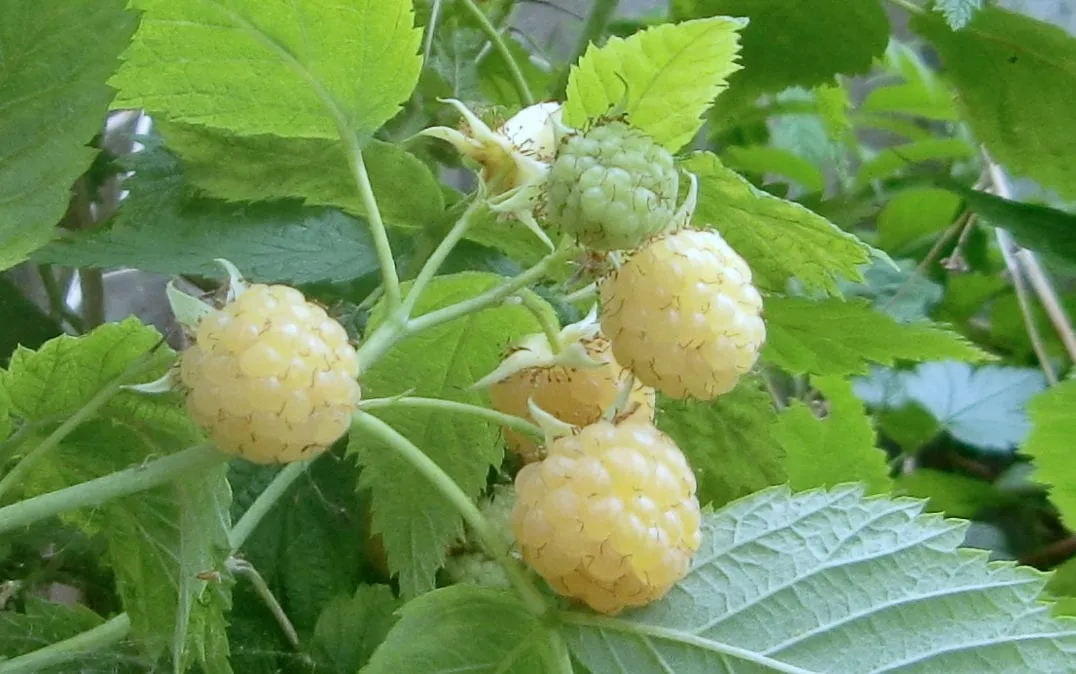
berry in zone 8a
Growing yellow raspberry in zone 8a
Rubus idaeus
- Zone
- 8a 10°F to 15°F
- Growing season
- 240 days
- Chill needed
- 800 to 1600 below 45°F
- Suitable varieties
- 0
- Days to harvest
- 30 to 50
The verdict
Zone 8a is a marginal zone for yellow raspberry. The crop requires 800 to 1,600 chill hours (hours below 45°F), and zone 8a accumulates roughly 400 to 800 hours depending on elevation, proximity to the coast, and annual weather patterns. Cooler 8a sites at higher elevation or inland locations may reliably reach the 800-hour minimum; warmer coastal and low-elevation locations often fall short. In chill-deficient years, canes may break dormancy unevenly, bear poorly, or produce undersized fruit clusters.
Everbearer (fall-bearing) types are meaningfully better suited to marginal-chill conditions than summer-bearing floricane varieties because they fruit on first-year primocanes rather than overwintered canes that depend on adequate chilling for reliable bud break. No low-chill varieties specific to zone 8a conditions have a strong published track record, so site selection and variety trialing carry more weight here than in northern growing regions where most yellow raspberry breeding has been focused.
Critical timing for zone 8a
In zone 8a, yellow raspberry floricanes typically begin blooming in late March to early April, several weeks ahead of the crop's schedule in zones 5 and 6. Last frost in zone 8a generally falls between mid-February and mid-March, which creates meaningful overlap with early bloom on some varieties. A frost event during open bloom can damage flower clusters and reduce fruit set on summer-bearing types.
Summer-bearing varieties reach first harvest from late May through June. Everbearing varieties produce their fall crop on new canes from late August through October, and that second flush is often the more reliable harvest in zone 8a because it sidesteps the spring frost window and, in many locations, benefits from cooler temperatures as the season winds down.
Common challenges in zone 8a
- ▸ Insufficient chill hours for some apple varieties
- ▸ Pierce's disease in grapes
- ▸ Heat stress on cool-season crops
Disease pressure to watch for
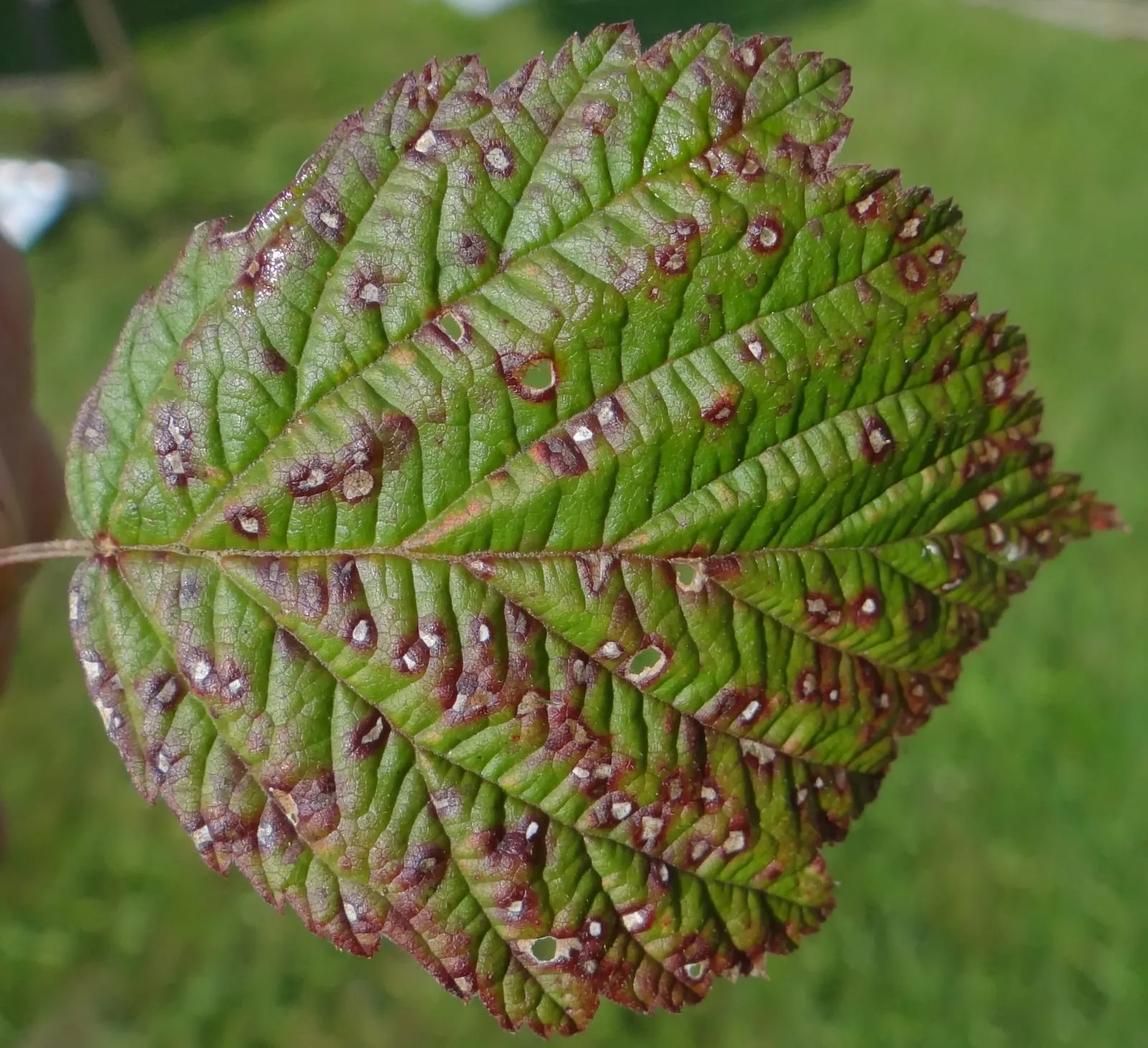
Elsinoe veneta
Fungal cane disease causing purple-bordered lesions that girdle and weaken bramble and Ribes canes, reducing yield over consecutive seasons.
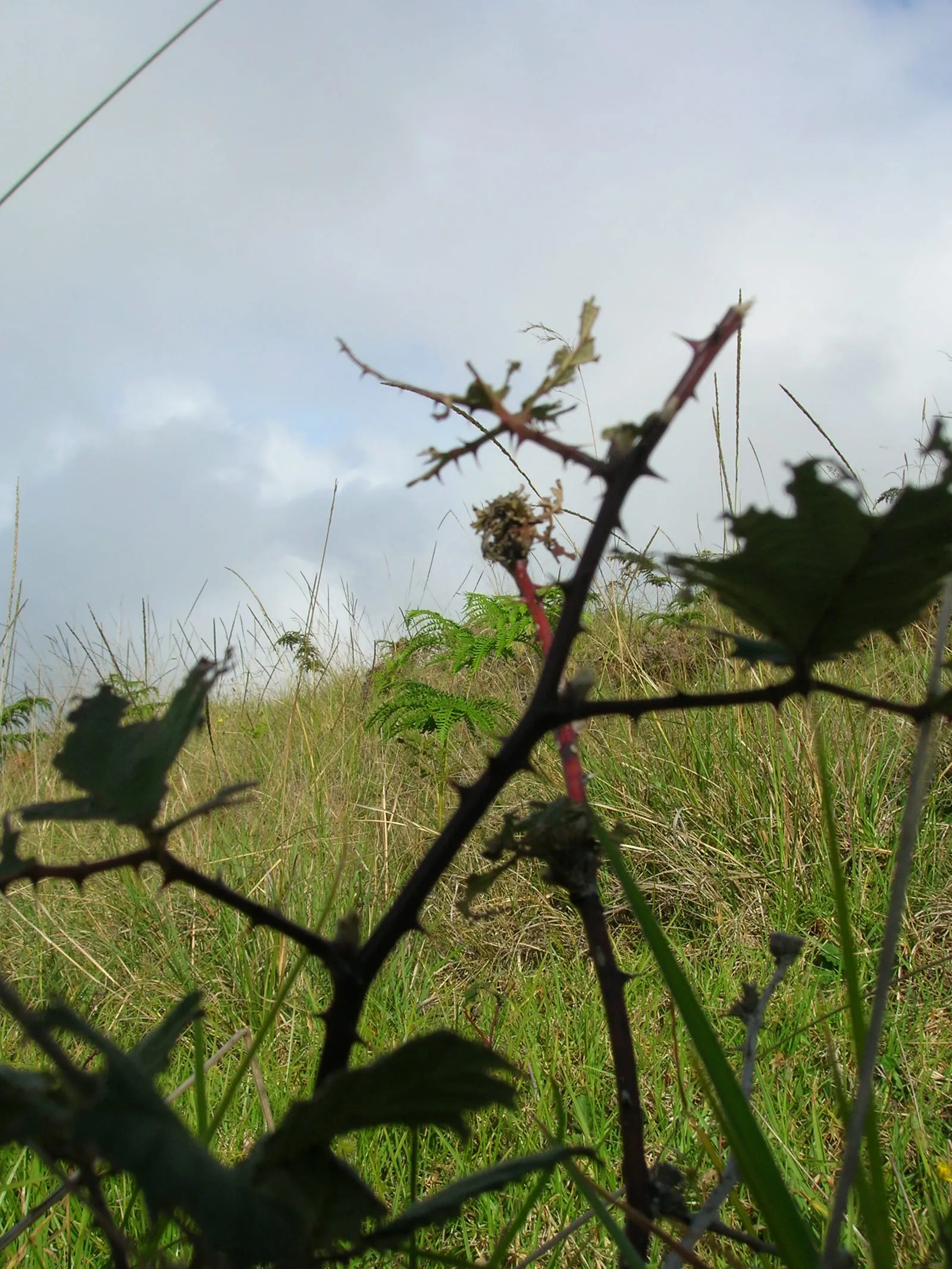
Leptosphaeria coniothyrium
Fungal disease that enters through wounds (often from cane-borer or pruning cuts) and causes dark cankers that wilt and kill canes.
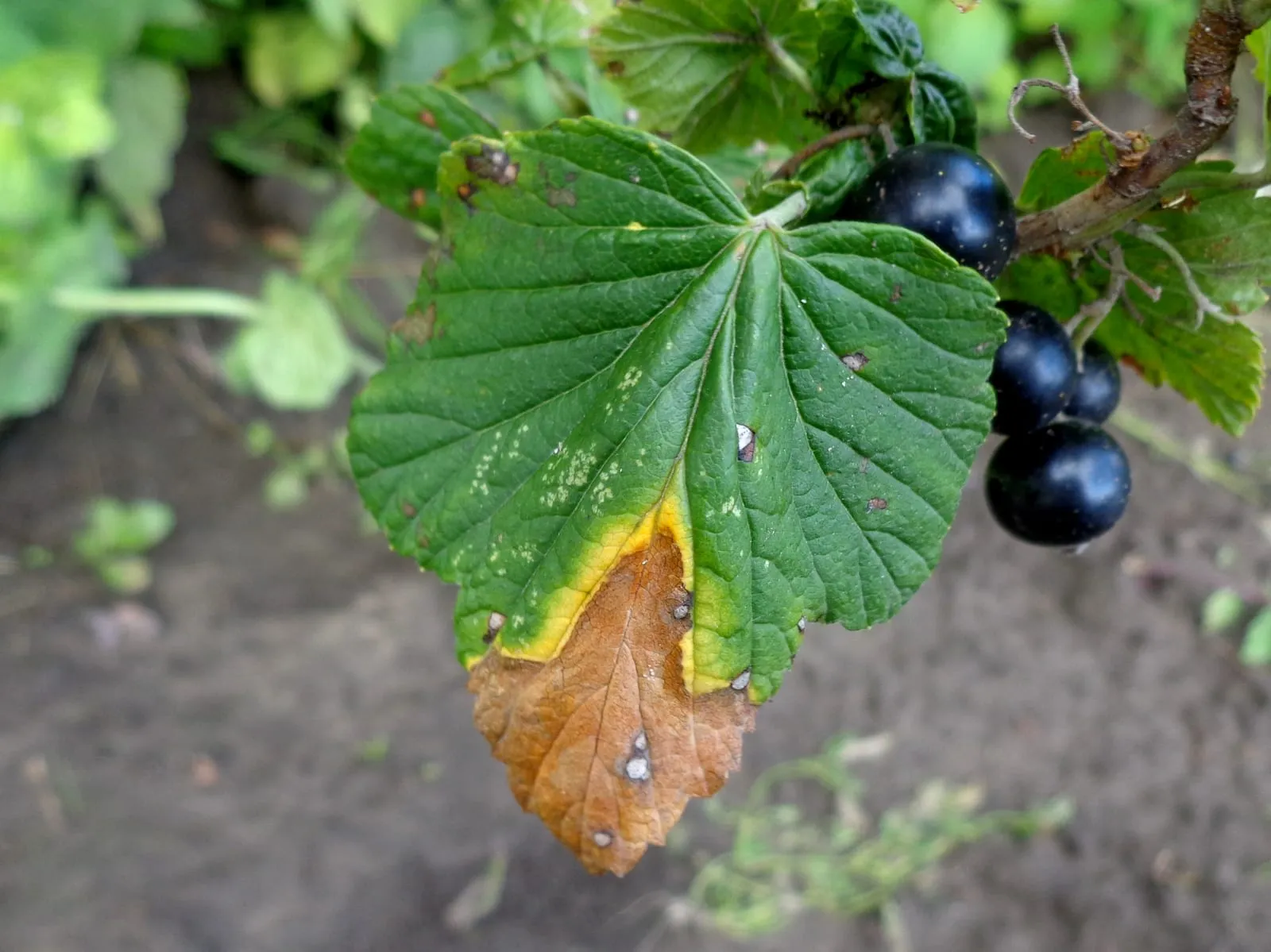
Didymella applanata
Fungal disease that produces purple-brown lesions at leaf nodes on red and yellow raspberry canes, weakening fruiting laterals.
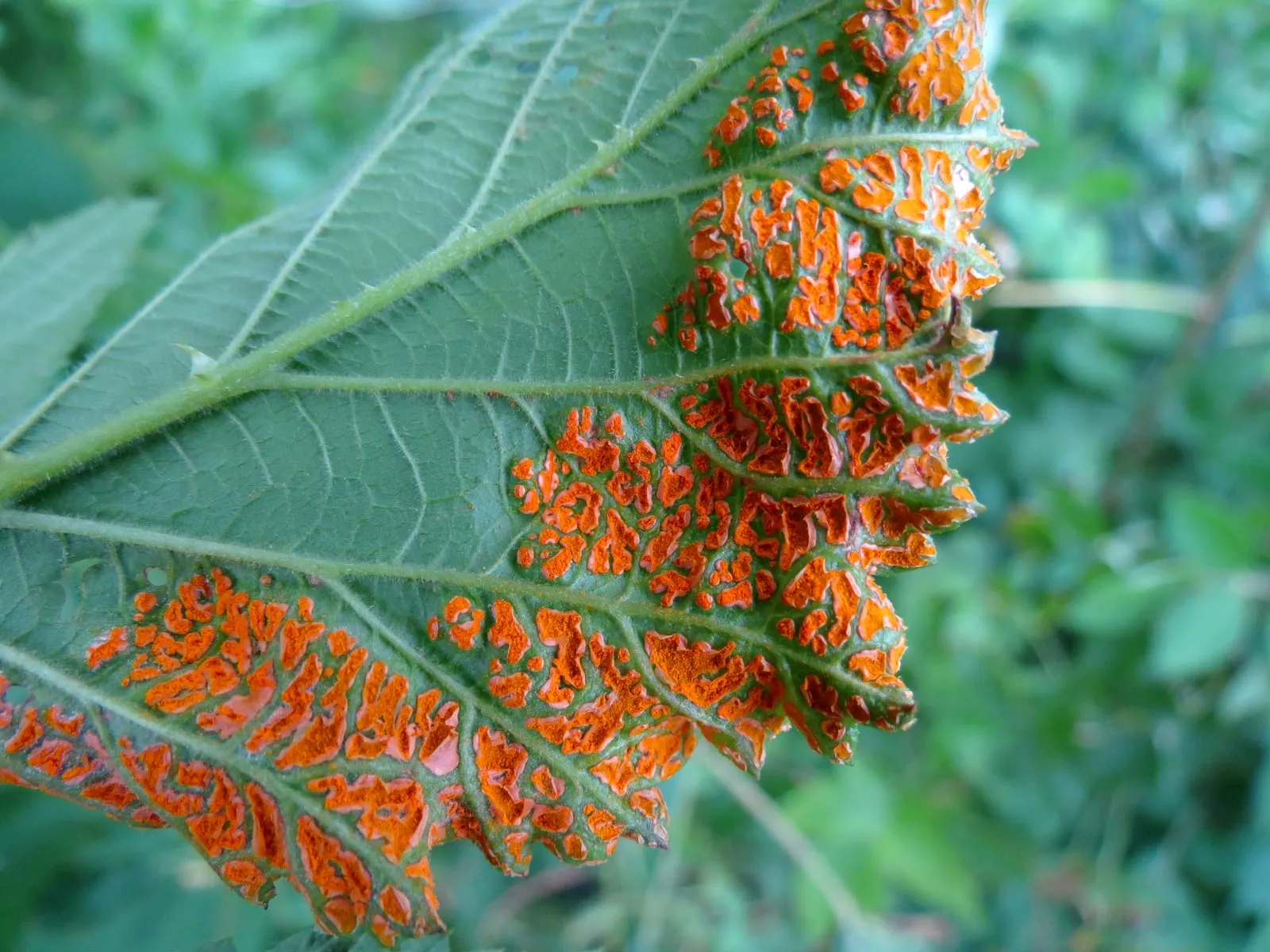
Arthuriomyces peckianus
Systemic fungal disease that permanently infects black raspberries and blackberries (not red raspberry); infected plants must be removed entirely.
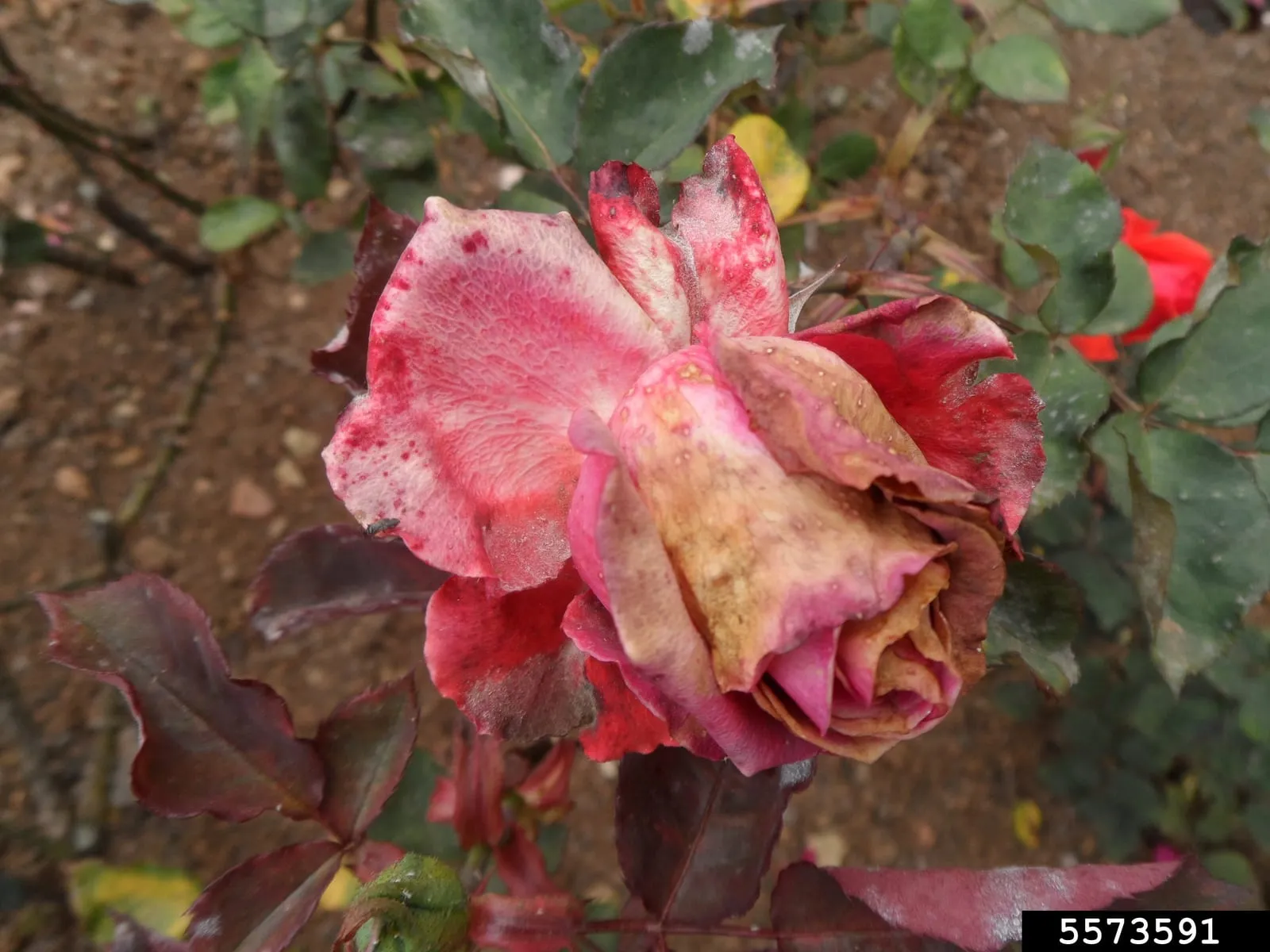
Botrytis cinerea
Ubiquitous fungal disease that causes fruit rot during cool wet weather, often the dominant berry disease in humid regions.
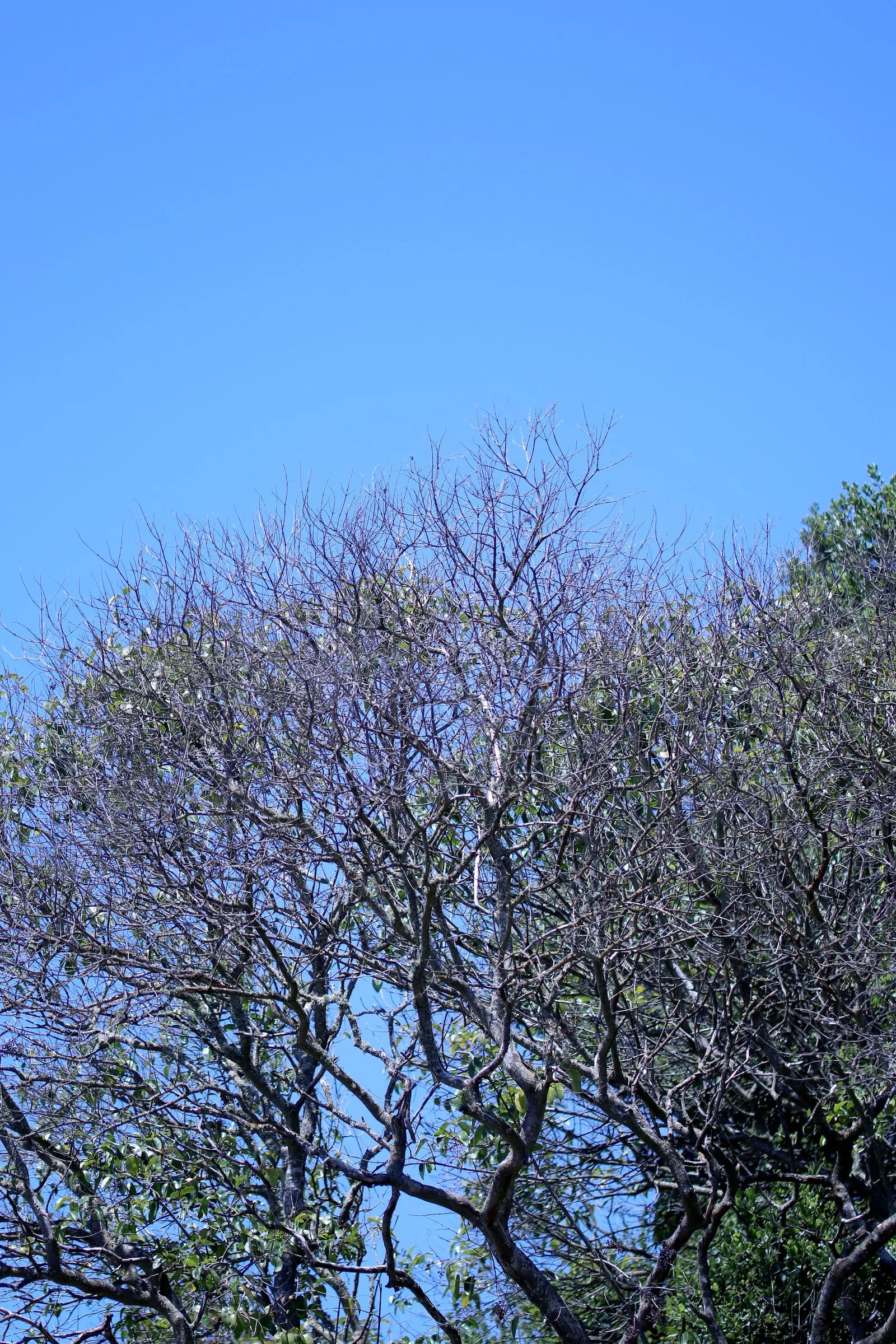
Phytophthora species
Soil-borne water mold that destroys roots in waterlogged soils, the leading cause of blueberry decline in poorly drained sites.
Modified care for zone 8a
The primary management shift in zone 8a is toward disease pressure. Gray Mold (Botrytis), Orange Rust, and the cane diseases (Cane Anthracnose, Cane Blight, Spur Blight) intensify under zone 8a's combination of wet springs and humid summers. Thinning canes to four or five per linear foot and removing spent floricanes promptly after harvest both improve airflow and reduce fungal inoculum.
Phytophthora Root Rot is a serious risk in heavier soils receiving zone 8a's summer rainfall totals. Raised beds or well-mounded rows with amendments to improve drainage are worth the effort at planting time, as this pathogen is difficult to manage once established. On heat, afternoon shade during June and July reduces stress on developing fruit; an east-facing or north-facing planting exposure is preferable to full western sun in warmer parts of the zone.
Frequently asked questions
- Can yellow raspberry grow in zone 8a?
It depends on site conditions. Zone 8a accumulates 400 to 800 chill hours annually in most locations, and yellow raspberry requires 800 to 1,600. Cooler inland and elevated 8a sites can meet the minimum; warmer coastal sites often cannot. Everbearing varieties tolerate marginal chill better than summer-bearing types and are generally the safer choice.
- What diseases should zone 8a yellow raspberry growers watch for?
Gray Mold (Botrytis), Orange Rust, Cane Blight, and Phytophthora Root Rot are the primary concerns. Zone 8a's humid summers and heavy soils in many areas create favorable conditions for all four. Aggressive cane thinning, raised-bed planting, and prompt removal of diseased material are the core prevention strategies.
- When does yellow raspberry produce fruit in zone 8a?
Summer-bearing varieties typically ripen from late May through June. Everbearing varieties produce a fall crop on new canes from late August through October. The fall crop is often more consistent in zone 8a because it avoids spring frost risk and benefits from cooler late-season temperatures.
+−
+−
+−
Yellow Raspberry in adjacent zones
Image: "Golden Raspberries", by Jonathan Cardy, via Wikimedia Commons, licensed under CC-BY-SA 3.0 Source.

Related