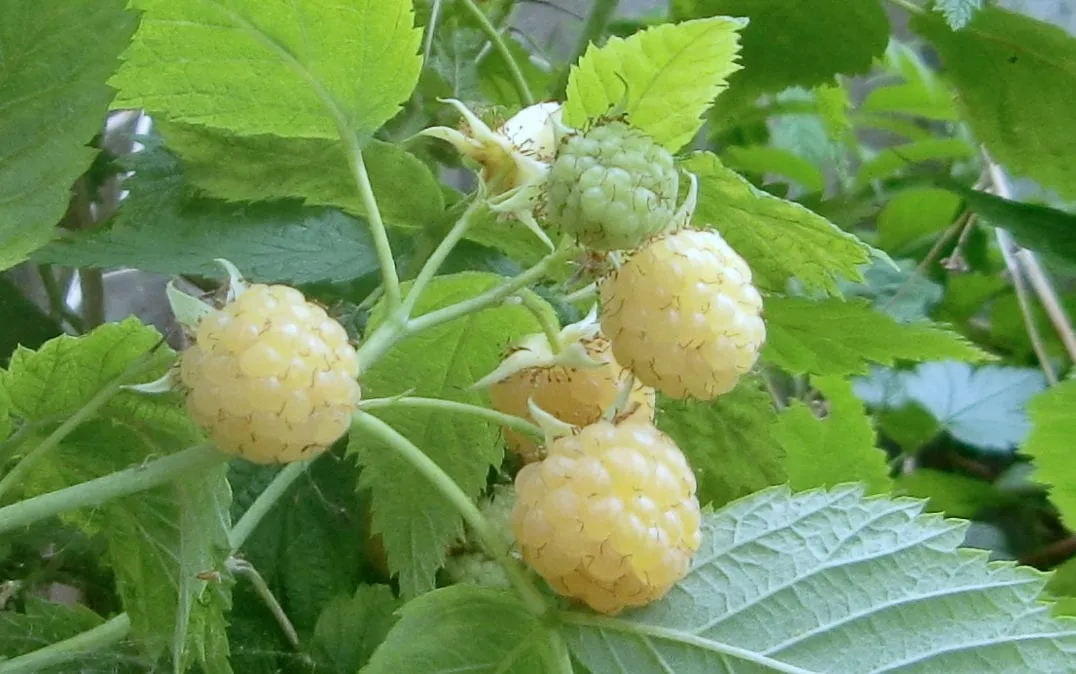
berry in zone 7b
Growing yellow raspberry in zone 7b
Rubus idaeus
- Zone
- 7b 5°F to 10°F
- Growing season
- 220 days
- Chill needed
- 800 to 1600 below 45°F
- Suitable varieties
- 1
- Days to harvest
- 30 to 50
The verdict
Zone 7b sits at the warm edge of yellow raspberry's viable range. The crop requires 800 to 1,600 chill hours depending on variety, and zone 7b typically accumulates 900 to 1,100 chill hours across most winters. That places the zone in the lower third of the species' chill requirement window, which makes variety selection more consequential than in cooler zones.
'Anne', the primary yellow raspberry suited to this zone, is a primocane type that fruits on first-year canes rather than overwintered floricanes. This growth habit reduces dependence on precise dormancy fulfillment, which is what makes it usable in zone 7b when higher-chill varieties would underperform.
The 220-day growing season is not the limiting factor here. The main challenge is summer heat and humidity, which drive disease pressure from Cane Anthracnose, Gray Mold, and Phytophthora Root Rot to levels that require active management. Zone 7b is workable for yellow raspberry with the right variety and site preparation, but it is not a sweet spot.
Recommended varieties for zone 7b
1 cultivar suited to this zone, with disease-resistance and zone-fit annotations.
| Variety | Notes | Zone fit | Disease resistance |
|---|---|---|---|
| Anne fits zone 7b | Honey-sweet, mild, blush-yellow berries with apricot undertones; fresh eating standout, very low acid. Everbearing, primary fall crop. The benchmark yellow raspberry. | | none noted |
Critical timing for zone 7b
In zone 7b, yellow raspberry floricanes break dormancy in late February to early March, with bloom typically following in April. The average last frost in zone 7b falls between mid-March and early April, which means late frosts can clip open blossoms in a cold spring. This is the primary spring risk for floricane production.
For 'Anne' (a primocane type), the relevant timing shifts entirely to late summer and fall. First-year canes initiate flowering as day length shortens in late July to early August, with harvest running from August through October. This window sidesteps spring frost risk and takes full advantage of zone 7b's 220-day frost-free period, which comfortably accommodates complete primocane development before the first fall freeze.
Common challenges in zone 7b
- ▸ Cedar-apple rust pressure heavy in piedmont
- ▸ Japanese beetles
- ▸ Brown marmorated stink bug
- ▸ Late summer disease pressure
Disease pressure to watch for
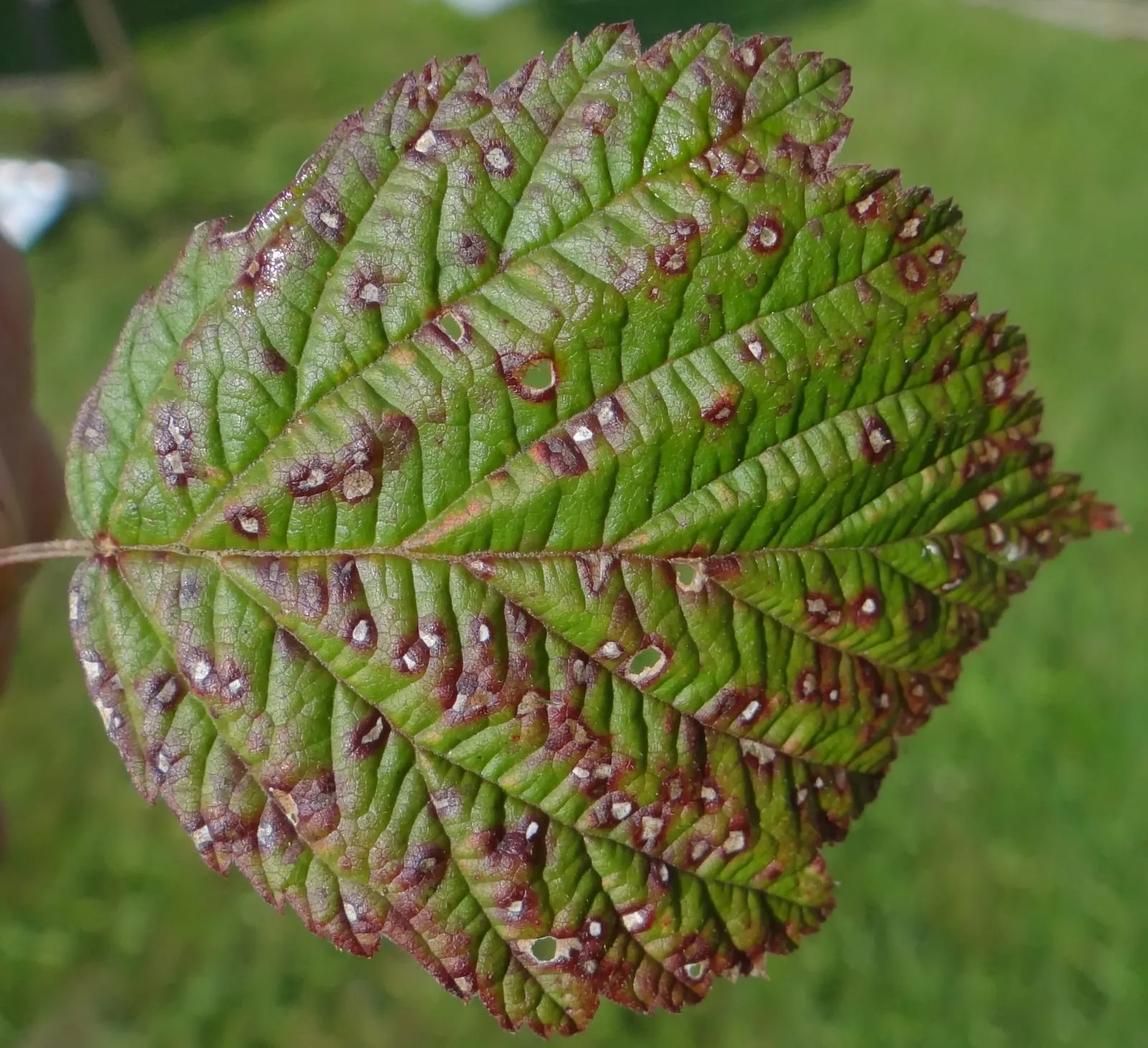
Elsinoe veneta
Fungal cane disease causing purple-bordered lesions that girdle and weaken bramble and Ribes canes, reducing yield over consecutive seasons.
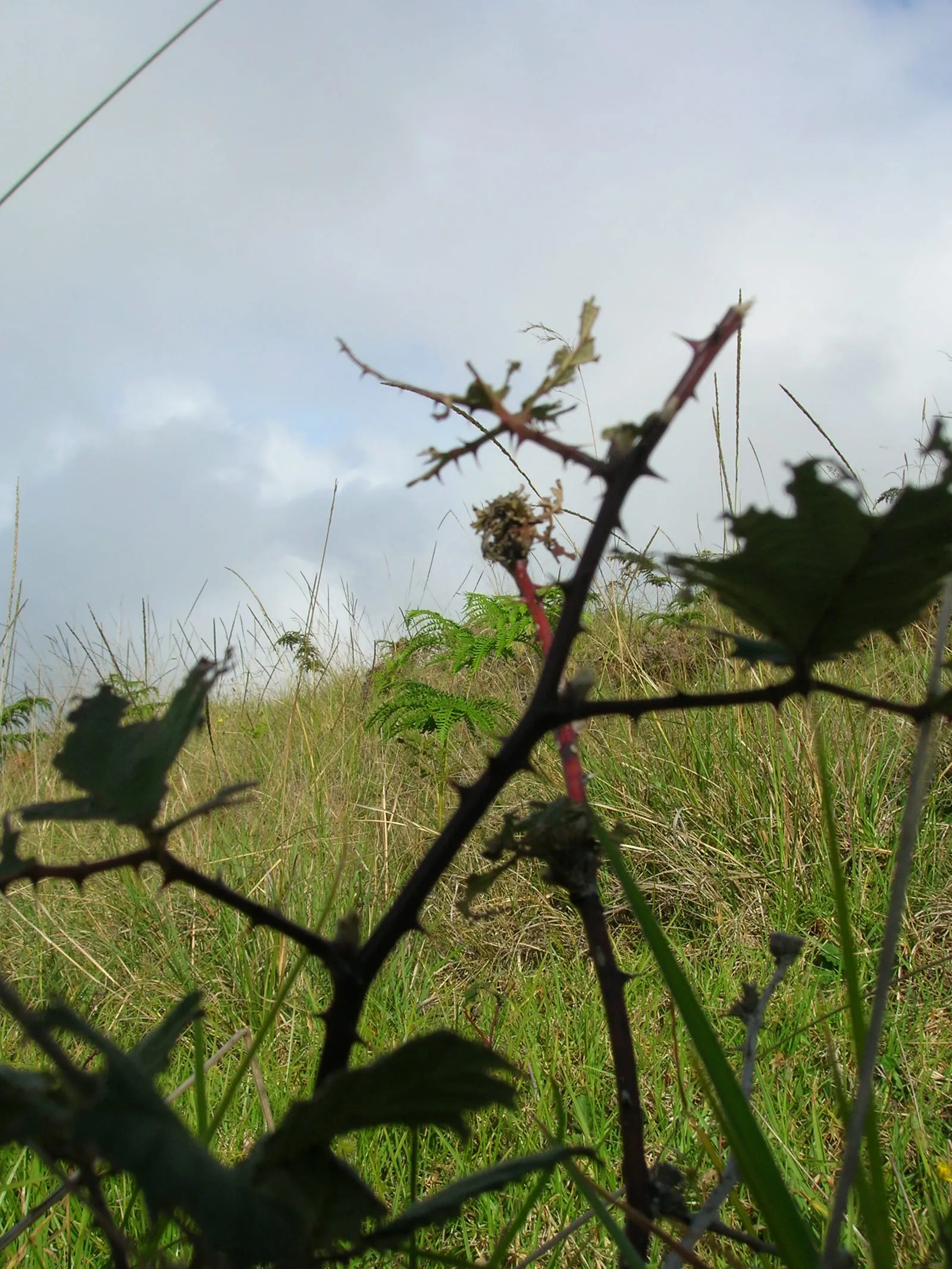
Leptosphaeria coniothyrium
Fungal disease that enters through wounds (often from cane-borer or pruning cuts) and causes dark cankers that wilt and kill canes.
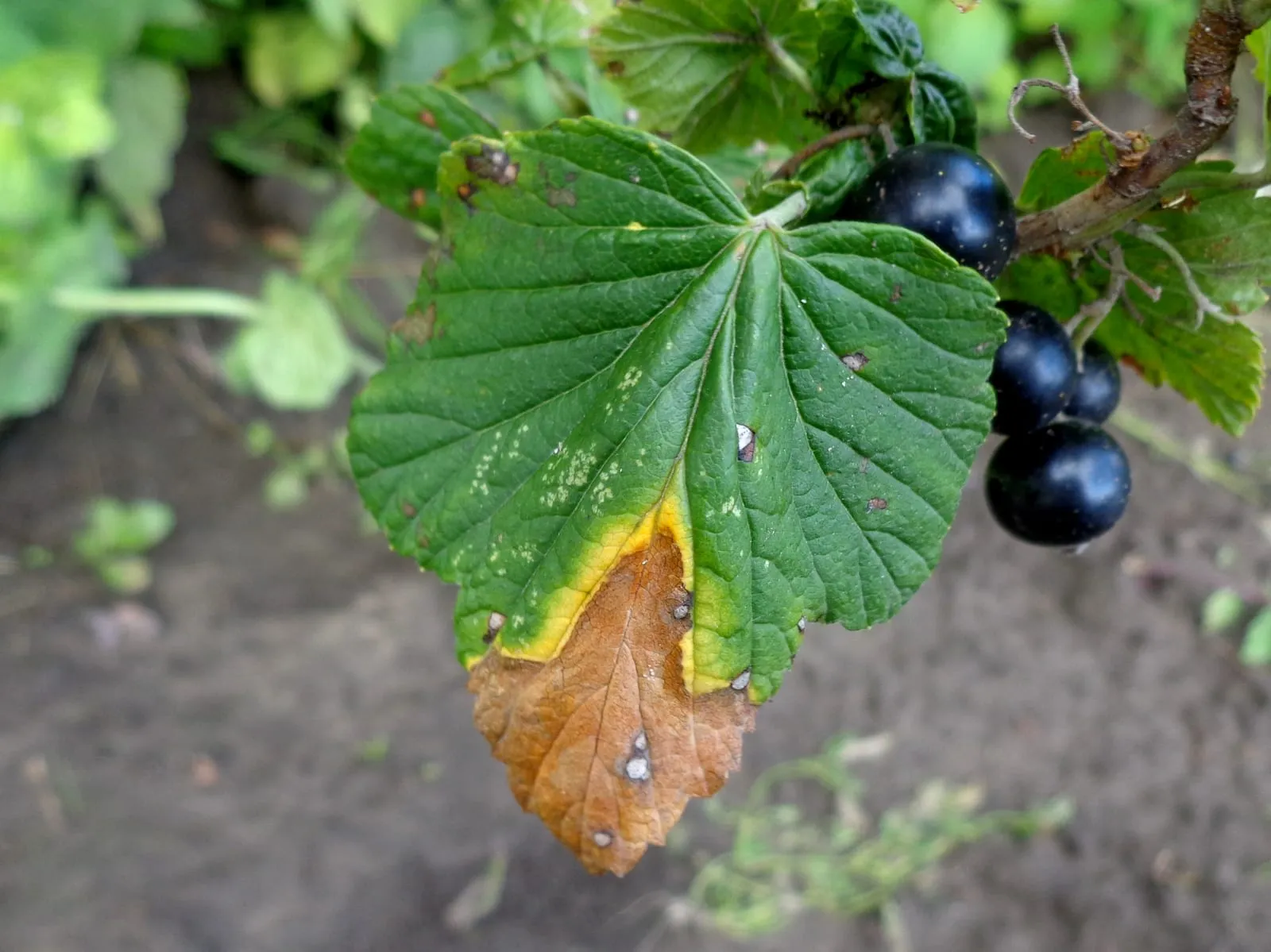
Didymella applanata
Fungal disease that produces purple-brown lesions at leaf nodes on red and yellow raspberry canes, weakening fruiting laterals.
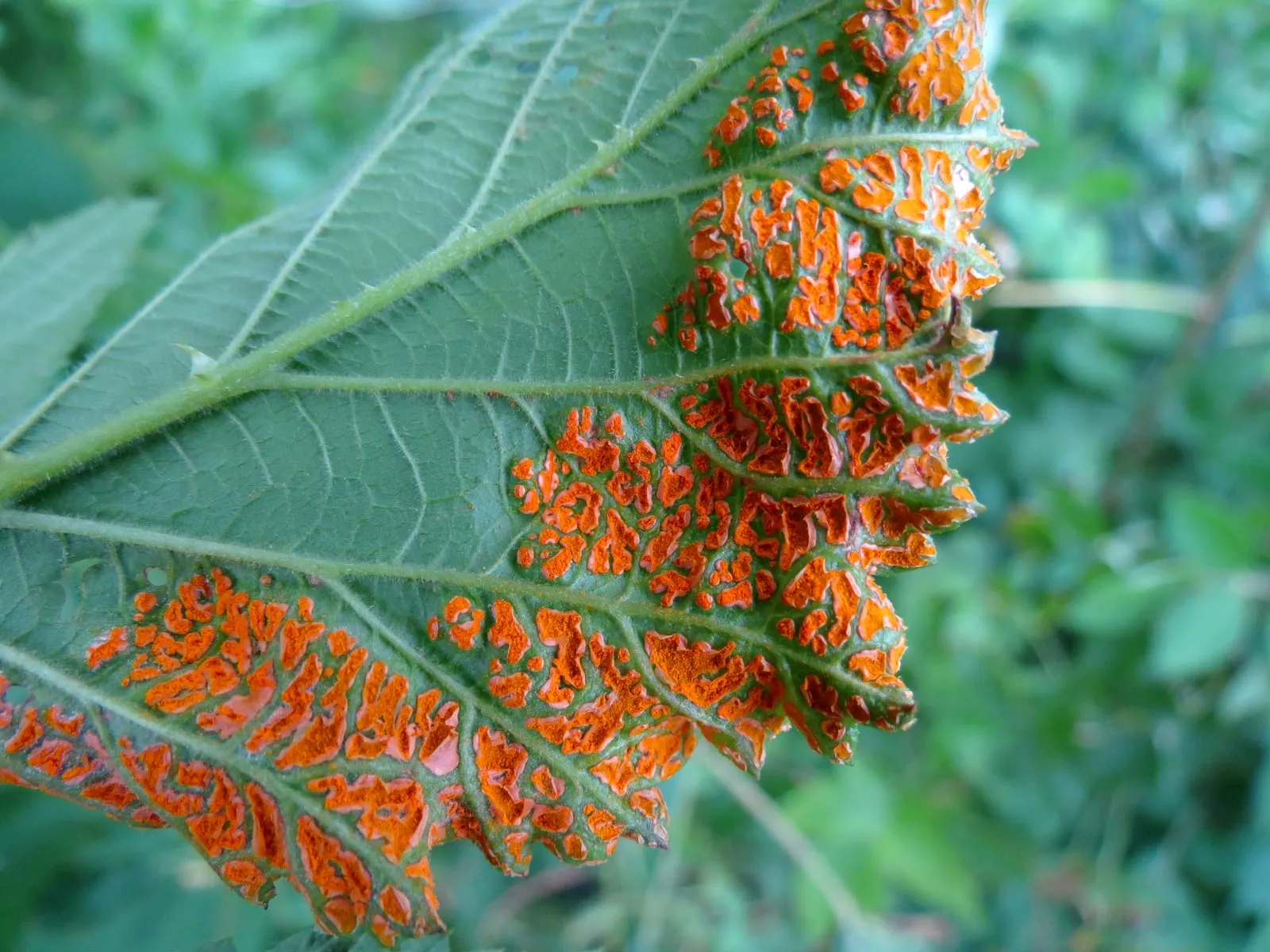
Arthuriomyces peckianus
Systemic fungal disease that permanently infects black raspberries and blackberries (not red raspberry); infected plants must be removed entirely.
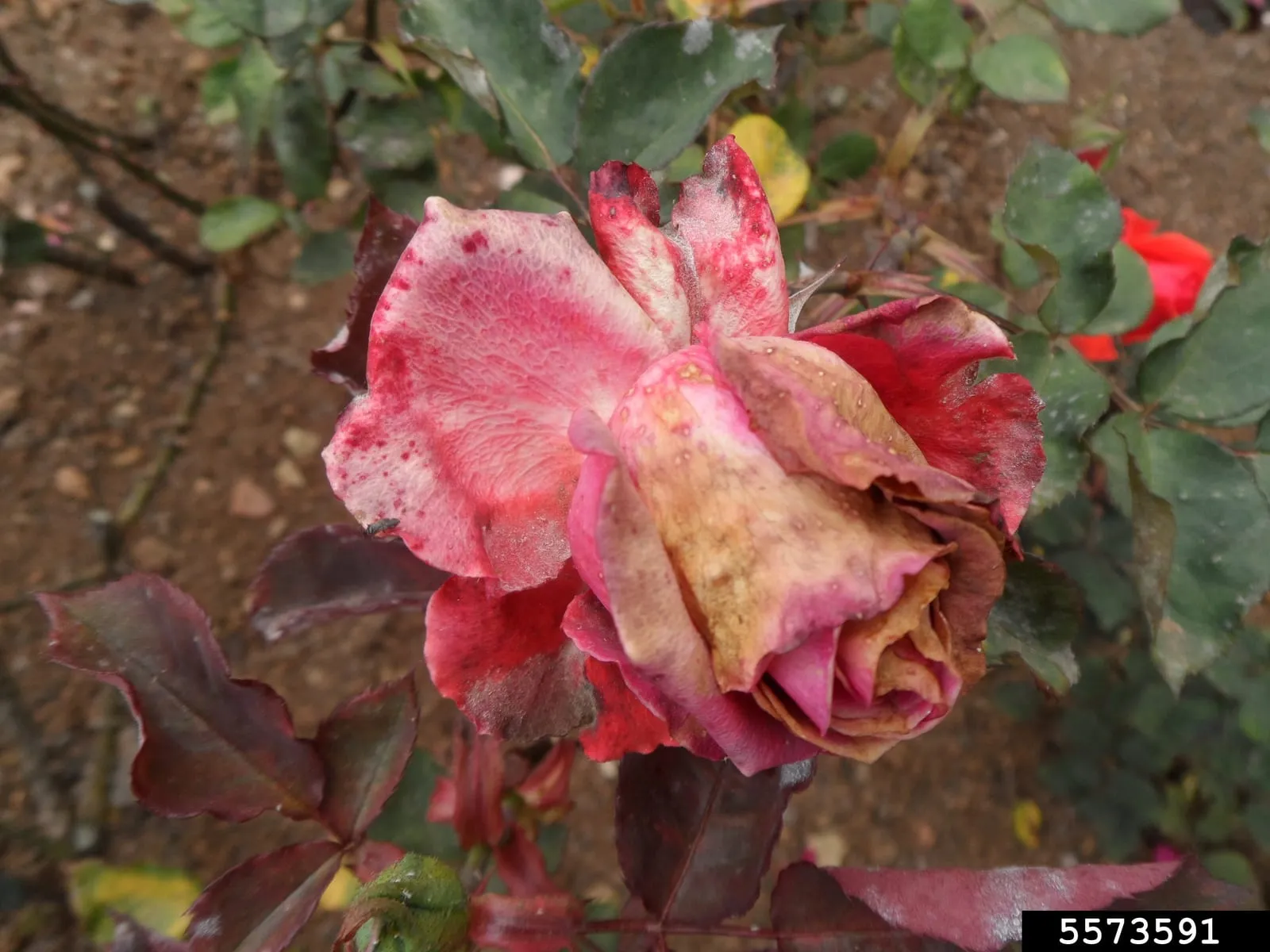
Botrytis cinerea
Ubiquitous fungal disease that causes fruit rot during cool wet weather, often the dominant berry disease in humid regions.
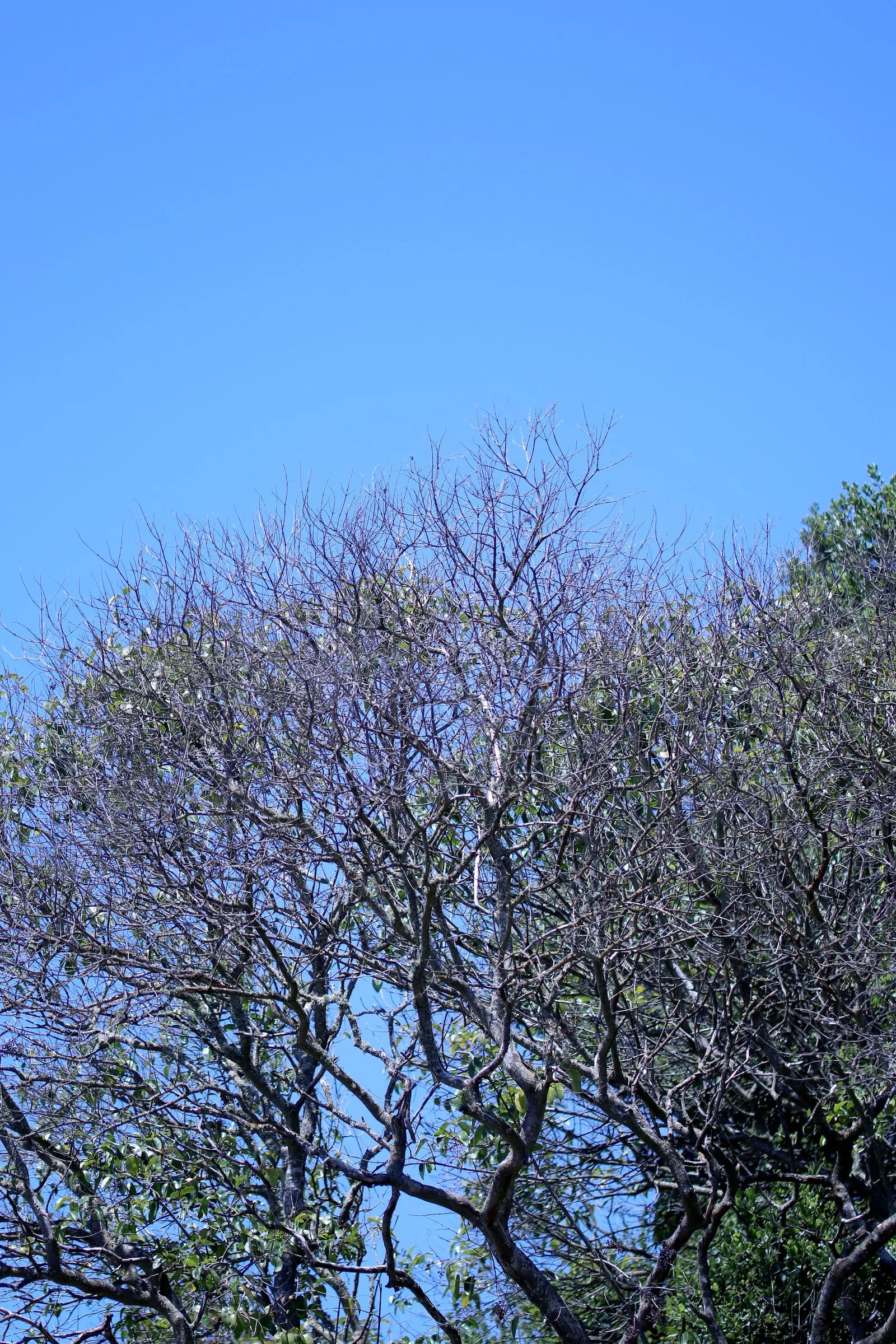
Phytophthora species
Soil-borne water mold that destroys roots in waterlogged soils, the leading cause of blueberry decline in poorly drained sites.
Modified care for zone 7b
Zone 7b growers face higher disease pressure than growers in cooler, drier climates to the north. High summer humidity accelerates Cane Anthracnose, Spur Blight, and Gray Mold; wider cane spacing and drip irrigation in place of overhead watering are more consequential here than in zones 5 or 6.
Phytophthora Root Rot is a serious concern in the clay soils common to the piedmont. Raised beds or mounded rows with well-amended drainage are not optional in heavy soils. Orange Rust, once established in a planting, has no effective chemical control and requires removal of infected plants to prevent spread.
Japanese beetles and Brown Marmorated Stink Bug both peak in July through August, coinciding with primocane development and early fruit set. Row covers or regular scouting and removal reduce fruit damage. Winter cold in zone 7b rarely requires cane protection, but mulching the crown before hard freezes approaching 5°F provides a reasonable margin.
Yellow Raspberry in adjacent zones
Image: "Golden Raspberries", by Jonathan Cardy, via Wikimedia Commons, licensed under CC-BY-SA 3.0 Source.

Related