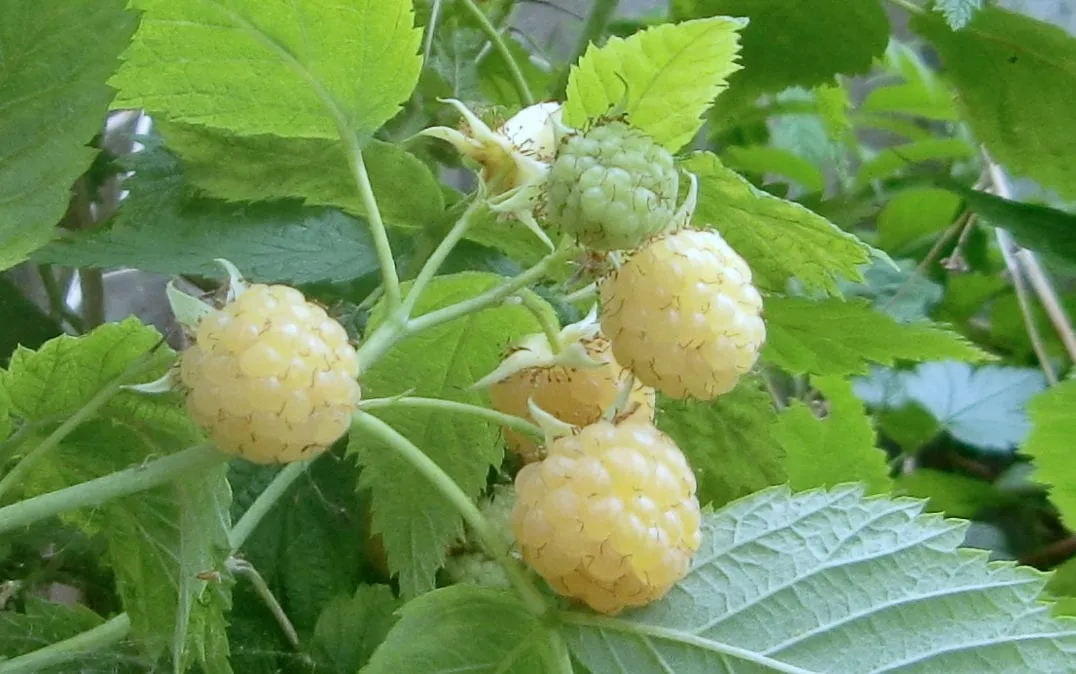
berry in zone 7a
Growing yellow raspberry in zone 7a
Rubus idaeus
- Zone
- 7a 0°F to 5°F
- Growing season
- 210 days
- Chill needed
- 800 to 1600 below 45°F
- Suitable varieties
- 2
- Days to harvest
- 30 to 50
The verdict
Zone 7a sits at the warmer edge of yellow raspberry's comfortable range. The crop requires 800 to 1,600 chill hours annually, and zone 7a locations typically accumulate 600 to 1,000 hours depending on elevation, aspect, and proximity to urban heat. Growers in cooler pockets of the zone (higher elevations, north-facing slopes) will hit the 800-hour minimum consistently. In warmer lowland sites, mild winters can push chill accumulation below threshold, producing delayed or uneven bud break the following spring.
Of the two varieties suited to this zone, Anne is the more reliable choice. It is an everbearing type bred for performance where chill accumulation is variable. Kiwi Gold is compatible but more sensitive to site conditions and warrants careful placement. Zone 7a is workable for yellow raspberry but is not a sweet spot; expect more year-to-year variation in vigor and yield than growers in zones 5 or 6 experience.
Recommended varieties for zone 7a
2 cultivars suited to this zone, with disease-resistance and zone-fit annotations.
| Variety | Notes | Zone fit | Disease resistance |
|---|---|---|---|
| Anne fits zone 7a | Honey-sweet, mild, blush-yellow berries with apricot undertones; fresh eating standout, very low acid. Everbearing, primary fall crop. The benchmark yellow raspberry. | | none noted |
| Kiwi Gold fits zone 7a | Sweet, mild, firm yellow berries with a touch of acidity; fresh and freezing. Everbearing, productive late-season crop with clean flavor. | | none noted |
Critical timing for zone 7a
Zone 7a's last spring frost typically falls between late March and mid-April. Yellow raspberry canes break bud and begin flowering in early-to-mid April, which can overlap with late frost events in colder years. Floating row cover kept on hand through the first week of April provides reasonable insurance for early-blooming canes.
The 210-day growing season supports two distinct harvest windows for everbearing types like Anne. The first-flush floricane crop arrives in late June through July; summer heat in zone 7a can compress this window, with berry quality peaking in the cooler early portion. The fall primocane crop runs from late August into October. First fall frost in zone 7a typically arrives in late October to early November, which usually allows the fall harvest to complete before a hard freeze.
Common challenges in zone 7a
- ▸ Cedar-apple rust
- ▸ Brown rot
- ▸ Fire blight
- ▸ High humidity disease pressure
Disease pressure to watch for
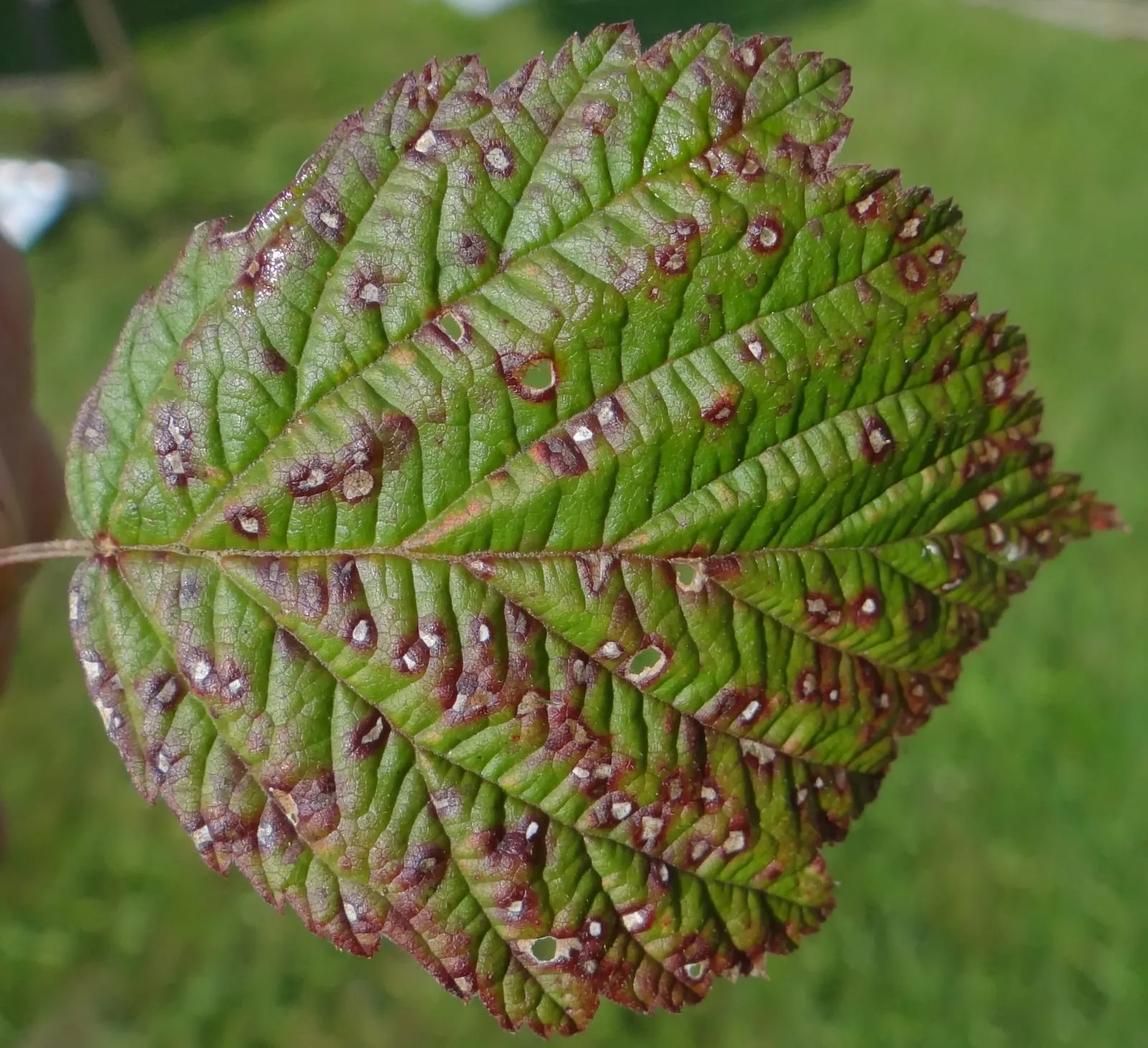
Elsinoe veneta
Fungal cane disease causing purple-bordered lesions that girdle and weaken bramble and Ribes canes, reducing yield over consecutive seasons.
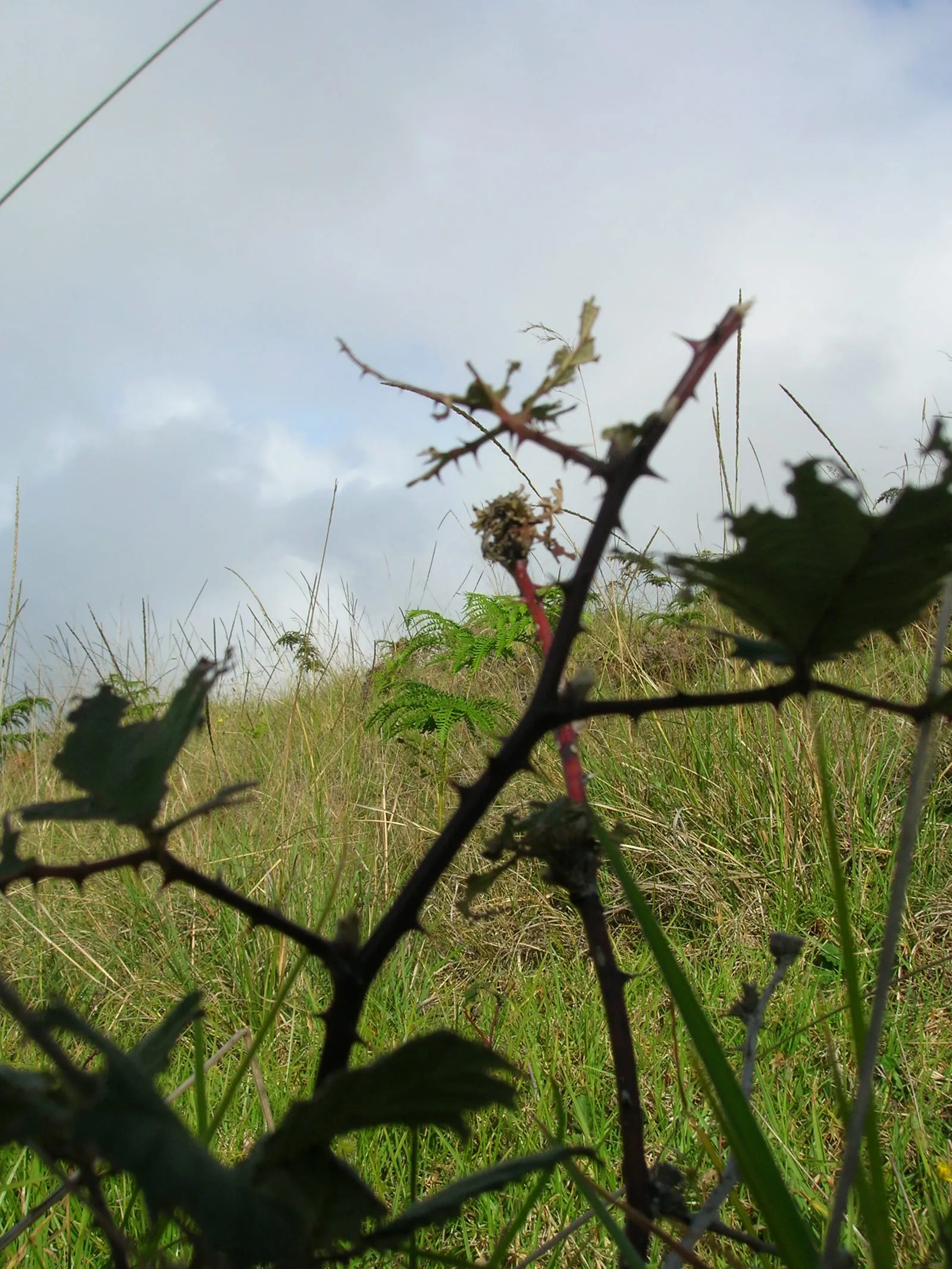
Leptosphaeria coniothyrium
Fungal disease that enters through wounds (often from cane-borer or pruning cuts) and causes dark cankers that wilt and kill canes.
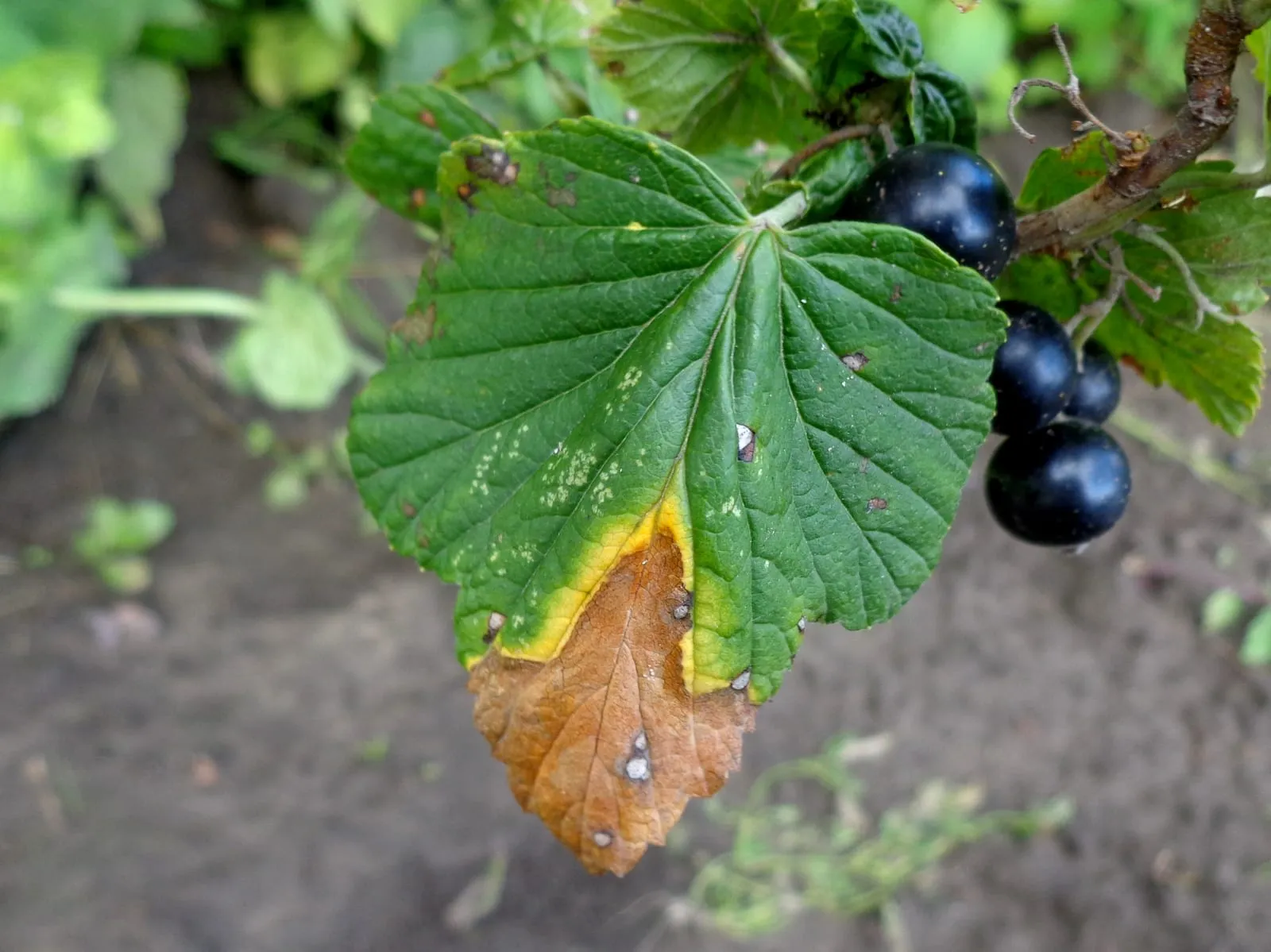
Didymella applanata
Fungal disease that produces purple-brown lesions at leaf nodes on red and yellow raspberry canes, weakening fruiting laterals.
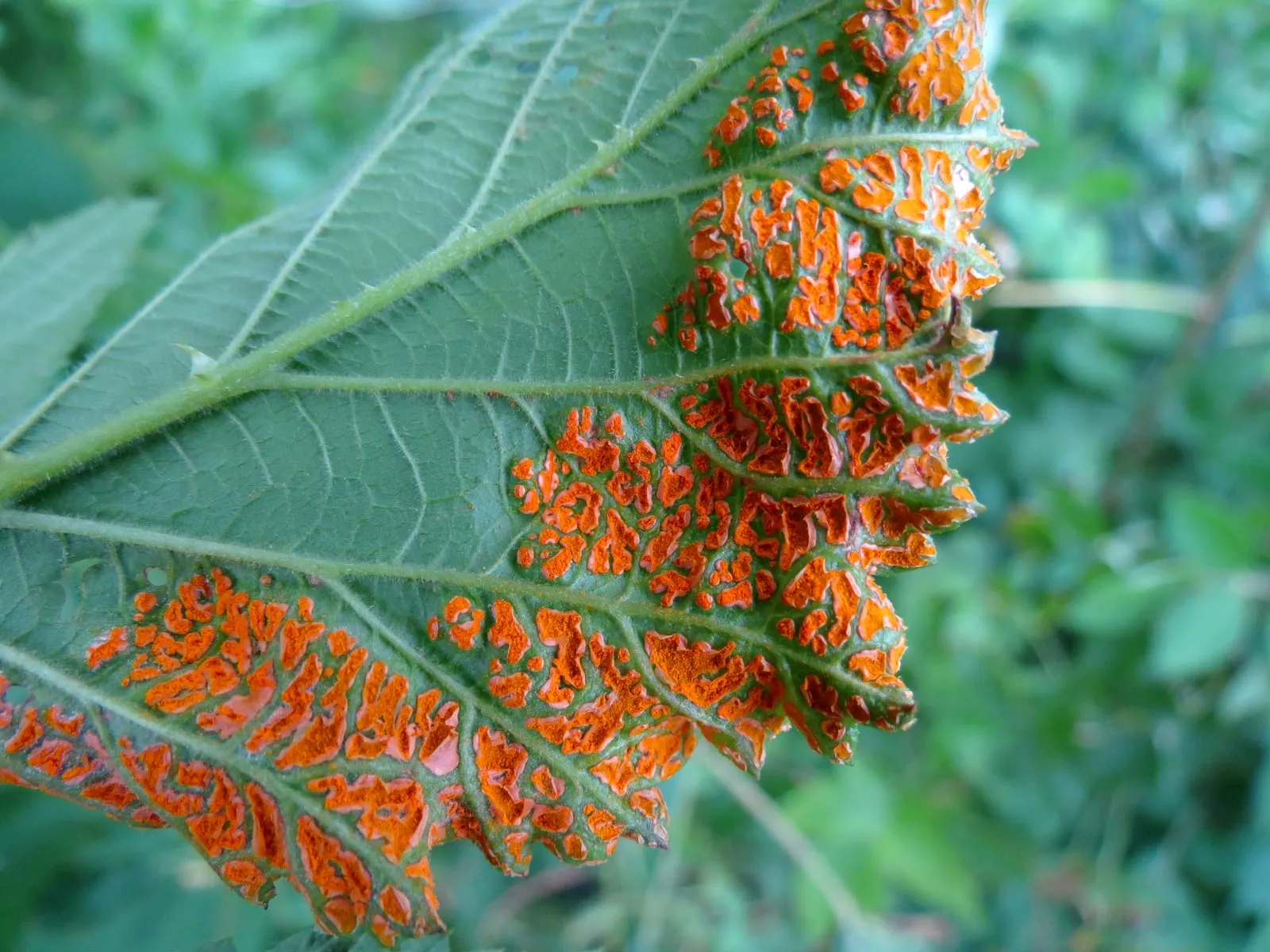
Arthuriomyces peckianus
Systemic fungal disease that permanently infects black raspberries and blackberries (not red raspberry); infected plants must be removed entirely.
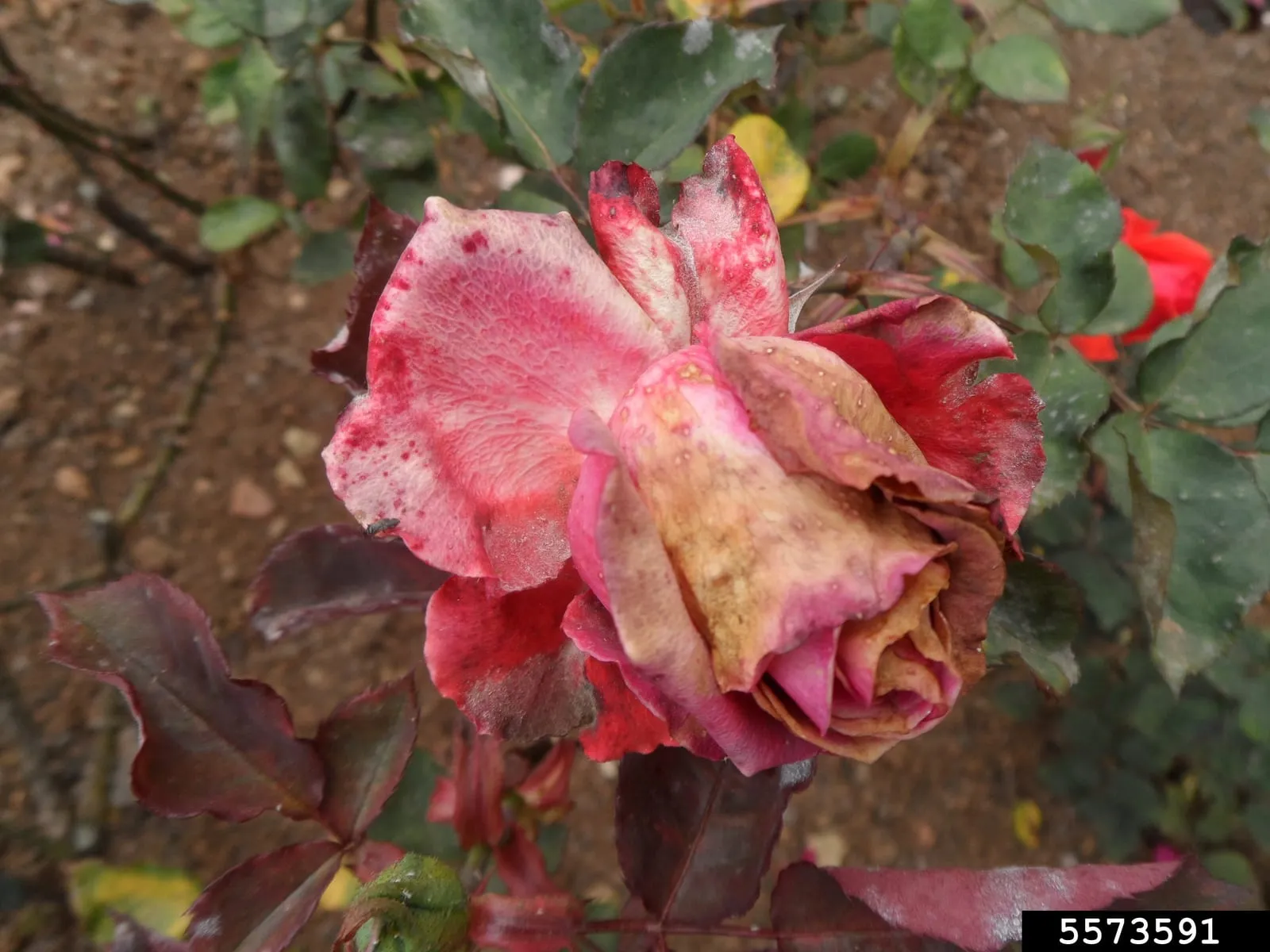
Botrytis cinerea
Ubiquitous fungal disease that causes fruit rot during cool wet weather, often the dominant berry disease in humid regions.
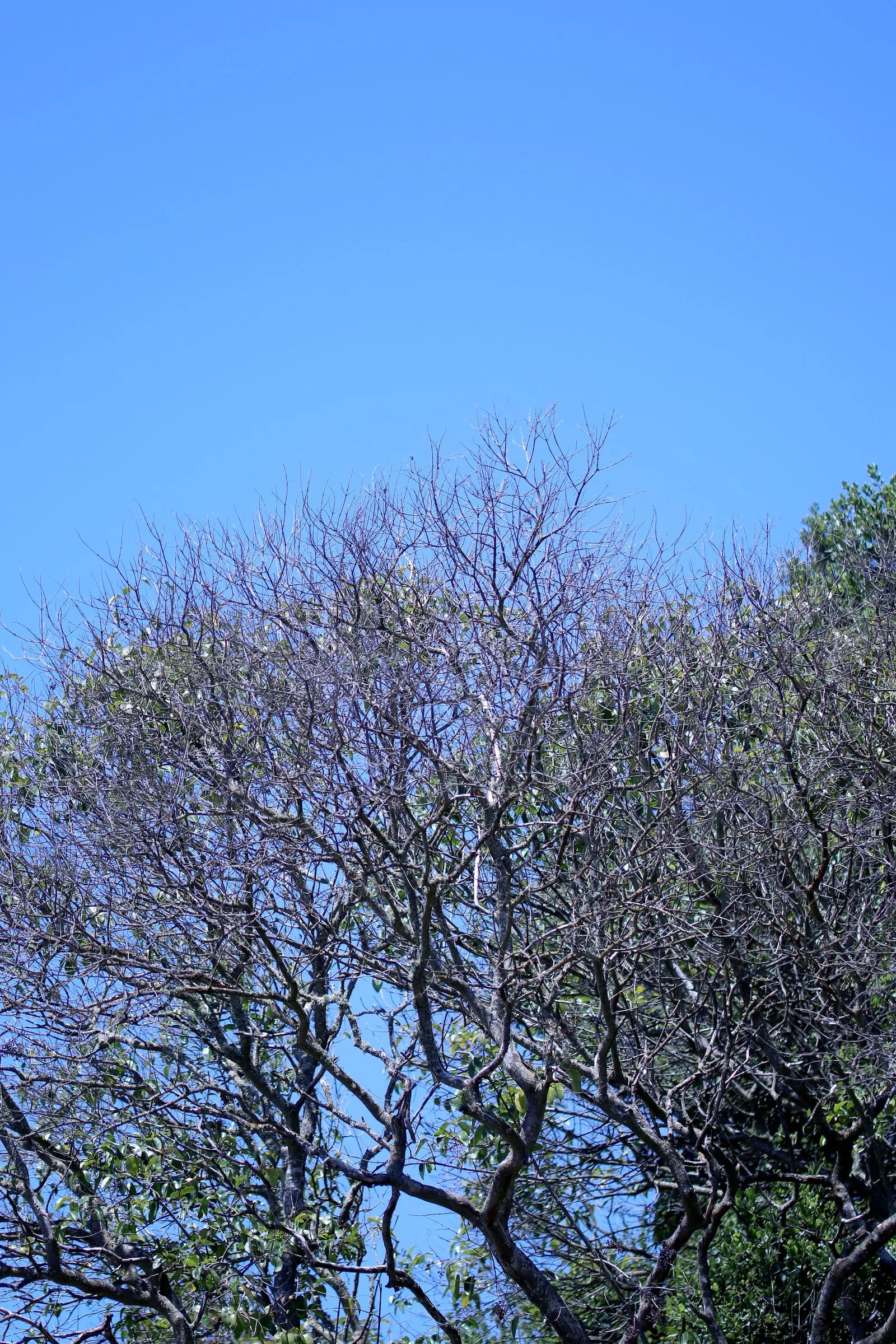
Phytophthora species
Soil-borne water mold that destroys roots in waterlogged soils, the leading cause of blueberry decline in poorly drained sites.
Modified care for zone 7a
Zone 7a's warm, humid summers create sustained disease pressure that demands more active management than the same crop requires in drier climates. Cane Anthracnose, Spur Blight, and Gray Mold (Botrytis) are the primary threats; all three intensify when canes are crowded and airflow is restricted. Thinning to four to five canes per plant, spaced wider than standard recommendations, is not optional in this zone.
Phytophthora Root Rot is a real risk wherever drainage is imperfect. Raised beds or mounded rows are strongly advisable on any site with clay subsoil or seasonal wet. Orange Rust, though less common, spreads aggressively once established; remove and destroy affected canes immediately rather than waiting to confirm the diagnosis.
For everbearing varieties, the primocane-only management approach (cutting all canes to the ground each fall and harvesting only the fall crop) eliminates overwintering cane diseases entirely and is worth considering in high-disease-pressure sites.
Yellow Raspberry in adjacent zones
Image: "Golden Raspberries", by Jonathan Cardy, via Wikimedia Commons, licensed under CC-BY-SA 3.0 Source.

Related