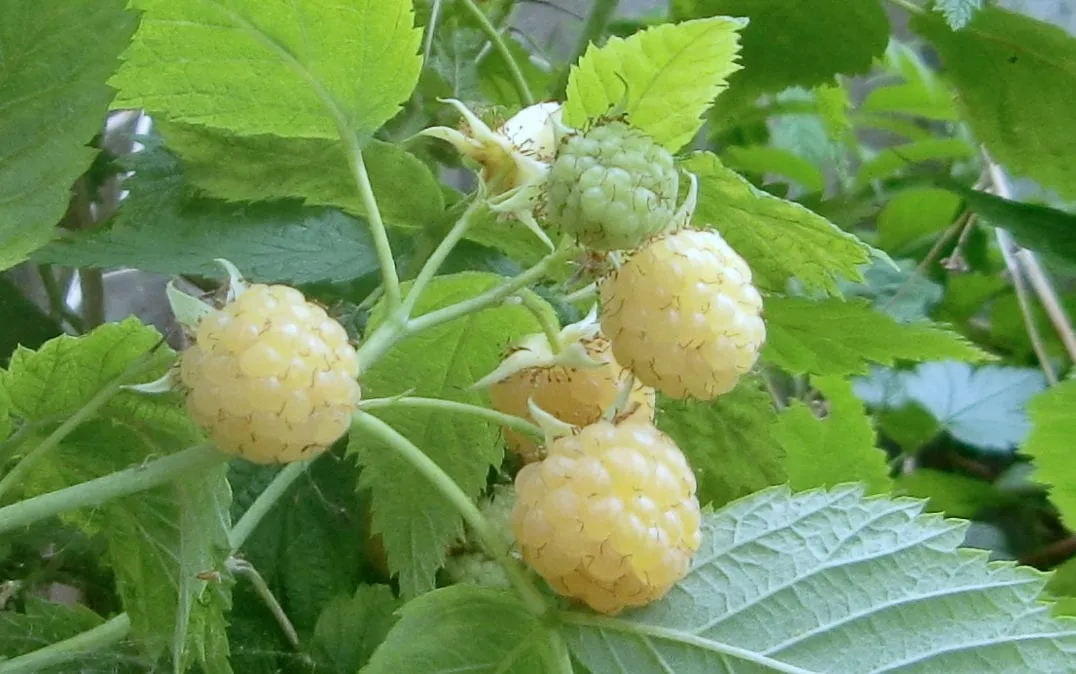
berry in zone 6b
Growing yellow raspberry in zone 6b
Rubus idaeus
- Zone
- 6b -5°F to 0°F
- Growing season
- 190 days
- Chill needed
- 800 to 1600 below 45°F
- Suitable varieties
- 3
- Days to harvest
- 30 to 50
The verdict
Zone 6b is a solid fit for yellow raspberries, not a marginal case. The crop's chill-hour requirement of 800 to 1,600 hours aligns well with what most of zone 6b delivers; typical accumulation across the zone runs 1,000 to 1,400 hours below 45°F, placing common varieties well within their productive range. Winter lows of -5 to 0°F are within tolerance for established canes, though late-emerging floricanes in colder pockets of the zone can suffer tip dieback in severe winters.
The 190-day growing season is more than adequate to ripen both summer-bearing and fall-bearing types fully before first frost. Anne and Fall Gold have the strongest track records in zone 6b conditions, with documented performance in mid-Atlantic and lower Midwest trials. Kiwi Gold is less widely tested at this latitude but performs comparably in warmer parts of the zone. Overall, zone 6b growers should expect reliable production from yellow raspberries with standard care.
Recommended varieties for zone 6b
3 cultivars suited to this zone, with disease-resistance and zone-fit annotations.
| Variety | Notes | Zone fit | Disease resistance |
|---|---|---|---|
| Anne fits zone 6b | Honey-sweet, mild, blush-yellow berries with apricot undertones; fresh eating standout, very low acid. Everbearing, primary fall crop. The benchmark yellow raspberry. | | none noted |
| Fall Gold fits zone 6b | Sweet, mild, soft yellow berries with delicate flavor; fresh eating, jam (turns peach-colored). Everbearing, productive fall crop. Cold-hardy. | | none noted |
| Kiwi Gold fits zone 6b | Sweet, mild, firm yellow berries with a touch of acidity; fresh and freezing. Everbearing, productive late-season crop with clean flavor. | | none noted |
Critical timing for zone 6b
Summer-bearing yellow raspberry canes in zone 6b typically bloom from late April through mid-May, with harvest following 4 to 6 weeks later, generally late June into July. Fall-bearing types, including Anne and Fall Gold, produce their primary crop from late August through October, often continuing until the first hard frost.
Zone 6b's last spring frost averages mid-April in lower elevations but can extend into early May in frost pockets and north-facing sites. Bloom occasionally coincides with late frost events, and a hard freeze at peak bloom can meaningfully reduce the summer crop. The fall crop tends to be the more dependable of the two; it matures during the stable window between late summer heat and the first killing frost, which typically arrives in late October across most of zone 6b.
Common challenges in zone 6b
- ▸ Cedar-apple rust
- ▸ Fire blight
- ▸ Stink bugs
Disease pressure to watch for
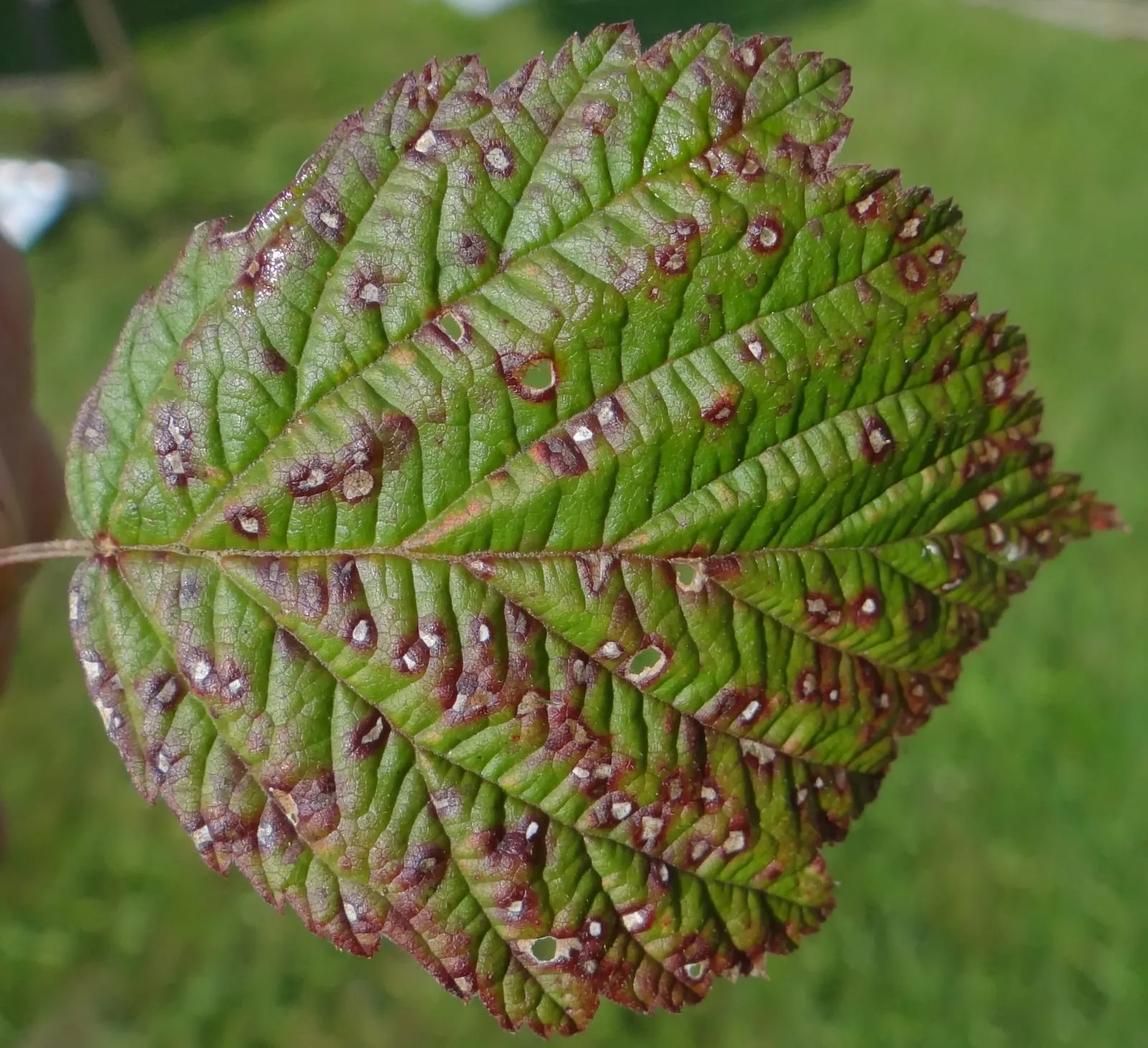
Elsinoe veneta
Fungal cane disease causing purple-bordered lesions that girdle and weaken bramble and Ribes canes, reducing yield over consecutive seasons.
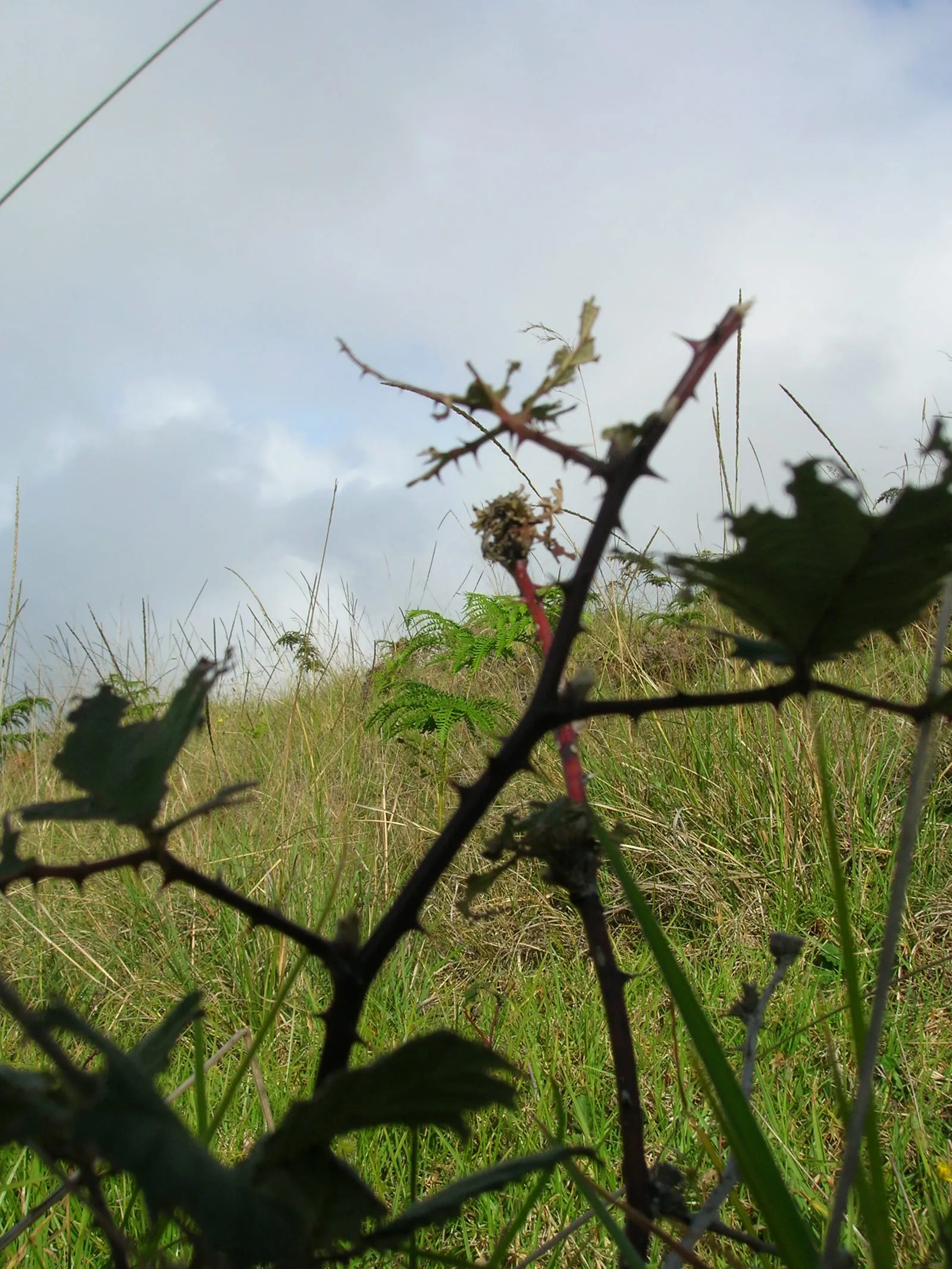
Leptosphaeria coniothyrium
Fungal disease that enters through wounds (often from cane-borer or pruning cuts) and causes dark cankers that wilt and kill canes.
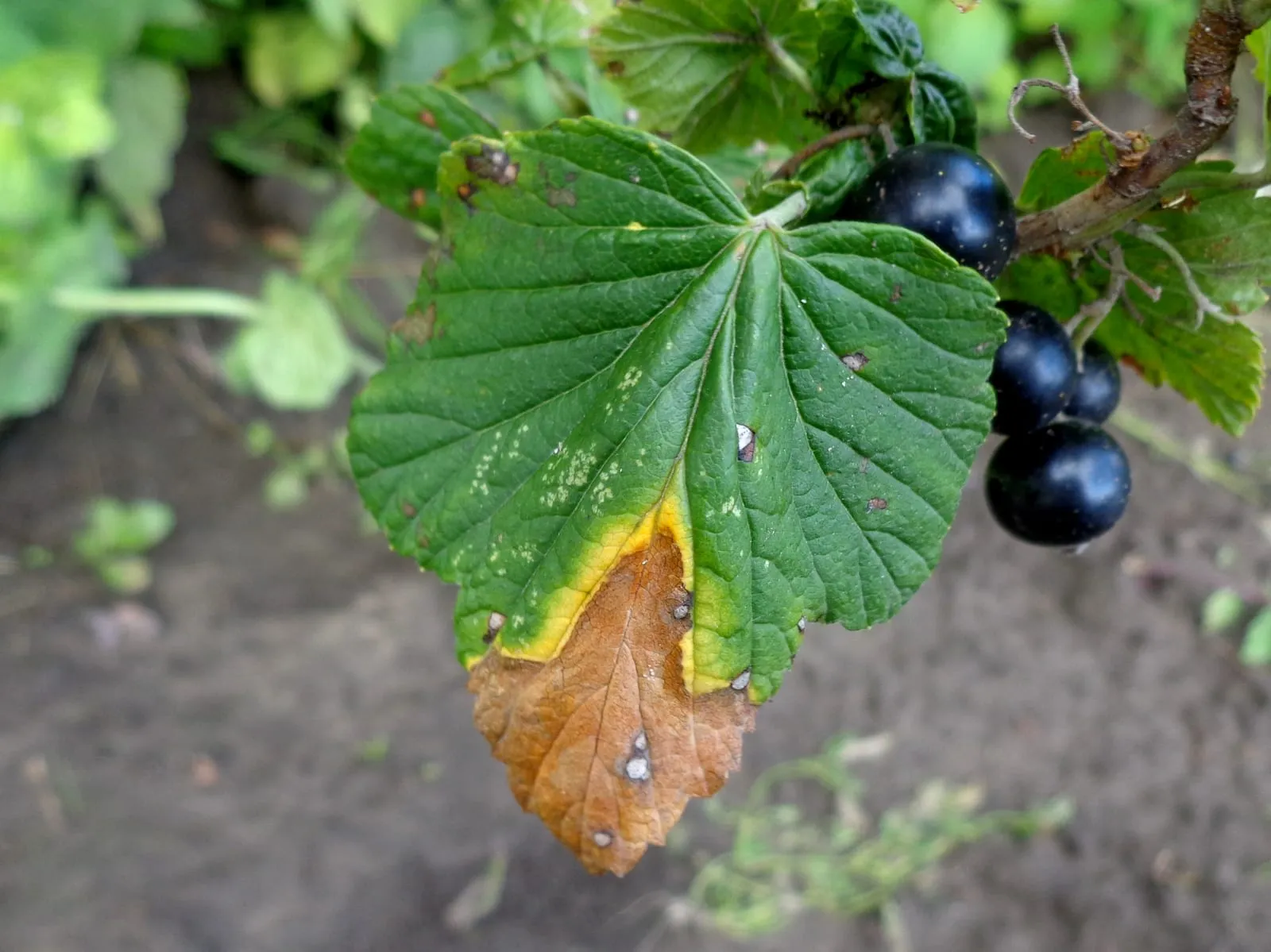
Didymella applanata
Fungal disease that produces purple-brown lesions at leaf nodes on red and yellow raspberry canes, weakening fruiting laterals.
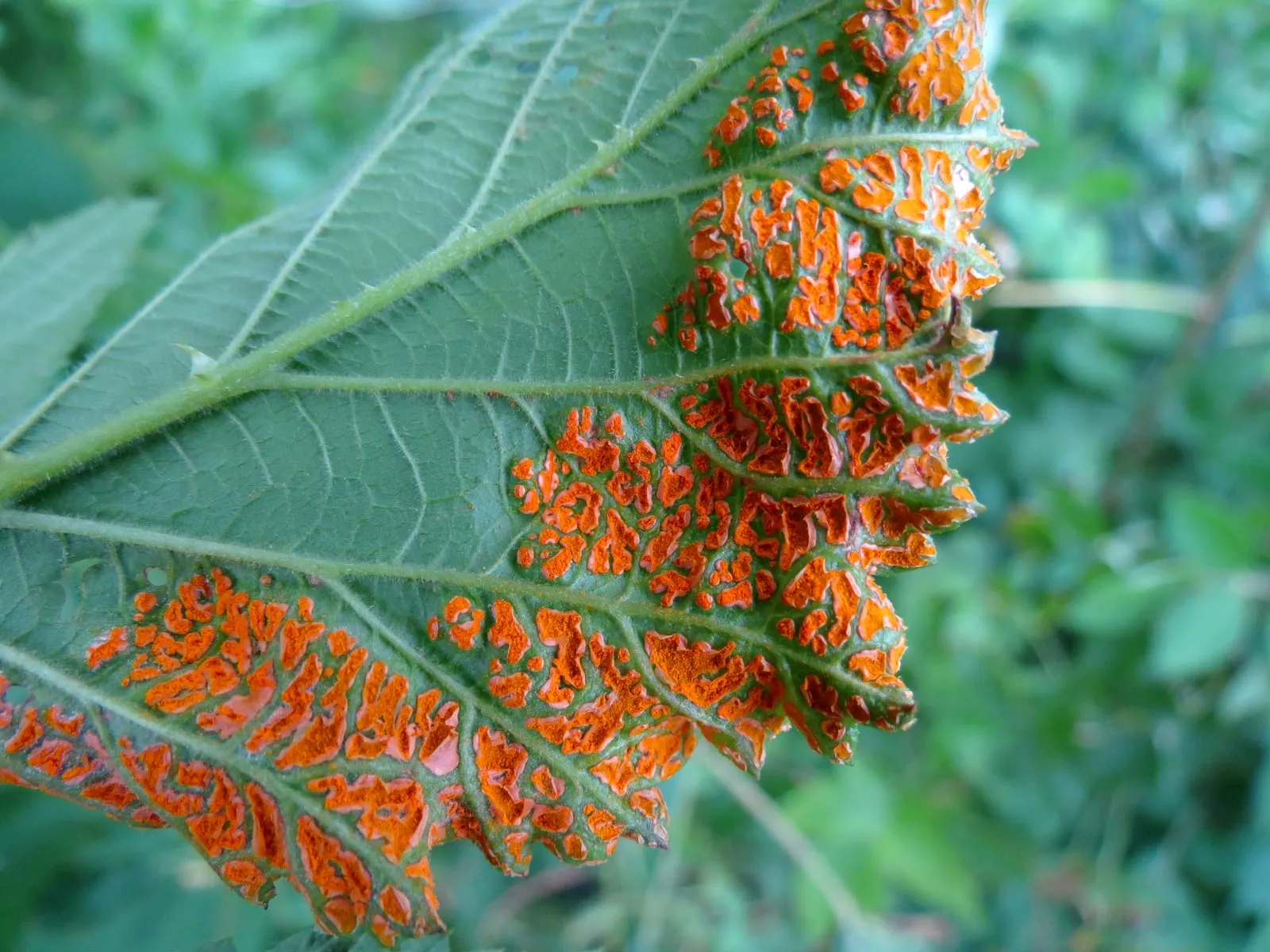
Arthuriomyces peckianus
Systemic fungal disease that permanently infects black raspberries and blackberries (not red raspberry); infected plants must be removed entirely.
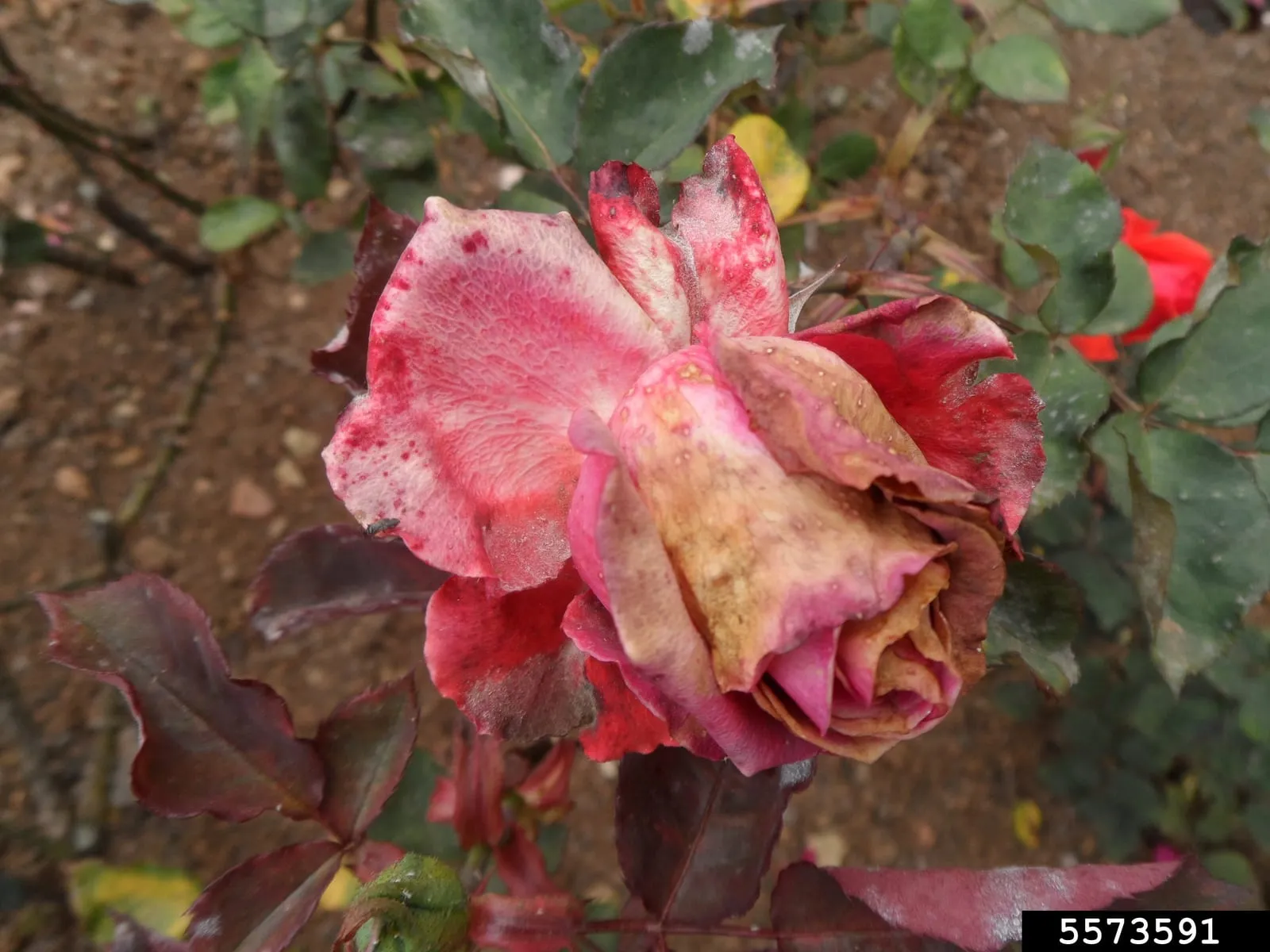
Botrytis cinerea
Ubiquitous fungal disease that causes fruit rot during cool wet weather, often the dominant berry disease in humid regions.
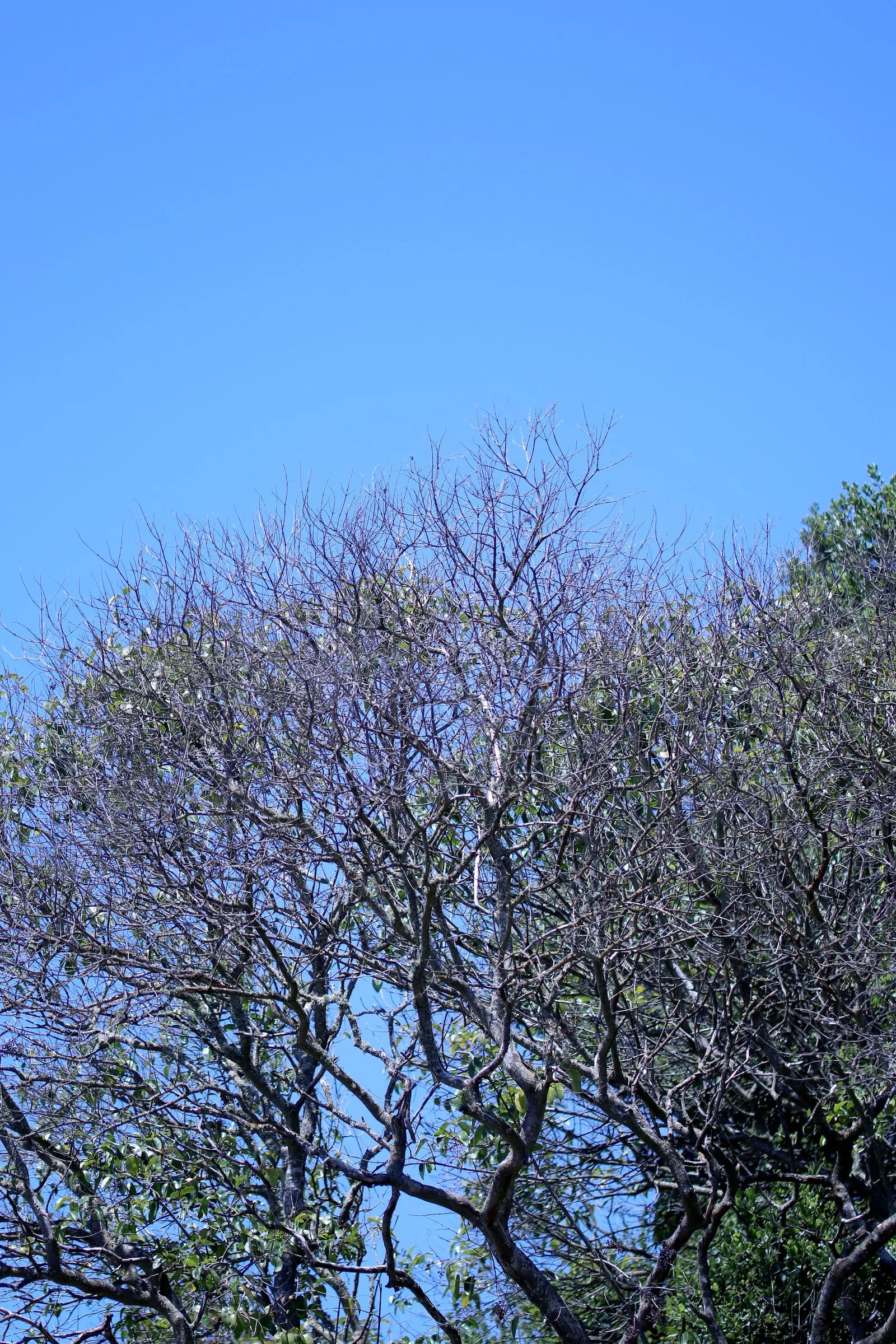
Phytophthora species
Soil-borne water mold that destroys roots in waterlogged soils, the leading cause of blueberry decline in poorly drained sites.
Modified care for zone 6b
Winter cane management requires more attention in zone 6b than in warmer zones. Floricanes should be allowed to harden fully before tipping; cutting too early exposes the wound to cold injury. In frost-prone microclimates within the zone, bending primocanes to ground level and covering with 6 inches of mulch before temperatures drop below 10°F reduces the risk of significant dieback.
Phytophthora root rot is a persistent concern in the heavier clay soils common across much of zone 6b. Raised beds or ridged rows provide more reliable drainage than surface amendment alone. Gray mold (Botrytis) peaks during wet June harvest periods; spacing canes to 6 to 8 inches and removing spent floricanes immediately after summer harvest improves airflow and limits carryover. Stink bug pressure has intensified across zone 6b in recent years, particularly in plantings near wooded edges, and timing harvest to pick fruit at first color rather than peak ripeness reduces feeding losses.
Yellow Raspberry in adjacent zones
Image: "Golden Raspberries", by Jonathan Cardy, via Wikimedia Commons, licensed under CC-BY-SA 3.0 Source.

Related