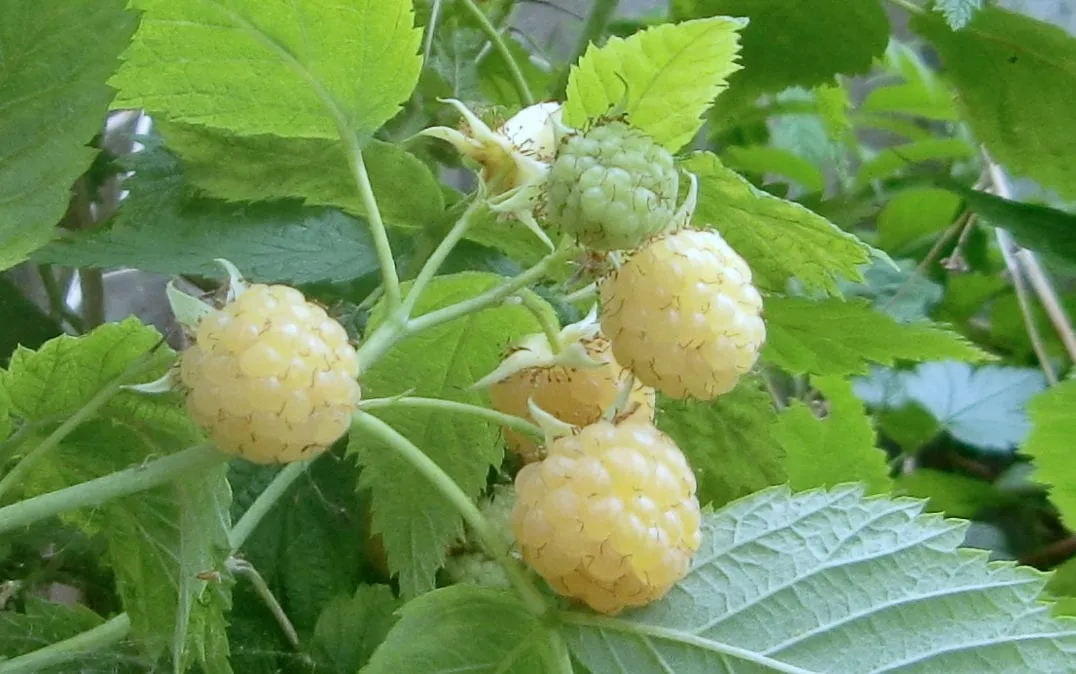
berry in zone 6a
Growing yellow raspberry in zone 6a
Rubus idaeus
- Zone
- 6a -10°F to -5°F
- Growing season
- 180 days
- Chill needed
- 800 to 1600 below 45°F
- Suitable varieties
- 4
- Days to harvest
- 30 to 50
The verdict
Zone 6a sits comfortably within yellow raspberry's preferred range. Winter lows of -10 to -5°F are cold enough to satisfy chill-hour requirements (800 to 1,600 hours) without the sustained deep freezes that kill canes outright. Most zone 6a winters accumulate chill hours well within that window, making this a reliable zone for the crop rather than a marginal one.
The 180-day growing season gives everbearing varieties like Anne and Fall Gold time to complete a fall crop before hard frosts arrive. Honey Queen and Kiwi Gold tend toward the lower end of the chill-hour range, making them somewhat more flexible in years with mild winters, while Fall Gold shows particularly consistent cold hardiness across variable winters.
One genuine caveat: yellow raspberries are more heat-sensitive than red types. In warmer zone 6a microclimates, especially south-facing slopes or heat-reflecting sites, summer fruit set can drop noticeably. Siting matters more for yellow raspberries than for most cane fruit.
Recommended varieties for zone 6a
4 cultivars suited to this zone, with disease-resistance and zone-fit annotations.
| Variety | Notes | Zone fit | Disease resistance |
|---|---|---|---|
| Anne fits zone 6a | Honey-sweet, mild, blush-yellow berries with apricot undertones; fresh eating standout, very low acid. Everbearing, primary fall crop. The benchmark yellow raspberry. | | none noted |
| Fall Gold fits zone 6a | Sweet, mild, soft yellow berries with delicate flavor; fresh eating, jam (turns peach-colored). Everbearing, productive fall crop. Cold-hardy. | | none noted |
| Honey Queen fits zone 6a | Very sweet, mild, soft golden berries with honey notes; fresh eating premium. Summer-bearing, cold-hardy Canadian selection. | | none noted |
| Kiwi Gold fits zone 6a | Sweet, mild, firm yellow berries with a touch of acidity; fresh and freezing. Everbearing, productive late-season crop with clean flavor. | | none noted |
Critical timing for zone 6a
Yellow raspberries in zone 6a typically bloom in mid to late May, once temperatures consistently clear 50°F. Zone 6a's average last spring frost falls roughly between April 15 and May 1 depending on local elevation and geography, which puts bloom timing close to but generally past the primary frost risk window. A late frost event in early May can still damage open flowers and reduce the summer cane crop.
For everbearing varieties, the fall crop harvest runs from late August through October. Zone 6a's first fall frost typically arrives between October 1 and 15, which gives Anne and Fall Gold a narrow but workable window to ripen fully. In cooler pockets of the zone, low-tunnel row covers extended into October meaningfully improve fall yield.
Common challenges in zone 6a
- ▸ Brown rot in stone fruit
- ▸ Japanese beetles
- ▸ Spring frost damage to peach buds
Disease pressure to watch for
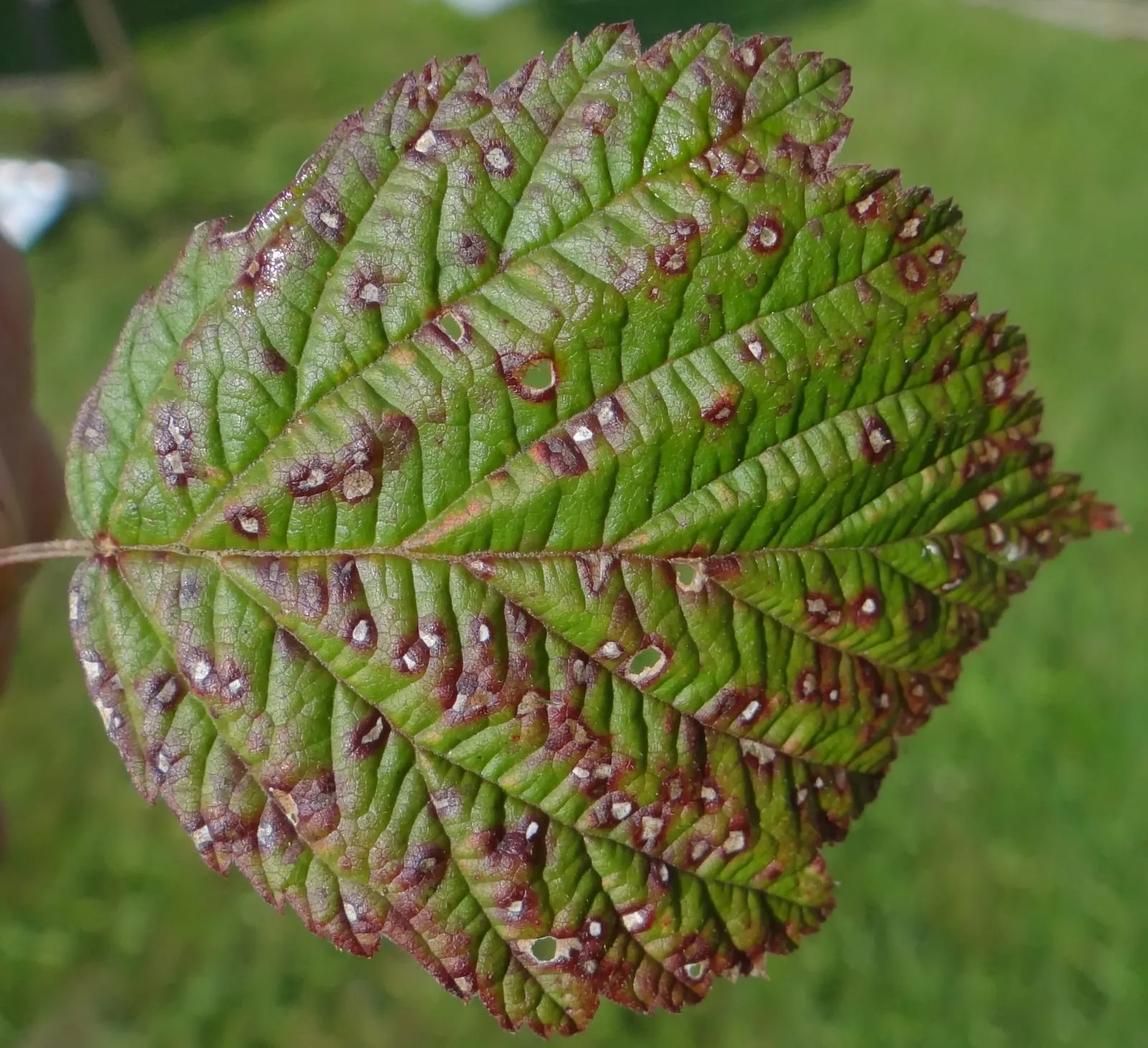
Elsinoe veneta
Fungal cane disease causing purple-bordered lesions that girdle and weaken bramble and Ribes canes, reducing yield over consecutive seasons.
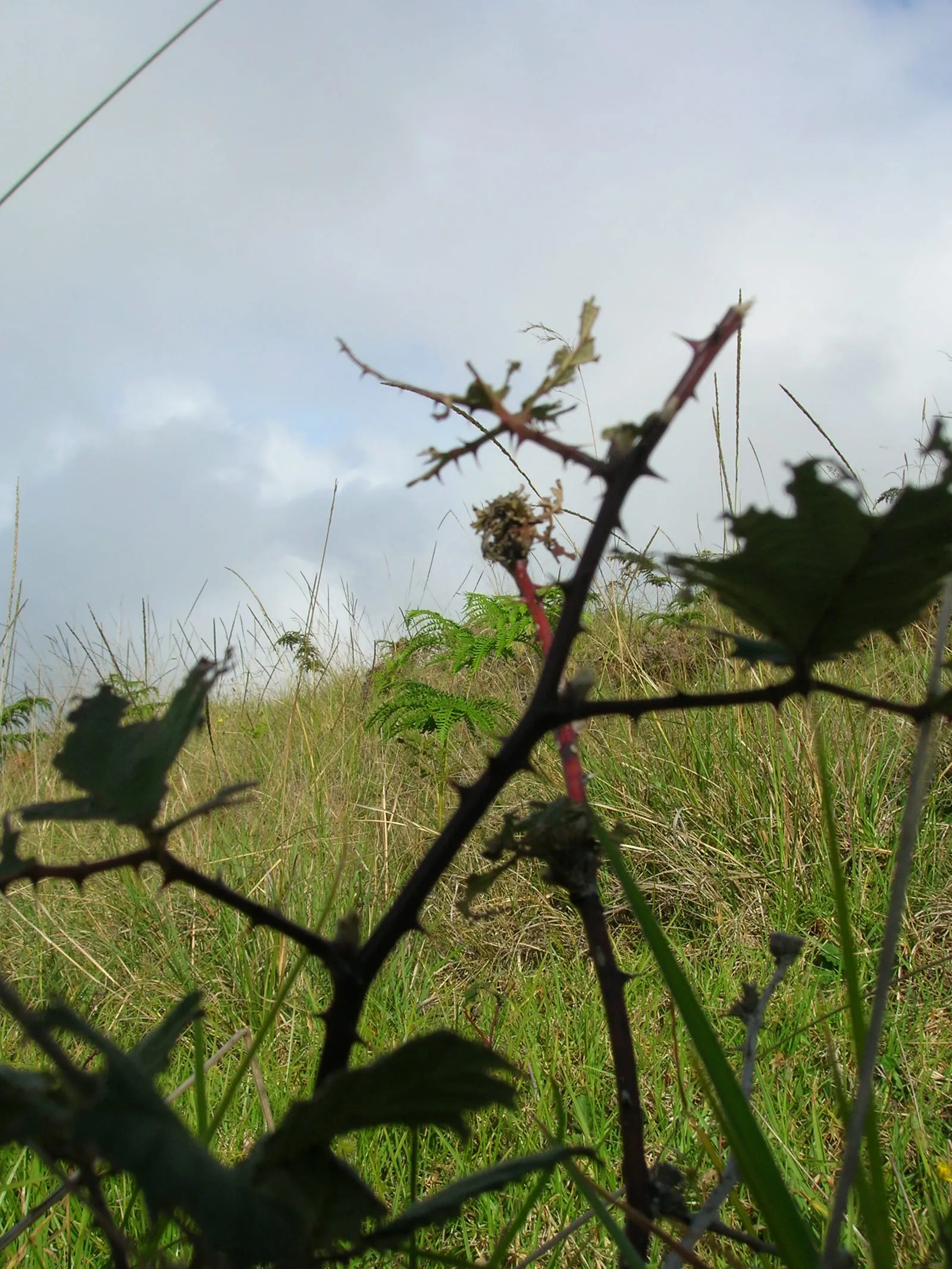
Leptosphaeria coniothyrium
Fungal disease that enters through wounds (often from cane-borer or pruning cuts) and causes dark cankers that wilt and kill canes.
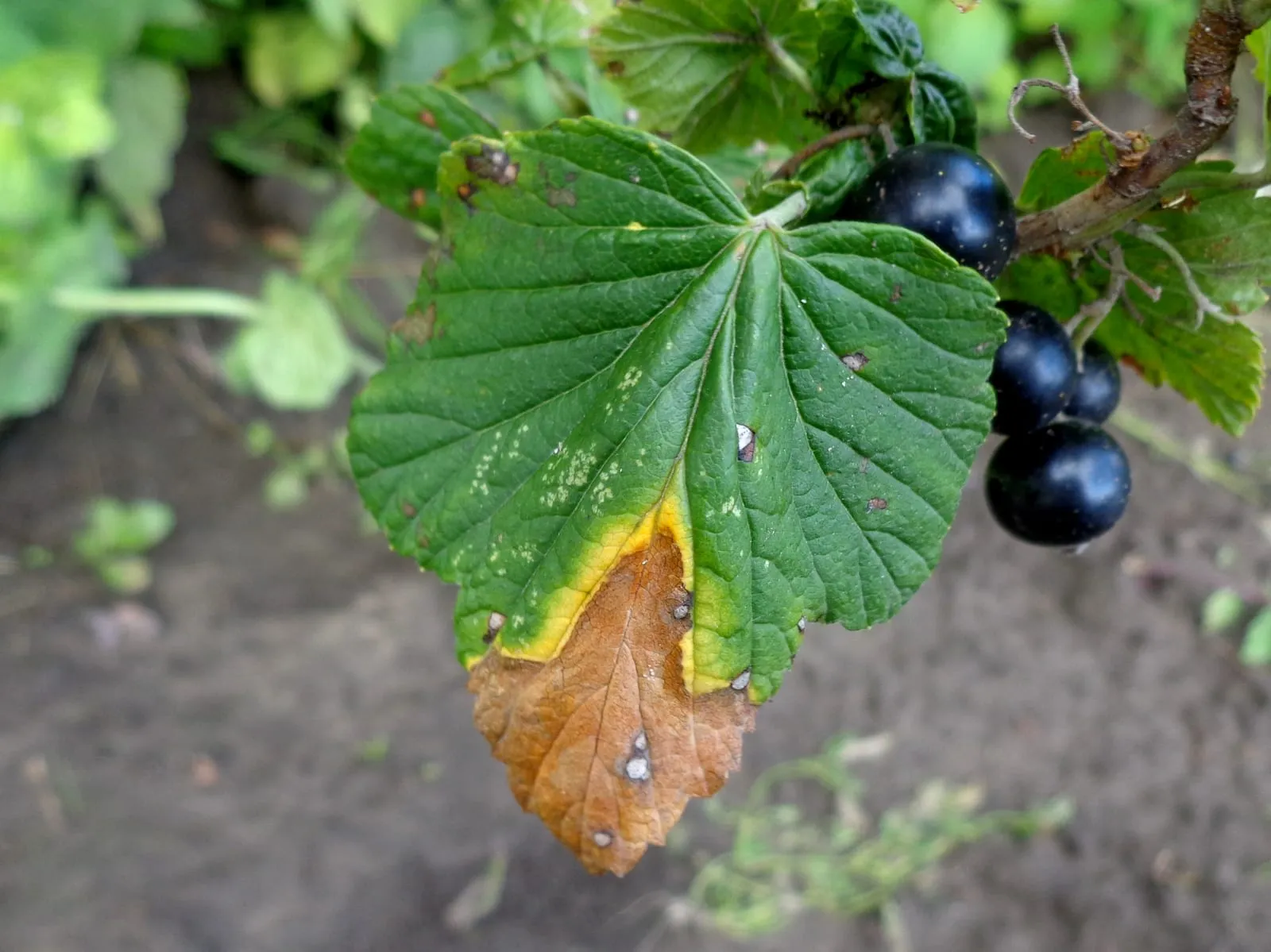
Didymella applanata
Fungal disease that produces purple-brown lesions at leaf nodes on red and yellow raspberry canes, weakening fruiting laterals.
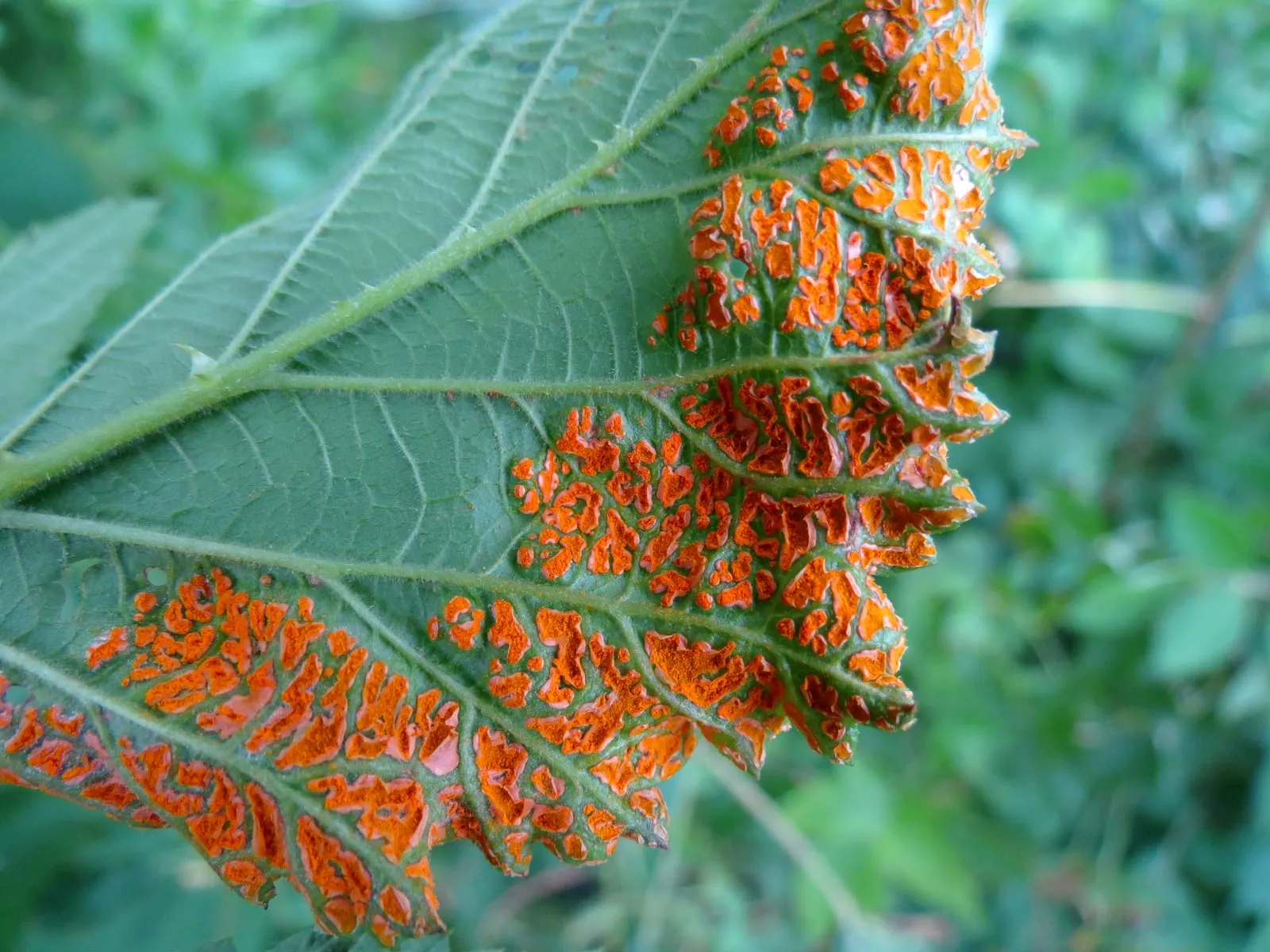
Arthuriomyces peckianus
Systemic fungal disease that permanently infects black raspberries and blackberries (not red raspberry); infected plants must be removed entirely.
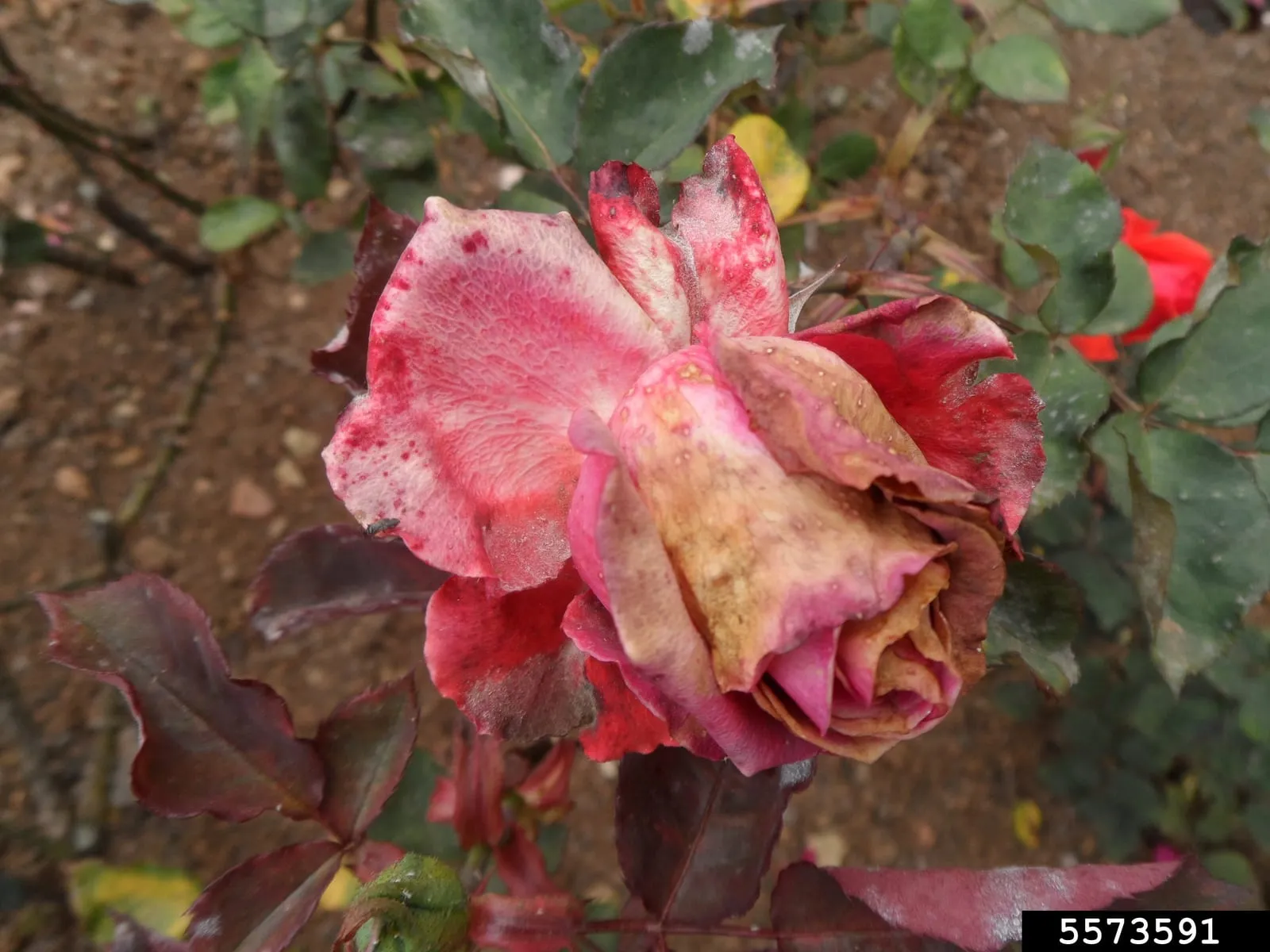
Botrytis cinerea
Ubiquitous fungal disease that causes fruit rot during cool wet weather, often the dominant berry disease in humid regions.
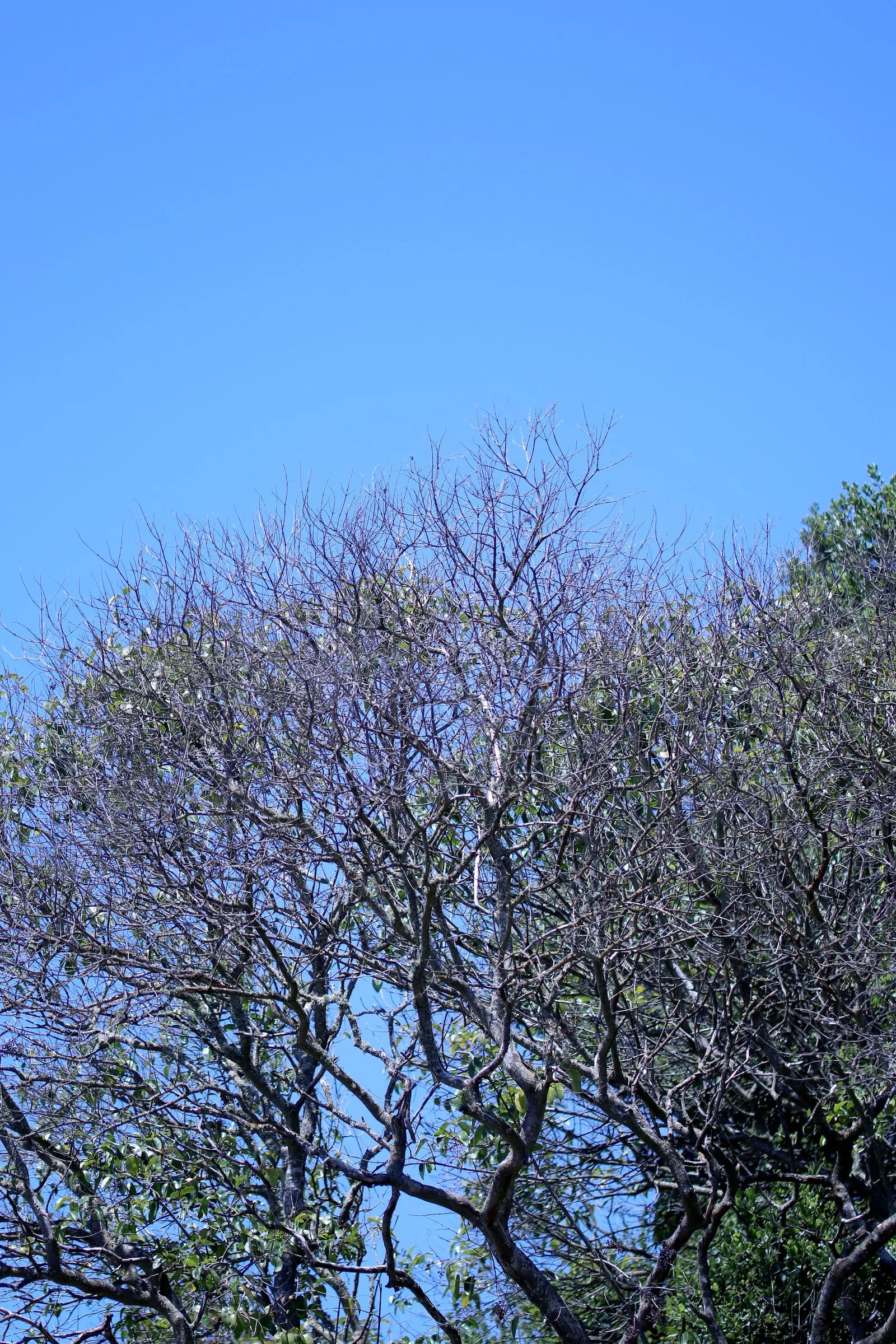
Phytophthora species
Soil-borne water mold that destroys roots in waterlogged soils, the leading cause of blueberry decline in poorly drained sites.
Modified care for zone 6a
Zone 6a's humidity and moderate summer rainfall create favorable conditions for the fungal diseases yellow raspberry is prone to. Cane Anthracnose, Cane Blight, and Gray Mold are the primary concerns; aggressive cane thinning and removing all floricanes immediately after harvest rather than leaving them over winter reduces overwintering disease inoculum significantly.
Japanese beetles are a realistic pressure across much of zone 6a from late June through July. Hand-picking or temporary row covers during peak beetle flight reduces damage without chemical intervention on small plantings.
Winter protection is generally unnecessary for established canes, but first-year plantings benefit from 3 to 4 inches of mulch over the root zone to buffer freeze-thaw cycling. On sites with heavier soils, Phytophthora Root Rot warrants preventive attention; raised beds or bermed planting rows improve drainage and substantially reduce infection risk compared to flat planting in clay-dominant profiles.
Frequently asked questions
- Are yellow raspberries as winter-hardy as red raspberries in zone 6a?
Most yellow raspberry varieties are comparably hardy to red raspberries at zone 6a temperatures. Anne, Fall Gold, and Honey Queen all tolerate the -10 to -5°F lows typical of zone 6a without significant cane dieback, though first-year canes benefit from light mulching to reduce freeze-thaw stress at the root zone.
- Which yellow raspberry variety performs best in zone 6a?
Fall Gold and Anne are the most consistent performers across zone 6a. Fall Gold is notably cold-tolerant and a strong fall producer. Anne yields larger fruit but has a narrower harvest window before fall frosts. Honey Queen and Kiwi Gold are worth trialing in warmer parts of the zone.
- How do I manage Gray Mold on yellow raspberries in a humid zone 6a summer?
Airflow is the primary control. Keep cane density low by removing all floricanes after harvest and thinning primocanes to 4 to 6 per foot of row. Harvest fruit promptly at peak ripeness, as overripe yellow raspberries are especially susceptible. Avoid overhead irrigation during flowering and fruiting.
+−
+−
+−
Yellow Raspberry in adjacent zones
Image: "Golden Raspberries", by Jonathan Cardy, via Wikimedia Commons, licensed under CC-BY-SA 3.0 Source.

Related