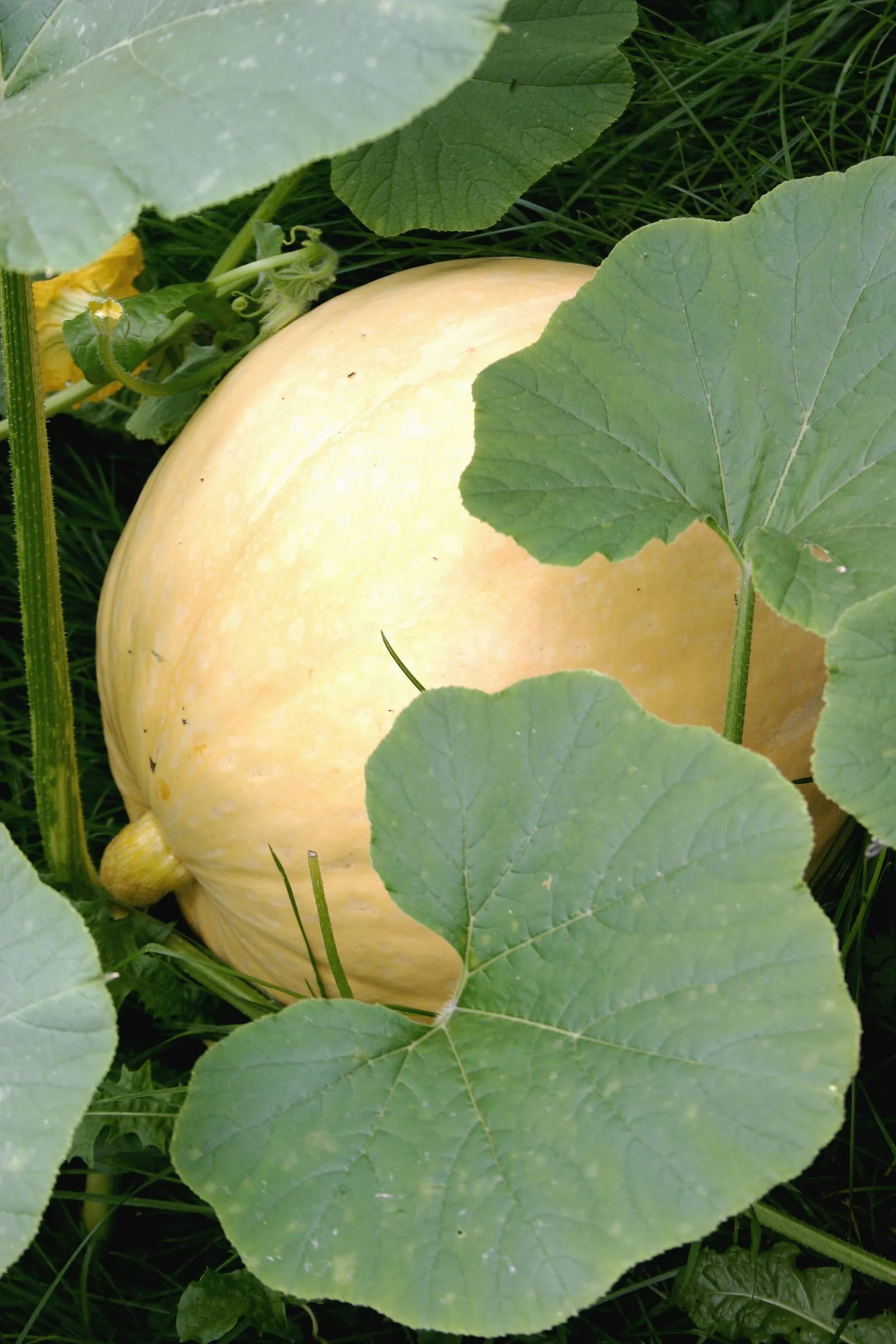
vegetable
Pumpkin
Cucurbita pepo and Cucurbita maxima
USDA hardiness range
- Zones
- 4a–8b
- Days to harvest
- 90 to 120
- Sun
- Full
- Water
- Moderate
- Lifespan
- annual
Growing pumpkin
Pumpkin (Cucurbita pepo and Cucurbita maxima) is a warm-season annual that rewards growers who plan around two hard constraints: a long days-to-maturity window (90 to 120 days depending on variety) and an absolute intolerance for frost at either end of the season. In zones 4a through 8b, the crop is viable, but the margin for error narrows significantly in the shorter seasons of zones 4 and 5, where starting transplants indoors 2 to 3 weeks before the last frost date is often the difference between ripe fruit in October and a vine killed before it finishes.
The crop's practical range ends near zone 9 not primarily from heat but from calendar compression. Summer heat can shut down fruit set, and large-fruited varieties with 110-plus-day maturity have no buffer in a zone 4a window that may span as few as 110 to 120 frost-free days. Variety selection by maturity, not just by name or appearance, is the single most important decision a short-season grower makes.
What separates a productive pumpkin planting from a failed one is almost always timing and pollination. Fruit set requires concurrent male and female flowers and active bee activity. A cold or wet week during the flowering window can eliminate an entire crop's potential even when the vines look healthy. That vulnerability is not a flaw unique to inexperienced growers; it affects commercial operations too, and it is worth understanding before the first seed goes in the ground.
Recommended varieties
See all 4 →4 cultivars for home growers, with notes on flavor, ripening, and disease resistance.
| Variety | Notes | Zone fit | Disease resistance |
|---|---|---|---|
| Howden | Tasteless, fibrous; the classic carving pumpkin (large, deeply ribbed orange). Jack-o'-lanterns, decoration. Productive, holds shape, the industry standard. | | none noted |
| Sugar Pie | Sweet, dense, smooth flesh; small (4-6 lb) classic pie pumpkin. Pies, custards, soups, roasting. Stores 2-3 months, the home-baker's standard. | | none noted |
| Cinderella (Rouge Vif d'Etampes) | Sweet, mild, tender; deeply ribbed dark-orange French heirloom. Pies, soups, stuffed and roasted whole. Decorative and culinary, productive. | | none noted |
| Long Pie | Sweet, deep flavor, fine-grained; banana-shaped orange pumpkin (looks like overgrown zucchini). The pie maker's connoisseur choice. Stores well. | | none noted |
Soil and site requirements
Pumpkins perform best in well-drained, loamy soil with a pH between 6.0 and 6.8. Poorly drained sites invite root rot and create conditions where fungal pathogens establish quickly. Raised beds or gently mounded rows improve drainage on heavier soils and warm the root zone faster in spring, which matters at the northern edge of the crop's range.
Full sun is a firm requirement. Less than six hours of direct sun per day measurably reduces fruit size and delays maturity, compounding the timing challenges already present in short-season zones. South-facing slopes and open fields consistently outperform spots with afternoon shade.
Spacing is wider than most new growers anticipate. Bush types need at least 4 feet between plants. Vining types, which include most large-fruited varieties, typically need 6 to 8 feet between plants with rows 8 to 10 feet apart. Crowding restricts airflow and worsens powdery mildew pressure, one of the most consistent late-season problems on pumpkin. A small planting of well-spaced vines will almost always outperform a dense patch.
In zones 4 and 5, site orientation can meaningfully extend the effective season. A south-facing microclimate with wind protection can add 5 to 10 effective growing days, which may determine whether a 100-day variety finishes before the first fall frost.
Common diseases
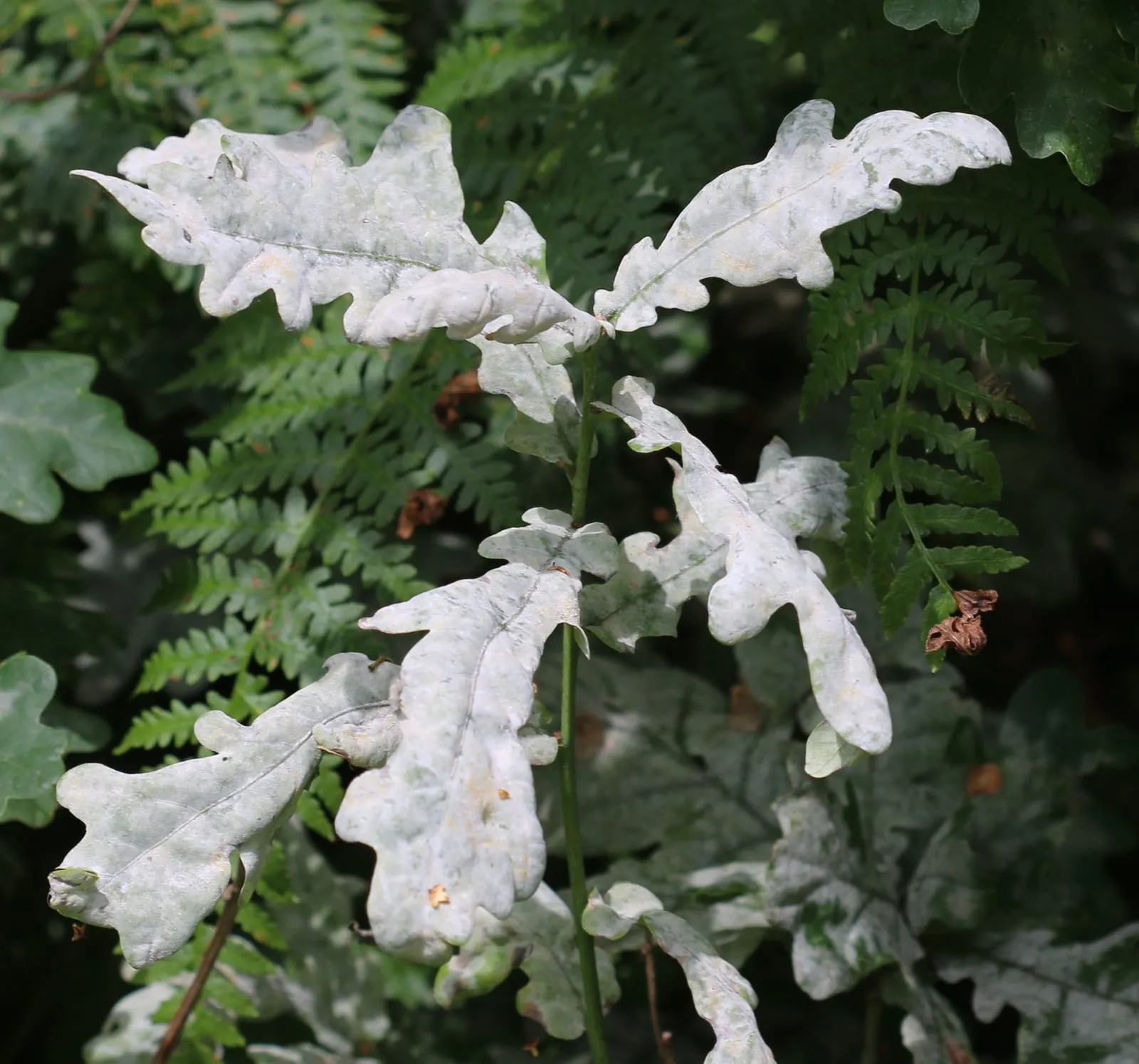
Multiple species (Erysiphales)
Surface-feeding fungal disease producing white powdery growth on leaves and stems. Reduces yield by stealing photosynthate and accelerating senescence.
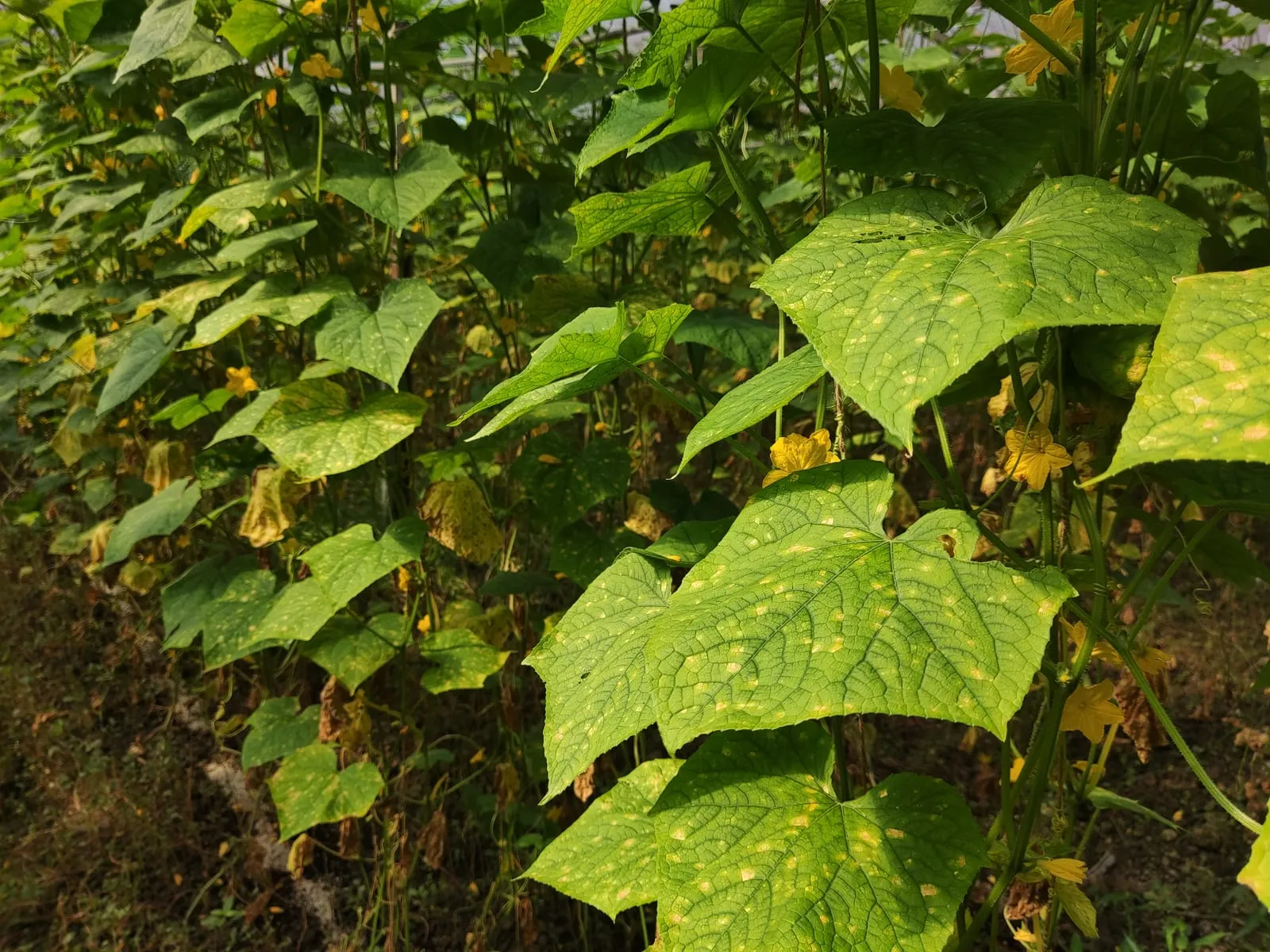
Pseudoperonospora cubensis (cucurbits) and others
Water mold (oomycete, not a true fungus) that thrives in cool damp conditions. Spreads rapidly through cucurbit and brassica plantings on wind-borne spores.
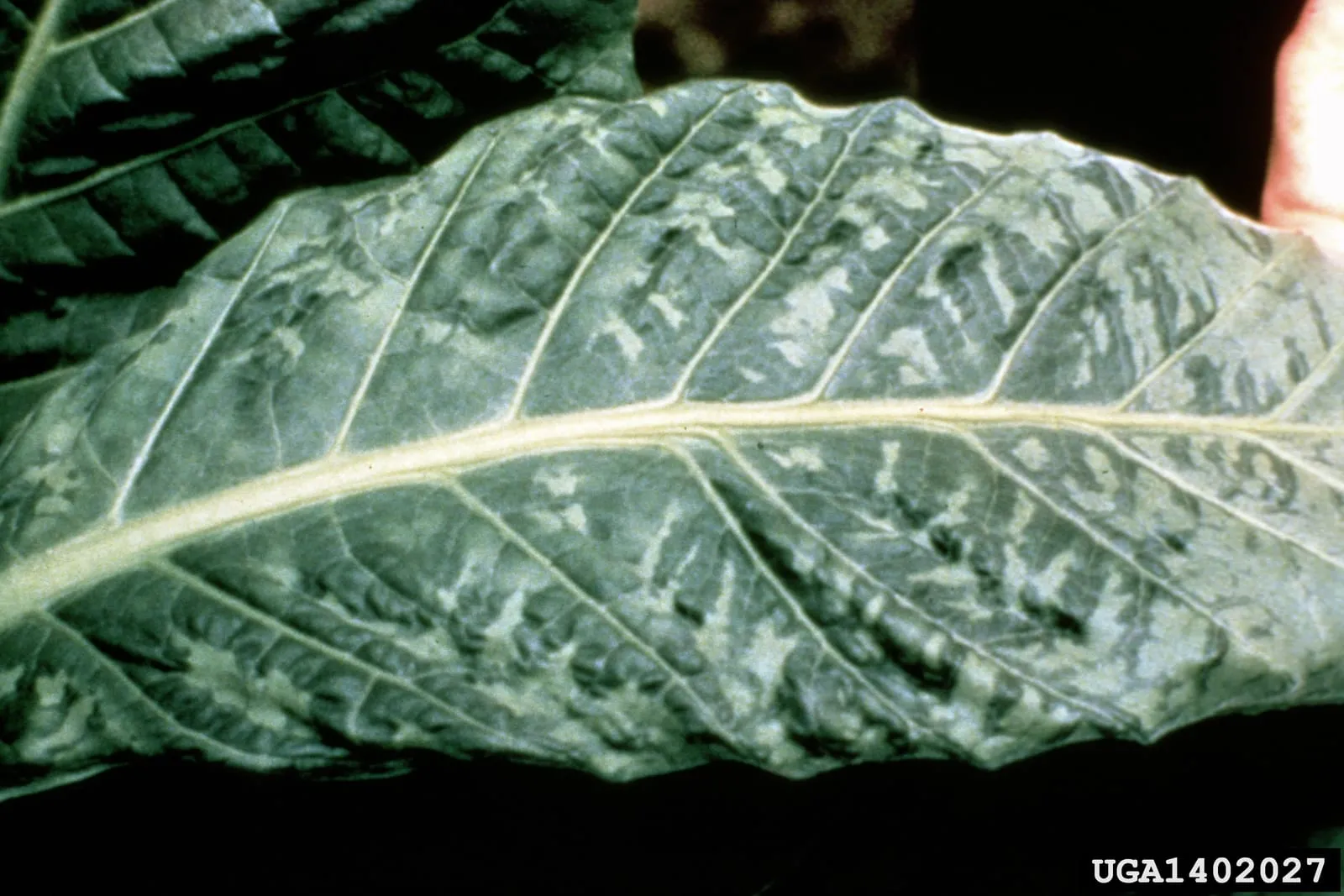
Cucumber mosaic virus, Tobacco mosaic virus, and others
Family of plant viruses producing mottled yellow-and-green leaf patterns. Vectored primarily by aphids; some are seed-transmitted or spread by handling tools and tobacco products.
Common pests
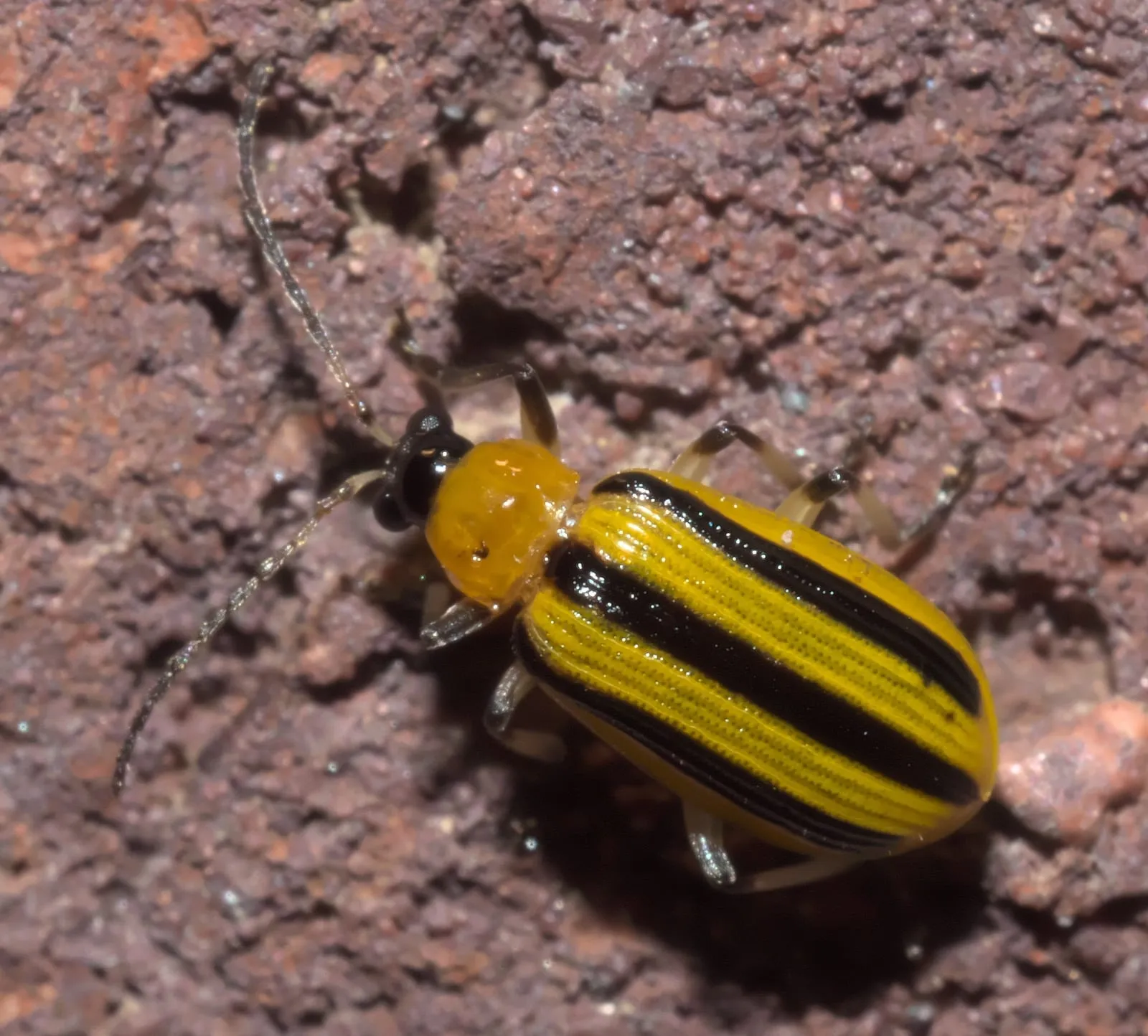
Acalymma vittatum (striped) and Diabrotica undecimpunctata (spotted)
Yellow-and-black beetles that feed on cucurbit foliage and flowers, but the bigger problem is that they vector bacterial wilt and cucumber mosaic virus.
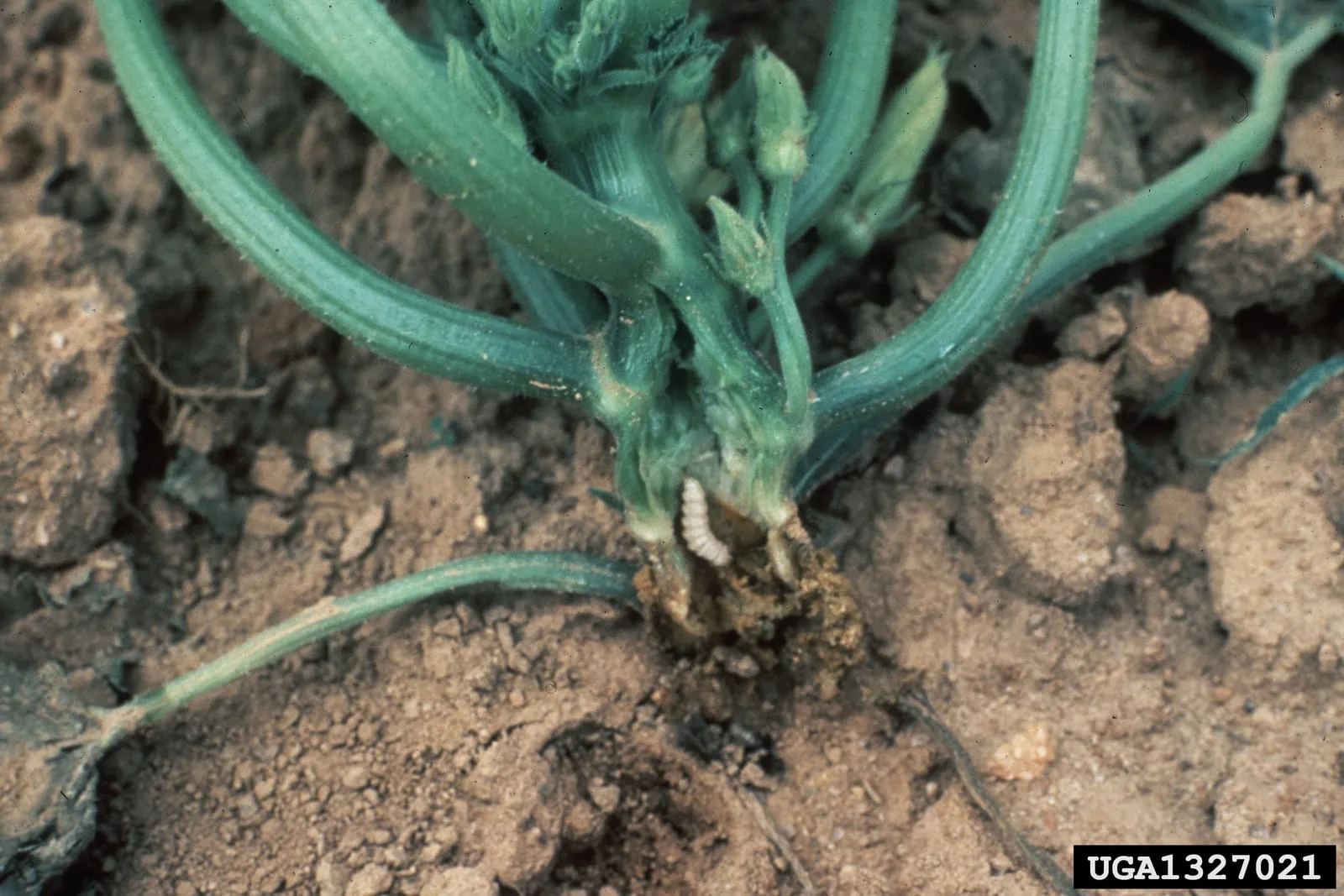
Melittia cucurbitae
Day-flying clearwing moth whose larvae bore into squash stems at the base and hollow them out, causing sudden wilting and plant death. The dominant squash killer east of the Rockies.
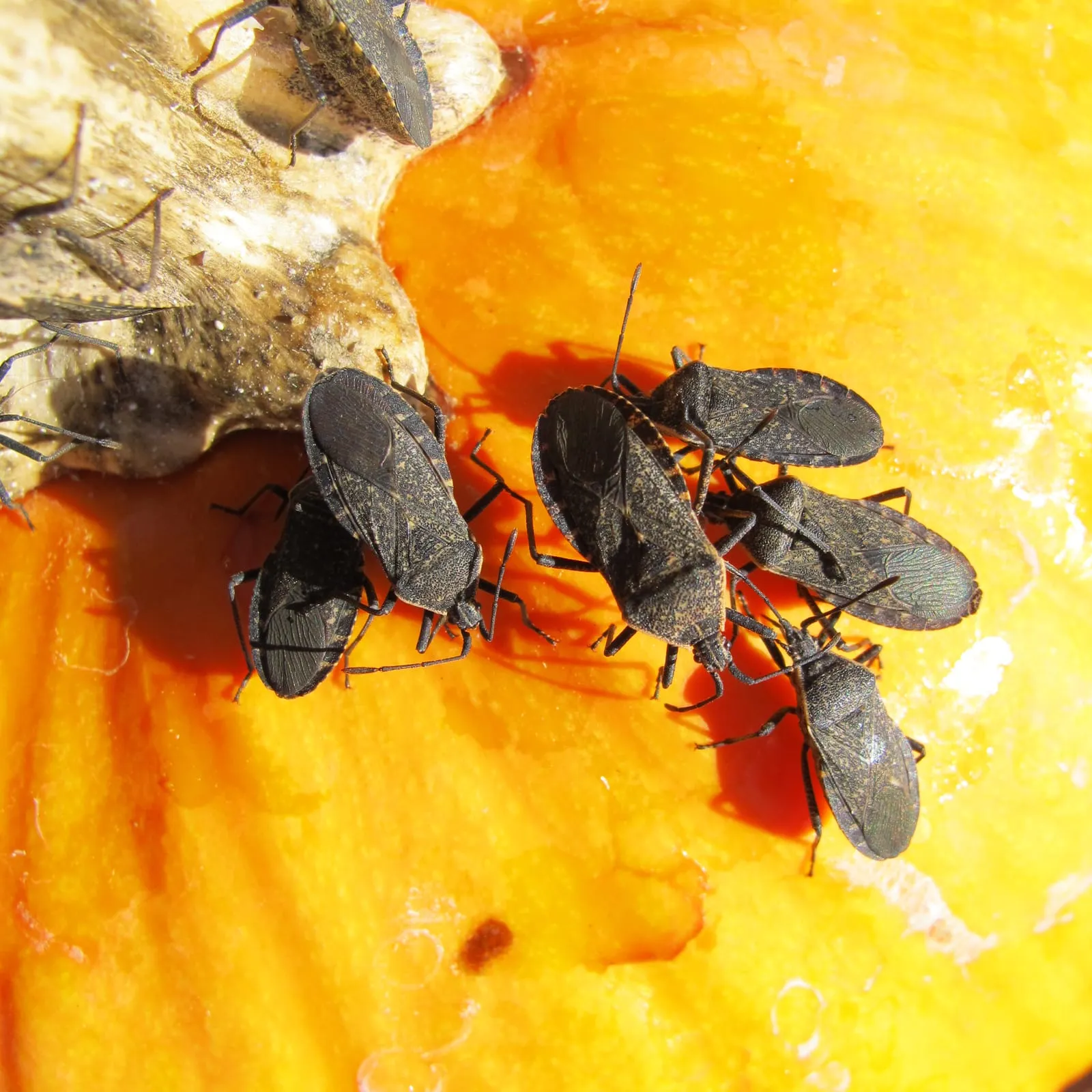
Anasa tristis
Brown shield-shaped bugs that feed on cucurbit foliage and fruit, causing wilting and fruit-quality damage. Transmit cucurbit yellow vine disease.
Common challenges
Squash vine borer is the most reliably destructive pest on pumpkins east of the Rockies. The adult moth lays eggs at the base of vines in early to midsummer; larvae bore into stems and feed internally, collapsing the vine before most growers identify the source. By the time the entry hole and frass are visible at the soil line, the larva has often already moved further up the stem. Row covers during the egg-laying period (typically late June through mid-July in most zones) provide effective protection but must be removed when female flowers open to allow pollinator access.
Powdery mildew appears reliably on pumpkin foliage in late summer, particularly in humid climates and wherever plant spacing is tight. It rarely kills the plant outright but reduces photosynthesis, weakens the vine, and shortens the storage life of harvested fruit. Selecting mildew-tolerant varieties and maintaining adequate spacing address the problem more effectively than reactive fungicide applications, which work best as preventatives.
Frost timing catches growers at both ends of the season. Pumpkins planted too early into cold soil germinate slowly and often succumb to soil-borne pathogens. Planted too late, large-fruited varieties fail to finish before the first fall frost. The practical approach: count back from the average first fall frost date, select a variety whose stated maturity fits within that window with 2 to 3 weeks of buffer, and treat that buffer as real insurance rather than padding.
Companion plants
Frequently asked questions
- Do pumpkins require chill hours to produce fruit?
No. Pumpkins are warm-season annuals with no chill-hour requirement. They need warm soil (at least 60°F for germination), frost-free growing conditions, and adequate time between the last spring frost and first fall frost to complete their 90 to 120-day maturity window.
- How long does pumpkin take from planting to harvest?
Most pumpkin varieties mature in 90 to 120 days from direct seeding. Smaller pie pumpkins like Sugar Pie tend toward the shorter end (90 to 100 days); large carving types like Howden typically run 100 to 115 days. Selecting a variety whose maturity fits the local frost-free window is critical in zones 4 and 5.
- What USDA hardiness zones support pumpkin?
Pumpkins grow in zones 4a through 8b. In zones 4 and 5, starting transplants indoors 2 to 3 weeks before the last frost date provides a meaningful head start. In zones 7b through 8b, the main limitation shifts to summer heat interrupting fruit set rather than season length.
- Are pumpkins self-fertile, or do they need pollinators?
Pumpkins require cross-pollination between male and female flowers on the same or nearby plants, and that transfer depends almost entirely on bees. Plants are not self-fertile in the sense that a single flower cannot set fruit without pollen transfer. A cold or wet week that suppresses bee activity during the flowering period can prevent fruit set even on healthy vines.
- What is the most common disease on pumpkin?
Powdery mildew (caused by Podosphaera xanthii and related species) is the most consistently reported fungal disease on pumpkin across zones 4 through 8. It appears as white powdery growth on leaf surfaces in late summer, reduces photosynthesis, and shortens fruit storage life. Adequate plant spacing and mildew-tolerant varieties reduce pressure more reliably than fungicide alone.
- What causes pumpkin vines to wilt and collapse mid-season?
Sudden vine collapse during summer is typically squash vine borer damage. The larva bores into the stem near the soil line and feeds internally, severing the vascular tissue. By the time the vine wilts, the larva has usually already moved. Row covers during the adult moth's egg-laying period (commonly late June through mid-July) are the most practical preventative measure.
- Which pumpkin variety is best for eating versus carving?
For eating, Sugar Pie (sweet, dense, 4 to 6 lb) and Cinderella (Rouge Vif d'Etampes, sweet and mild) are the most practical choices for pies, soups, and roasting. Howden, the dominant carving variety, has fibrous, tasteless flesh and is suited to decoration. Using a carving pumpkin for cooking is possible but not worth it when pie types are readily available.
+−
+−
+−
+−
+−
+−
+−
Sources
Image: "Cucurbita maxima 04", by User:Nino Barbieri, via Wikimedia Commons, licensed under CC-BY. Source.

Pumpkin by zone
Related