vegetable in zone 7a
Growing pumpkin in zone 7a
Cucurbita pepo and Cucurbita maxima
- Zone
- 7a 0°F to 5°F
- Growing season
- 210 days
- Suitable varieties
- 4
- Days to harvest
- 90 to 120
The verdict
Pumpkin is a warm-season annual with no chill-hour requirement, so zone 7a's minimum winter temperatures of 0 to 5°F are irrelevant to its performance. What matters instead is season length and summer heat, and zone 7a delivers both. The 210-day frost-free window comfortably accommodates even the longer-maturing varieties in this crop's range. Howden, for example, requires 100 to 115 days from transplant to harvest; Sugar Pie and Long Pie typically finish in 90 to 100 days. Both fit cleanly within the zone's available season with time to spare.
Zone 7a sits in the sweet spot for pumpkin production. Summers are warm enough to push steady vine and fruit development, and fall temperatures cool gradually rather than crashing abruptly, which helps final fruit color and cure. The main friction is not temperature but humidity: zone 7a's high summer humidity accelerates powdery mildew and downy mildew pressure, both of which affect cucurbits. Growers who manage airflow and irrigation carefully will have fewer problems than those who treat pumpkins as low-maintenance crops.
Recommended varieties for zone 7a
4 cultivars suited to this zone, with disease-resistance and zone-fit annotations.
| Variety | Notes | Zone fit | Disease resistance |
|---|---|---|---|
| Howden fits zone 7a | Tasteless, fibrous; the classic carving pumpkin (large, deeply ribbed orange). Jack-o'-lanterns, decoration. Productive, holds shape, the industry standard. | | none noted |
| Sugar Pie fits zone 7a | Sweet, dense, smooth flesh; small (4-6 lb) classic pie pumpkin. Pies, custards, soups, roasting. Stores 2-3 months, the home-baker's standard. | | none noted |
| Cinderella (Rouge Vif d'Etampes) fits zone 7a | Sweet, mild, tender; deeply ribbed dark-orange French heirloom. Pies, soups, stuffed and roasted whole. Decorative and culinary, productive. | | none noted |
| Long Pie fits zone 7a | Sweet, deep flavor, fine-grained; banana-shaped orange pumpkin (looks like overgrown zucchini). The pie maker's connoisseur choice. Stores well. | | none noted |
Critical timing for zone 7a
In zone 7a, the last spring frost typically falls in early to mid-April. Pumpkins should not go into the ground until soil temperatures reach at least 60°F, which generally aligns with late April to early May. Direct sowing is reliable once soil is warm; transplants can push the window slightly earlier but offer limited advantage with a crop this frost-sensitive.
At a late April planting, flowering begins around late June to early July, roughly 50 to 60 days in. Fruit set follows pollination by a week or two. Howden planted May 1 will be harvest-ready by late August to mid-September. Sugar Pie and Long Pie, with shorter days-to-maturity, can be timed to finish in September or early October. Zone 7a's first fall frost typically arrives in late October to early November, leaving ample margin before the season closes. Growers targeting Halloween harvest should count back from October 25 when setting their planting date.
Common challenges in zone 7a
- ▸ Cedar-apple rust
- ▸ Brown rot
- ▸ Fire blight
- ▸ High humidity disease pressure
Disease pressure to watch for
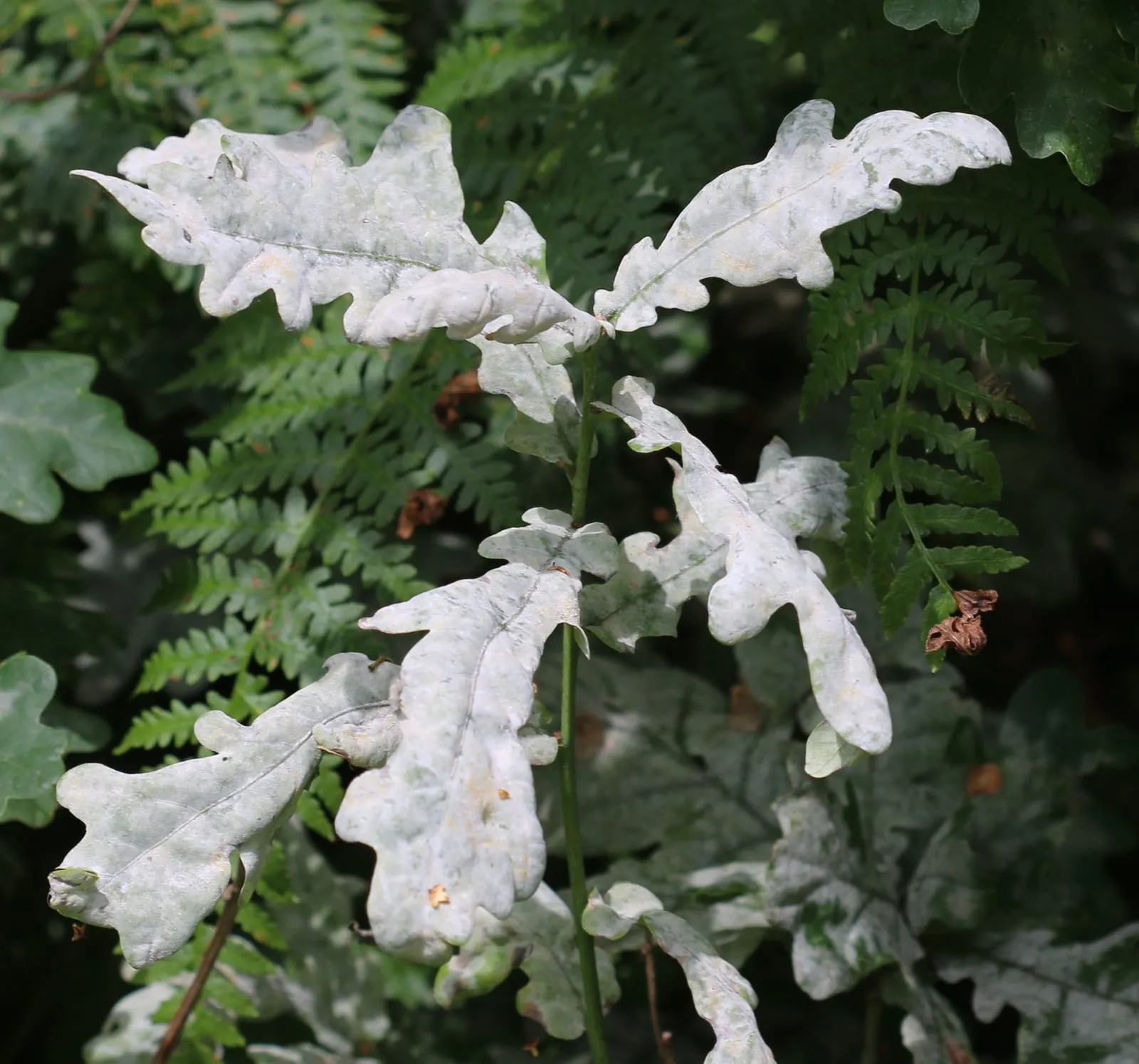
Multiple species (Erysiphales)
Surface-feeding fungal disease producing white powdery growth on leaves and stems. Reduces yield by stealing photosynthate and accelerating senescence.
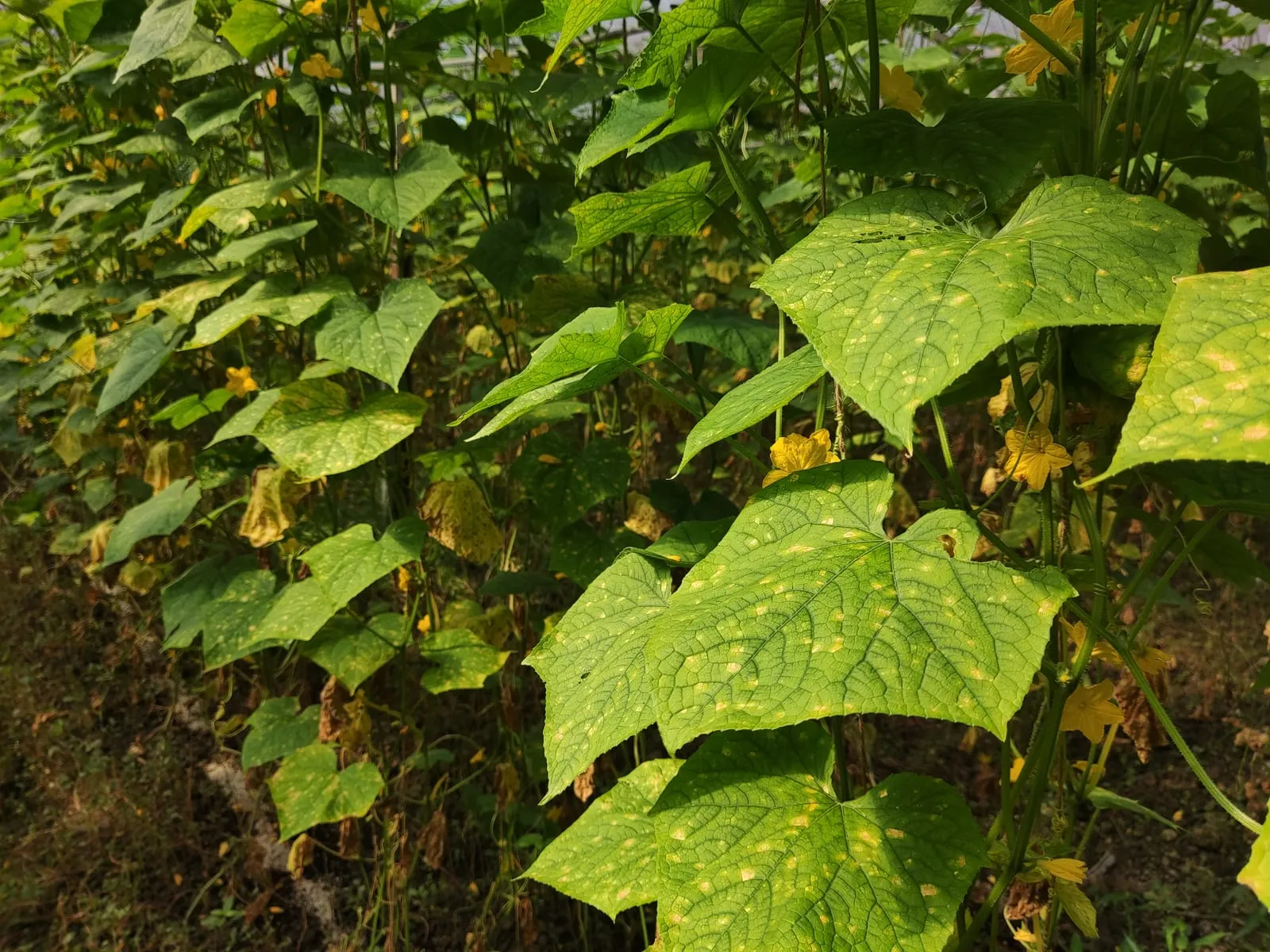
Pseudoperonospora cubensis (cucurbits) and others
Water mold (oomycete, not a true fungus) that thrives in cool damp conditions. Spreads rapidly through cucurbit and brassica plantings on wind-borne spores.
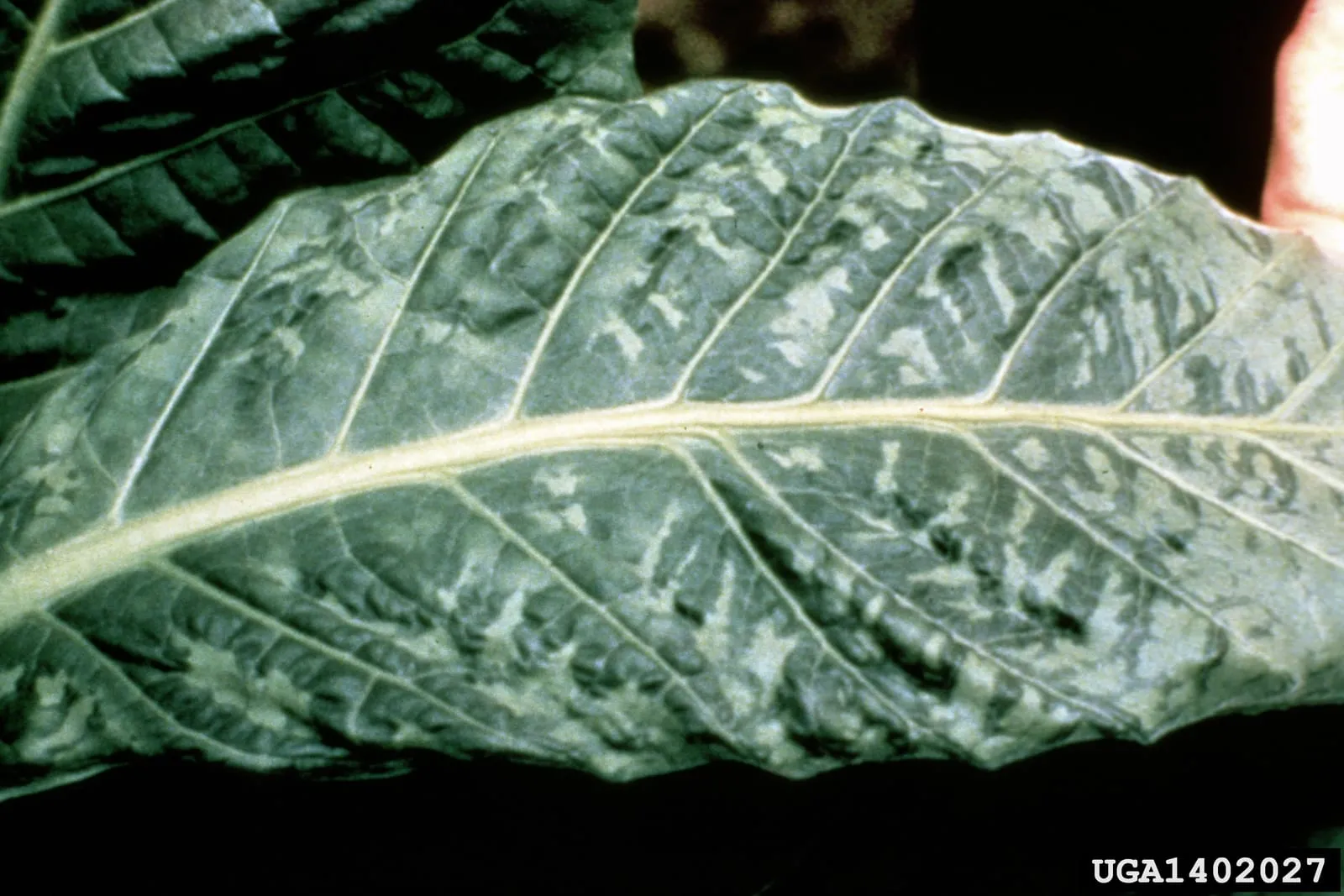
Cucumber mosaic virus, Tobacco mosaic virus, and others
Family of plant viruses producing mottled yellow-and-green leaf patterns. Vectored primarily by aphids; some are seed-transmitted or spread by handling tools and tobacco products.
Modified care for zone 7a
The primary adjustment zone 7a demands is disease management. High summer humidity combined with dense vine canopy creates near-ideal conditions for powdery mildew and downy mildew. Spacing plants at least 6 feet apart in rows 8 to 10 feet apart improves airflow substantially. Drip or soaker irrigation at the base keeps foliage dry; overhead watering in the afternoon should be avoided during July and August when mildew pressure peaks.
Mulching is more useful in zone 7a than in cooler climates. A 3 to 4 inch layer of straw regulates soil temperature during summer heat and reduces splash-back that carries soilborne pathogens onto lower leaves. Cinderella and other flat-bottomed varieties benefit from a tile or small board placed under each fruit once it sets, preventing rot at the soil contact point in wet stretches. No winter protection is relevant for this annual crop, and supplemental heat is not necessary in this zone.
Pumpkin in adjacent zones
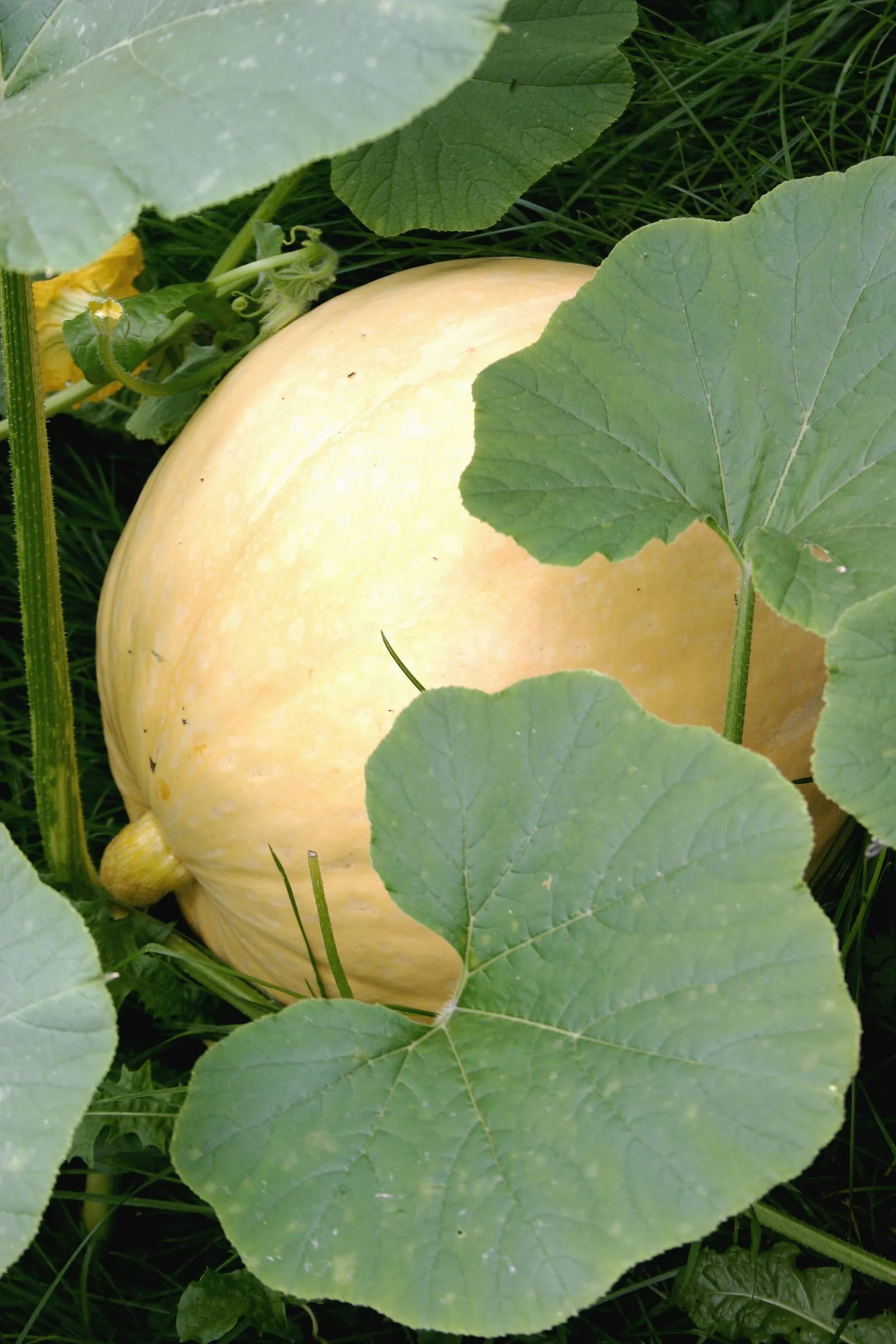
Image: "Cucurbita maxima 04", by User:Nino Barbieri, via Wikimedia Commons, licensed under CC-BY Source.

Related