vegetable in zone 7b
Growing pumpkin in zone 7b
Cucurbita pepo and Cucurbita maxima
- Zone
- 7b 5°F to 10°F
- Growing season
- 220 days
- Suitable varieties
- 3
- Days to harvest
- 90 to 120
The verdict
Pumpkin is well-suited to zone 7b. As a warm-season annual, it requires no winter chilling, so the zone's minimum temperatures of 5 to 10°F are irrelevant to crop performance. What matters is a warm, long growing season, and zone 7b delivers: at 220 days, there is ample room for even the longest-maturing varieties, which typically run 100 to 120 days from direct sowing to harvest.
Zone 7b sits squarely in the productive heart of pumpkin territory across the mid-Atlantic and upper South. It is not a marginal zone for this crop. The primary limitations here are not cold but heat and humidity: late summer disease pressure accelerates faster than in cooler northern zones, and the combination of powdery mildew, downy mildew, and persistent insect pressure can shorten the vine's productive window if management is passive. Variety selection and timing matter more than zone suitability here.
Recommended varieties for zone 7b
3 cultivars suited to this zone, with disease-resistance and zone-fit annotations.
| Variety | Notes | Zone fit | Disease resistance |
|---|---|---|---|
| Howden fits zone 7b | Tasteless, fibrous; the classic carving pumpkin (large, deeply ribbed orange). Jack-o'-lanterns, decoration. Productive, holds shape, the industry standard. | | none noted |
| Sugar Pie fits zone 7b | Sweet, dense, smooth flesh; small (4-6 lb) classic pie pumpkin. Pies, custards, soups, roasting. Stores 2-3 months, the home-baker's standard. | | none noted |
| Cinderella (Rouge Vif d'Etampes) fits zone 7b | Sweet, mild, tender; deeply ribbed dark-orange French heirloom. Pies, soups, stuffed and roasted whole. Decorative and culinary, productive. | | none noted |
Critical timing for zone 7b
In zone 7b, direct sow pumpkin seeds outdoors after the last frost, which falls between late March and mid-April depending on location. For Halloween harvest, count backward 90 to 120 days from late October and target a late May to early June planting window. Starting too early exposes seedlings to a late frost; starting too late pushes harvest into November, after the first fall frost, which runs early to mid-November across most of zone 7b.
Flowers appear roughly 50 to 60 days after germination. Pollination occurs through midsummer, with fruit sizing up through August and September. Curing begins once the rind hardens and the stem starts to dry, typically with two weeks of warm, dry conditions before storage.
Common challenges in zone 7b
- ▸ Cedar-apple rust pressure heavy in piedmont
- ▸ Japanese beetles
- ▸ Brown marmorated stink bug
- ▸ Late summer disease pressure
Disease pressure to watch for
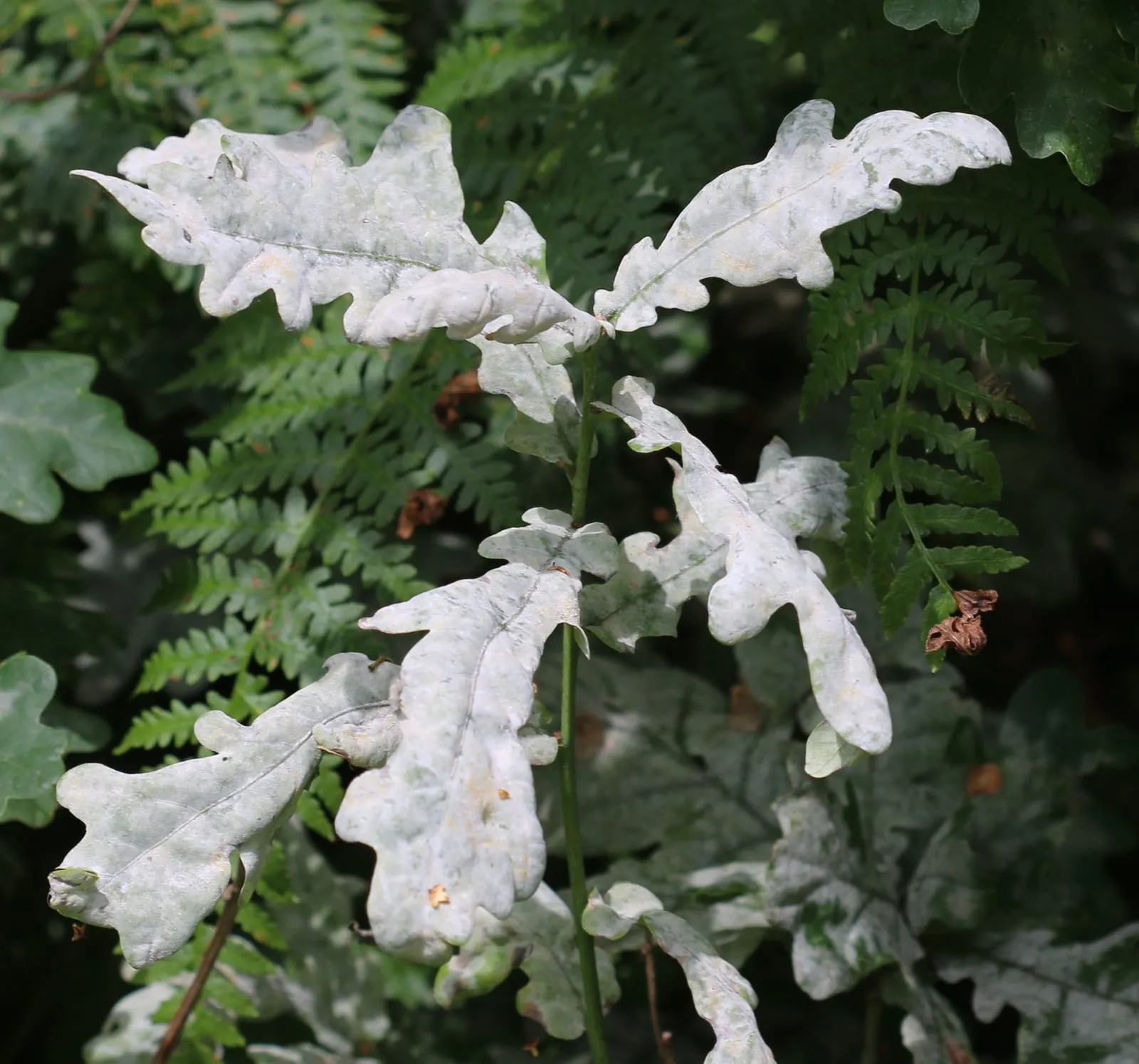
Multiple species (Erysiphales)
Surface-feeding fungal disease producing white powdery growth on leaves and stems. Reduces yield by stealing photosynthate and accelerating senescence.
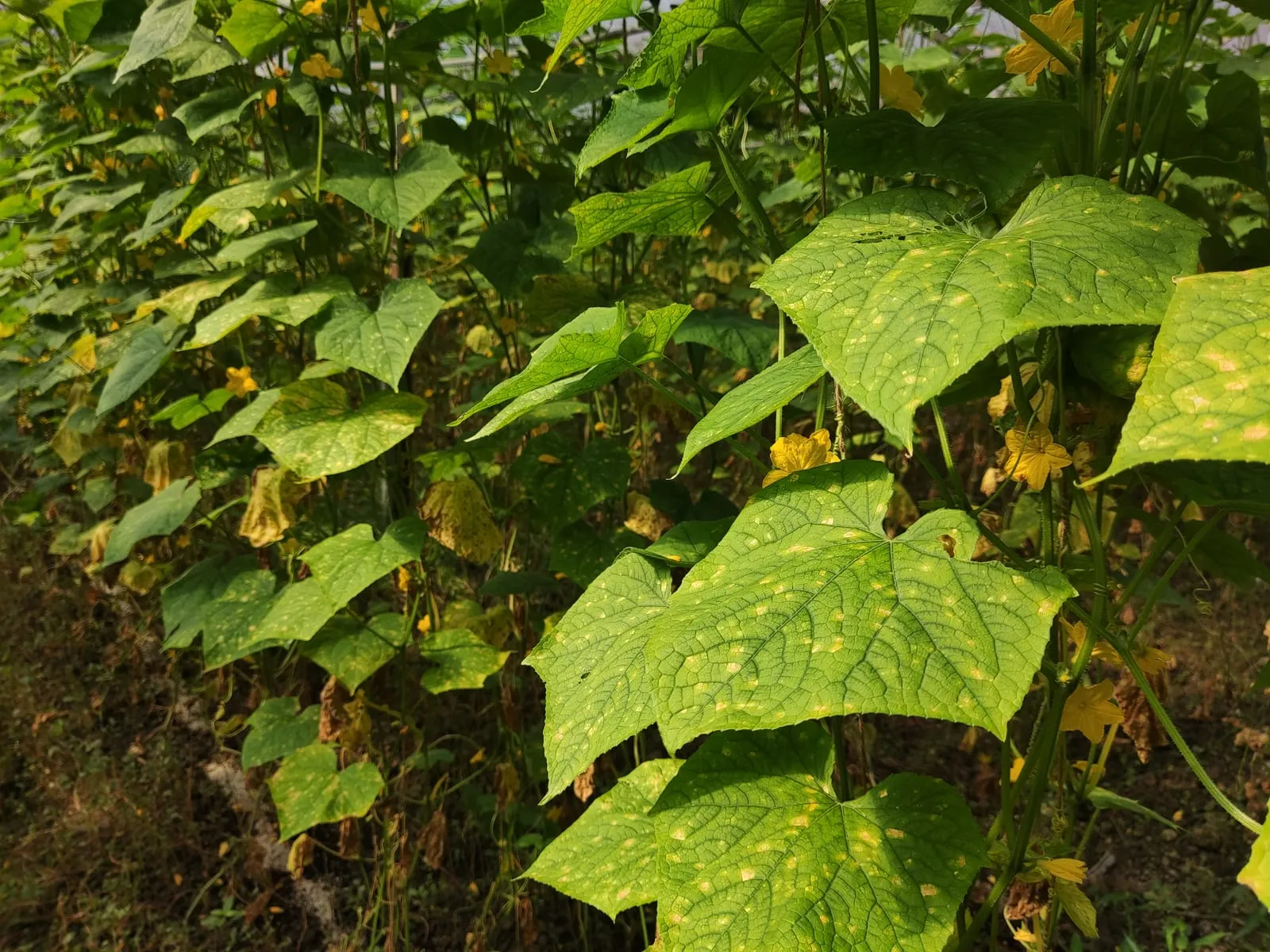
Pseudoperonospora cubensis (cucurbits) and others
Water mold (oomycete, not a true fungus) that thrives in cool damp conditions. Spreads rapidly through cucurbit and brassica plantings on wind-borne spores.
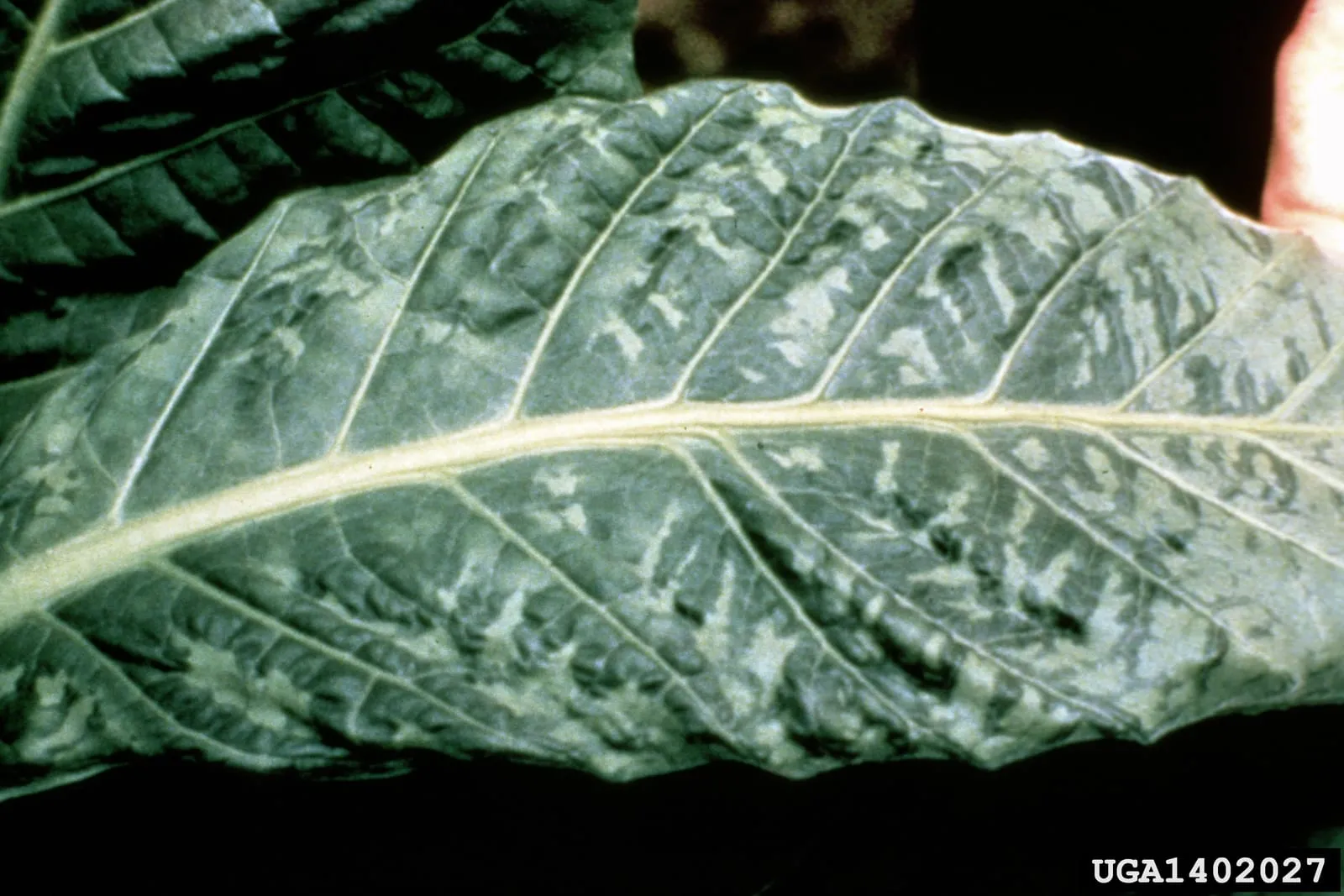
Cucumber mosaic virus, Tobacco mosaic virus, and others
Family of plant viruses producing mottled yellow-and-green leaf patterns. Vectored primarily by aphids; some are seed-transmitted or spread by handling tools and tobacco products.
Modified care for zone 7b
The most significant adjustment in zone 7b is disease management. Powdery mildew and downy mildew both intensify during the hot, humid conditions common across the piedmont and upper South in August. Begin scouting for powdery mildew by late July; once established on lower leaves, it spreads quickly. Resistant varieties reduce pressure but do not eliminate the problem.
Japanese beetles and brown marmorated stink bugs feed on foliage and fruit through summer. Stink bug damage leaves corky, discolored patches on the rind that reduce marketability even when internal flesh is sound. Row covers protect young vines from both pests but must come off once flowering begins to allow pollination.
Avoid overhead irrigation. Drip or furrow watering keeps foliage dry and is strongly preferred in zone 7b's disease-prone late summer.
Pumpkin in adjacent zones
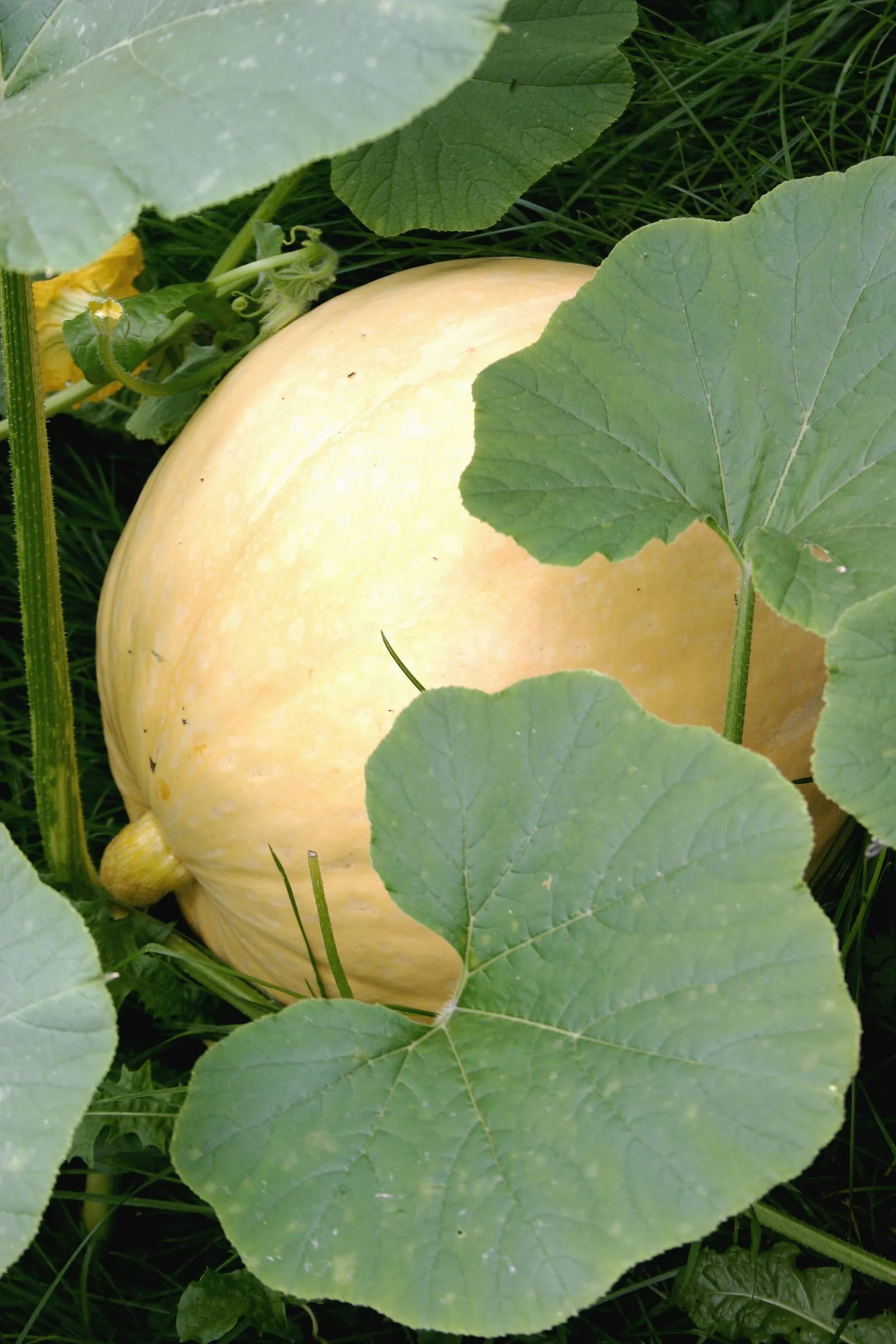
Image: "Cucurbita maxima 04", by User:Nino Barbieri, via Wikimedia Commons, licensed under CC-BY Source.

Related