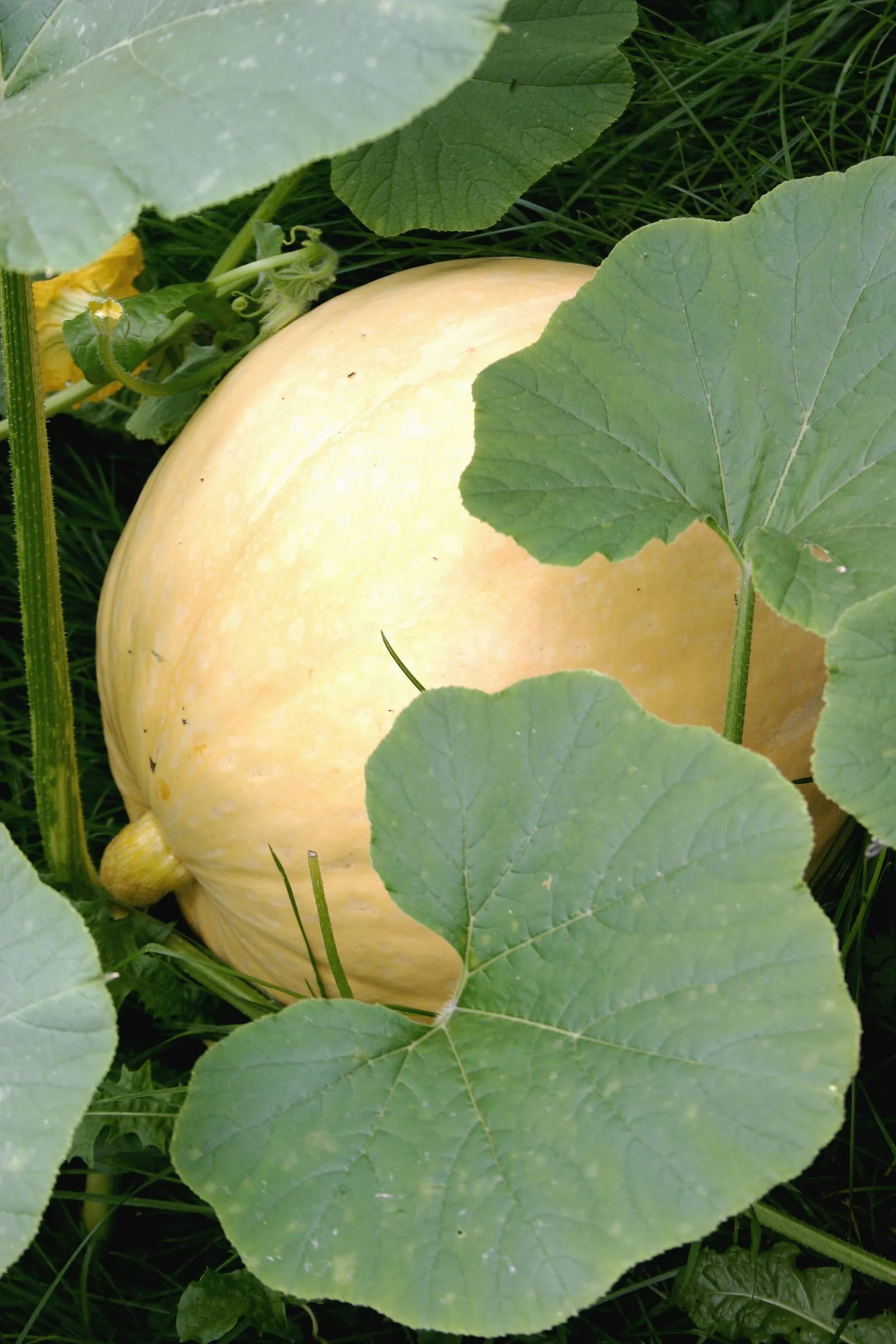
vegetable in zone 8a
Growing pumpkin in zone 8a
Cucurbita pepo and Cucurbita maxima
- Zone
- 8a 10°F to 15°F
- Growing season
- 240 days
- Suitable varieties
- 2
- Days to harvest
- 90 to 120
The verdict
Pumpkins are warm-season annuals with no chill-hour requirement, which makes zone 8a a comfortable fit rather than a marginal one. Minimum temperatures of 10 to 15°F carry no meaningful winter risk to a crop that completes its life cycle entirely within the frost-free season. The 240-day growing season in zone 8a is well in excess of what even large-fruited varieties need to reach full maturity.
The primary limitation is summer heat. Extended periods above 90°F can impair pollen viability during the bloom window, reducing fruit set. Timing plantings to push bloom into the cooler shoulder of late summer or early fall partially offsets this. Both Howden and Cinderella (Rouge Vif d'Etampes) perform reliably in this zone; Cinderella's shorter maturity window gives more scheduling flexibility for growers trying to avoid peak heat during bloom.
Disease pressure from Vegetable Powdery Mildew and Downy Mildew is a more persistent management burden in zone 8a's humid summers than in drier or cooler parts of the pumpkin's range.
Recommended varieties for zone 8a
2 cultivars suited to this zone, with disease-resistance and zone-fit annotations.
| Variety | Notes | Zone fit | Disease resistance |
|---|---|---|---|
| Howden fits zone 8a | Tasteless, fibrous; the classic carving pumpkin (large, deeply ribbed orange). Jack-o'-lanterns, decoration. Productive, holds shape, the industry standard. | | none noted |
| Cinderella (Rouge Vif d'Etampes) fits zone 8a | Sweet, mild, tender; deeply ribbed dark-orange French heirloom. Pies, soups, stuffed and roasted whole. Decorative and culinary, productive. | | none noted |
Critical timing for zone 8a
Zone 8a's 240-day growing season supports two viable planting windows. A spring planting, timed one to two weeks after the last frost, produces a summer harvest. More commonly, growers target a fall harvest by back-calculating from the expected first fall frost: count back by the variety's days-to-maturity plus a two-week buffer to set the sowing date. For Howden, which matures in roughly 110 to 115 days under typical conditions, this calculation points to a late June or early July sowing. Cinderella, closer to 95 to 100 days, allows sowing into early August.
Pumpkins bloom approximately 8 to 10 weeks after germination. A late June planting puts bloom in August, typically the hottest stretch of the zone 8a season, which increases the risk of incomplete pollination during sustained heat.
Common challenges in zone 8a
- ▸ Insufficient chill hours for some apple varieties
- ▸ Pierce's disease in grapes
- ▸ Heat stress on cool-season crops
Disease pressure to watch for
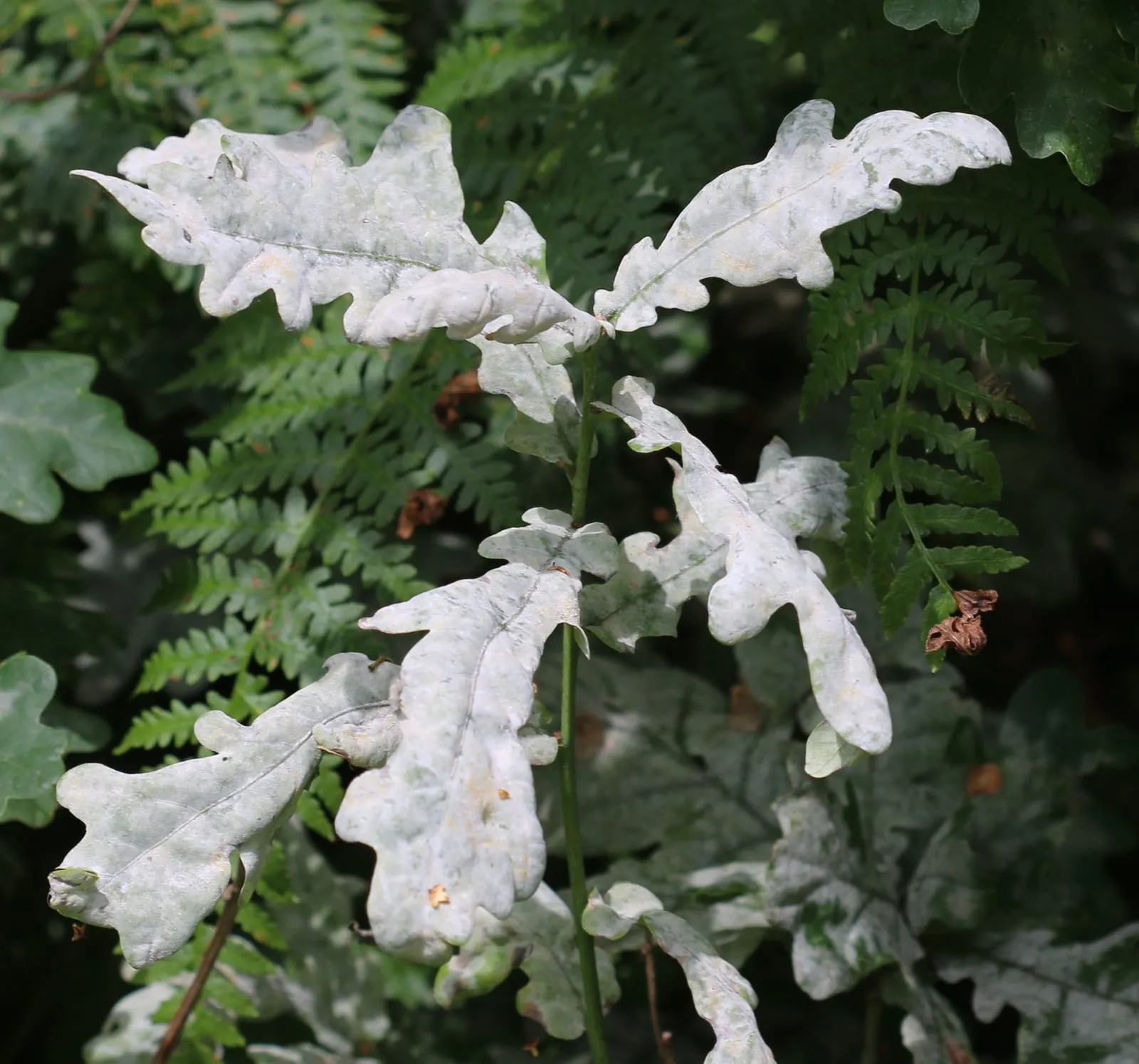
Multiple species (Erysiphales)
Surface-feeding fungal disease producing white powdery growth on leaves and stems. Reduces yield by stealing photosynthate and accelerating senescence.
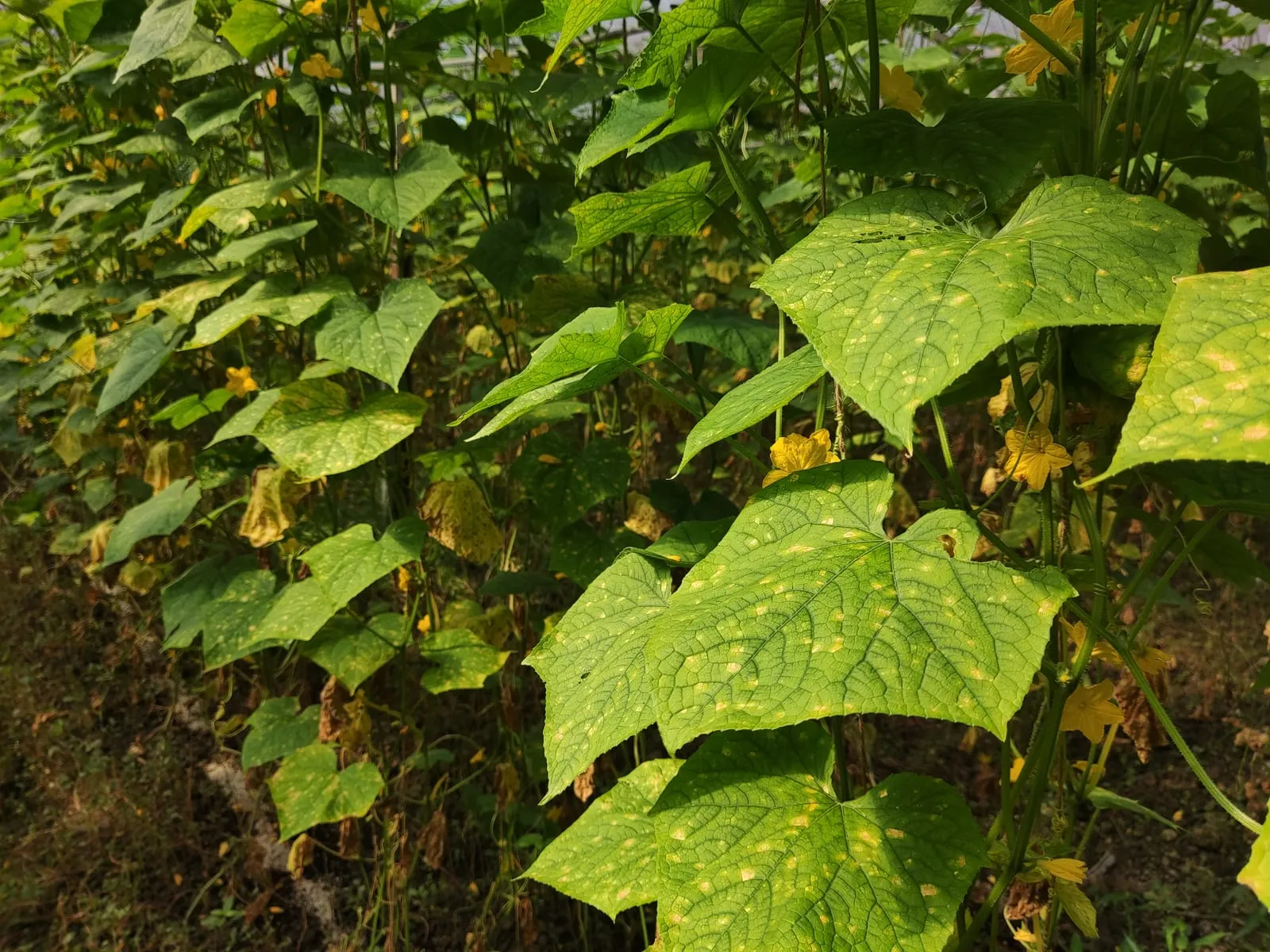
Pseudoperonospora cubensis (cucurbits) and others
Water mold (oomycete, not a true fungus) that thrives in cool damp conditions. Spreads rapidly through cucurbit and brassica plantings on wind-borne spores.
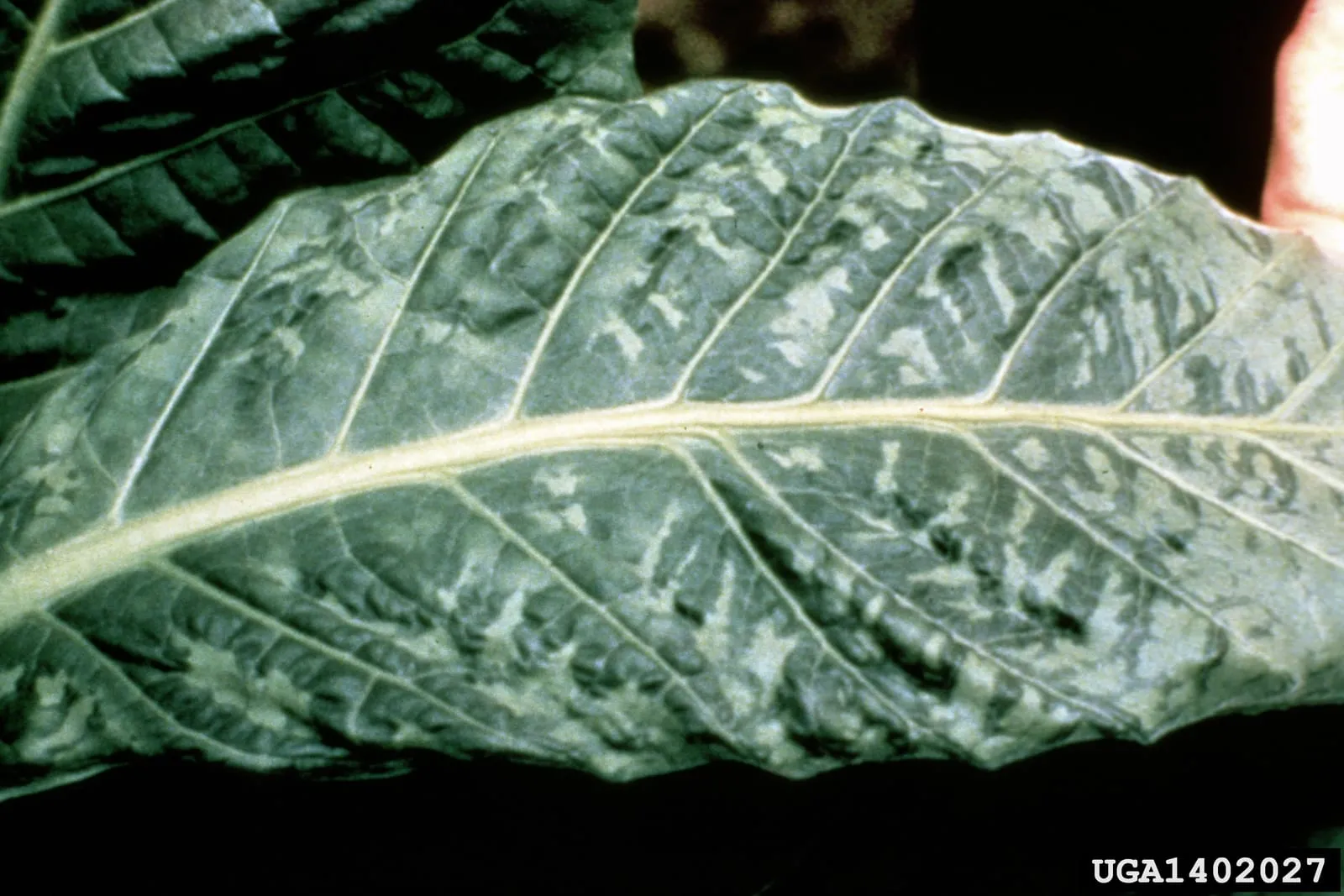
Cucumber mosaic virus, Tobacco mosaic virus, and others
Family of plant viruses producing mottled yellow-and-green leaf patterns. Vectored primarily by aphids; some are seed-transmitted or spread by handling tools and tobacco products.
Modified care for zone 8a
Disease management is the primary adjustment in zone 8a. Vegetable Powdery Mildew and Downy Mildew both persist more aggressively in warm, humid summers than in cooler or drier climates. Wide plant spacing, consistent airflow through the canopy, and drip irrigation in place of overhead watering reduce infection pressure meaningfully. Both Howden and Cinderella carry some field tolerance to powdery mildew, but neither is resistant enough to skip preventive management in this zone.
Heat stress during the bloom window requires attention as well. Consistent soil moisture through drip irrigation and heavy mulching buffer plants against wilting stress that can cause fruit abortion. During sustained heat above 90°F, female flowers may open and fail to set fruit even when pollinators are active; early-morning hand pollination is a reliable workaround when that pattern appears.
Frequently asked questions
- Is zone 8a too hot to grow pumpkins?
Zone 8a is not too hot overall, but summer peak heat can reduce fruit set if bloom coincides with extended stretches above 90°F. Timing a late-June or July planting to shift bloom into late summer, combined with consistent irrigation, handles this adequately for most seasons.
- Which pumpkin varieties do best in zone 8a?
Howden and Cinderella (Rouge Vif d'Etampes) are both reliable in zone 8a. Cinderella's shorter maturity window gives more flexibility to dodge the hottest part of the bloom window. Both carry some field tolerance to powdery mildew, which is the most common disease threat in this zone.
- Can zone 8a growers get two pumpkin crops in a year?
The 240-day growing season makes it technically possible to plant spring and fall crops, but summer heat between the two windows creates disease and heat-stress complications. Most growers in zone 8a focus on a single fall crop timed to harvest in October.
- How do I manage powdery mildew on pumpkins in zone 8a?
Space plants to maintain airflow, use drip irrigation to keep foliage dry, and scout early for the characteristic white coating on leaf surfaces. Selecting tolerant varieties like Howden or Cinderella helps, but preventive management is still necessary given zone 8a's humid summer conditions.
+−
+−
+−
+−
Pumpkin in adjacent zones
Image: "Cucurbita maxima 04", by User:Nino Barbieri, via Wikimedia Commons, licensed under CC-BY Source.

Related