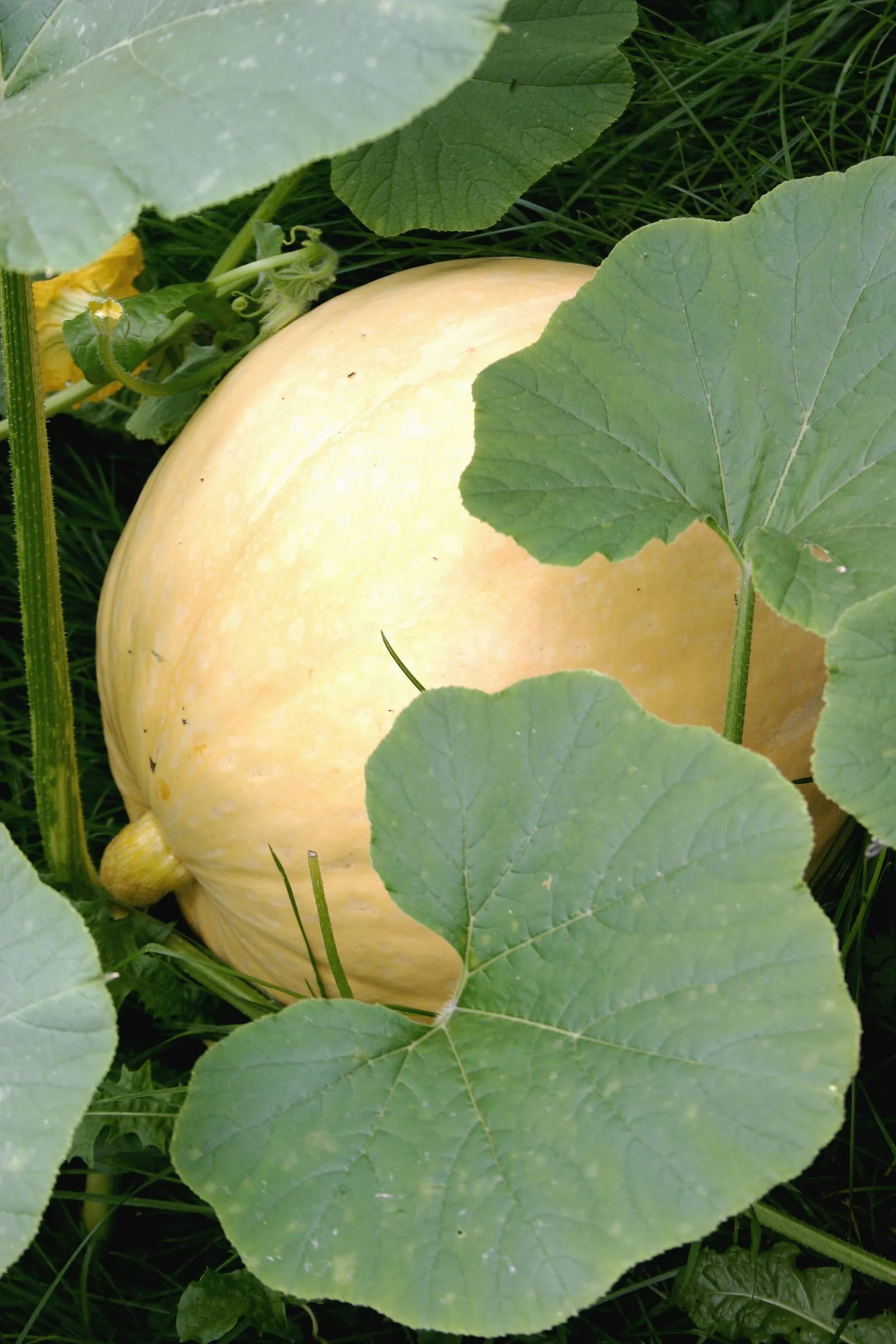
vegetable in zone 8b
Growing pumpkin in zone 8b
Cucurbita pepo and Cucurbita maxima
- Zone
- 8b 15°F to 20°F
- Growing season
- 260 days
- Suitable varieties
- 0
- Days to harvest
- 90 to 120
The verdict
Zone 8b is a reliable fit for pumpkins. The 260-day frost-free season far exceeds what even the longest-maturing varieties need, typically 75 to 100 days from transplant depending on type. Pumpkins are warm-season annuals with no chill-hour requirement, so the mild zone 8b winters present no obstacle on that front.
The real constraint in this zone is summer heat rather than cold. Temperatures consistently above 90°F during the bloom period can reduce fruit set, as pollen viability drops under sustained heat stress. Growers targeting a Halloween harvest often find that a late-July planting sidesteps the worst of midsummer heat while still clearing the first fall frost by a comfortable margin.
Nematodes in sandy soils, a noted zone 8b challenge, are worth taking seriously with pumpkins. Cucurbits are moderately susceptible, and nematode populations can build quickly in the warm, well-drained soils common across much of zone 8b's lower coastal plain.
Critical timing for zone 8b
Last frost in zone 8b typically falls between late February and mid-March, varying with elevation and coastal proximity. A spring planting in late March to early April positions the crop for a July or August harvest. For the more common fall-harvest goal, count back 90 to 100 days from the target pick date: a late-July direct sowing aims for late October harvest, well ahead of the zone's first fall frost, which generally arrives in late November to early December.
Bloom occurs roughly 50 to 60 days after direct sowing. For fall plantings in zone 8b, that window often lands in August and September. Fruit development from pollination to maturity takes an additional four to six weeks, so any significant heat event during that stretch can slow sizing.
Common challenges in zone 8b
- ▸ Low chill hours limit apple variety selection
- ▸ Citrus greening risk
- ▸ Nematodes in sandy soils
Disease pressure to watch for
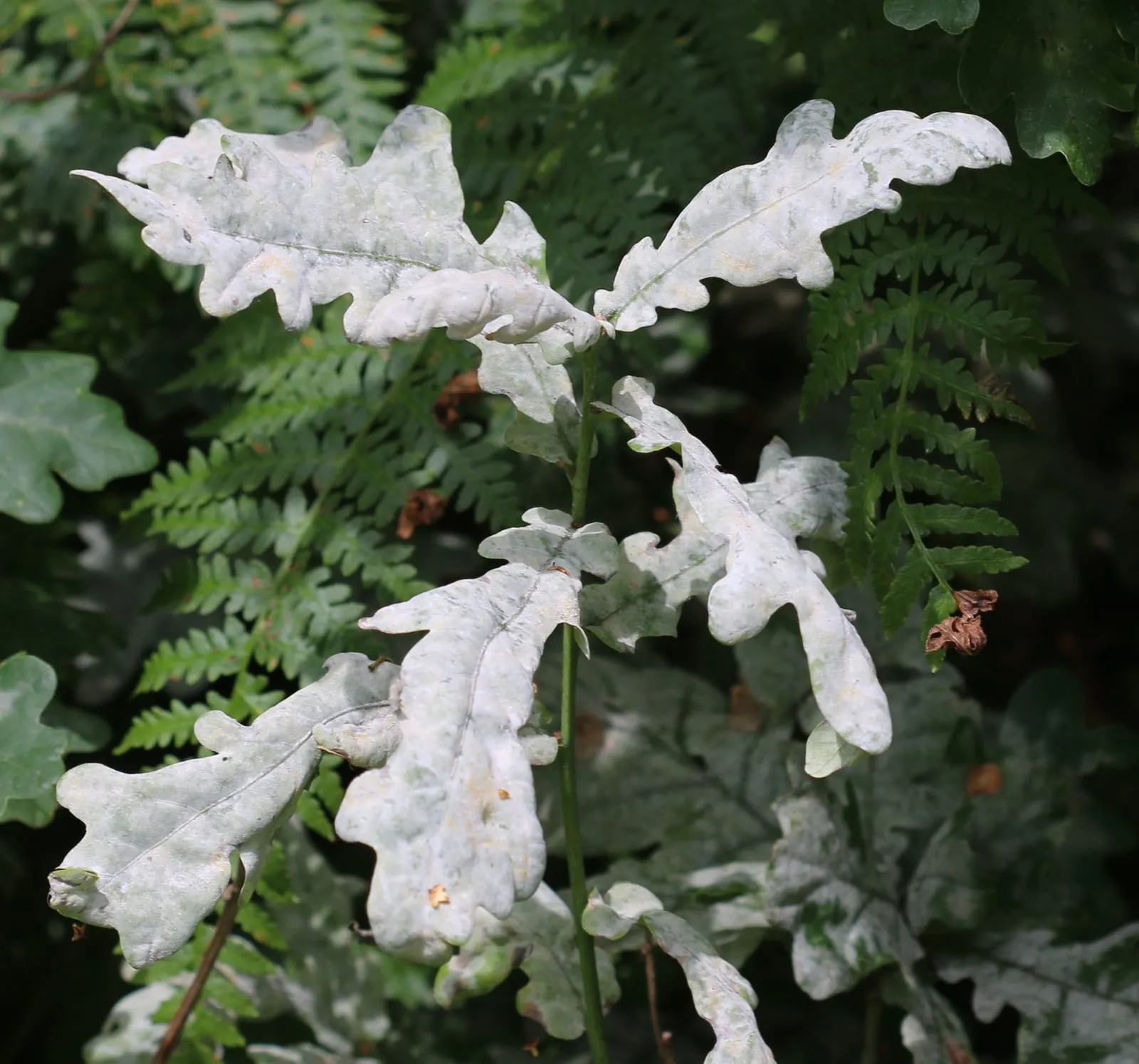
Multiple species (Erysiphales)
Surface-feeding fungal disease producing white powdery growth on leaves and stems. Reduces yield by stealing photosynthate and accelerating senescence.
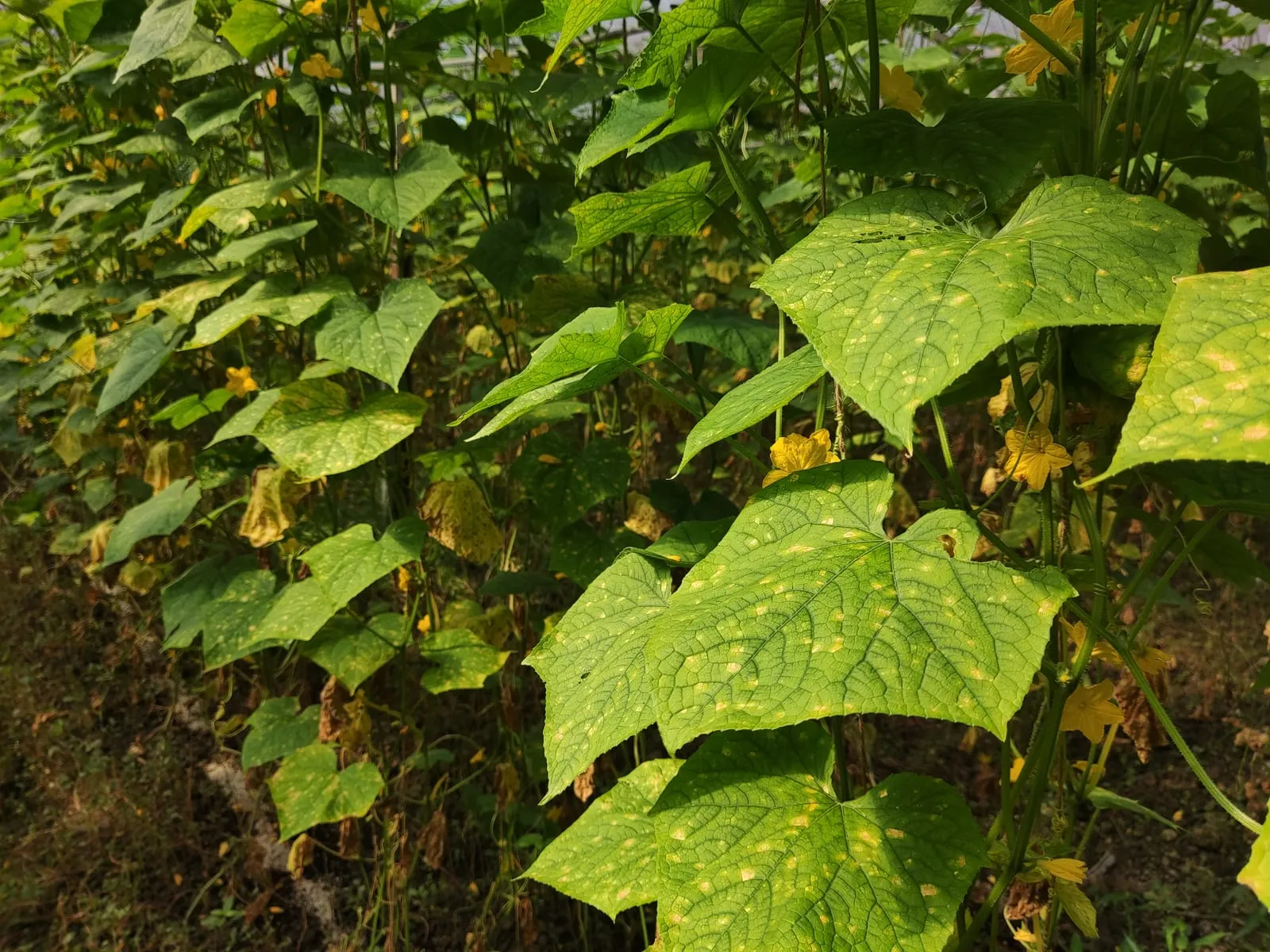
Pseudoperonospora cubensis (cucurbits) and others
Water mold (oomycete, not a true fungus) that thrives in cool damp conditions. Spreads rapidly through cucurbit and brassica plantings on wind-borne spores.
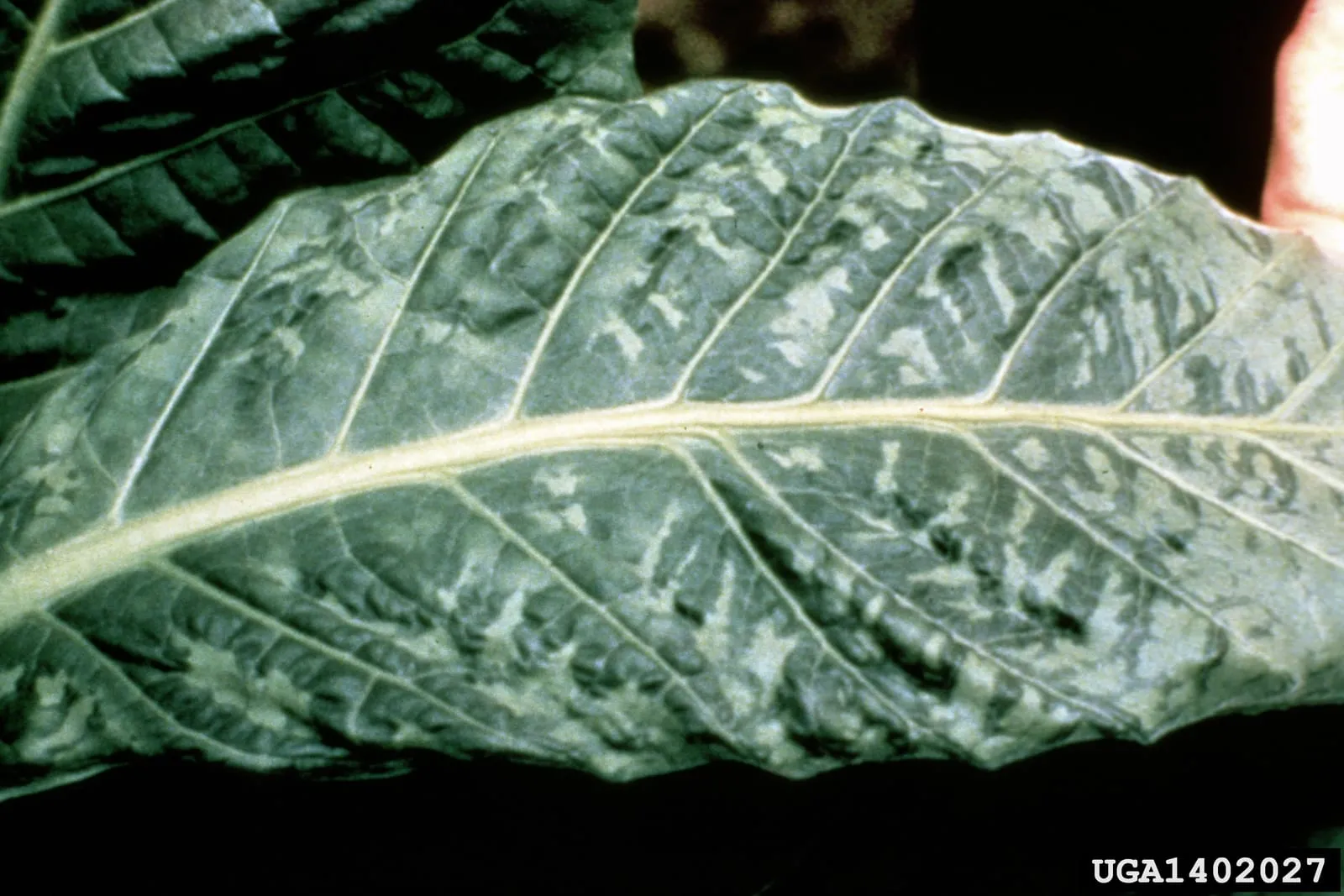
Cucumber mosaic virus, Tobacco mosaic virus, and others
Family of plant viruses producing mottled yellow-and-green leaf patterns. Vectored primarily by aphids; some are seed-transmitted or spread by handling tools and tobacco products.
Modified care for zone 8b
Powdery mildew and downy mildew are the primary management focus in zone 8b. Warm nights and high humidity create near-ideal conditions for both, particularly in August and September. Spacing plants to maximize airflow and avoiding overhead irrigation reduce infection pressure; weekly scouting once vines begin running allows early intervention before spread becomes difficult to manage.
Nematode management warrants attention before planting, especially in sandy, well-drained soils. Rotating pumpkins with non-cucurbit crops and incorporating organic matter to support beneficial soil biology are practical low-input approaches. Where root-knot nematode pressure has been confirmed in prior seasons, a cover crop of French marigold the season before pumpkins is worth the planning effort.
Thick mulch around the base conserves soil moisture during dry spells, which in zone 8b summers can arrive quickly between rain events and stress vines during the critical fruit-fill period.
Pumpkin in adjacent zones
Image: "Cucurbita maxima 04", by User:Nino Barbieri, via Wikimedia Commons, licensed under CC-BY Source.

Related