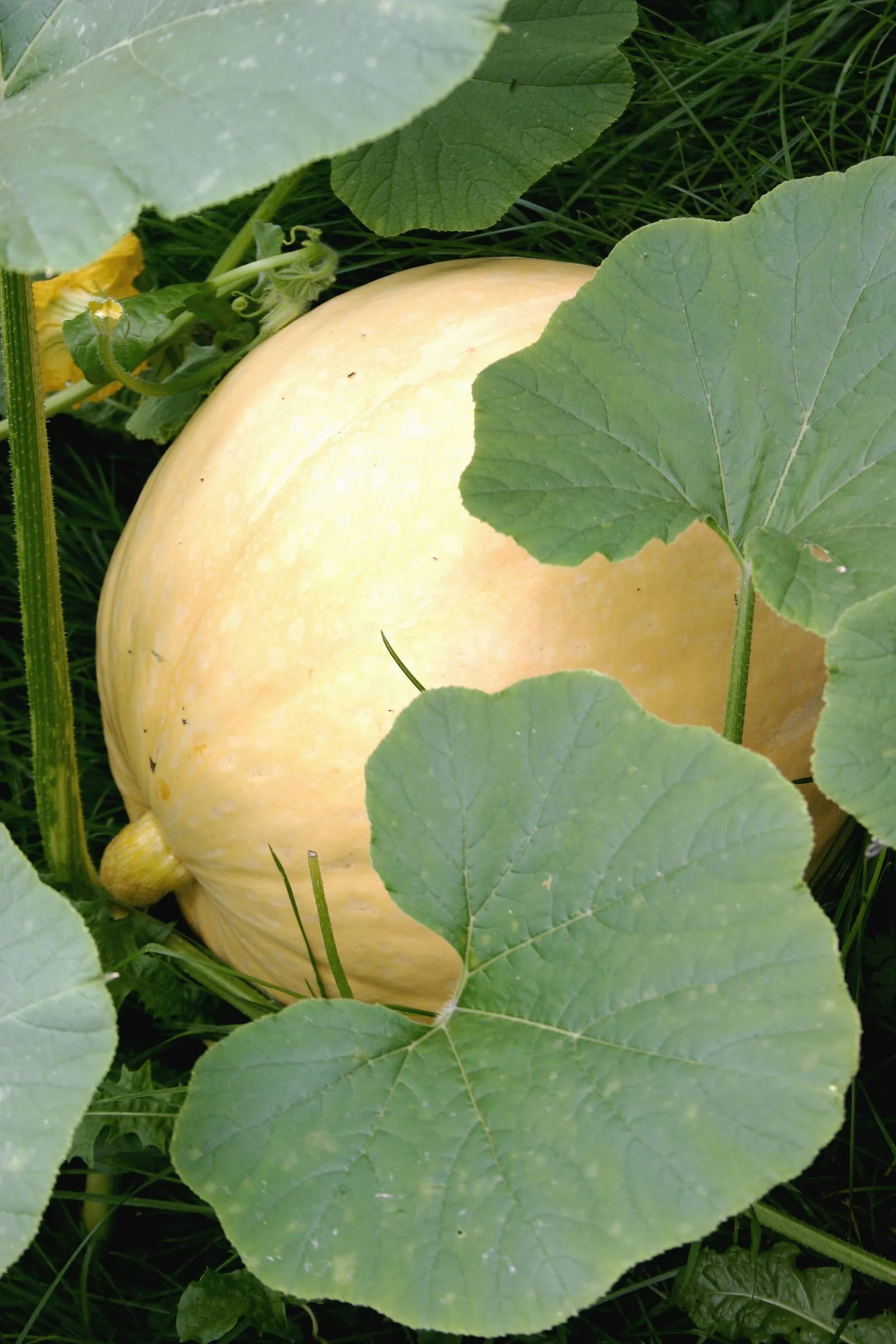
vegetable in zone 6b
Growing pumpkin in zone 6b
Cucurbita pepo and Cucurbita maxima
- Zone
- 6b -5°F to 0°F
- Growing season
- 190 days
- Suitable varieties
- 4
- Days to harvest
- 90 to 120
The verdict
Zone 6b, with minimum winter temperatures between -5°F and 0°F and a frost-free growing season of roughly 190 days, is a solid fit for pumpkins. Unlike perennial fruit crops, pumpkins carry no chill-hour requirement; the relevant threshold is the frost-free window, and 190 days exceeds what any standard variety needs. Days to maturity across the four recommended varieties runs from about 75 days (Sugar Pie) to 115 days (Howden, Cinderella), leaving a generous buffer on both ends of the season.
Zone 6b sits near the productive center of North American pumpkin cultivation, not at its margins. The varieties listed here are well-calibrated: Howden and Cinderella both finish comfortably before first fall frost with standard zone 6b timing, and Long Pie, grown primarily for cooking, has sufficient runway from a May start. The binding constraints in this zone are humid-summer disease pressure and stink bug populations, not season length.
Recommended varieties for zone 6b
4 cultivars suited to this zone, with disease-resistance and zone-fit annotations.
| Variety | Notes | Zone fit | Disease resistance |
|---|---|---|---|
| Howden fits zone 6b | Tasteless, fibrous; the classic carving pumpkin (large, deeply ribbed orange). Jack-o'-lanterns, decoration. Productive, holds shape, the industry standard. | | none noted |
| Sugar Pie fits zone 6b | Sweet, dense, smooth flesh; small (4-6 lb) classic pie pumpkin. Pies, custards, soups, roasting. Stores 2-3 months, the home-baker's standard. | | none noted |
| Cinderella (Rouge Vif d'Etampes) fits zone 6b | Sweet, mild, tender; deeply ribbed dark-orange French heirloom. Pies, soups, stuffed and roasted whole. Decorative and culinary, productive. | | none noted |
| Long Pie fits zone 6b | Sweet, deep flavor, fine-grained; banana-shaped orange pumpkin (looks like overgrown zucchini). The pie maker's connoisseur choice. Stores well. | | none noted |
Critical timing for zone 6b
Direct sowing or transplanting goes out after last frost, which falls between late April and mid-May across most of zone 6b. Most growers target the first two weeks of May to clear any late frost risk while maximizing summer heat accumulation.
Vines begin setting female flowers roughly 8 to 10 weeks after germination, placing the bloom window in mid to late July for a standard May start. Pollination extends through August for successive fruits. Harvest timing is largely backward-planned from a target date: a mid-May sow brings Howden to maturity around late September; Sugar Pie, at 75 days from the same start, finishes in early September. First fall frost in zone 6b typically arrives in mid to late October, providing comfortable margin even for the longer-season varieties.
Common challenges in zone 6b
- ▸ Cedar-apple rust
- ▸ Fire blight
- ▸ Stink bugs
Disease pressure to watch for
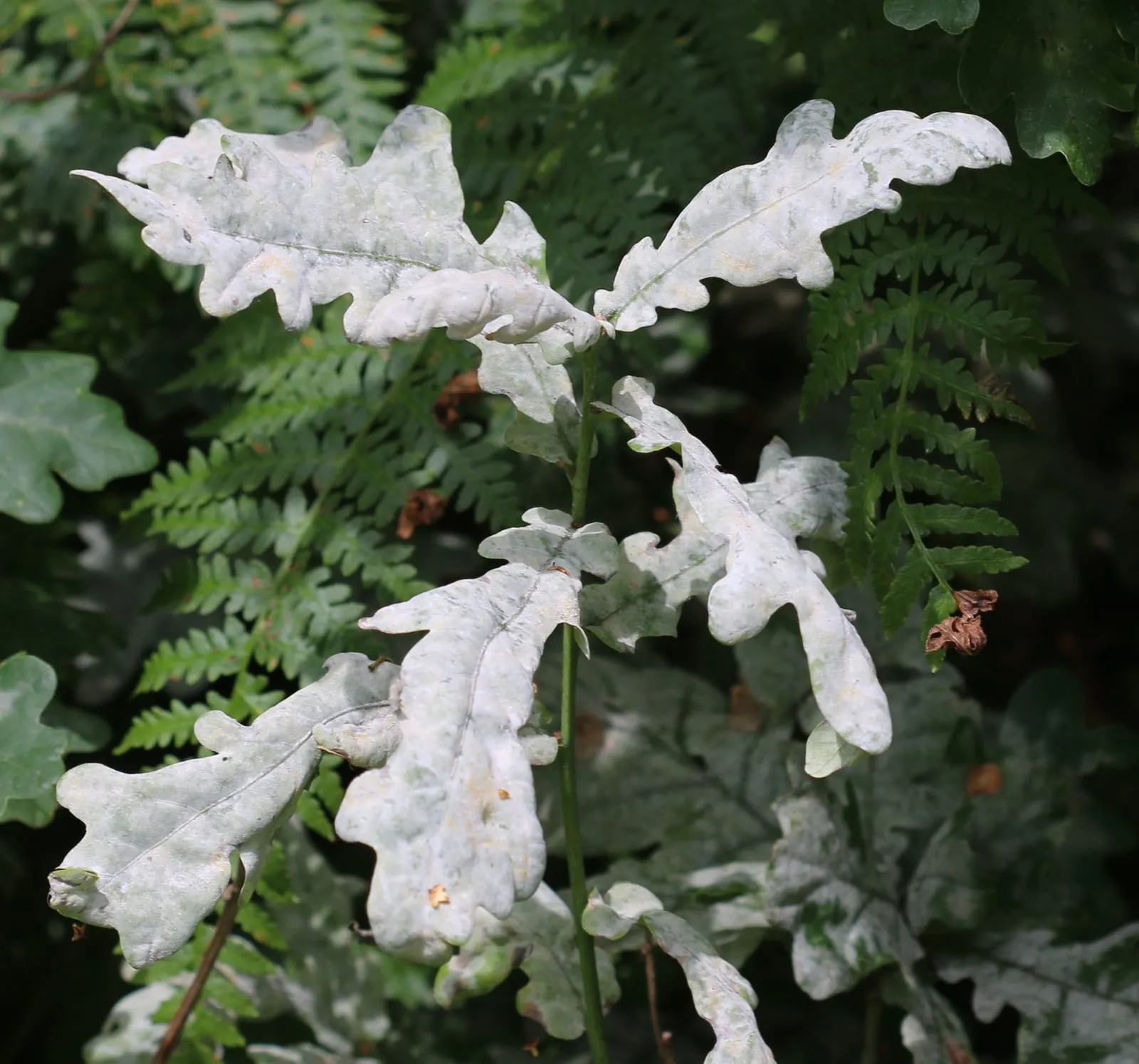
Multiple species (Erysiphales)
Surface-feeding fungal disease producing white powdery growth on leaves and stems. Reduces yield by stealing photosynthate and accelerating senescence.
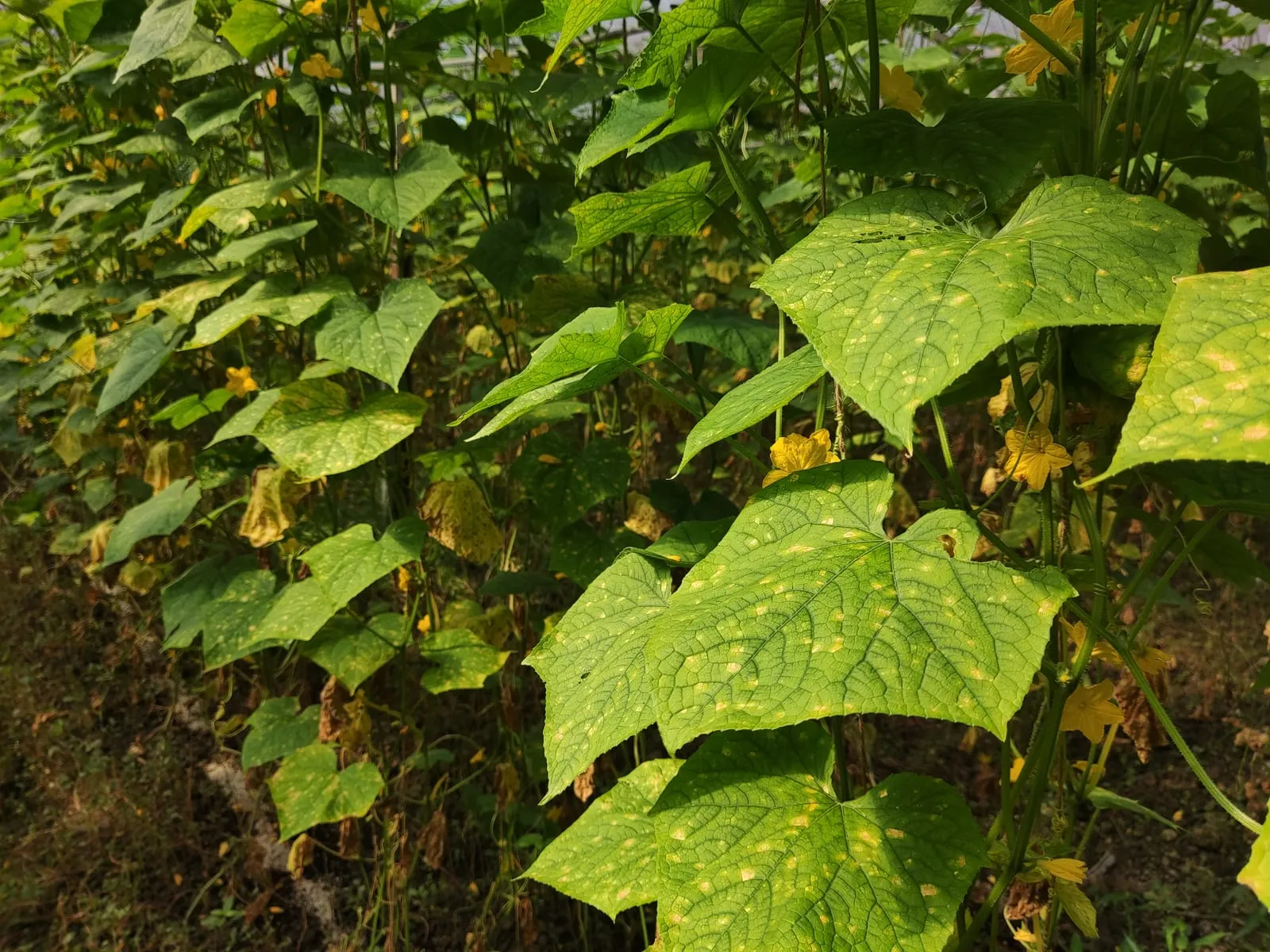
Pseudoperonospora cubensis (cucurbits) and others
Water mold (oomycete, not a true fungus) that thrives in cool damp conditions. Spreads rapidly through cucurbit and brassica plantings on wind-borne spores.
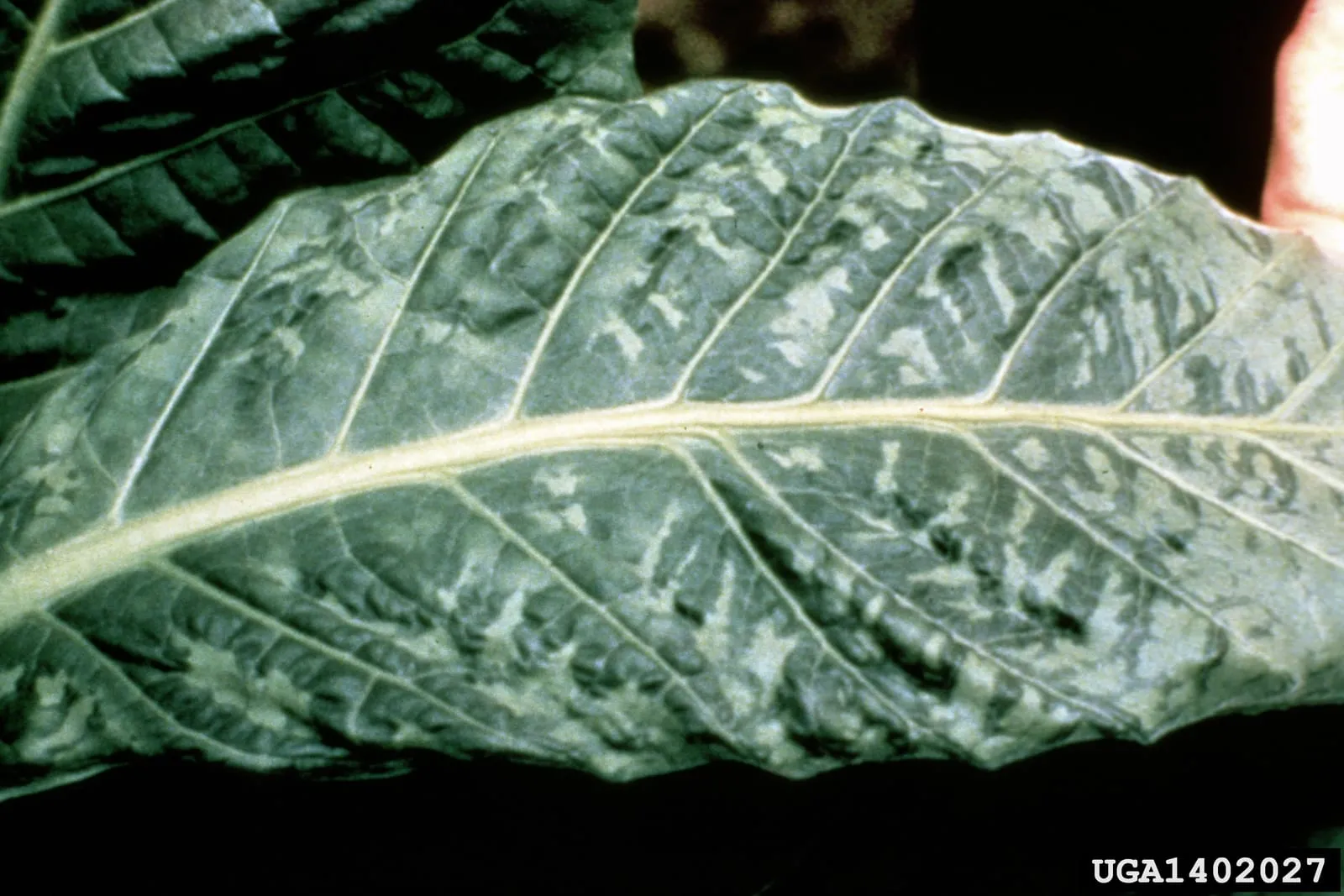
Cucumber mosaic virus, Tobacco mosaic virus, and others
Family of plant viruses producing mottled yellow-and-green leaf patterns. Vectored primarily by aphids; some are seed-transmitted or spread by handling tools and tobacco products.
Modified care for zone 6b
The primary adjustment in zone 6b is managing powdery mildew and downy mildew, both of which intensify as humidity rises through summer and nights begin cooling after mid-August. Improving airflow around vines by avoiding low-lying planting sites and removing dense undergrowth reduces inoculum buildup. Howden and Sugar Pie carry moderate field tolerance to powdery mildew; Cinderella is somewhat more susceptible and benefits from wider plant spacing.
Stink bugs are significant pressure in zone 6b, particularly from late July onward. Row covers protect plants through the vegetative stage, but must come off once female flowers open to allow pollinator access. After covers are removed, scout leaf undersides weekly through August; populations left unmonitored during this window can cause meaningful fruit scarring and internal damage.
No winter protection or overwintering management is needed; pumpkins are grown as warm-season annuals and do not persist in zone 6b.
Pumpkin in adjacent zones
Image: "Cucurbita maxima 04", by User:Nino Barbieri, via Wikimedia Commons, licensed under CC-BY Source.

Related