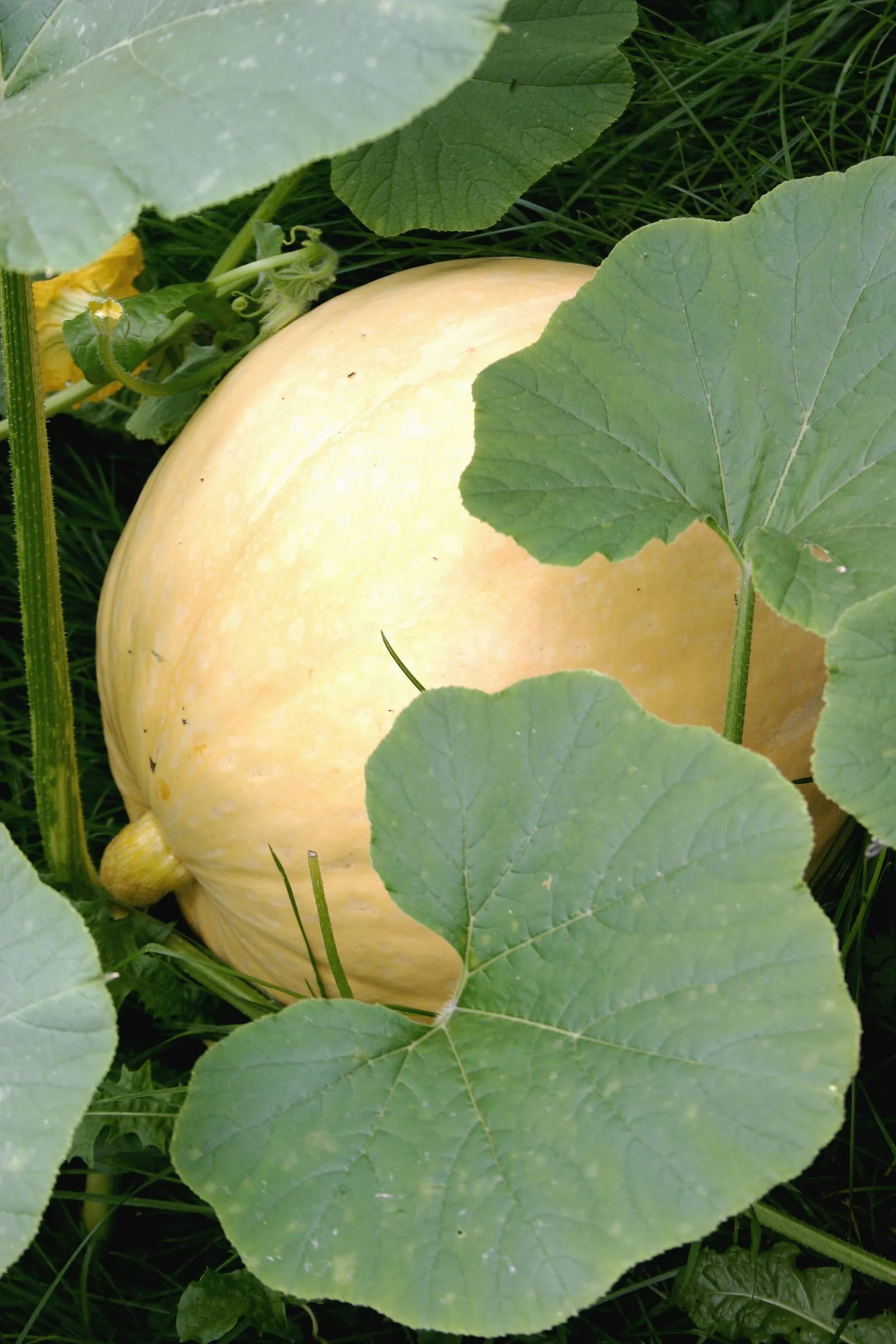
vegetable in zone 6a
Growing pumpkin in zone 6a
Cucurbita pepo and Cucurbita maxima
- Zone
- 6a -10°F to -5°F
- Growing season
- 180 days
- Suitable varieties
- 4
- Days to harvest
- 90 to 120
The verdict
Zone 6a's 180-day frost-free window is well above the requirements for all four listed varieties. Howden and Cinderella (Rouge Vif d'Etampes) mature in roughly 100 to 115 days; Sugar Pie and Long Pie need 90 to 100 days. All four finish comfortably within the zone's growing season, leaving a meaningful buffer on both ends.
Pumpkins are warm-season annuals with no chilling requirement, so the chill-hour framework that governs stone fruit and apple production does not apply here. What matters is soil temperature (60°F or above at sowing depth), a frost-free window long enough to reach maturity, and enough summer heat to size and cure the fruit. Zone 6a meets all three criteria reliably.
This is a solid match between crop and zone, not a marginal situation. Growers willing to manage the mildew pressure that builds during humid mid-Atlantic and Midwest summers will find zone 6a consistently productive for pumpkins at any scale.
Recommended varieties for zone 6a
4 cultivars suited to this zone, with disease-resistance and zone-fit annotations.
| Variety | Notes | Zone fit | Disease resistance |
|---|---|---|---|
| Howden fits zone 6a | Tasteless, fibrous; the classic carving pumpkin (large, deeply ribbed orange). Jack-o'-lanterns, decoration. Productive, holds shape, the industry standard. | | none noted |
| Sugar Pie fits zone 6a | Sweet, dense, smooth flesh; small (4-6 lb) classic pie pumpkin. Pies, custards, soups, roasting. Stores 2-3 months, the home-baker's standard. | | none noted |
| Cinderella (Rouge Vif d'Etampes) fits zone 6a | Sweet, mild, tender; deeply ribbed dark-orange French heirloom. Pies, soups, stuffed and roasted whole. Decorative and culinary, productive. | | none noted |
| Long Pie fits zone 6a | Sweet, deep flavor, fine-grained; banana-shaped orange pumpkin (looks like overgrown zucchini). The pie maker's connoisseur choice. Stores well. | | none noted |
Critical timing for zone 6a
Last spring frost in zone 6a typically falls between mid-April and early May. Direct sowing waits until soil temperature reaches 60°F at seed depth, usually the first two weeks of May. Starting seeds indoors two to three weeks before last frost and transplanting after the danger passes can push planting up by roughly a week, which matters most for larger varieties with longer days-to-maturity.
Flowering begins six to eight weeks after germination, typically mid to late July. Fruit set follows within days, and the time from set to harvest varies by variety. Howden and Cinderella target harvest in late September; Sugar Pie and Long Pie can finish by early September. Zone 6a's first fall frosts arrive around mid-October, providing a comfortable margin before hard freezes damage unharvested fruit. The timing schedule rarely requires heroics.
Common challenges in zone 6a
- ▸ Brown rot in stone fruit
- ▸ Japanese beetles
- ▸ Spring frost damage to peach buds
Disease pressure to watch for
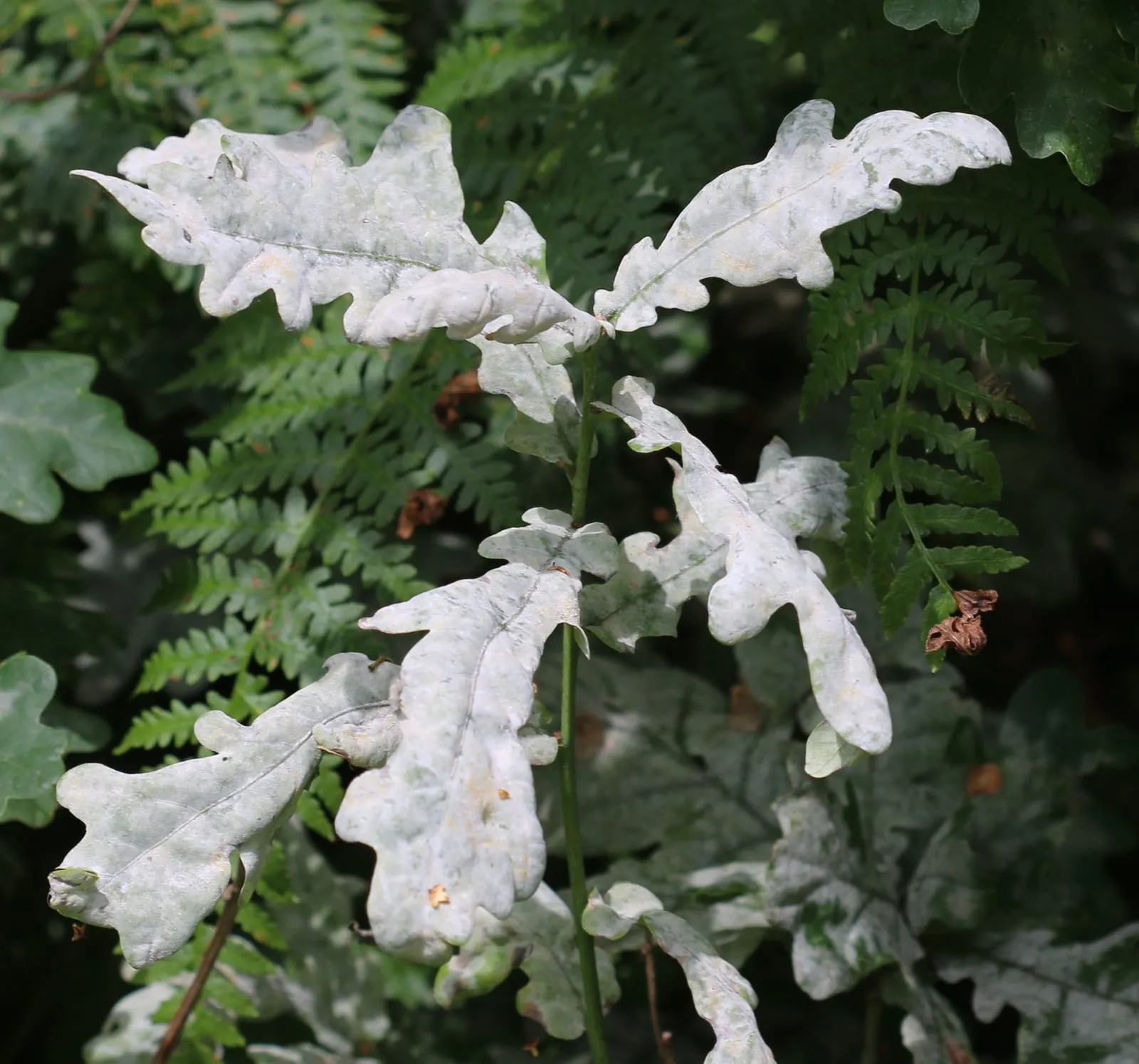
Multiple species (Erysiphales)
Surface-feeding fungal disease producing white powdery growth on leaves and stems. Reduces yield by stealing photosynthate and accelerating senescence.
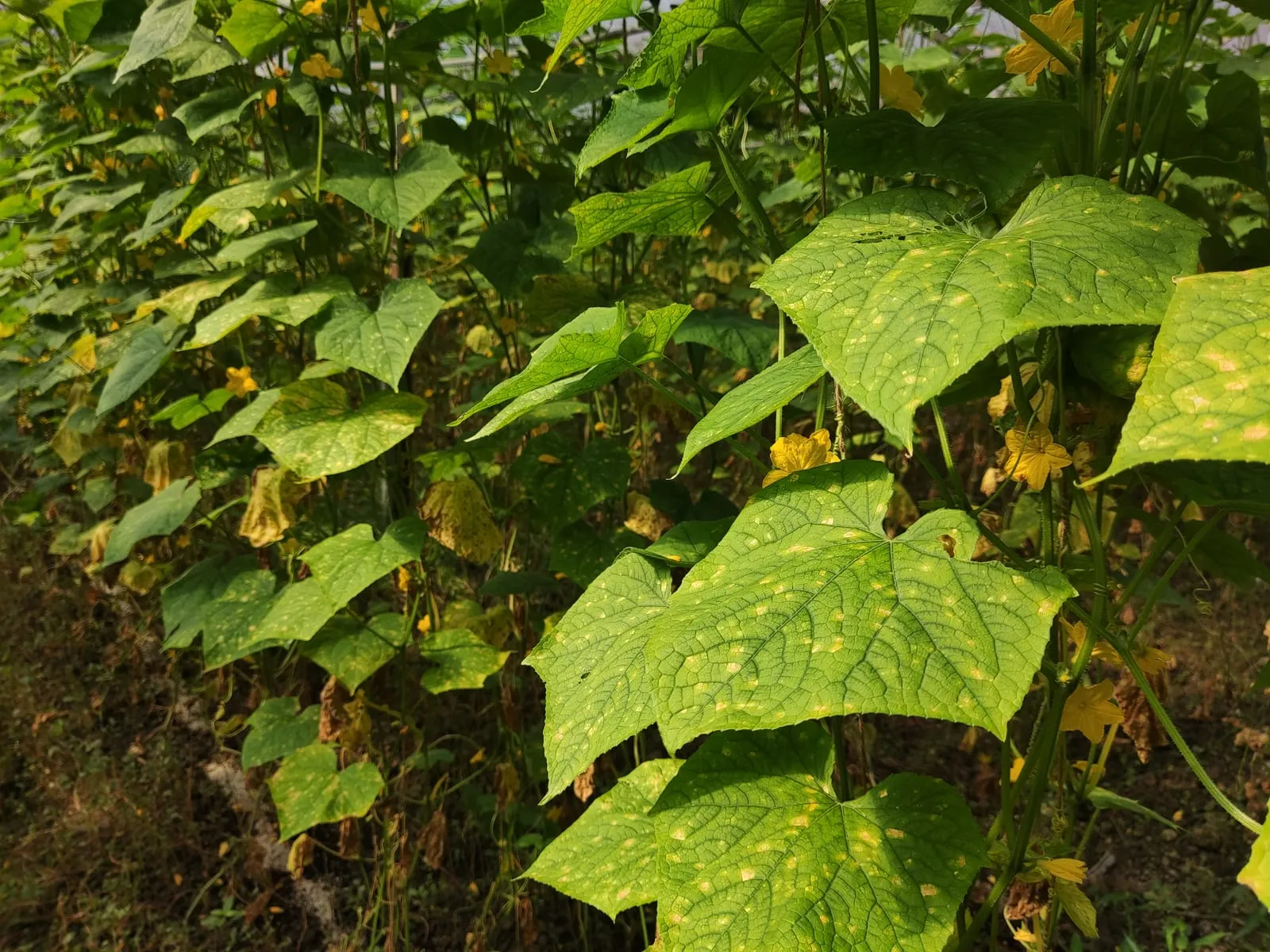
Pseudoperonospora cubensis (cucurbits) and others
Water mold (oomycete, not a true fungus) that thrives in cool damp conditions. Spreads rapidly through cucurbit and brassica plantings on wind-borne spores.
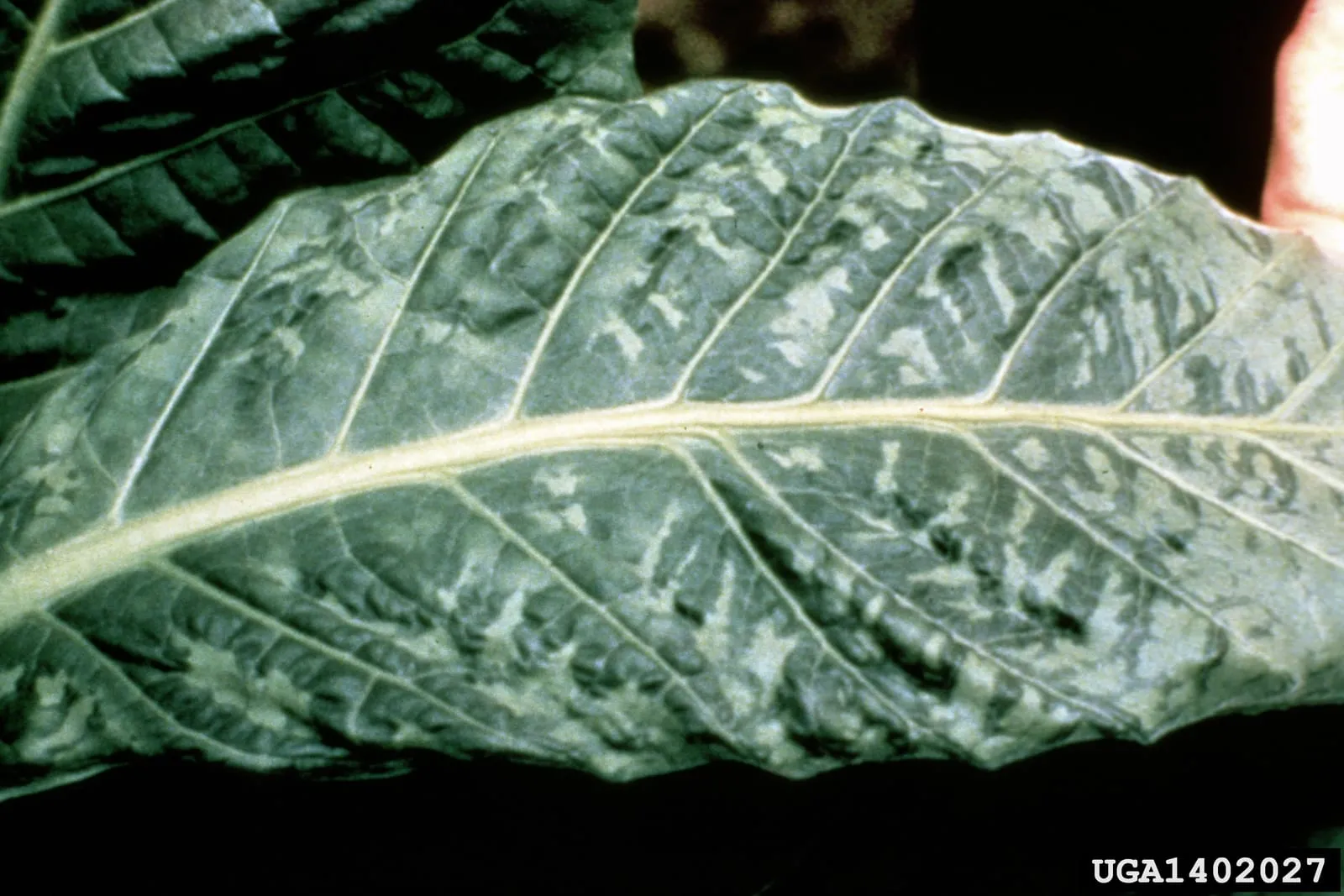
Cucumber mosaic virus, Tobacco mosaic virus, and others
Family of plant viruses producing mottled yellow-and-green leaf patterns. Vectored primarily by aphids; some are seed-transmitted or spread by handling tools and tobacco products.
Modified care for zone 6a
Powdery mildew and downy mildew are the dominant disease pressures in zone 6a, both intensifying as humidity builds from mid-July onward. Selecting varieties with documented mildew tolerance matters more in humid regions than in drier climates. Spacing vines generously and orienting rows for airflow reduces incidence more reliably than reactive fungicide programs.
Japanese beetles arrive in June and July and feed on foliage and flowers; heavy pressure during bloom can reduce fruit set noticeably. Row covers protect young plants but must come off when female flowers open to allow pollination.
In wet summers, downy mildew can spread rapidly through August. Scouting weekly from mid-July and removing heavily infected leaves before spore load escalates is the most effective early response. Planting on well-drained ground cuts exposure to both mildews and reduces crown rot risk during wet periods.
Frequently asked questions
- Is zone 6a a good zone for growing pumpkins?
Zone 6a's 180-day growing season comfortably accommodates all common pumpkin varieties, which mature in 90 to 115 days. The zone is reliable for pumpkin production, not marginal. The main management challenge is powdery and downy mildew pressure during humid stretches in late summer.
- When should pumpkins be planted in zone 6a?
Direct sow after soil reaches 60°F at seed depth, typically early to mid-May. Transplants started indoors two to three weeks before last frost can go in a week or so earlier. Target harvest before mid-October, when hard frosts become likely.
- Which pumpkin varieties perform best in zone 6a?
Howden, Sugar Pie, Cinderella (Rouge Vif d'Etampes), and Long Pie all mature well within zone 6a's growing season. For humid sites prone to mildew, prioritizing varieties with documented disease tolerance at seed selection is worth the extra research.
- What diseases should zone 6a pumpkin growers watch for?
Powdery mildew and downy mildew are the primary concerns, both accelerating in late July and August as overnight humidity climbs. Weekly scouting, generous vine spacing, and well-drained planting sites are the most practical preventive measures.
+−
+−
+−
+−
Pumpkin in adjacent zones
Image: "Cucurbita maxima 04", by User:Nino Barbieri, via Wikimedia Commons, licensed under CC-BY Source.

Related