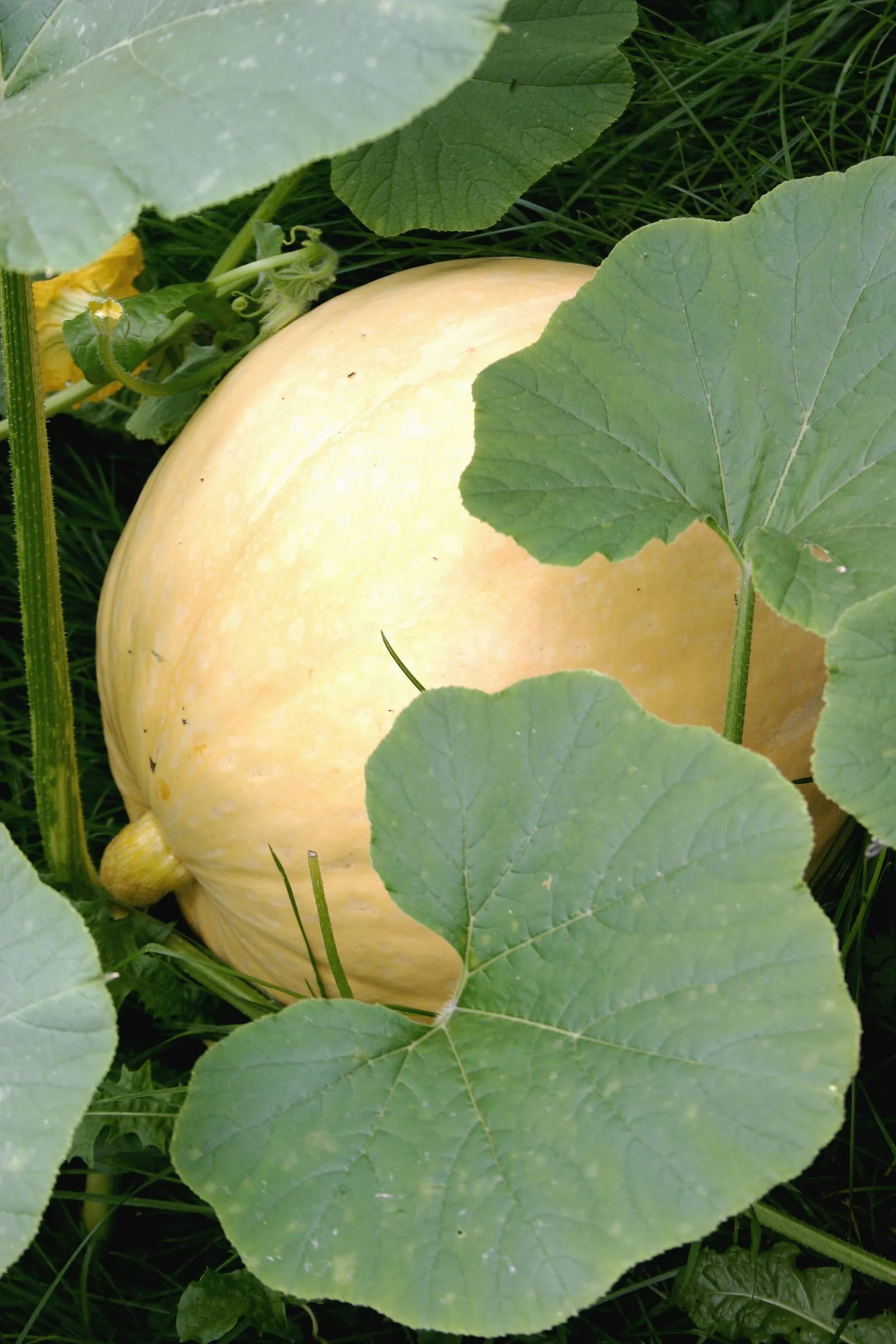
vegetable in zone 5b
Growing pumpkin in zone 5b
Cucurbita pepo and Cucurbita maxima
- Zone
- 5b -15°F to -10°F
- Growing season
- 165 days
- Suitable varieties
- 4
- Days to harvest
- 90 to 120
The verdict
Pumpkin is a frost-tender warm-season annual with no chill-hour requirement. The relevant constraint in zone 5b is not winter cold but the length of the frost-free window, and at roughly 165 days, zone 5b sits comfortably within the workable range for most standard pumpkin varieties. Howden and Sugar Pie both run 100 to 110 days to maturity; Long Pie comes in at the shorter end of that range, offering more buffer against early autumn frosts. Cinderella (Rouge Vif d'Etampes) can push 110 to 115 days and benefits from an indoor head start to ensure it finishes before the first fall frost, which typically arrives in mid-October across much of zone 5b.
The warm summers and meaningful frost-free season make zone 5b a solid growing environment for pumpkins, not a marginal one. The primary risk is not zone unsuitability but planting delays: a late May start on a 110-day variety leaves thin margin for error.
Recommended varieties for zone 5b
4 cultivars suited to this zone, with disease-resistance and zone-fit annotations.
| Variety | Notes | Zone fit | Disease resistance |
|---|---|---|---|
| Howden fits zone 5b | Tasteless, fibrous; the classic carving pumpkin (large, deeply ribbed orange). Jack-o'-lanterns, decoration. Productive, holds shape, the industry standard. | | none noted |
| Sugar Pie fits zone 5b | Sweet, dense, smooth flesh; small (4-6 lb) classic pie pumpkin. Pies, custards, soups, roasting. Stores 2-3 months, the home-baker's standard. | | none noted |
| Cinderella (Rouge Vif d'Etampes) fits zone 5b | Sweet, mild, tender; deeply ribbed dark-orange French heirloom. Pies, soups, stuffed and roasted whole. Decorative and culinary, productive. | | none noted |
| Long Pie fits zone 5b | Sweet, deep flavor, fine-grained; banana-shaped orange pumpkin (looks like overgrown zucchini). The pie maker's connoisseur choice. Stores well. | | none noted |
Critical timing for zone 5b
Last spring frost in zone 5b typically falls between late April and mid-May, varying by local elevation and urban heat influence. Pumpkins should not go into ground until soil temperatures reach at least 60°F, which generally coincides with that frost-free window. Direct-sown seed from mid-May onward, or transplants set out around the same time, will reach flowering by mid-July. Pollination and fruit set extend through July and into early August.
Harvest timing depends on variety. Most 100-day types will be ready between mid-August and mid-October. First fall frost in zone 5b typically arrives between mid-October and early November, which leaves adequate margin when planting begins on schedule in May. Planting after June 1 compresses that buffer considerably for any variety over 90 days.
Common challenges in zone 5b
- ▸ Plum curculio
- ▸ Codling moth
- ▸ Cedar-apple rust
Disease pressure to watch for
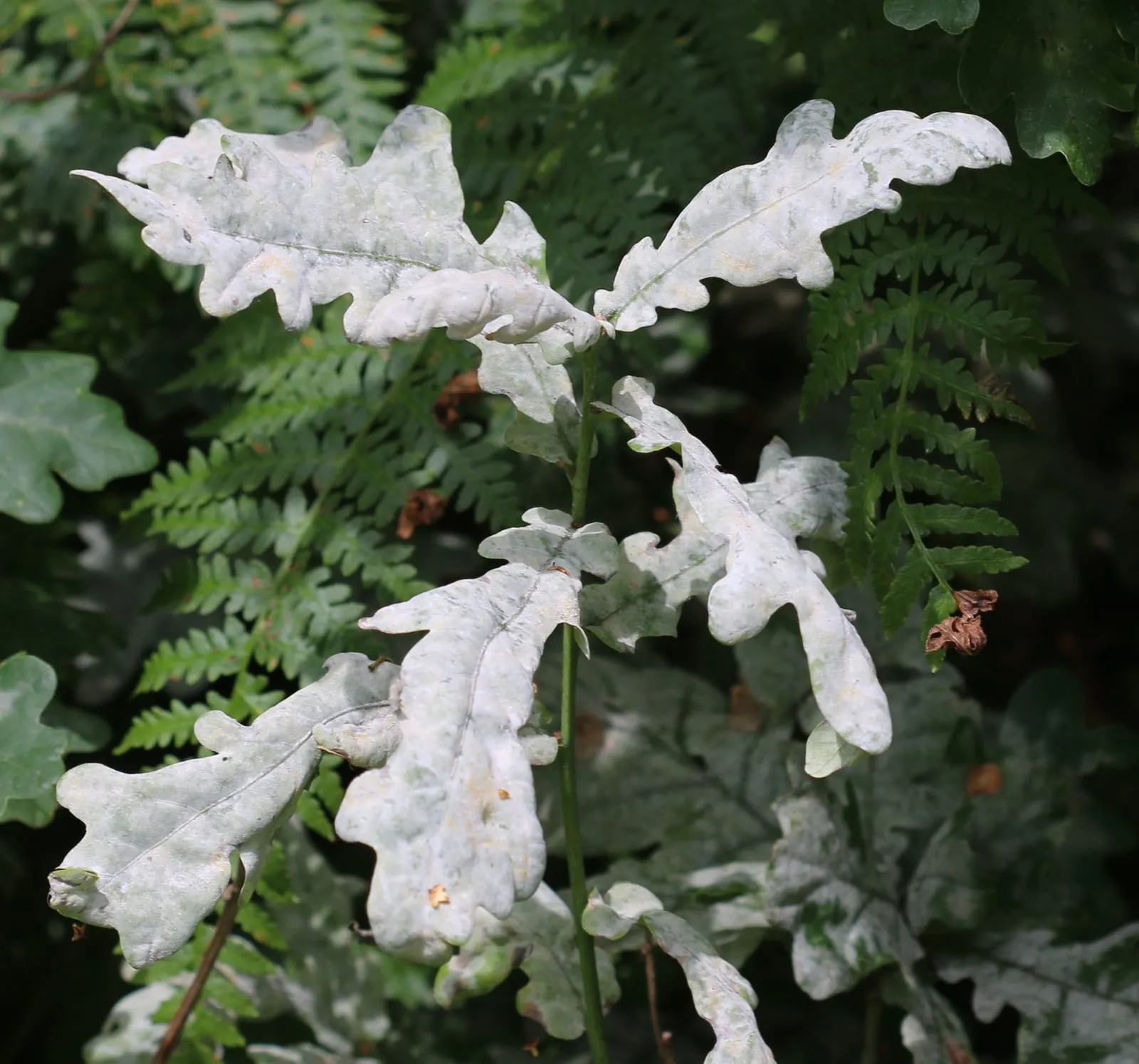
Multiple species (Erysiphales)
Surface-feeding fungal disease producing white powdery growth on leaves and stems. Reduces yield by stealing photosynthate and accelerating senescence.
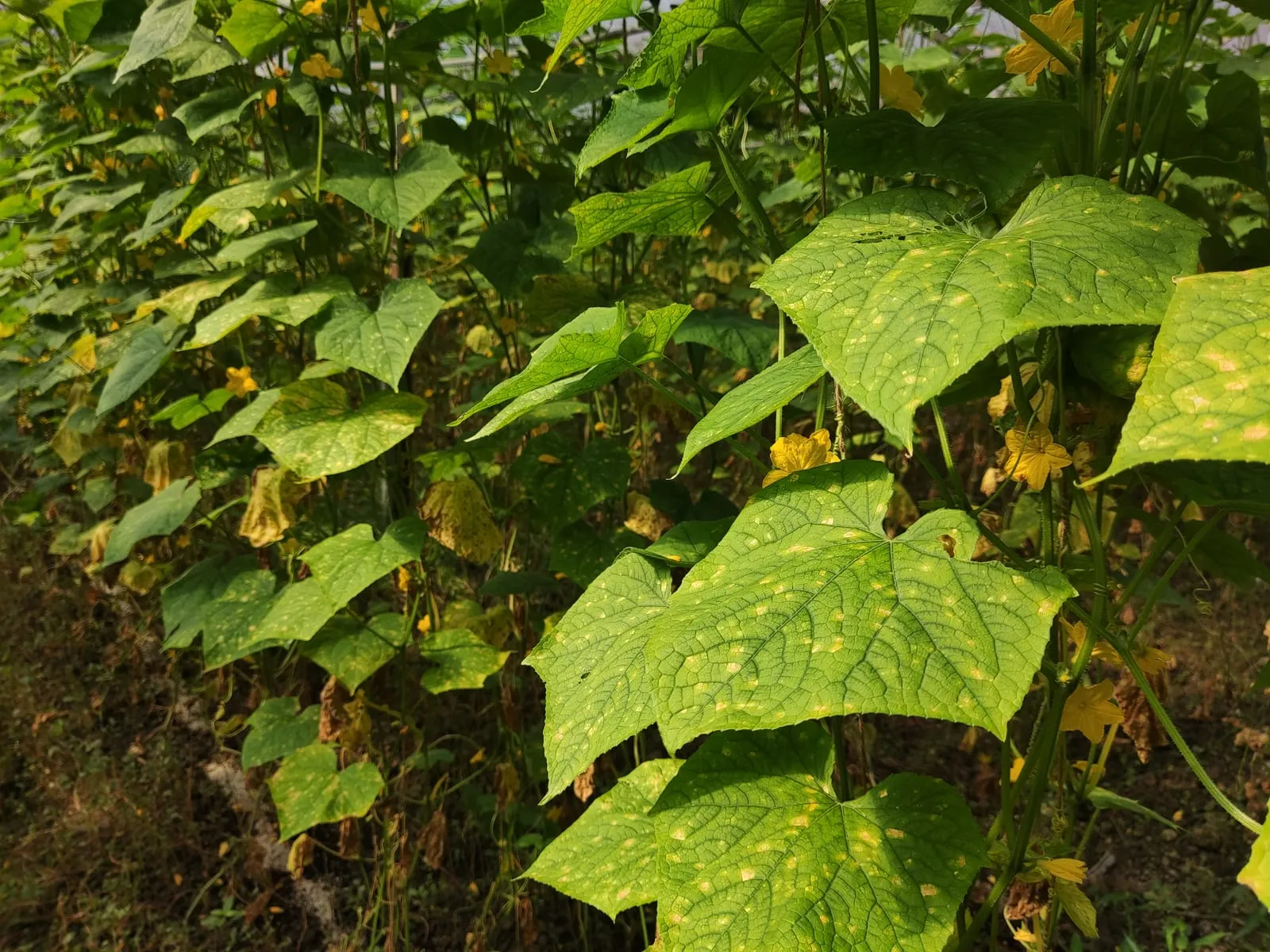
Pseudoperonospora cubensis (cucurbits) and others
Water mold (oomycete, not a true fungus) that thrives in cool damp conditions. Spreads rapidly through cucurbit and brassica plantings on wind-borne spores.
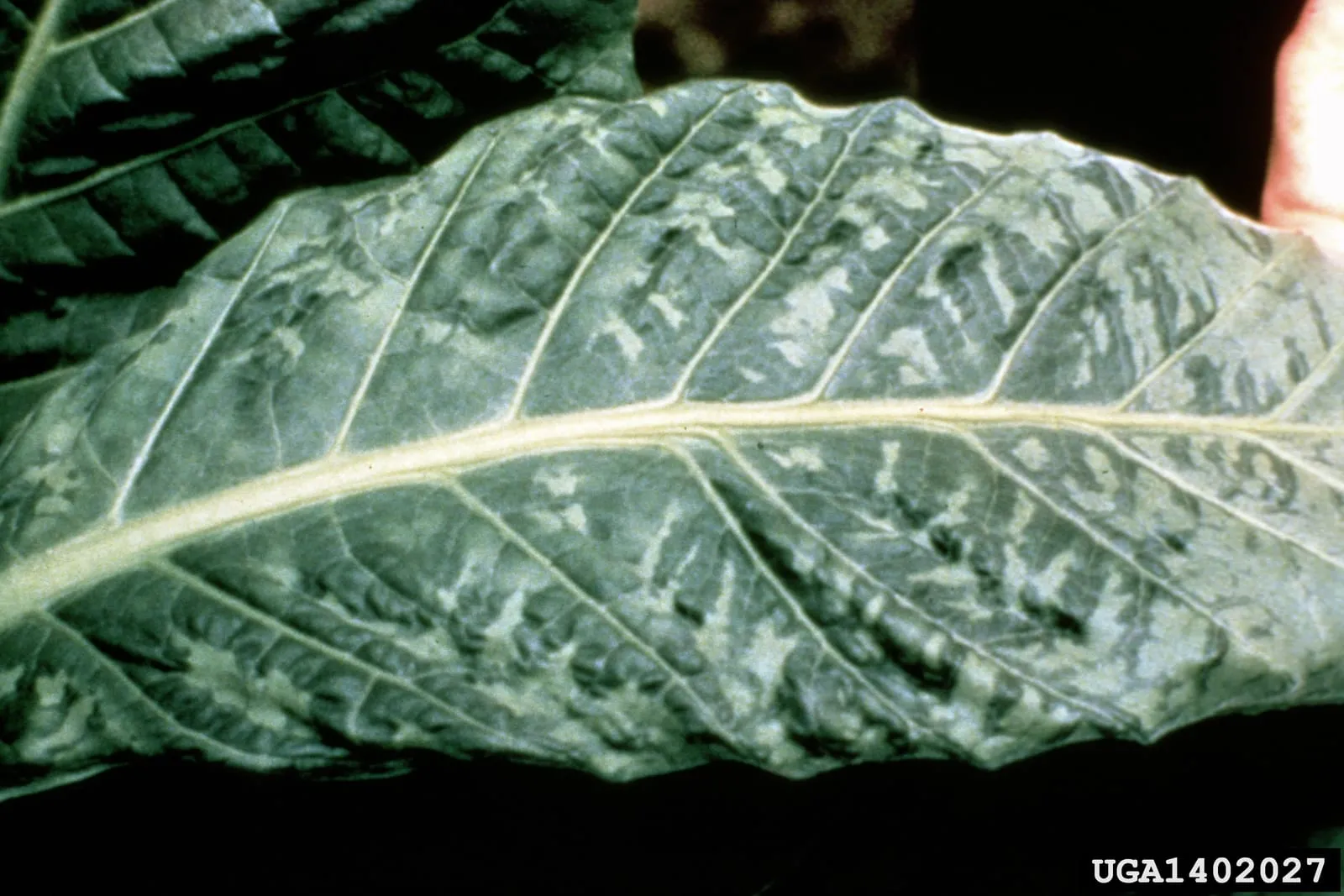
Cucumber mosaic virus, Tobacco mosaic virus, and others
Family of plant viruses producing mottled yellow-and-green leaf patterns. Vectored primarily by aphids; some are seed-transmitted or spread by handling tools and tobacco products.
Modified care for zone 5b
The main adjustment in zone 5b is at the front end of the season. Starting seeds indoors two to three weeks before the last frost date, then transplanting after frost risk passes, adds meaningful insurance against a shortened growing window. Direct sowing is workable, but it surrenders two to three weeks that matter for large-fruited or longer-season varieties like Cinderella.
Powdery mildew and downy mildew are the primary disease pressures, both tending to intensify in late summer when nights cool and humidity climbs. Selecting varieties with documented mildew tolerance and maintaining airspace between vines by training or selective pruning reduces pressure. Sulfur-based fungicides are effective against powdery mildew when applied early at first symptom. Row covers in early May protect transplants from unexpected late frosts and can be removed once daytime temperatures are reliably above 50°F and pollinating insects need access to flowers.
Frequently asked questions
- Can pumpkins be direct sown in zone 5b?
Yes, direct sowing works in zone 5b as long as seed goes in no earlier than mid-May when soil has warmed to at least 60°F. For varieties over 100 days to maturity, an indoor start two to three weeks before the last frost date gives more reliable results and better fall timing.
- Which pumpkin varieties are best suited for zone 5b's growing season?
Long Pie and Sugar Pie finish in roughly 100 days and fit the zone 5b season with the least stress. Howden and Cinderella (Rouge Vif d'Etampes) are workable but run 110 days or more, making an indoor transplant start preferable to direct sowing for those varieties.
- How serious is powdery mildew on pumpkins in zone 5b?
Powdery mildew is common across much of the zone 5b range in late summer. It rarely kills plants outright but reduces leaf area, weakens fruit development, and shortens the harvest window. Good vine spacing, avoiding overhead irrigation, and applying sulfur-based fungicide at first symptom are the standard management steps.
+−
+−
+−
Pumpkin in adjacent zones
Image: "Cucurbita maxima 04", by User:Nino Barbieri, via Wikimedia Commons, licensed under CC-BY Source.

Related