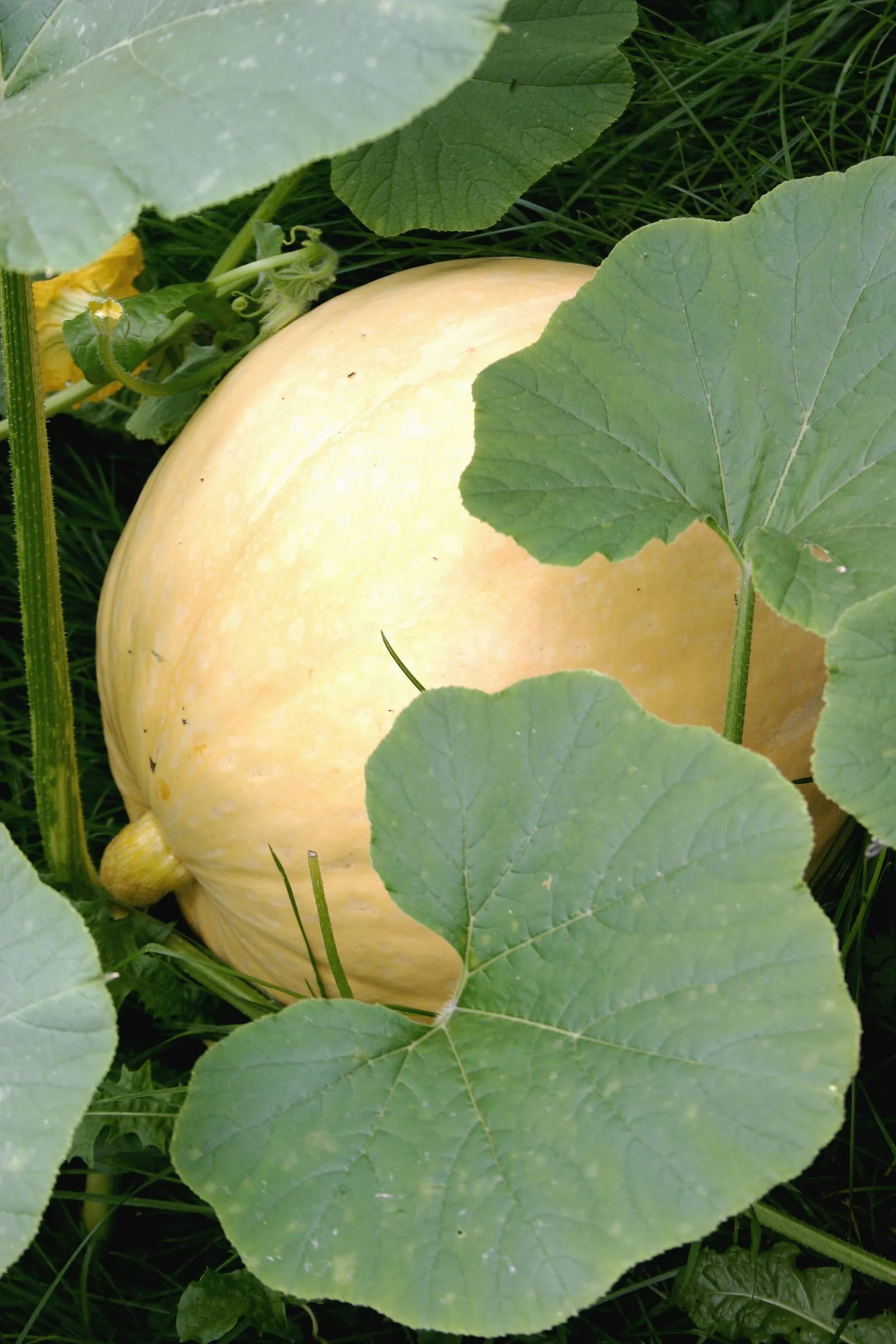
vegetable in zone 5a
Growing pumpkin in zone 5a
Cucurbita pepo and Cucurbita maxima
- Zone
- 5a -20°F to -15°F
- Growing season
- 150 days
- Suitable varieties
- 4
- Days to harvest
- 90 to 120
The verdict
Pumpkin is a warm-season annual, so chill hours are not a relevant metric. What matters in zone 5a is the length of the frost-free window. At 150 days, zone 5a sits at the lower end of what most full-size pumpkin varieties need. Standard carving types like Howden require 100 to 115 days from transplant to harvest; Sugar Pie and Long Pie run closer to 100 days. That math works in zone 5a, but there is no buffer. A late spring frost that pushes transplanting to early June, or an early September cold snap, can tip a marginal season into crop failure.
Shorter-season varieties (under 100 days) are the safer default here. Cinderella types are decorative highlights but push 110 days, making them a higher-risk choice. Zone 5a is a workable zone for pumpkin, not a sweet spot. Success is consistent with attentive timing, not guaranteed by climate alone.
Recommended varieties for zone 5a
4 cultivars suited to this zone, with disease-resistance and zone-fit annotations.
| Variety | Notes | Zone fit | Disease resistance |
|---|---|---|---|
| Howden fits zone 5a | Tasteless, fibrous; the classic carving pumpkin (large, deeply ribbed orange). Jack-o'-lanterns, decoration. Productive, holds shape, the industry standard. | | none noted |
| Sugar Pie fits zone 5a | Sweet, dense, smooth flesh; small (4-6 lb) classic pie pumpkin. Pies, custards, soups, roasting. Stores 2-3 months, the home-baker's standard. | | none noted |
| Cinderella (Rouge Vif d'Etampes) fits zone 5a | Sweet, mild, tender; deeply ribbed dark-orange French heirloom. Pies, soups, stuffed and roasted whole. Decorative and culinary, productive. | | none noted |
| Long Pie fits zone 5a | Sweet, deep flavor, fine-grained; banana-shaped orange pumpkin (looks like overgrown zucchini). The pie maker's connoisseur choice. Stores well. | | none noted |
Critical timing for zone 5a
Last spring frost in zone 5a typically falls between May 1 and May 15, depending on local elevation and proximity to cold air drainage. Transplants go out after that date; direct seeding works but costs roughly two weeks compared to starting indoors. For a target harvest around October 1, count back from that date using the variety's days-to-maturity and plan accordingly.
Pumpkin blooms appear in mid-July for plants transplanted in late May. Pollination depends on bee activity during warm, dry mornings. First fall frost in zone 5a generally arrives between October 1 and October 15, so harvest timing is tight for slower varieties. Leaving fruit on the vine too long to cure after a hard frost reduces storage life significantly.
Common challenges in zone 5a
- ▸ Fire blight in pears
- ▸ Cedar-apple rust
- ▸ Late spring frosts
Disease pressure to watch for
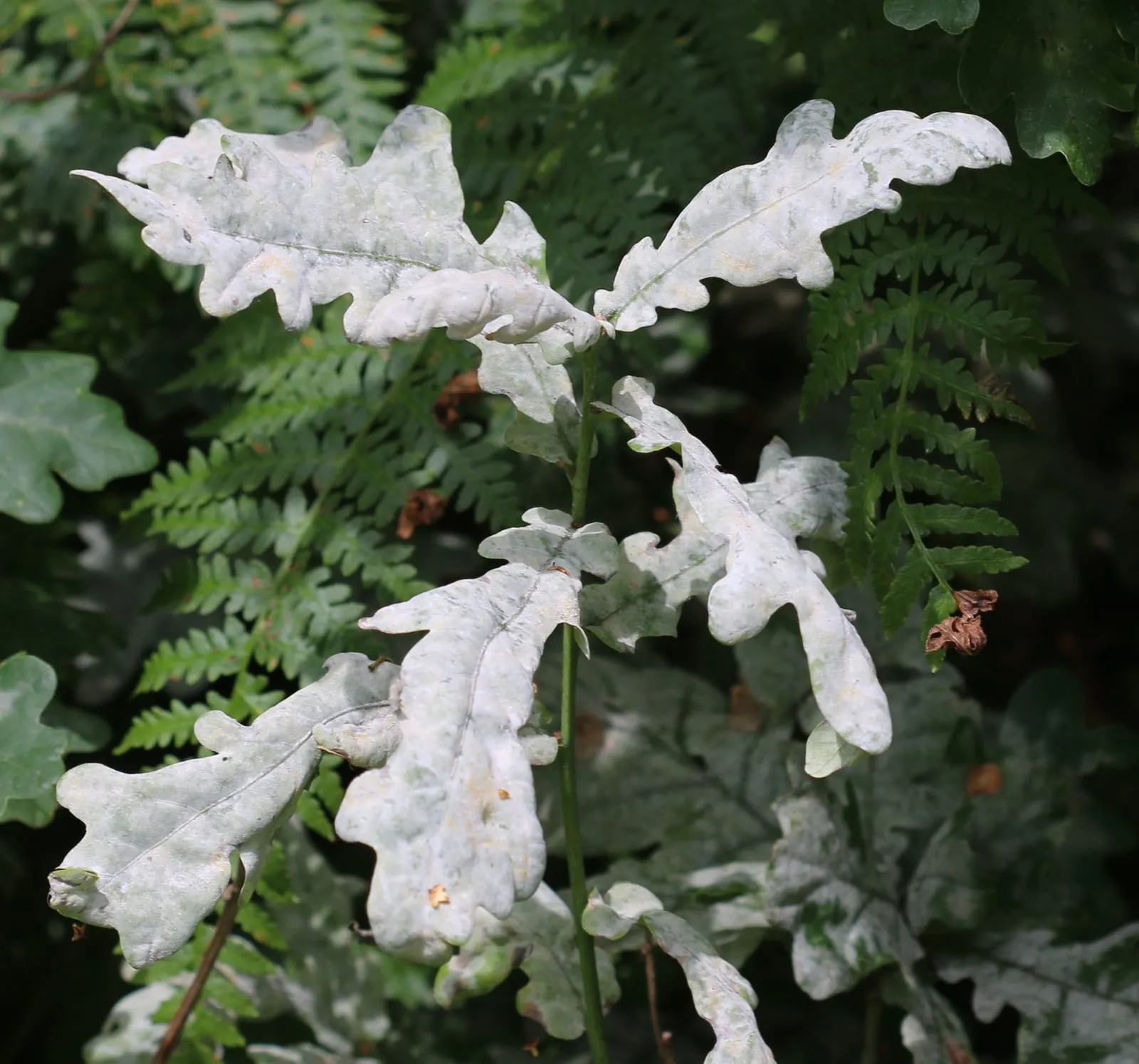
Multiple species (Erysiphales)
Surface-feeding fungal disease producing white powdery growth on leaves and stems. Reduces yield by stealing photosynthate and accelerating senescence.
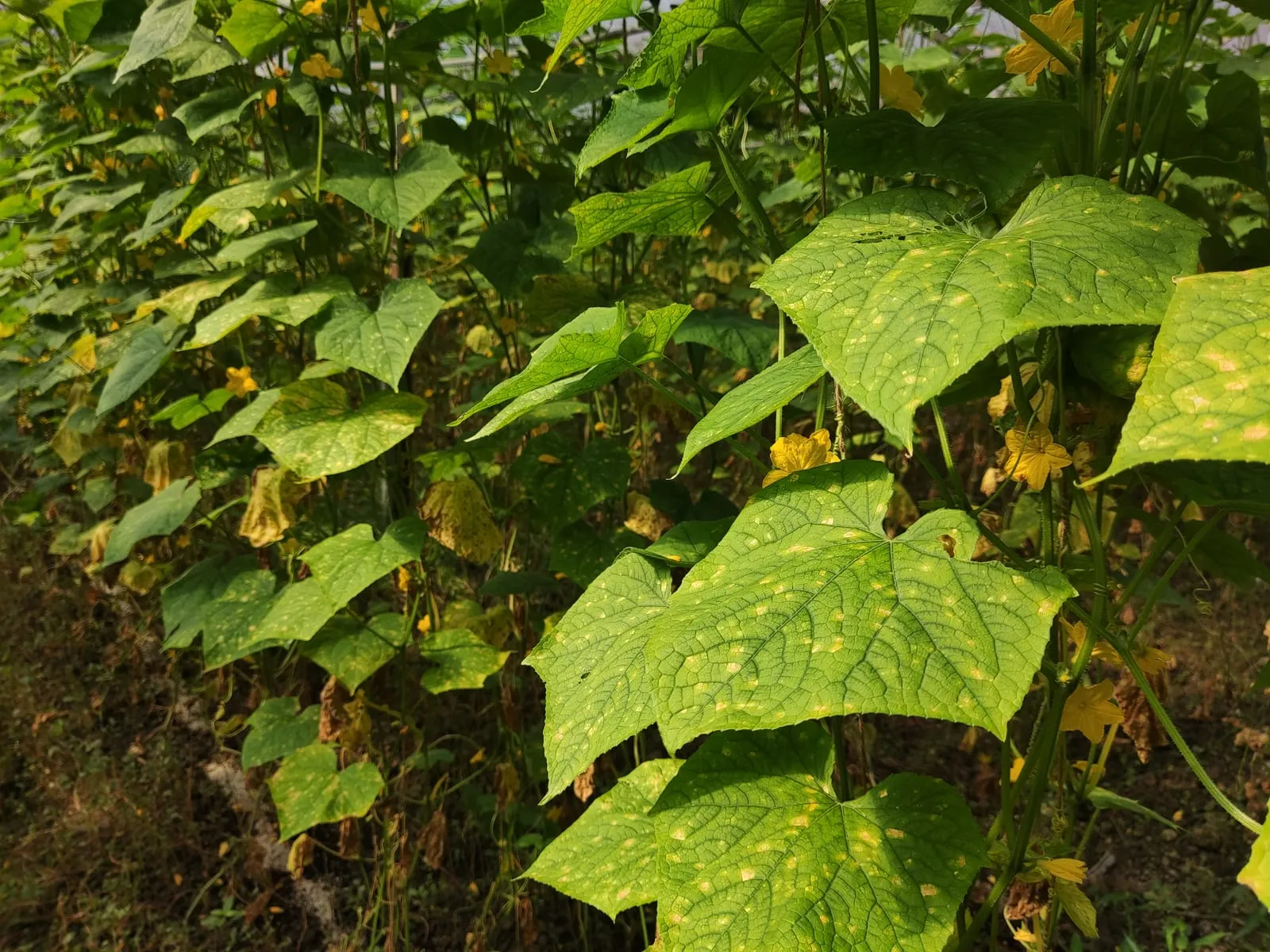
Pseudoperonospora cubensis (cucurbits) and others
Water mold (oomycete, not a true fungus) that thrives in cool damp conditions. Spreads rapidly through cucurbit and brassica plantings on wind-borne spores.
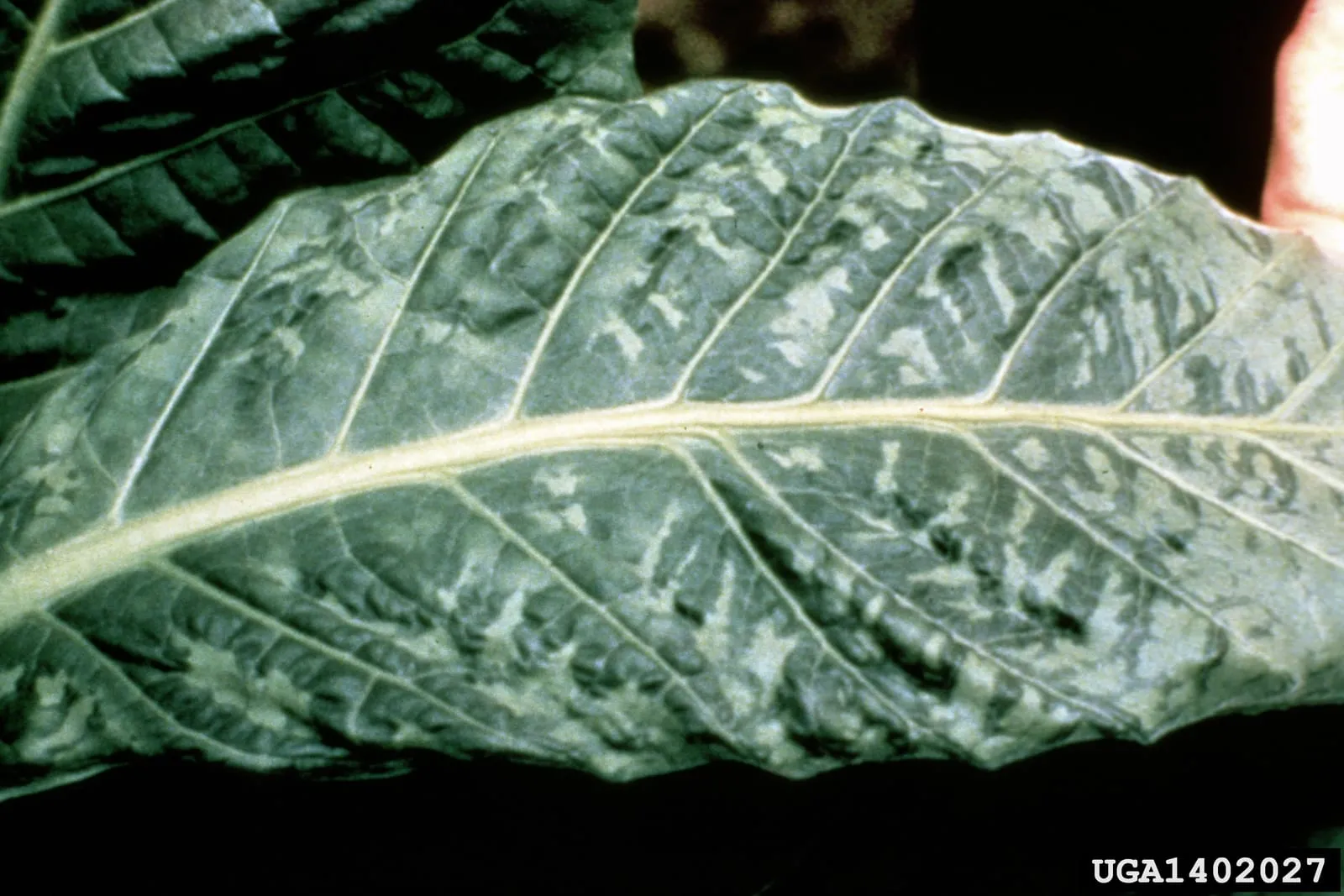
Cucumber mosaic virus, Tobacco mosaic virus, and others
Family of plant viruses producing mottled yellow-and-green leaf patterns. Vectored primarily by aphids; some are seed-transmitted or spread by handling tools and tobacco products.
Modified care for zone 5a
The main adjustment in zone 5a is compressing the season at both ends. Starting transplants indoors two to three weeks before the last frost date recaptures time that a short season cannot spare. Row cover at transplanting protects against late frost and accelerates early vine growth.
Powdery mildew is the more common disease pressure in zone 5a, typically appearing on older leaves in late July and August as nights cool and humidity fluctuates. Downy mildew follows similar late-season timing but requires sustained wet conditions. Both diseases rarely kill a mature plant before harvest, but they weaken late-season foliage and can reduce fruit quality if untreated. Selecting powdery mildew-tolerant varieties, spacing plants for airflow, and avoiding overhead irrigation reduce pressure without chemical intervention. Full-size carving pumpkins benefit from a small piece of cardboard or tile under the fruit during final curing to prevent ground rot in wet falls.
Pumpkin in adjacent zones
Image: "Cucurbita maxima 04", by User:Nino Barbieri, via Wikimedia Commons, licensed under CC-BY Source.

Related