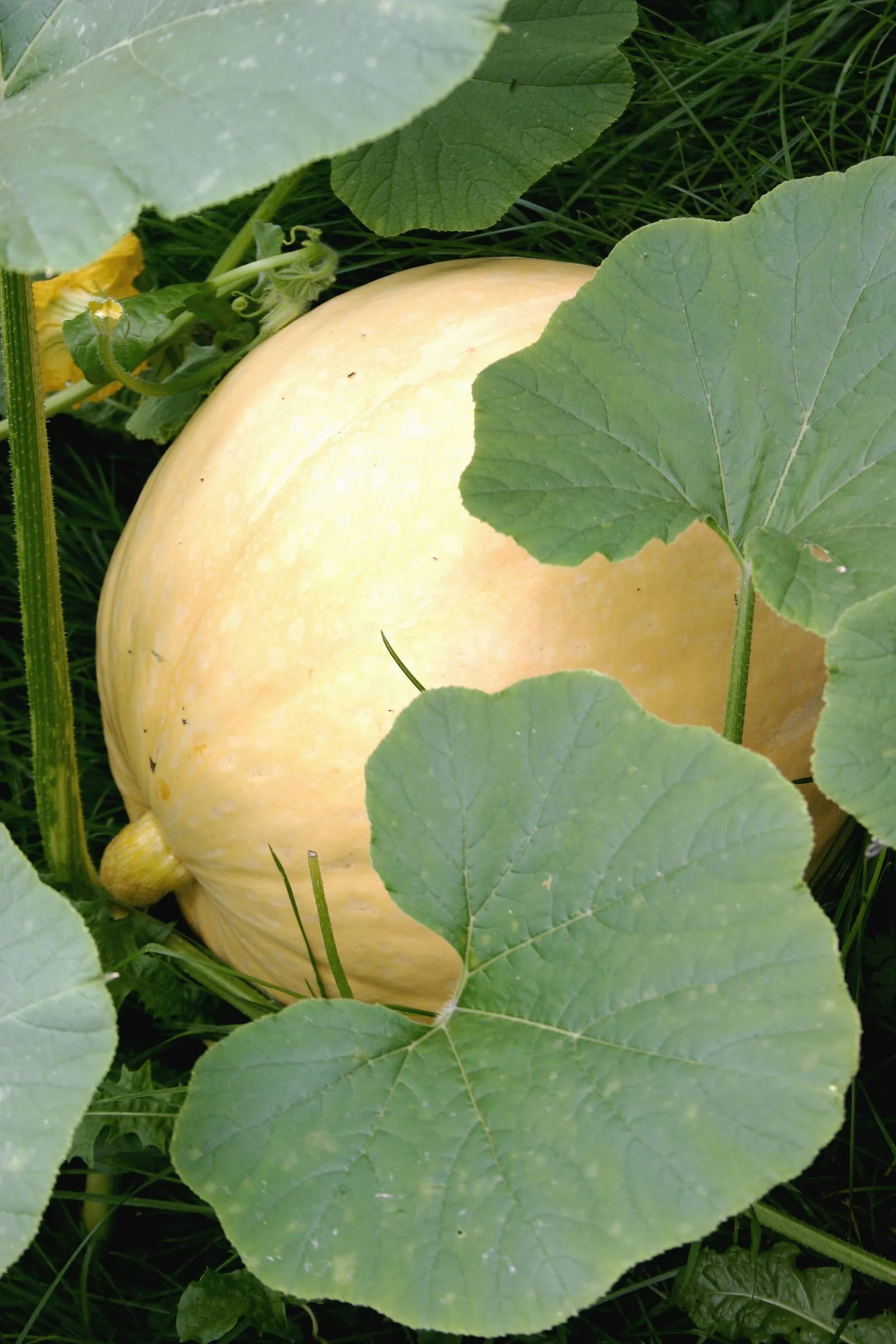
vegetable in zone 4b
Growing pumpkin in zone 4b
Cucurbita pepo and Cucurbita maxima
- Zone
- 4b -25°F to -20°F
- Growing season
- 130 days
- Suitable varieties
- 4
- Days to harvest
- 90 to 120
The verdict
Zone 4b sits at the workable edge of pumpkin's range, not the sweet spot. The 130-day growing season is sufficient for most standard varieties when seeds are started indoors, but there is little margin for cold snaps at either end of the season. Larger carving types like Howden push 115 days to maturity; in zone 4b, that leaves a buffer of roughly two weeks between transplant-out and the first fall frost. Smaller pie types such as Sugar Pie and Long Pie mature in 90 to 110 days and are the safer choices here.
Pumpkins are warm-season crops with no chill-hour requirement. The relevant constraint is not cold accumulation but rather the length of the frost-free window and the soil heat available during July and August. Zone 4b summers are warm enough to support good fruit development, but the compressed season rewards growers who start transplants early and choose varieties matched to the available days.
Recommended varieties for zone 4b
4 cultivars suited to this zone, with disease-resistance and zone-fit annotations.
| Variety | Notes | Zone fit | Disease resistance |
|---|---|---|---|
| Howden fits zone 4b | Tasteless, fibrous; the classic carving pumpkin (large, deeply ribbed orange). Jack-o'-lanterns, decoration. Productive, holds shape, the industry standard. | | none noted |
| Sugar Pie fits zone 4b | Sweet, dense, smooth flesh; small (4-6 lb) classic pie pumpkin. Pies, custards, soups, roasting. Stores 2-3 months, the home-baker's standard. | | none noted |
| Cinderella (Rouge Vif d'Etampes) fits zone 4b | Sweet, mild, tender; deeply ribbed dark-orange French heirloom. Pies, soups, stuffed and roasted whole. Decorative and culinary, productive. | | none noted |
| Long Pie fits zone 4b | Sweet, deep flavor, fine-grained; banana-shaped orange pumpkin (looks like overgrown zucchini). The pie maker's connoisseur choice. Stores well. | | none noted |
Critical timing for zone 4b
Last spring frost in zone 4b typically falls between May 20 and June 1, depending on elevation and local topography. Seeds should be started indoors three to four weeks before the anticipated transplant date, placing germination around late April. Transplanting into warm soil after frost risk has passed puts plants in the ground in late May or early June.
Pumpkins bloom roughly 50 to 65 days after transplanting, with fruit set occurring through July. Harvest timing depends on variety: Long Pie and Sugar Pie can be ready by late August, while Howden and Cinderella typically need until mid to late September. The first hard frost in zone 4b often arrives in the September 10 to 20 window. Growers targeting Howden-sized fruit need to track days-to-maturity against their local first frost date and be prepared to harvest slightly early if frost threatens.
Common challenges in zone 4b
- ▸ Spring frost timing
- ▸ Apple scab pressure
- ▸ Cane berry winter dieback
Disease pressure to watch for
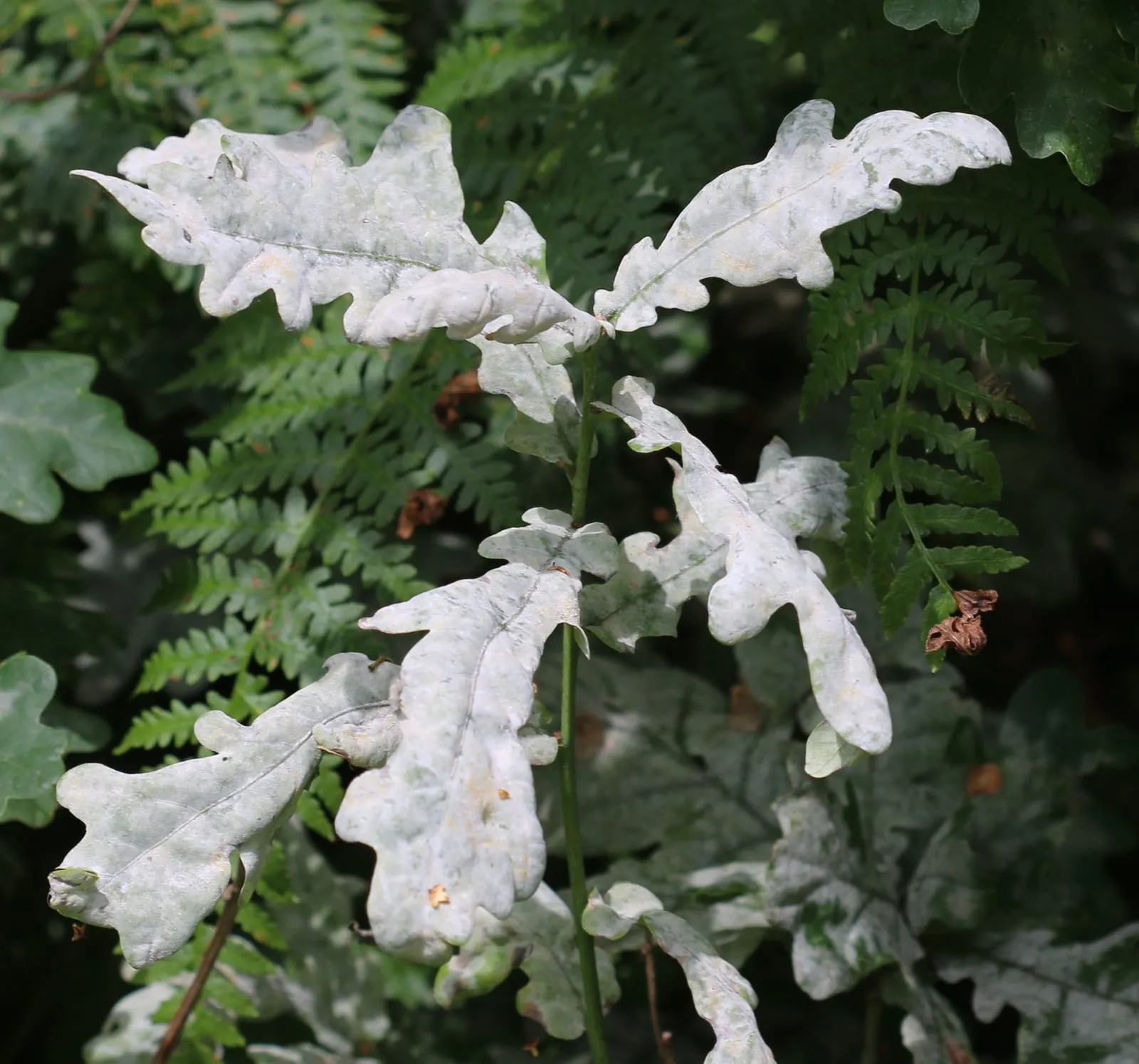
Multiple species (Erysiphales)
Surface-feeding fungal disease producing white powdery growth on leaves and stems. Reduces yield by stealing photosynthate and accelerating senescence.
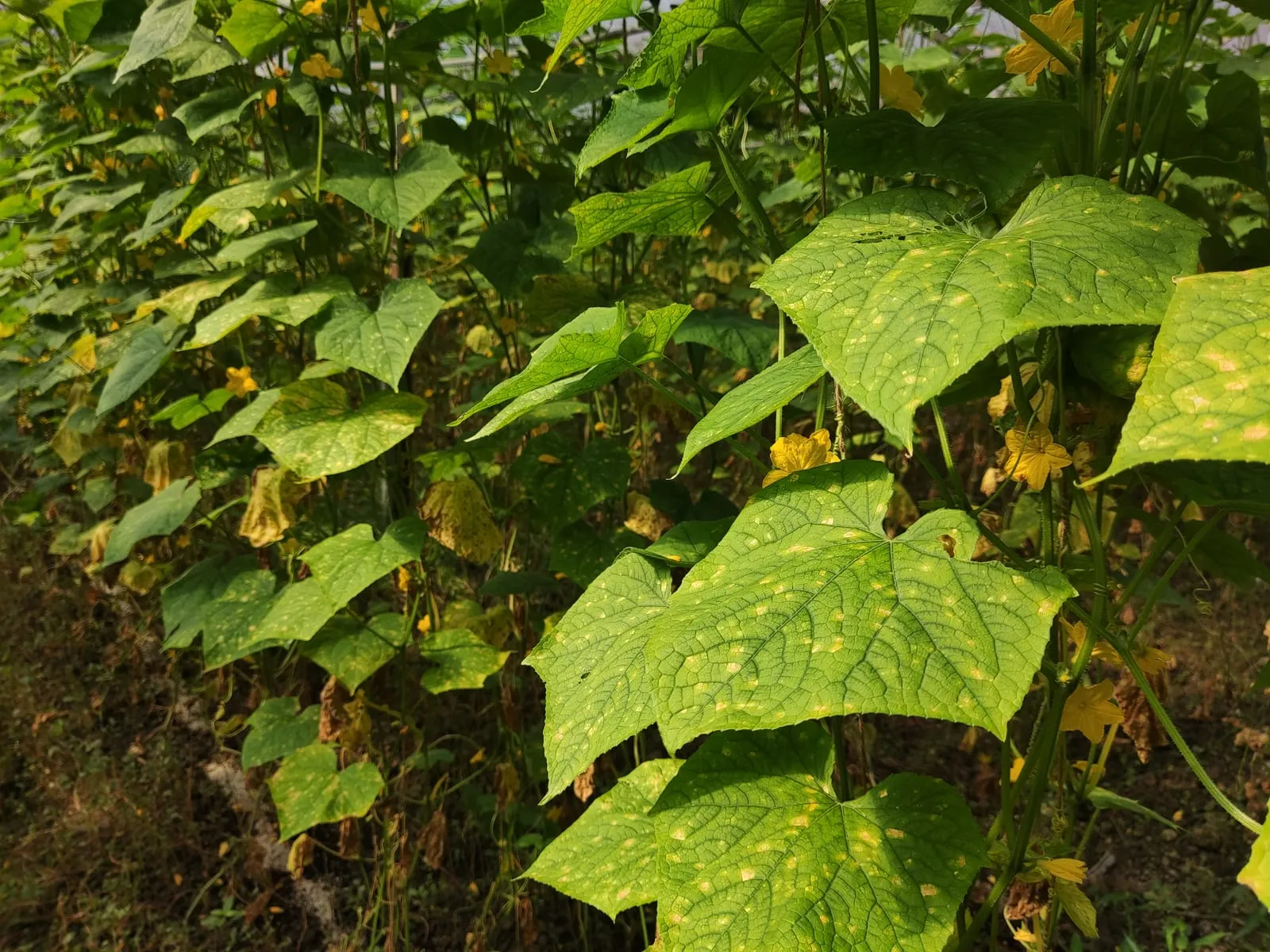
Pseudoperonospora cubensis (cucurbits) and others
Water mold (oomycete, not a true fungus) that thrives in cool damp conditions. Spreads rapidly through cucurbit and brassica plantings on wind-borne spores.
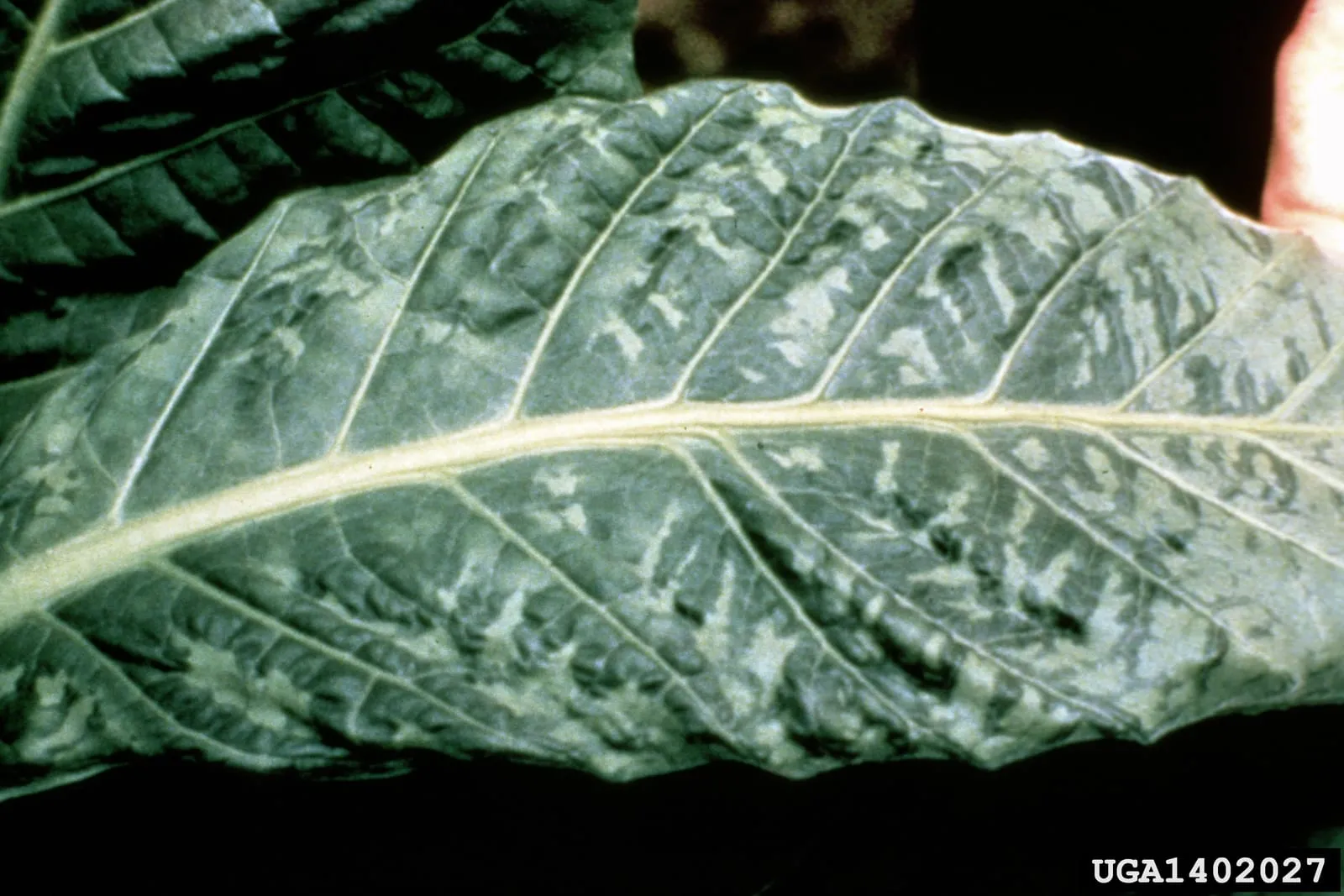
Cucumber mosaic virus, Tobacco mosaic virus, and others
Family of plant viruses producing mottled yellow-and-green leaf patterns. Vectored primarily by aphids; some are seed-transmitted or spread by handling tools and tobacco products.
Modified care for zone 4b
Starting transplants indoors is not optional in zone 4b; direct seeding after last frost compresses the growing window too tightly for large varieties. Black plastic mulch laid two weeks before transplanting warms the soil and gives plants a faster start in a climate where soil temperatures can lag air temperatures into June.
Powdery mildew and downy mildew both intensify as the season cools in late August and September. In zone 4b, this disease pressure arrives just as fruit is approaching maturity. Selecting mildew-tolerant varieties where available and maintaining good vine spacing to promote airflow reduces the rate of progression. Cinderella (Rouge Vif d'Etampes) tends to hold its foliage reasonably well into early fall. Row cover can extend the harvest window past a light frost but should be removed during pollination hours to allow bee access.
Frequently asked questions
- Can pumpkins survive in zone 4b winters?
Pumpkins are annual crops harvested before the first hard frost; they do not overwinter in the ground. The relevant question is whether the frost-free season is long enough to reach maturity, and in zone 4b it is, provided seeds are started indoors and shorter-season varieties are prioritized.
- Which pumpkin variety is best for a short zone 4b season?
Long Pie and Sugar Pie are the most reliable choices, maturing in 90 to 110 days. Howden is achievable but tight at roughly 115 days; it requires an early transplant date and a favorable fall. Cinderella falls in between at around 95 to 110 days and handles late-season mildew pressure reasonably well.
- When should pumpkin seeds be started indoors in zone 4b?
Start seeds indoors in late April, three to four weeks before the anticipated last frost. Transplant out once nighttime temperatures are reliably above 50°F and frost risk has passed, typically late May to early June in most zone 4b locations.
+−
+−
+−
Pumpkin in adjacent zones
Image: "Cucurbita maxima 04", by User:Nino Barbieri, via Wikimedia Commons, licensed under CC-BY Source.

Related