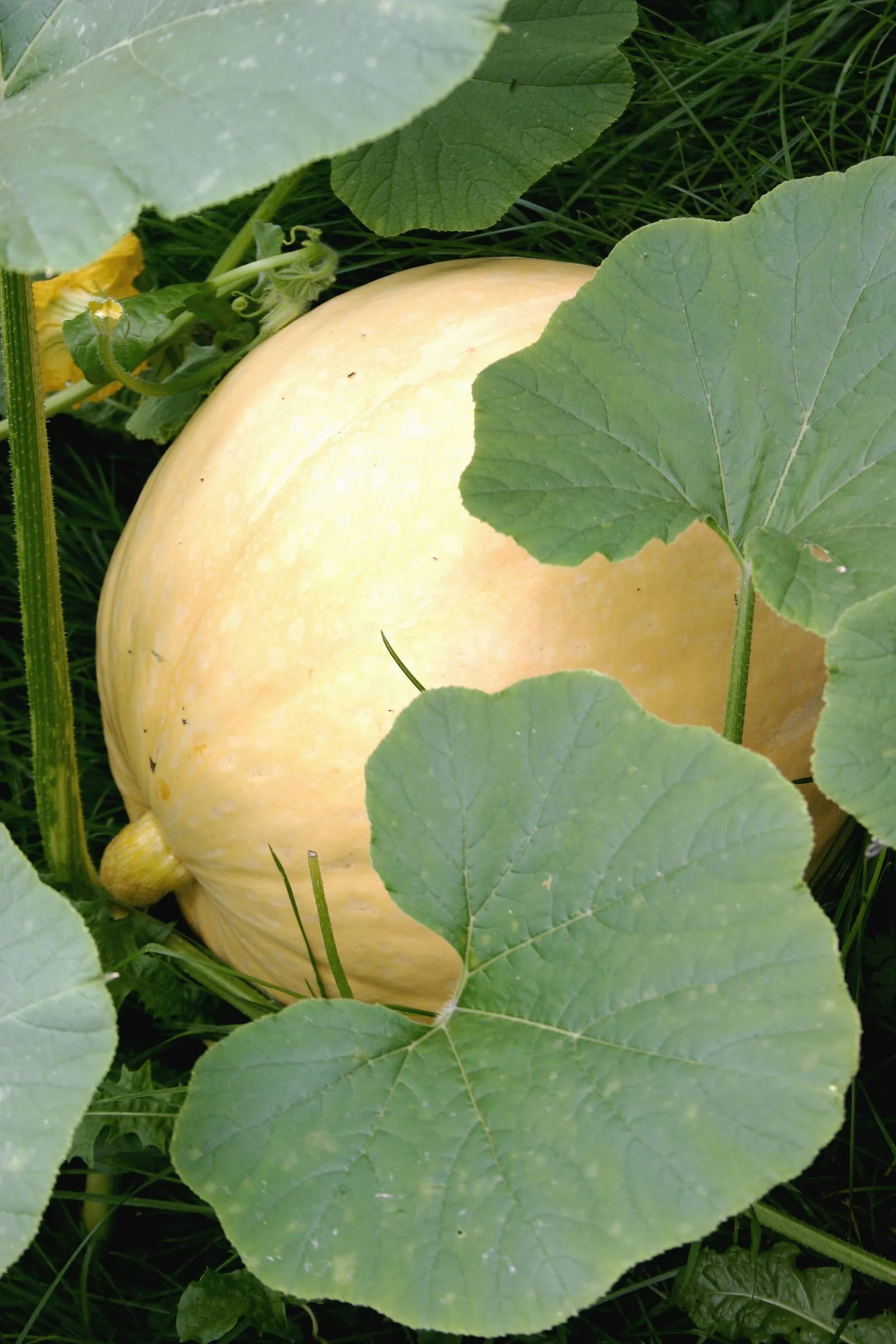
vegetable in zone 4a
Growing pumpkin in zone 4a
Cucurbita pepo and Cucurbita maxima
- Zone
- 4a -30°F to -25°F
- Growing season
- 120 days
- Suitable varieties
- 3
- Days to harvest
- 90 to 120
The verdict
Pumpkins are warm-season annuals with no chill-hour requirement, so zone 4a winters are not the limiting factor. The constraint is the short growing season: zone 4a averages roughly 120 frost-free days, and many standard varieties need 100 to 115 days to maturity. Howden, a widely planted carving type, sits at the edge of that window and can fail to size up before the first autumn frost. Sugar Pie and Long Pie are better fits, typically maturing in 100 days or fewer under favorable conditions.
Zone 4a is a marginal zone for pumpkins, not a sweet spot. Success is achievable but depends on variety selection and season-extension tactics. Growers in the warmer end of the zone (sheltered valleys, south-facing slopes) have more margin than those in exposed sites where the frost-free window contracts further. Late spring frosts in May can damage transplants and set back the season at exactly the wrong time.
Recommended varieties for zone 4a
3 cultivars suited to this zone, with disease-resistance and zone-fit annotations.
| Variety | Notes | Zone fit | Disease resistance |
|---|---|---|---|
| Howden fits zone 4a | Tasteless, fibrous; the classic carving pumpkin (large, deeply ribbed orange). Jack-o'-lanterns, decoration. Productive, holds shape, the industry standard. | | none noted |
| Sugar Pie fits zone 4a | Sweet, dense, smooth flesh; small (4-6 lb) classic pie pumpkin. Pies, custards, soups, roasting. Stores 2-3 months, the home-baker's standard. | | none noted |
| Long Pie fits zone 4a | Sweet, deep flavor, fine-grained; banana-shaped orange pumpkin (looks like overgrown zucchini). The pie maker's connoisseur choice. Stores well. | | none noted |
Critical timing for zone 4a
Last frost in zone 4a typically falls between late May and early June; first autumn frost arrives in September, sometimes as early as the first week. That window leaves 90 to 110 usable growing days at many zone 4a sites, below the comfort threshold for full-season varieties.
To hit a September harvest, seeds should be started indoors two to three weeks before the anticipated last frost date. Transplanting out in late May or early June, pumpkin vines typically bloom in mid to late July. Pollination and fruit set follow over the next few weeks, with harvest from late August through September depending on the variety. Any late frost in May or early September frost cuts that window from both ends, so monitoring local frost forecasts is essential rather than optional.
Common challenges in zone 4a
- ▸ Late frosts damage early bloomers
- ▸ Limited peach varieties
Disease pressure to watch for
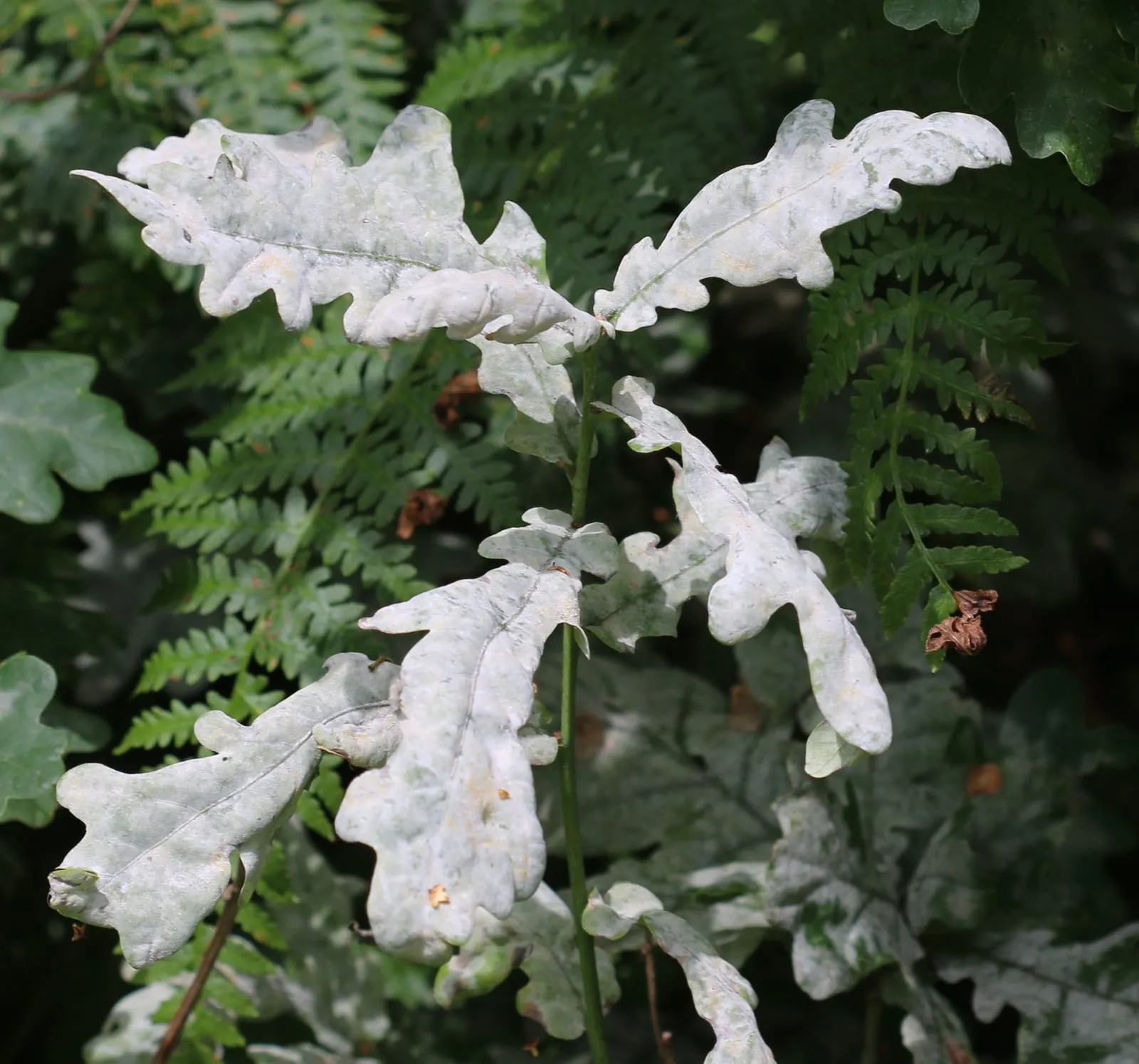
Multiple species (Erysiphales)
Surface-feeding fungal disease producing white powdery growth on leaves and stems. Reduces yield by stealing photosynthate and accelerating senescence.
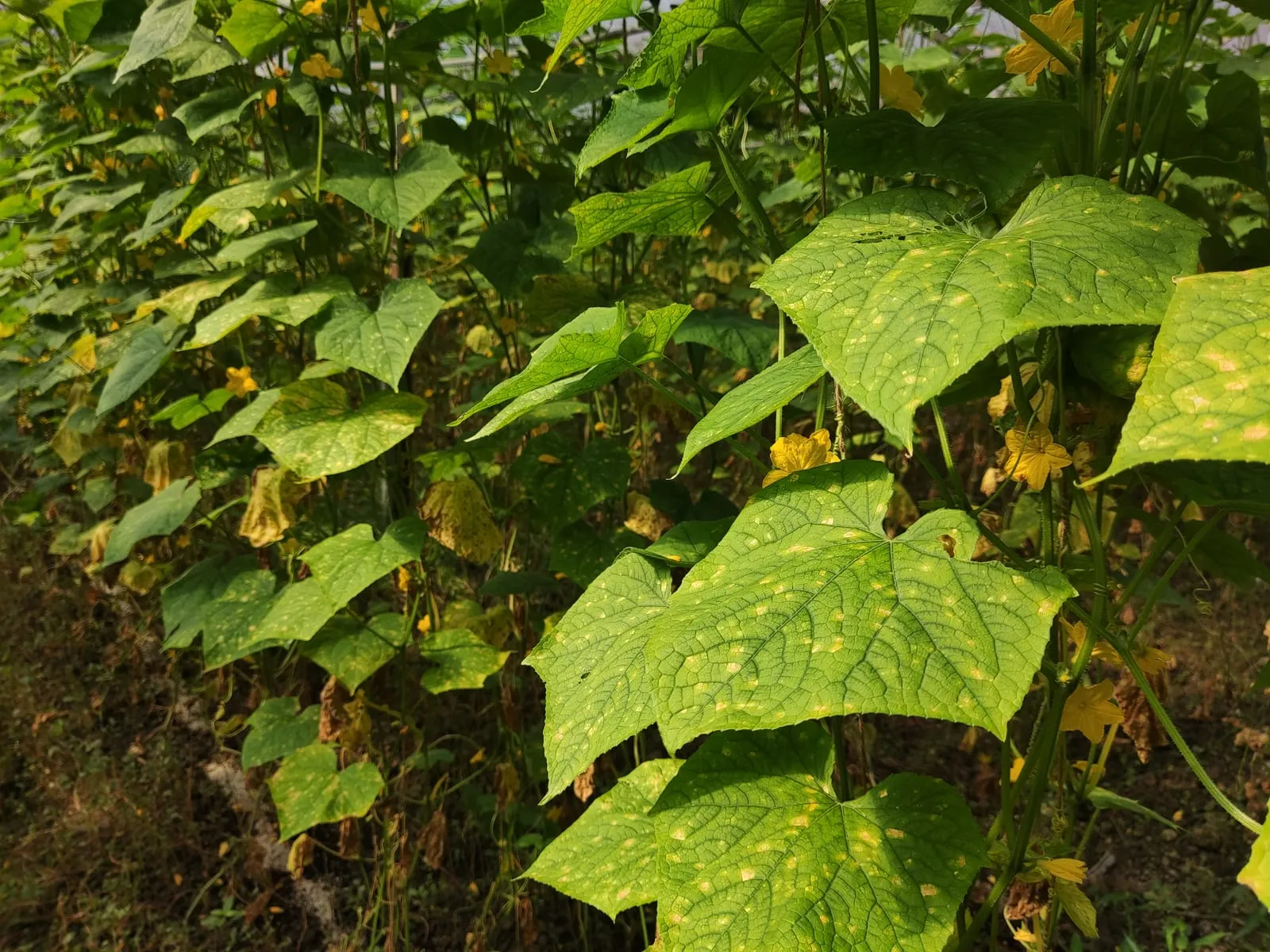
Pseudoperonospora cubensis (cucurbits) and others
Water mold (oomycete, not a true fungus) that thrives in cool damp conditions. Spreads rapidly through cucurbit and brassica plantings on wind-borne spores.
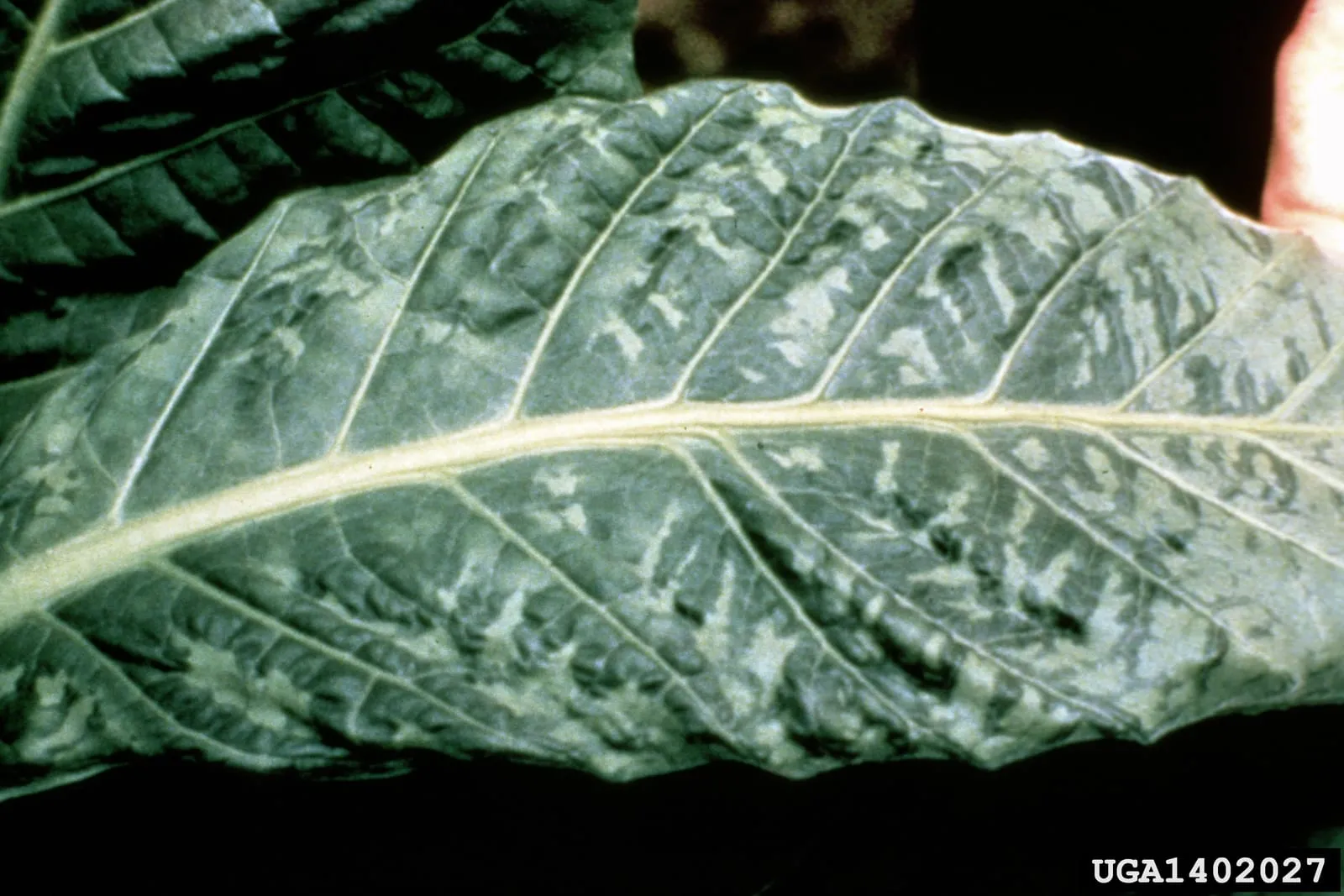
Cucumber mosaic virus, Tobacco mosaic virus, and others
Family of plant viruses producing mottled yellow-and-green leaf patterns. Vectored primarily by aphids; some are seed-transmitted or spread by handling tools and tobacco products.
Modified care for zone 4a
Starting seeds indoors three weeks before last frost is the single highest-leverage adjustment for zone 4a. Direct sowing after frost passes wastes too much of the short season. Row covers at transplant time extend warmth and protect against late cold snaps; remove them once flowers open to allow pollinator access.
Powdery mildew and downy mildew both become problematic as summer temperatures fluctuate and nights cool in August. Spacing vines at least 6 feet apart and orienting rows to maximize airflow reduces canopy humidity. Powdery mildew in particular thrives when warm dry days follow cool nights, a pattern common in zone 4a late summer. Scout weekly from midsummer onward and remove heavily infected leaves promptly. Selecting mildew-tolerant strains within the Sugar Pie type, where they are available, reduces the management burden.
Frequently asked questions
- Can pumpkins be grown successfully in zone 4a?
Yes, with the right variety and season-extension tactics. Short-season types like Sugar Pie (around 100 days) are more reliable than full-season carving varieties. Starting seeds indoors and using row covers at transplant time are essential steps in zone 4a.
- Which pumpkin varieties perform best in zone 4a?
Sugar Pie and Long Pie are the most dependable choices, reaching maturity in roughly 100 days. Howden can work in favorable years but its 110 to 115-day maturity pushes the limits of the average zone 4a frost-free window.
- When should pumpkins be planted in zone 4a?
Start seeds indoors two to three weeks before the last expected frost, typically in early to mid May. Transplant outside in late May or early June once frost risk has passed. Direct sowing is risky in zone 4a because it forfeits three weeks of the growing season.
- What diseases are most common in zone 4a pumpkin plantings?
Powdery mildew and downy mildew are the main concerns. Both spread faster in dense plantings with limited airflow. Spacing vines generously and scouting from midsummer onward allows early intervention before infections spread across the planting.
+−
+−
+−
+−
Pumpkin in adjacent zones
Image: "Cucurbita maxima 04", by User:Nino Barbieri, via Wikimedia Commons, licensed under CC-BY Source.

Related