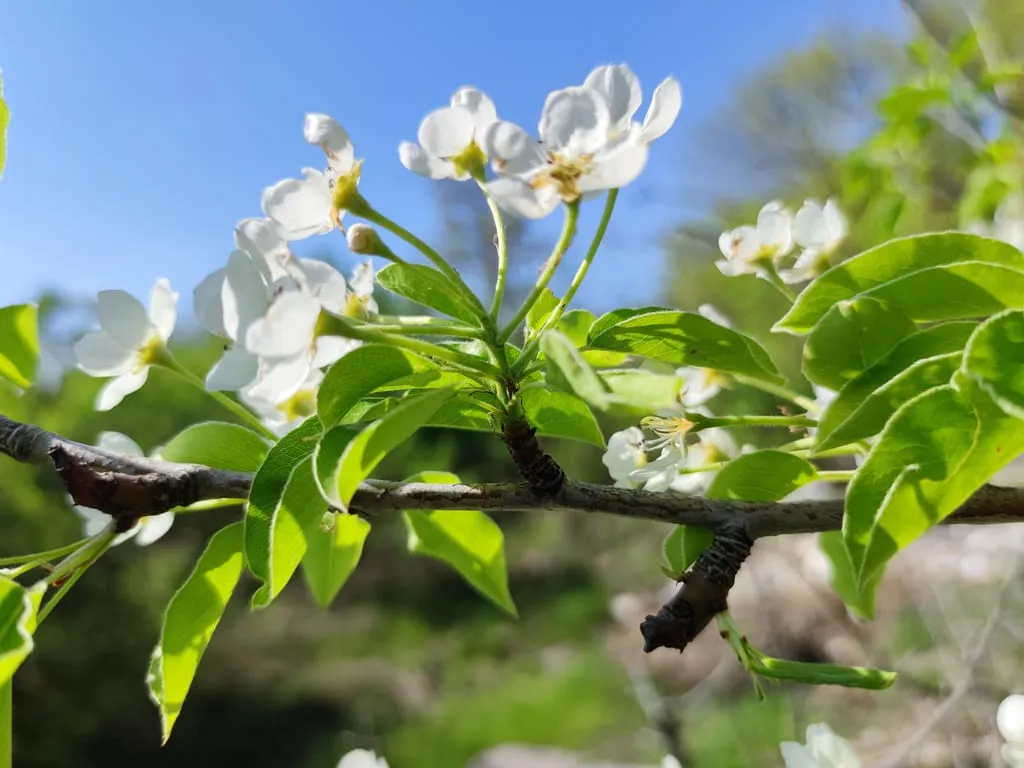
fruit tree
Pear
Pyrus communis
USDA hardiness range
- Zones
- 4a–8b
- Chill hours
- 600 to 900 below 45°F
- Days to harvest
- 115 to 165
- Sun
- Full
- Water
- Moderate
- Lifespan
- 50 to 75 years
Growing pear
Pear is among the more reliable long-lived fruit trees for temperate zones, with productive lifespans running 50 to 75 years when sited well. European pears (Pyrus communis) perform across a wide range, from zone 4a through 8b, but variety selection has to match local chill-hour accumulation. Most require 600 to 900 hours below 45°F each winter; planting a high-chill selection in zone 8 or a low-chill one in zone 4 typically produces erratic bloom or no fruit.
The main barrier to productive pear growing is not cold tolerance but disease pressure. Fire blight is a bacterial pathogen that can destroy entire scaffold branches or kill young trees outright in a single wet spring. Susceptible varieties like Bartlett decline quickly in humid eastern climates, while resistant selections like Moonglow and Magness tolerate the same conditions without preventive sprays.
Pollination requirements also catch growers off guard. Most pear varieties are self-unfruitful or set only light crops without a second compatible variety nearby. Magness, despite being one of the finest fresh-eating pears available, sets near-zero fruit without a cross-pollinator.
The zones that present the most difficulty are the warm end of the range (8a and 8b), where chill accumulation can fall short in mild winters, and the cold end (4a and 4b), where late spring frosts can eliminate blooms regardless of whether chill requirements were met.
Recommended varieties
See all 4 →4 cultivars for home growers, with notes on flavor, ripening, and disease resistance.
| Variety | Notes | Zone fit | Disease resistance |
|---|---|---|---|
| Bartlett | Sweet, juicy, classic dessert pear; ripens to a soft buttery melt-in-the-mouth texture. The standard for canning and fresh eating. Fire-blight susceptible. | | none noted |
| Magness | Very sweet, juicy, smooth melting flesh; an exceptional fresh-eating pear that rivals Bartlett in flavor with much better disease resistance. Self-unfruitful (needs pollinator). | |
|
| Moonglow | Mild, sweet, soft and juicy when ripe; good fresh and for canning. Fire-blight resistant. Often planted as the pollinator for Magness. | |
|
| Kieffer | Crisp, gritty, mildly sweet, yellow-skinned; a tough cooking and canning pear, not great fresh. Holds shape in preserves and pear butter. Productive in heat. | |
|
Soil and site requirements
Pears prefer a well-drained, moderately fertile soil with a pH between 6.0 and 7.0. They are less tolerant of waterlogged conditions than apples; standing water for even brief periods after heavy rain can weaken roots and increase susceptibility to root diseases. Raised beds or gently sloped ground improve drainage on heavier clay soils.
Full sun is not optional. Trees receiving less than six hours of direct light produce less fruit, develop lower sugar content, and tend toward greater disease pressure because foliage dries more slowly after rain. South- or southwest-facing slopes maximize both light exposure and cold-air drainage.
Spacing depends on rootstock. Standard pear trees on seedling rootstock can spread 20 to 25 feet at maturity and require equivalent spacing. Semi-dwarf trees on quince rootstock run 12 to 15 feet but quince is not reliably cold-hardy below zone 5b, so growers in zones 4a through 5a should confirm rootstock hardiness before purchase.
Microclimate matters for frost timing. Pear blossoms open early, often before the average last frost date. Low spots collect cold air and increase frost damage risk. A mid-slope position with good drainage of cold air reduces that risk significantly, particularly in zones 5 and 6 where late frosts are still common.
Common diseases
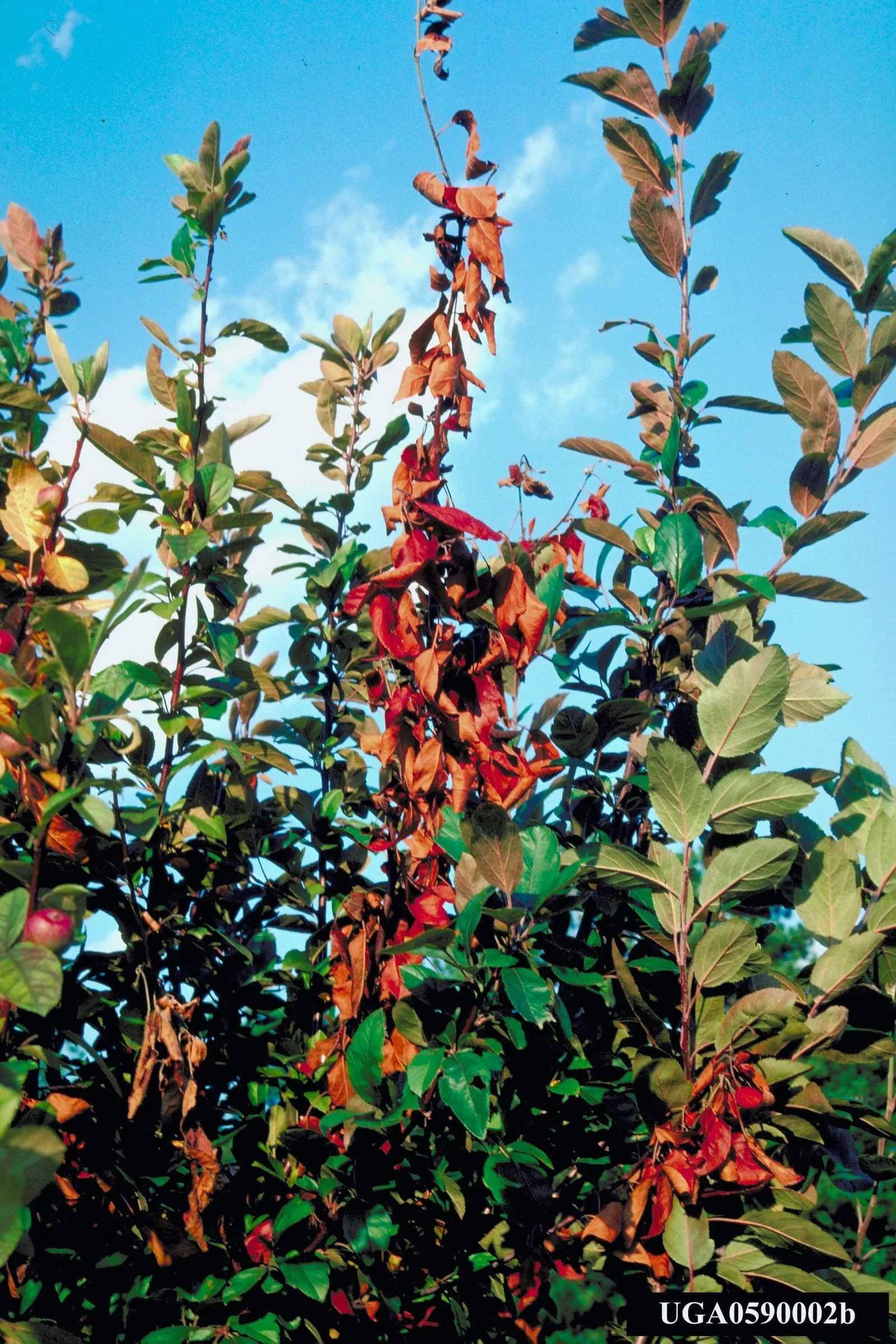
Erwinia amylovora
Devastating bacterial disease that can kill trees rapidly. Most severe in warm wet springs.
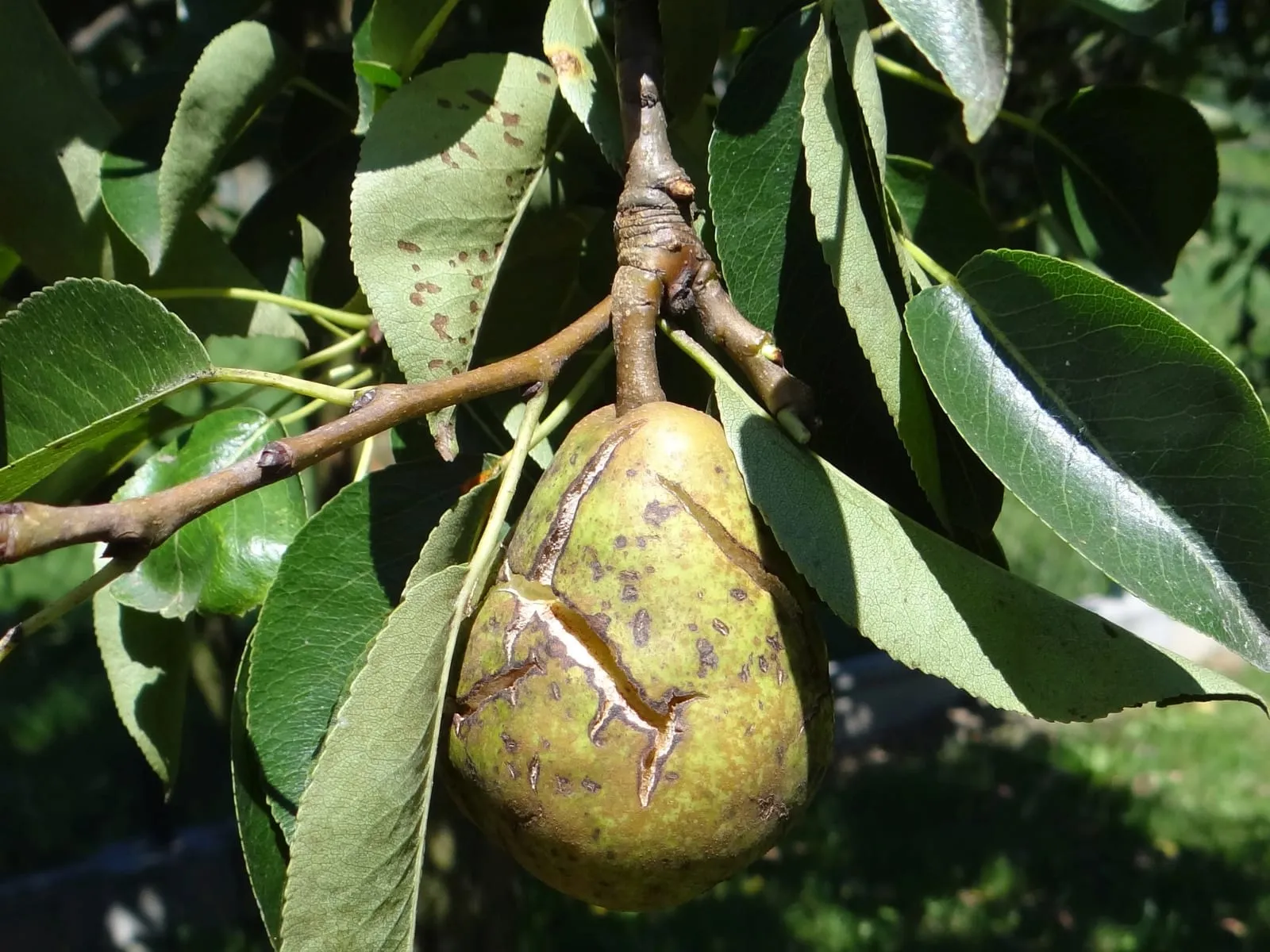
Venturia pyrina
Fungal disease similar to apple scab but specific to pear, causing leaf and fruit lesions.
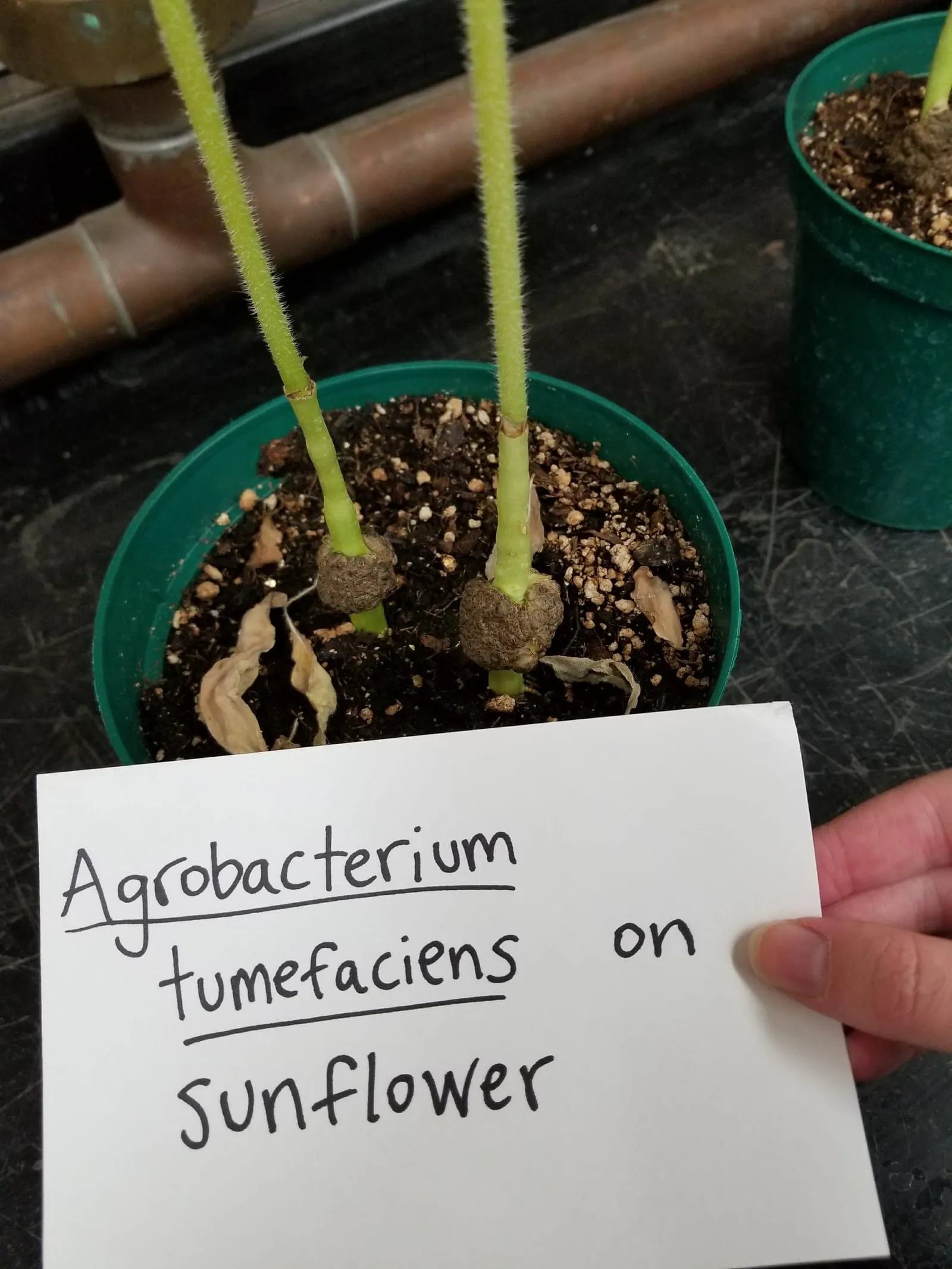
Agrobacterium tumefaciens
Soil-borne bacterium that enters plants through wounds and induces tumor-like galls on roots, crown, and lower stems. Galls reduce vigor and shorten plant lifespan; on Rubus the disease is often fatal.
Common pests
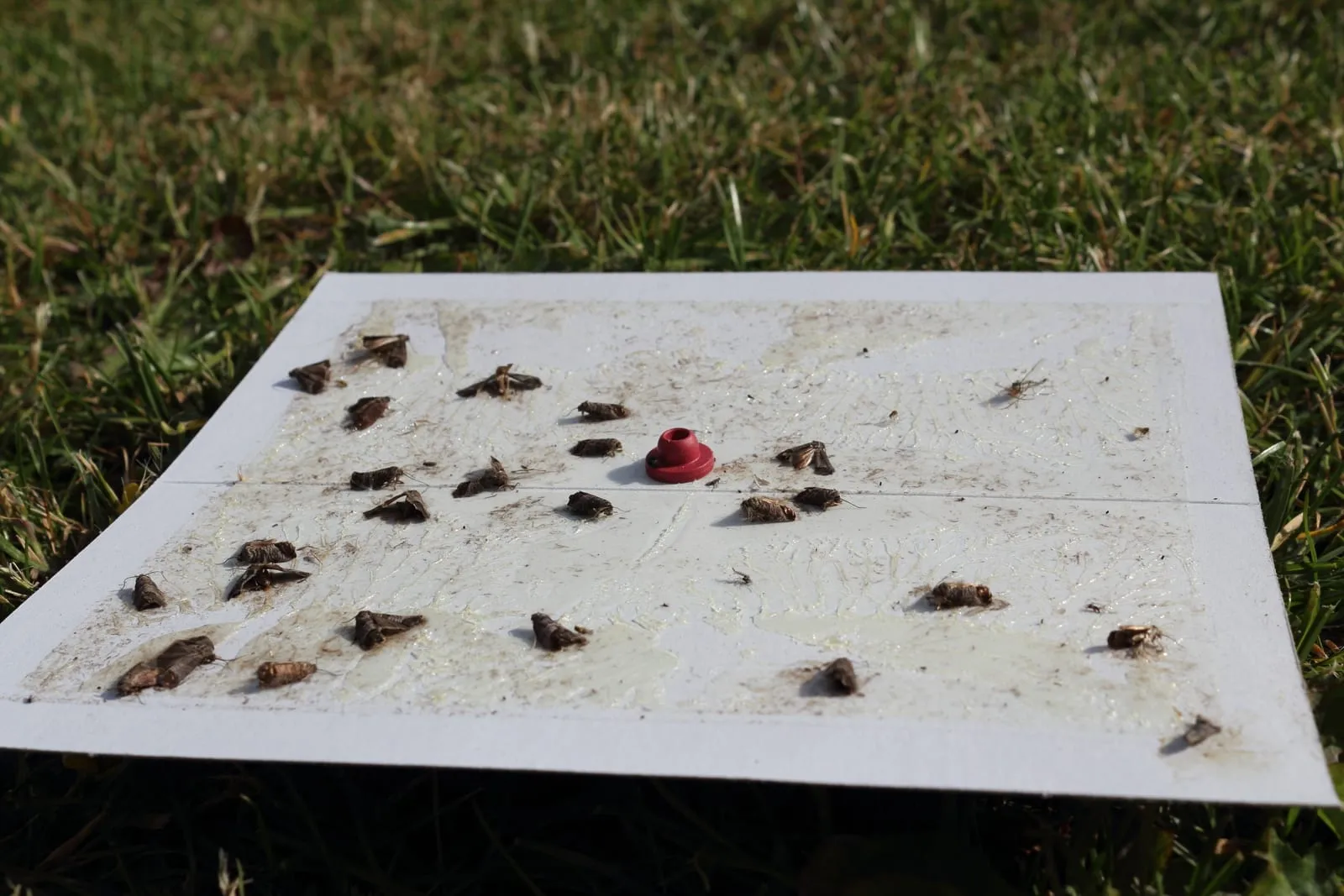
Cydia pomonella
The most damaging pest of apple worldwide. Larvae tunnel into developing fruit, ruining the crop.
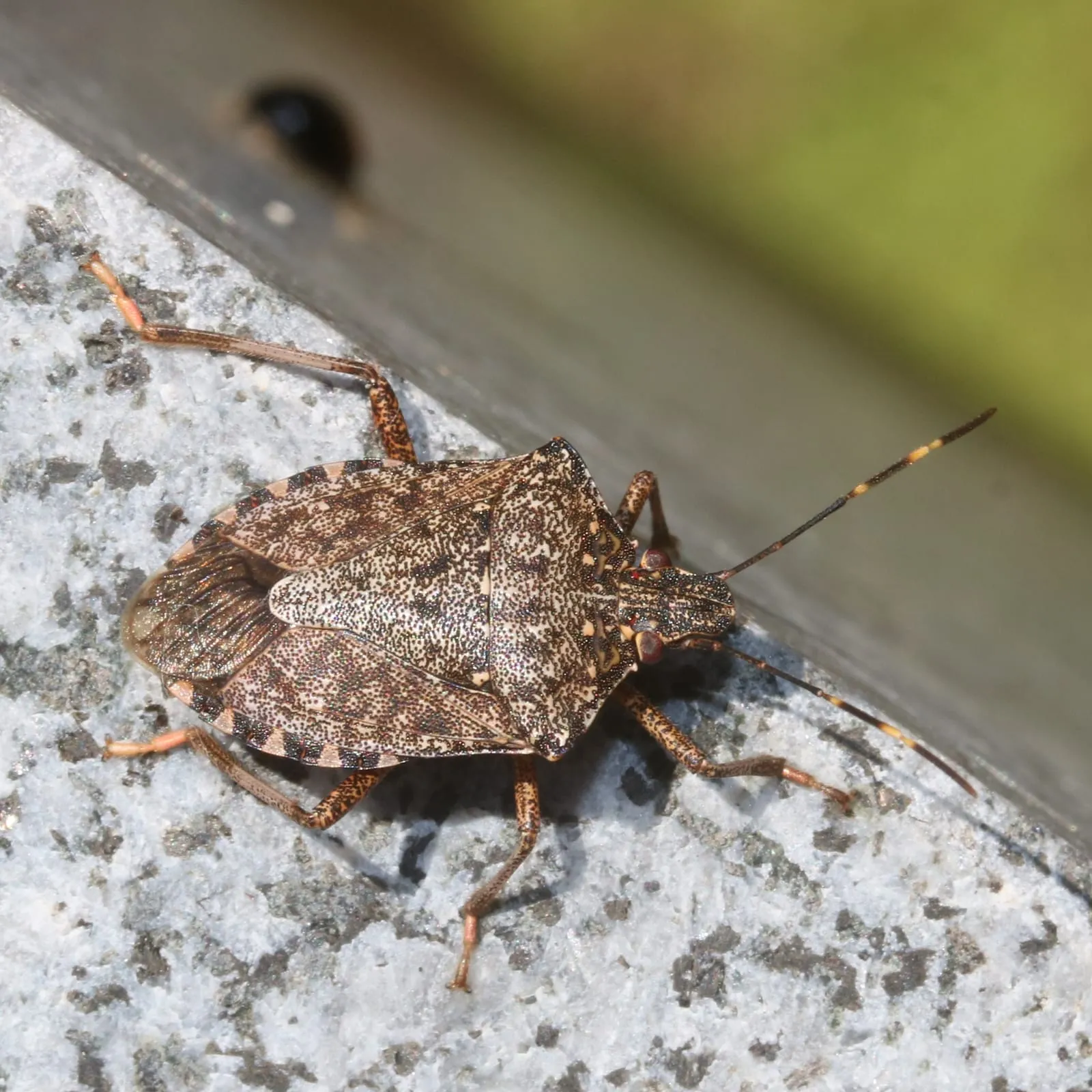
Halyomorpha halys
Invasive stink bug from Asia that pierces fruit, causing corky tissue and surface dimpling.
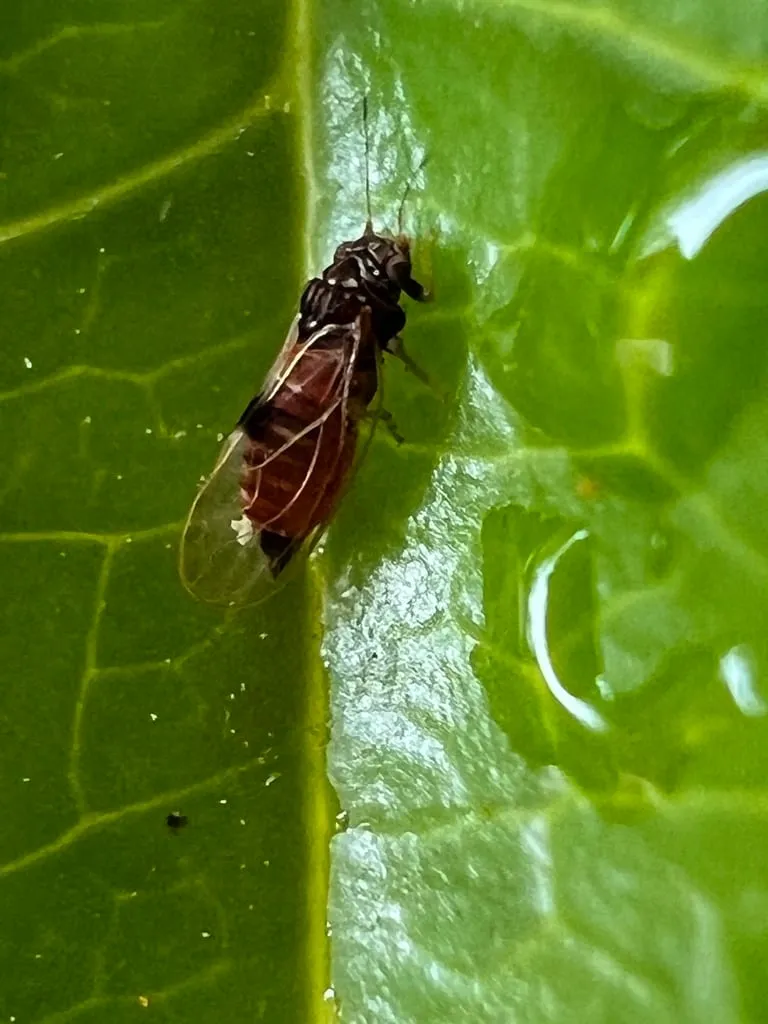
Cacopsylla pyricola
Pear's primary pest, sucking sap and producing honeydew that supports sooty mold.
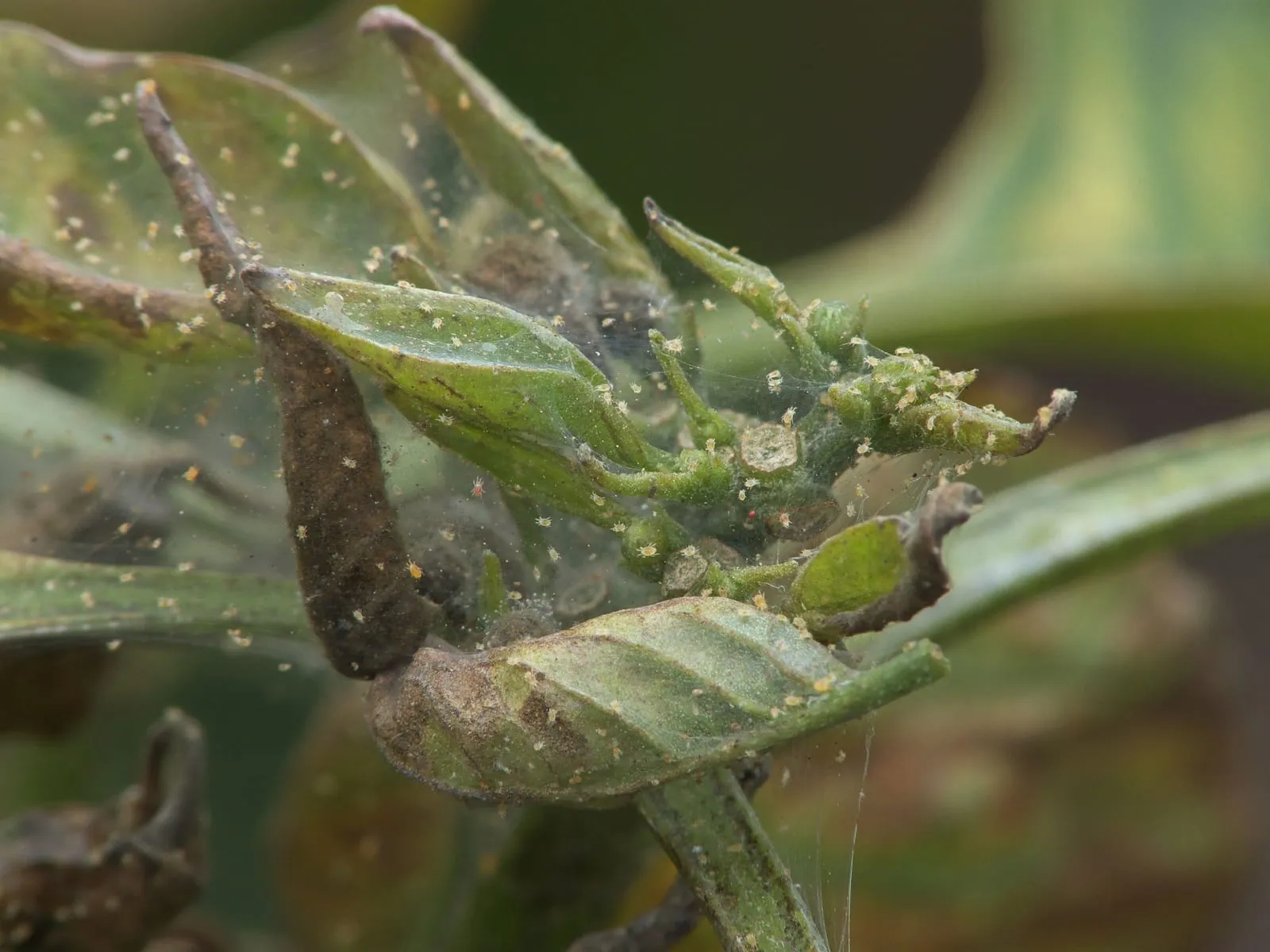
Tetranychus urticae
Tiny mite that feeds on leaf undersides, causing stippling and webbing during hot dry weather.
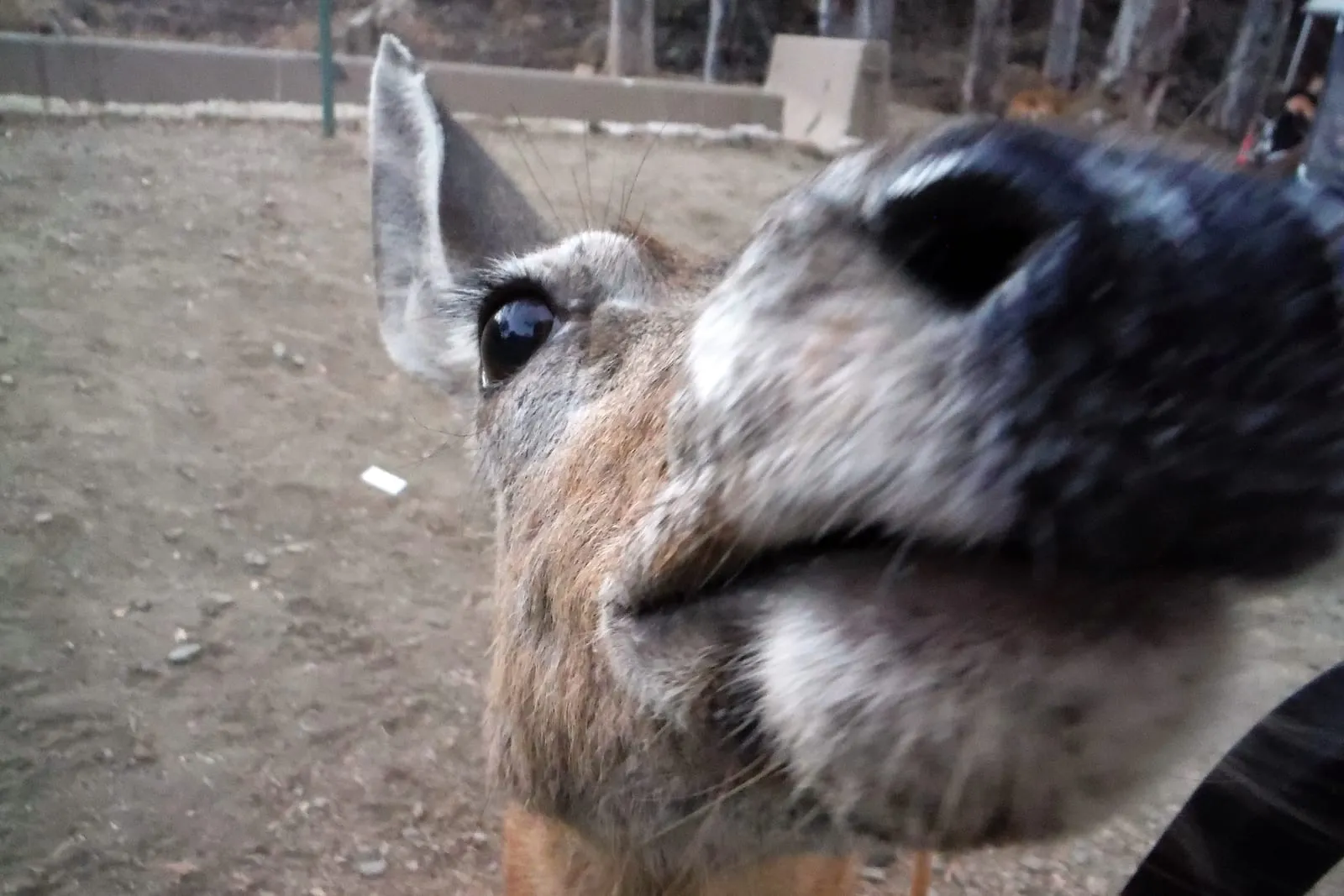
Odocoileus species
Whitetail and mule deer browse can devastate orchards and gardens, particularly in winter when food is scarce. Antler rub on young trunks kills saplings outright.
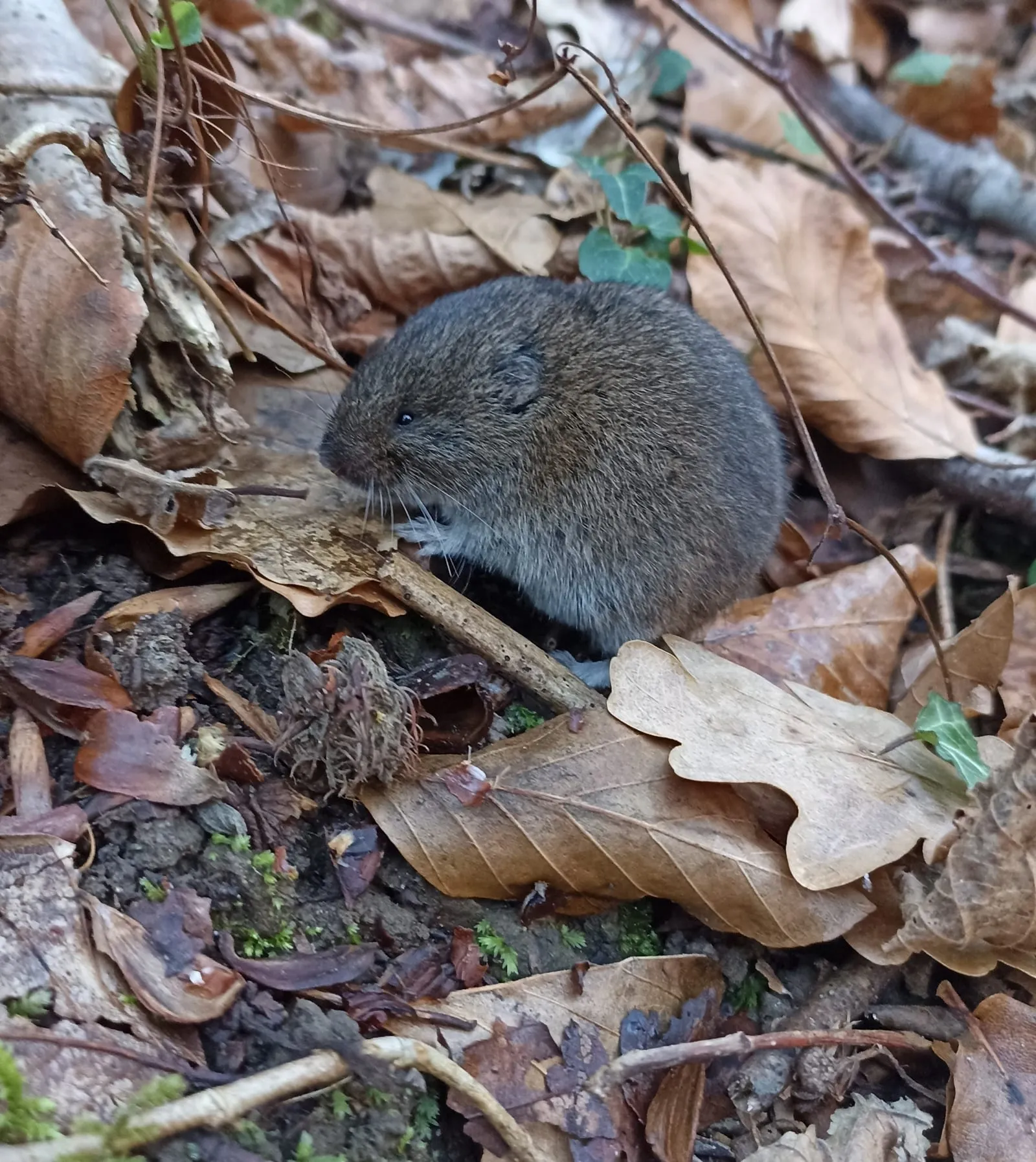
Microtus species
Field voles and meadow voles girdle young fruit-tree trunks under snow cover during winter and chew root crops. The leading cause of mysterious orchard losses.
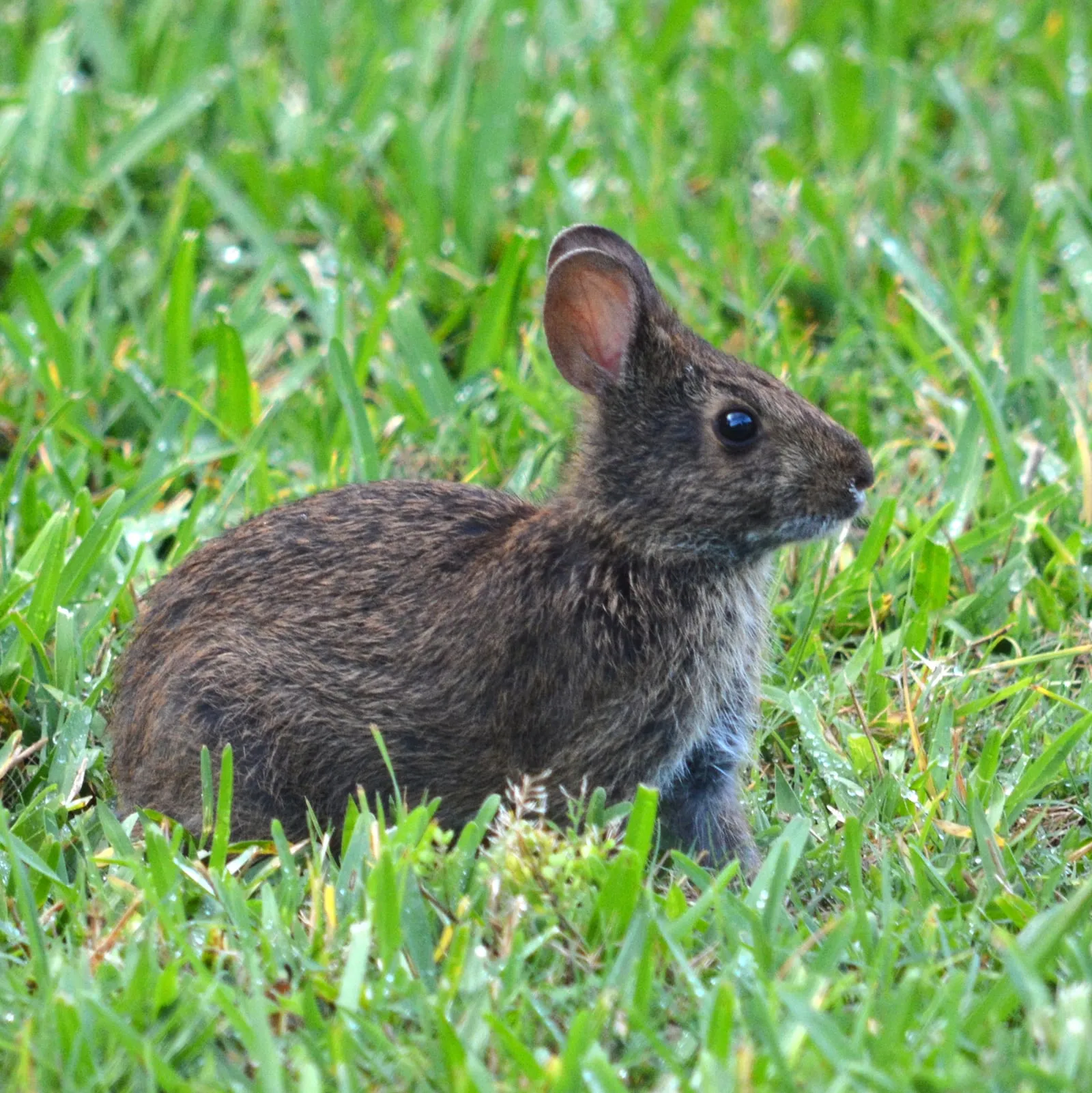
Sylvilagus and Lepus species
Cottontails and jackrabbits strip bark from young fruit trees in winter and graze tender garden vegetables year-round, especially seedlings.
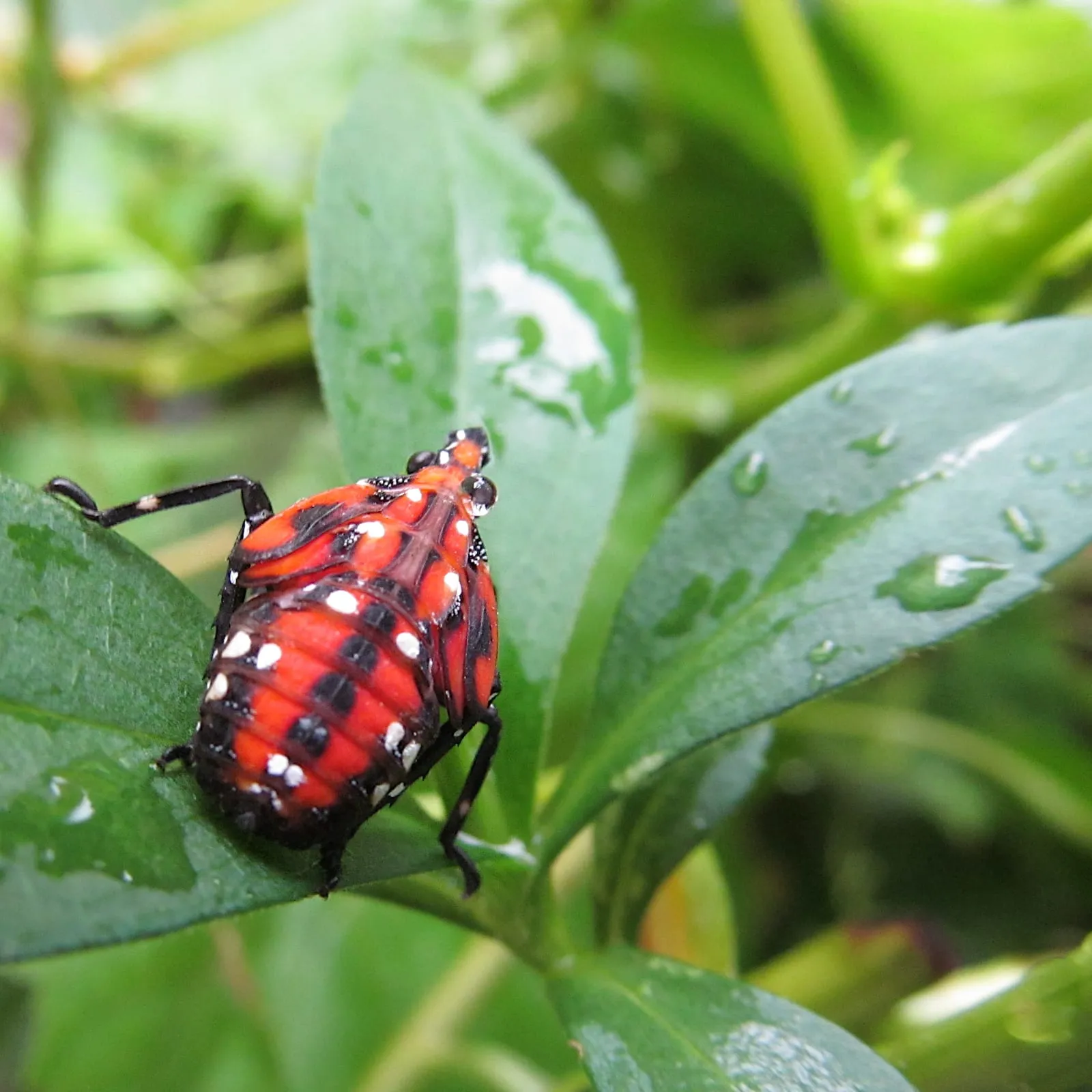
Lycorma delicatula
Invasive planthopper from Asia first detected in Pennsylvania 2014, now spreading through the Eastern US. Direct feeding weakens trees; honeydew supports sooty mold and reduces fruit quality.
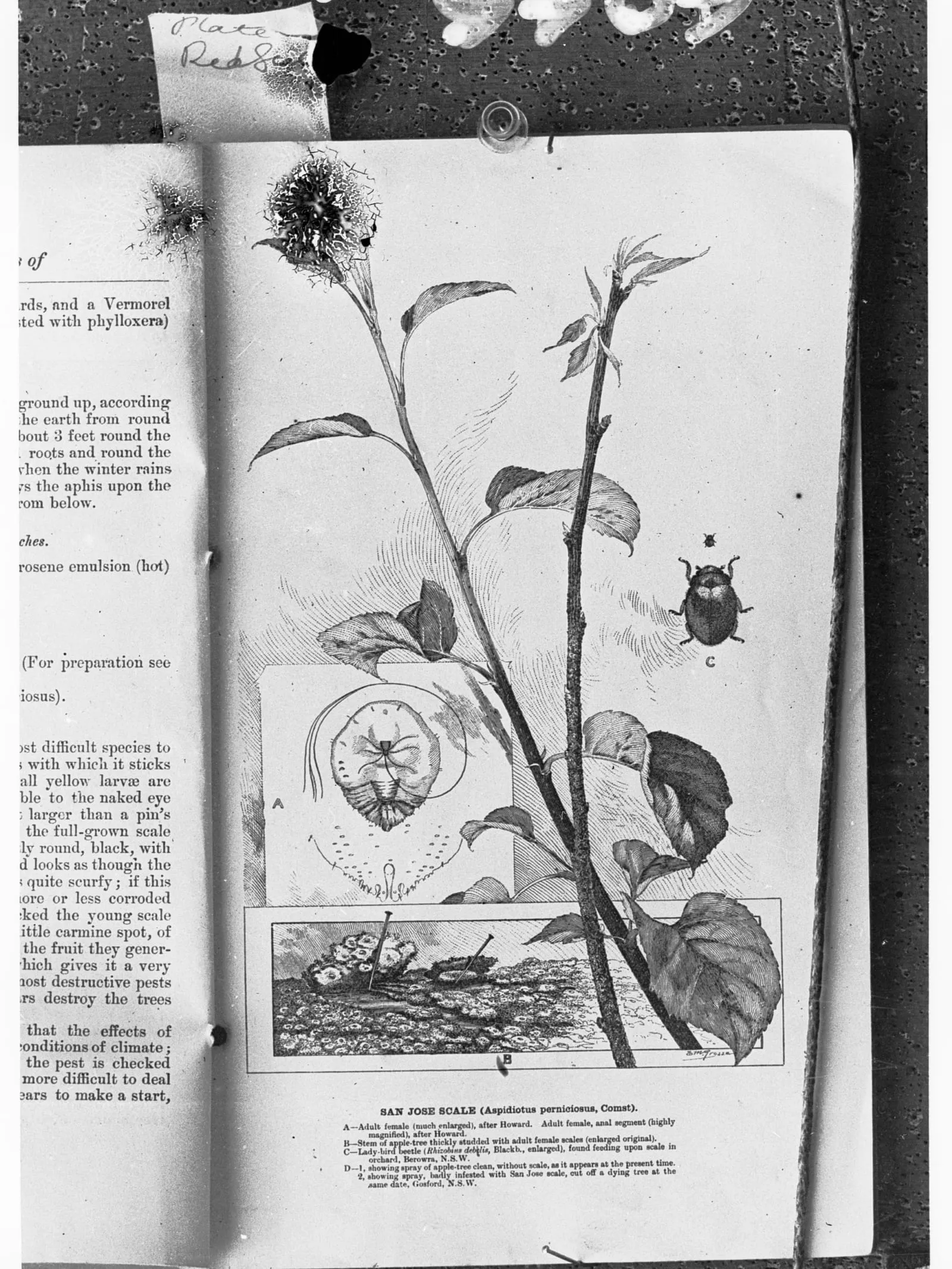
Quadraspidiotus perniciosus
Tiny armored scale insect that encrusts bark, branches, and fruit. Heavy infestations weaken trees and produce red haloed spots on fruit at harvest. Persistent year-over-year if not controlled.
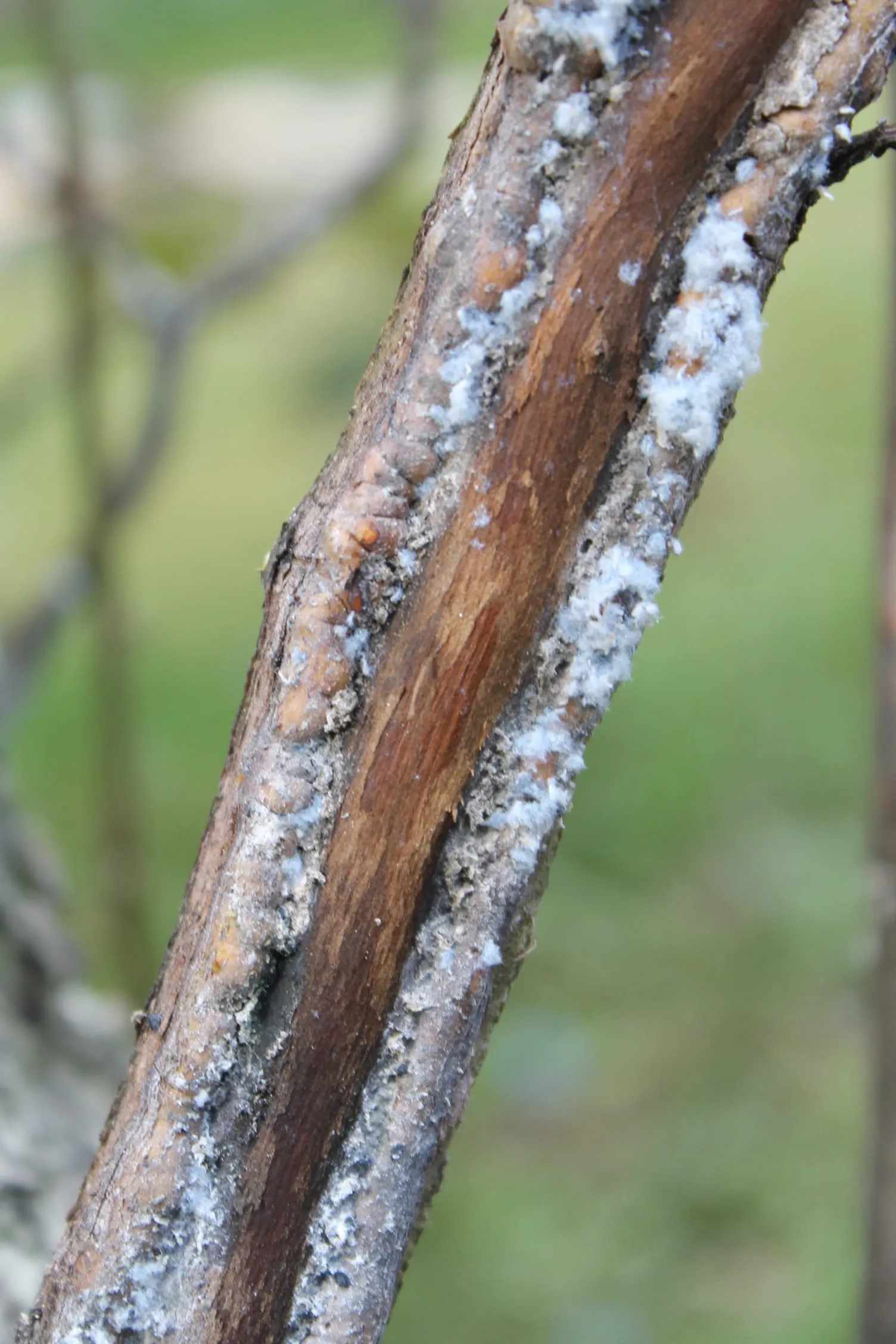
Eriosoma lanigerum
Aphid that feeds on apple roots and aerial wood, producing distinctive cottony white wax. Root colonies cause galls that reduce vigor; aerial colonies disfigure new growth.
Common challenges
Fire blight is the primary reason many home pear plantings fail, particularly in the humid eastern half of the country. The bacterium spreads during bloom on warm, wet days; infected shoot tips wilt and turn dark brown as if scorched. Aggressive pruning (cutting at least 12 inches below visible infection into clean wood, sterilizing tools between cuts) can slow the spread, but resistant varieties remain the most reliable defense. According to NC State Extension Pear Production, Bartlett is considered high-risk in most humid climates, while Magness and Moonglow carry substantially better resistance.
Pollination failure is frequently misdiagnosed as a production problem. Many growers plant a single tree and attribute poor yields to soil or pruning when the tree simply lacks a compatible cross-pollinator. Magness is a well-documented example: it produces near-zero crops without a second variety in bloom at the same time. Moonglow is commonly planted alongside it for this reason. Even varieties described as partially self-fertile produce substantially larger crops with cross-pollination.
Chill-hour mismatch is a slower failure mode. A tree planted with the wrong chill requirement for the local climate may bloom erratically, skip seasons, or produce small crops without any obvious cause. The 600 to 900-hour range for European pears spans several climate situations, so local chill accumulation data for a given zip code matters more than zone designation alone. Warm winters that fall short of the required hours can cause progressive fruiting problems that compound over successive years.
Grafting and rootstocks
Companion plants
Frequently asked questions
- How many chill hours do pear trees require?
Most European pear varieties require 600 to 900 hours below 45°F during winter dormancy. The specific requirement varies by variety. Selecting a variety matched to the typical chill accumulation in the local zone is important for reliable bloom and fruiting; both under-chilling and over-chilling can reduce crop consistency.
- What USDA zones can grow European pears?
European pears (Pyrus communis) are adapted from zone 4a through 8b. Zones 4 and 5a require attention to rootstock cold-hardiness. Zones 8a and 8b present the opposite risk: marginal chill accumulation in mild winters can cause erratic bloom and reduced yields in warm years.
- How long does it take a pear tree to bear fruit?
Most pear trees begin bearing fruit 3 to 5 years after planting, depending on rootstock and variety. Once bearing, the time from bloom to harvest runs 115 to 165 days depending on the variety and summer temperatures at the planting site.
- Do pear trees need a cross-pollinator?
Most varieties produce significantly better crops with a cross-pollinator, and some are self-unfruitful. Magness, for example, sets near-zero fruit without a compatible variety blooming nearby. Moonglow and Bartlett are both commonly used as pollinators. Even partially self-fertile selections yield more with cross-pollination.
- What is fire blight and how serious is it for pears?
Fire blight is a bacterial disease (Erwinia amylovora) that spreads during warm, wet bloom periods and causes shoot tips to wilt and turn dark brown. It is serious enough to kill young trees in a single season if left unchecked. Choosing resistant varieties like Moonglow or Magness is the most effective mitigation, particularly in humid climates where Bartlett is high-risk.
- When should pears be harvested?
European pears should generally be harvested before they fully ripen on the tree. Fruit picked at mature size and ripened off the tree at room temperature (or conditioned in cold storage) develops better flavor and a smoother texture than tree-ripened fruit, which often turns grainy at the core.
- Which pear variety offers the best combination of flavor and disease resistance?
Magness is widely regarded as one of the finest fresh-eating pears available, with very sweet, smooth melting flesh and substantially better fire blight resistance than Bartlett. The trade-off is that it requires a cross-pollinator and is not well-suited for canning. Moonglow is a reliable choice for those wanting both good disease resistance and dual-purpose (fresh and canning) use.
+−
+−
+−
+−
+−
+−
+−
Sources
Image: "Груша обыкновенная", by Vasily Moryashkin, via iNaturalist, licensed under CC-BY. Source.
Pear by zone
Related