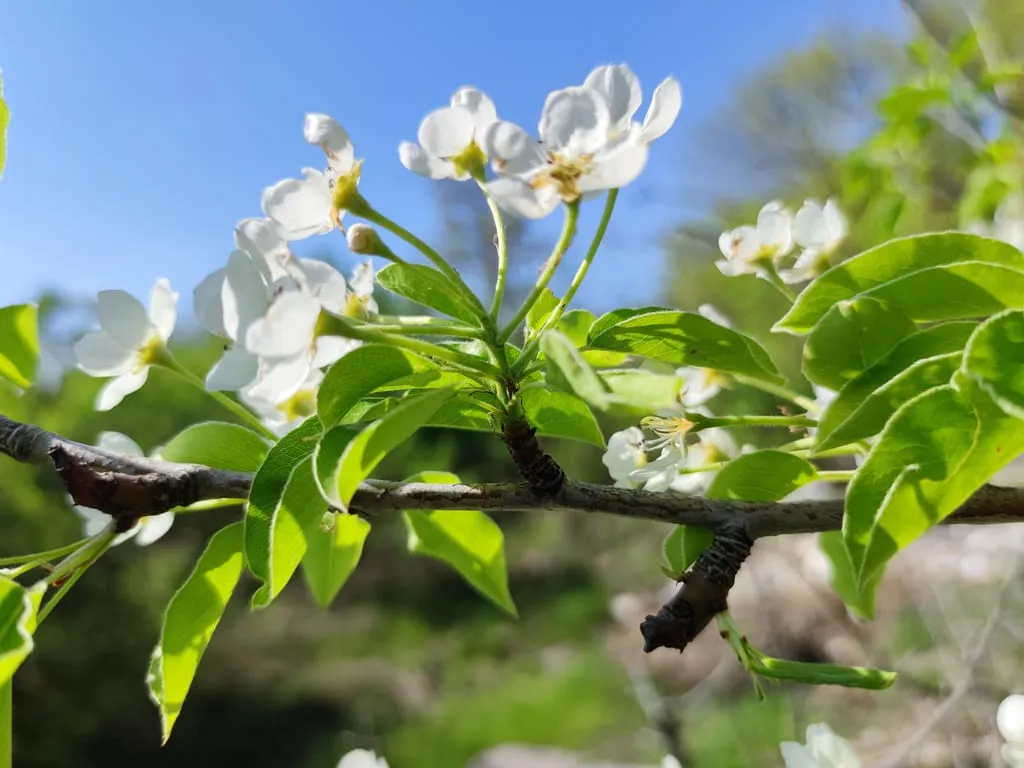
fruit tree in zone 6a
Growing pear in zone 6a
Pyrus communis
- Zone
- 6a -10°F to -5°F
- Growing season
- 180 days
- Chill needed
- 600 to 900 below 45°F
- Suitable varieties
- 4
- Days to harvest
- 115 to 165
The verdict
Zone 6a is a reliable fit for pear, not a marginal one. The zone's typical chill hour accumulation runs 800 to 1,200 hours across most locations, comfortably covering the 600 to 900 hour requirement shared by Bartlett, Moonglow, Magness, and Kieffer. Dormancy requirements will be met in nearly every winter without excess chilling that could disrupt bloom timing.
The zone's winter low of -10°F to -5°F is cold enough to satisfy deep dormancy but rarely damaging to established pear wood, which is hardier than peach or sweet cherry. The 180-day growing season exceeds what most pear varieties need, leaving adequate buffer at both ends of the calendar.
The limiting factor for pear in zone 6a is not cold tolerance or chill hours. It is fire blight pressure, which is substantial across the humid mid-Atlantic and upper Midwest regions that make up much of this zone. Variety selection and disease management matter more here than zone suitability.
Recommended varieties for zone 6a
4 cultivars suited to this zone, with disease-resistance and zone-fit annotations.
| Variety | Notes | Zone fit | Disease resistance |
|---|---|---|---|
| Bartlett fits zone 6a | Sweet, juicy, classic dessert pear; ripens to a soft buttery melt-in-the-mouth texture. The standard for canning and fresh eating. Fire-blight susceptible. | | none noted |
| Magness fits zone 6a | Very sweet, juicy, smooth melting flesh; an exceptional fresh-eating pear that rivals Bartlett in flavor with much better disease resistance. Self-unfruitful (needs pollinator). | |
|
| Moonglow fits zone 6a | Mild, sweet, soft and juicy when ripe; good fresh and for canning. Fire-blight resistant. Often planted as the pollinator for Magness. | |
|
| Kieffer fits zone 6a | Crisp, gritty, mildly sweet, yellow-skinned; a tough cooking and canning pear, not great fresh. Holds shape in preserves and pear butter. Productive in heat. | |
|
Critical timing for zone 6a
Pear blooms early, typically mid-April in zone 6a, which puts it ahead of apple by roughly one to two weeks. The last spring frost in zone 6a falls anywhere from late April to early May depending on location, creating meaningful overlap between bloom and frost risk in most years. Bartlett blooms among the earliest and carries the highest frost exposure. Kieffer and Moonglow bloom slightly later, giving them a modest advantage in frost-prone sites.
Harvest windows vary by variety. Moonglow ripens in August. Bartlett follows in late August to early September. Kieffer is a late-season variety, ripening September through October, well within zone 6a's growing season. Most pear varieties are harvested before full tree-ripeness and finished at room temperature or in cold storage at 30°F to 32°F.
Common challenges in zone 6a
- ▸ Brown rot in stone fruit
- ▸ Japanese beetles
- ▸ Spring frost damage to peach buds
Disease pressure to watch for
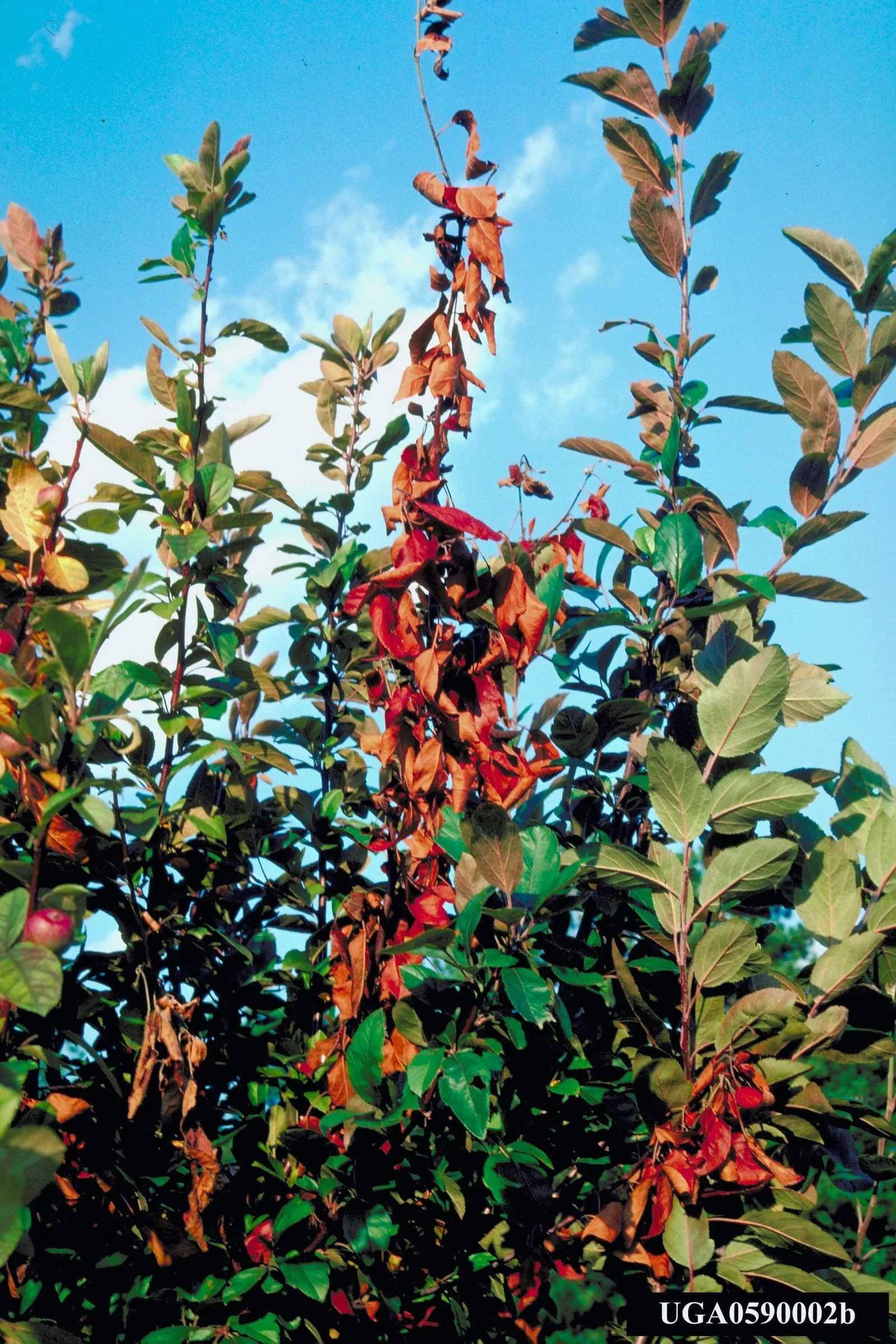
Erwinia amylovora
Devastating bacterial disease that can kill trees rapidly. Most severe in warm wet springs.
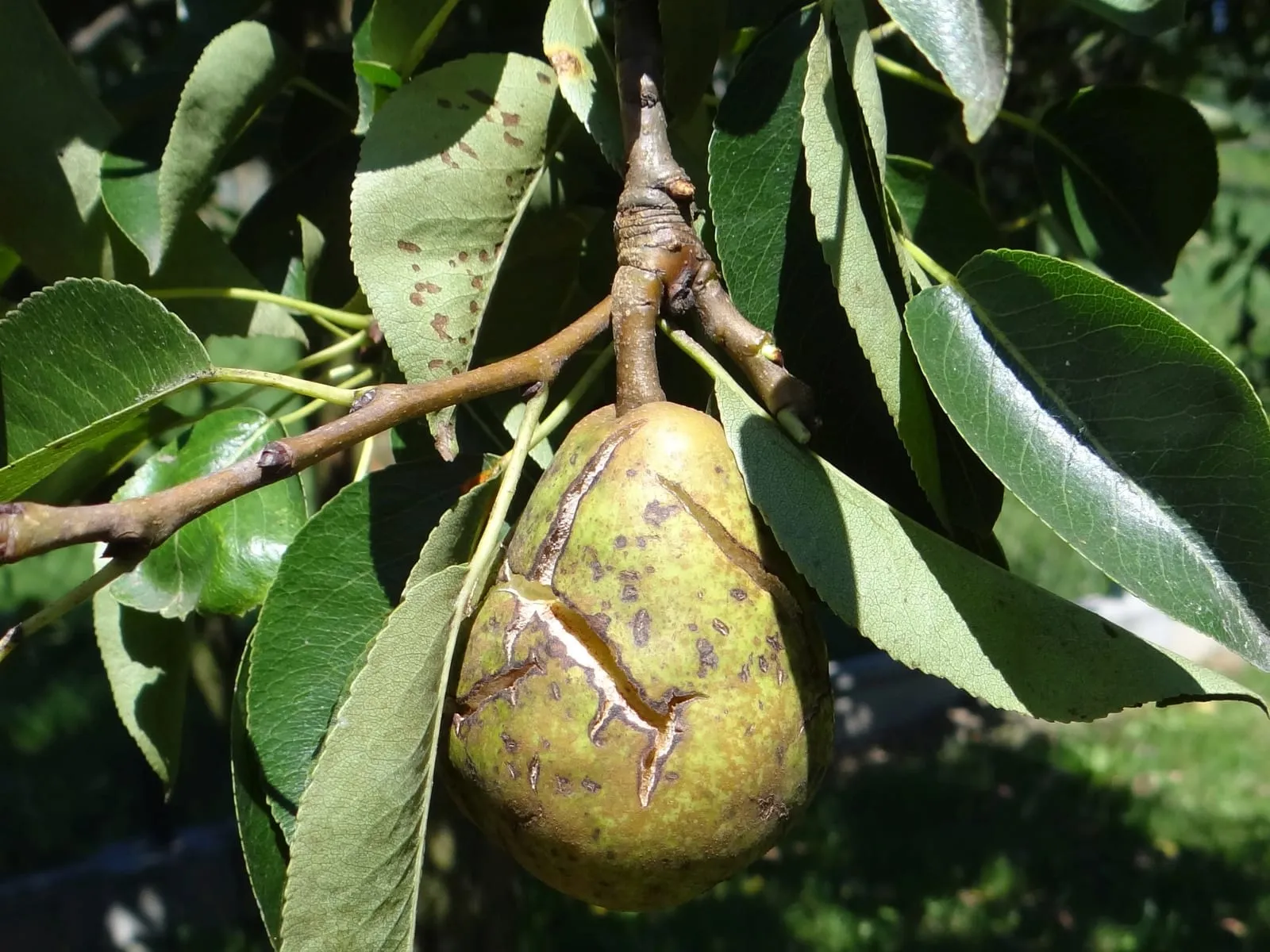
Venturia pyrina
Fungal disease similar to apple scab but specific to pear, causing leaf and fruit lesions.
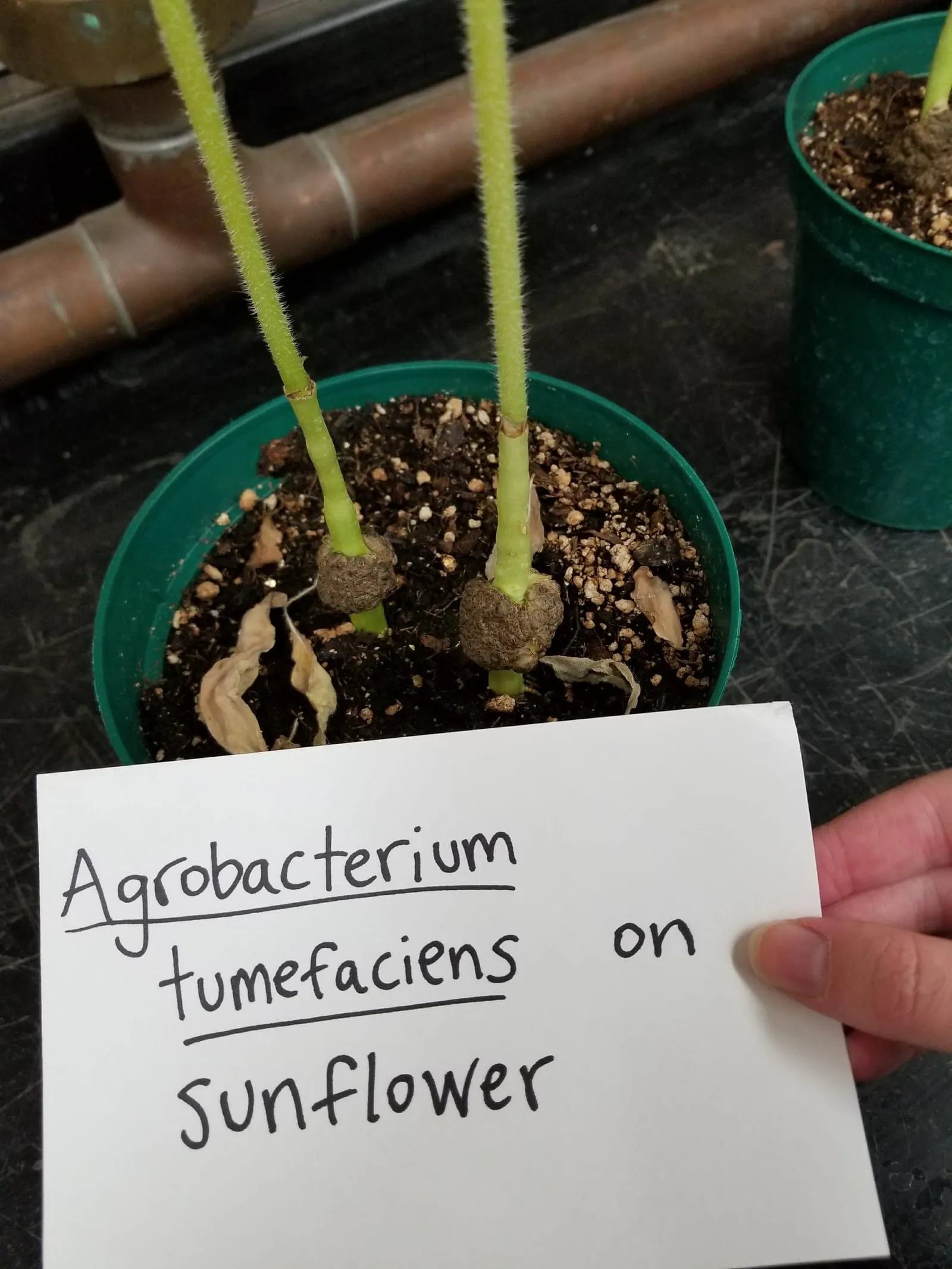
Agrobacterium tumefaciens
Soil-borne bacterium that enters plants through wounds and induces tumor-like galls on roots, crown, and lower stems. Galls reduce vigor and shorten plant lifespan; on Rubus the disease is often fatal.
Modified care for zone 6a
Fire blight is the primary management adjustment for pear growers in zone 6a. Humid spring conditions during bloom drive infection, and the disease can kill entire scaffolds or young trees if left unmanaged. A standard spray program includes copper applied at green tip, followed by streptomycin at 25% bloom and again at full bloom during warm, wet weather. Infected wood should be removed promptly, cutting 12 inches below visible symptoms with tools sterilized between cuts.
Magness and Moonglow carry meaningful fire blight resistance and are worth weighting in variety selection for growers in high-pressure areas. Bartlett and Kieffer are moderately susceptible.
Japanese beetles are active in zone 6a from late June through August, overlapping with fruit development on late-ripening varieties. They can defoliate young trees quickly. On established trees, targeted insecticide applications or beetle traps placed well away from the planting are more practical than exclusion netting.
Frequently asked questions
- Is zone 6a cold enough for pear trees to fruit reliably?
Yes. Most pear varieties require 600 to 900 chill hours, and zone 6a accumulates well above that in a typical winter. Cold hardiness is rarely the concern; fire blight management is the more consequential challenge for zone 6a pear growers.
- Which pear varieties perform best in zone 6a?
Moonglow and Magness offer meaningful fire blight resistance alongside solid fruit quality, making them strong choices for zone 6a's humid conditions. Bartlett produces well but requires consistent blight management. Kieffer is the most blight-tolerant of the four and ripens late, which suits the zone's long growing season.
- How do late spring frosts affect pear bloom in zone 6a?
Pear blooms mid-April in most zone 6a locations, which overlaps with frost risk through late April or early May. Bartlett's early bloom makes it the most vulnerable. Kieffer and Moonglow bloom later and are less exposed. Site selection matters: avoid low-lying frost pockets for pear plantings.
- When should pear be harvested in zone 6a?
Harvest timing depends on variety. Moonglow typically ripens in August, Bartlett in late August to early September, and Kieffer from September into October. Pears are harvested when mature but still firm, then ripened off the tree at room temperature or in cold storage.
+−
+−
+−
+−
Pear in adjacent zones
Image: "Груша обыкновенная", by Vasily Moryashkin, via iNaturalist, licensed under CC-BY Source.
Related