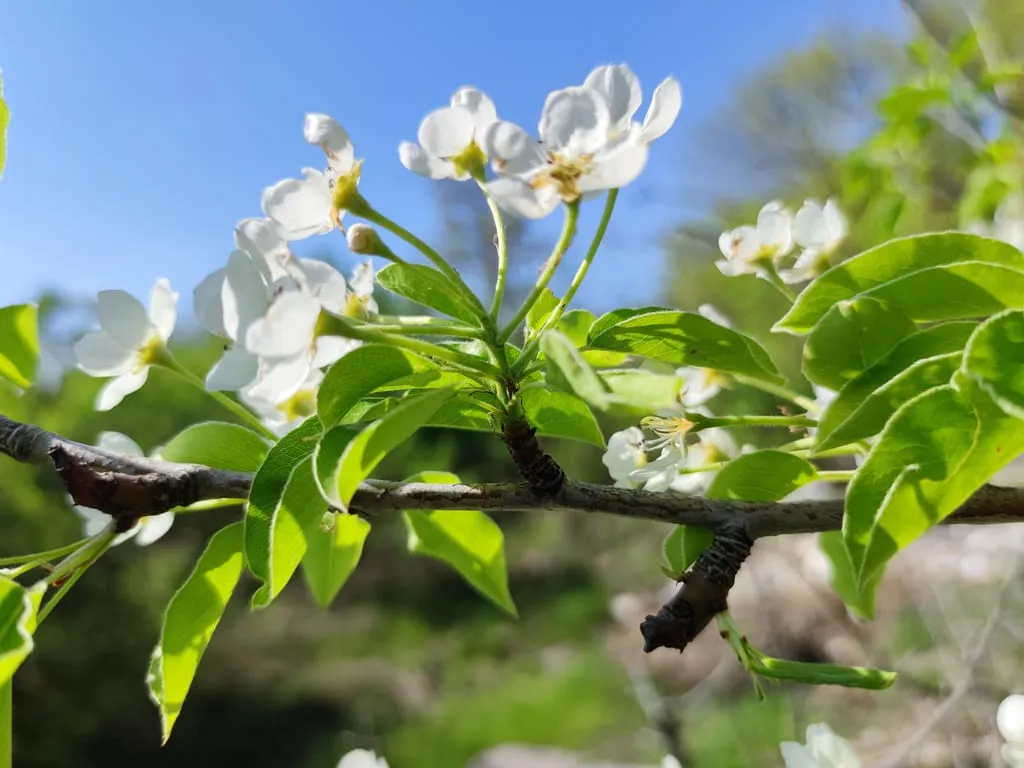
fruit tree in zone 6b
Growing pear in zone 6b
Pyrus communis
- Zone
- 6b -5°F to 0°F
- Growing season
- 190 days
- Chill needed
- 600 to 900 below 45°F
- Suitable varieties
- 4
- Days to harvest
- 115 to 165
The verdict
Zone 6b is a reliable fit for pear, not a marginal one. The crop's chill-hour requirement of 600 to 900 hours aligns well with what most zone 6b winters consistently deliver, so erratic bloom from insufficient chilling is rarely a concern here. Growers in zone 7 and warmer face that risk more often.
Winter minimum temperatures of -5 to 0°F fall within the hardiness range of all four recommended varieties. Bartlett is the most cold-sensitive of the group and performs better on a protected site or in the warmer pockets of the zone. Magness, Moonglow, and Kieffer handle zone 6b cold without difficulty.
The 190-day growing season is long enough to carry even late-ripening Kieffer to maturity in most years. The real constraint in zone 6b is not cold or chill hours but fire blight pressure, which shapes variety selection more than any other factor here.
Recommended varieties for zone 6b
4 cultivars suited to this zone, with disease-resistance and zone-fit annotations.
| Variety | Notes | Zone fit | Disease resistance |
|---|---|---|---|
| Bartlett fits zone 6b | Sweet, juicy, classic dessert pear; ripens to a soft buttery melt-in-the-mouth texture. The standard for canning and fresh eating. Fire-blight susceptible. | | none noted |
| Magness fits zone 6b | Very sweet, juicy, smooth melting flesh; an exceptional fresh-eating pear that rivals Bartlett in flavor with much better disease resistance. Self-unfruitful (needs pollinator). | |
|
| Moonglow fits zone 6b | Mild, sweet, soft and juicy when ripe; good fresh and for canning. Fire-blight resistant. Often planted as the pollinator for Magness. | |
|
| Kieffer fits zone 6b | Crisp, gritty, mildly sweet, yellow-skinned; a tough cooking and canning pear, not great fresh. Holds shape in preserves and pear butter. Productive in heat. | |
|
Critical timing for zone 6b
Pear bloom in zone 6b typically runs from late March through mid-April, driven by winter length and the pace of spring warming. This puts bloom close to the average last frost date for much of the zone, which falls between April 15 and April 30. A late frost after petal fall can eliminate a year's fruit set, so site selection on a slope or elevated ground that drains cold air helps reduce that exposure.
Harvest spreads across the season by variety. Moonglow and Bartlett ripen in August. Magness follows in late August to early September. Kieffer extends into October. The 190-day growing season accommodates the full spread in most years, and growers with space for more than one tree can stagger harvest across roughly 8 weeks.
Common challenges in zone 6b
- ▸ Cedar-apple rust
- ▸ Fire blight
- ▸ Stink bugs
Disease pressure to watch for
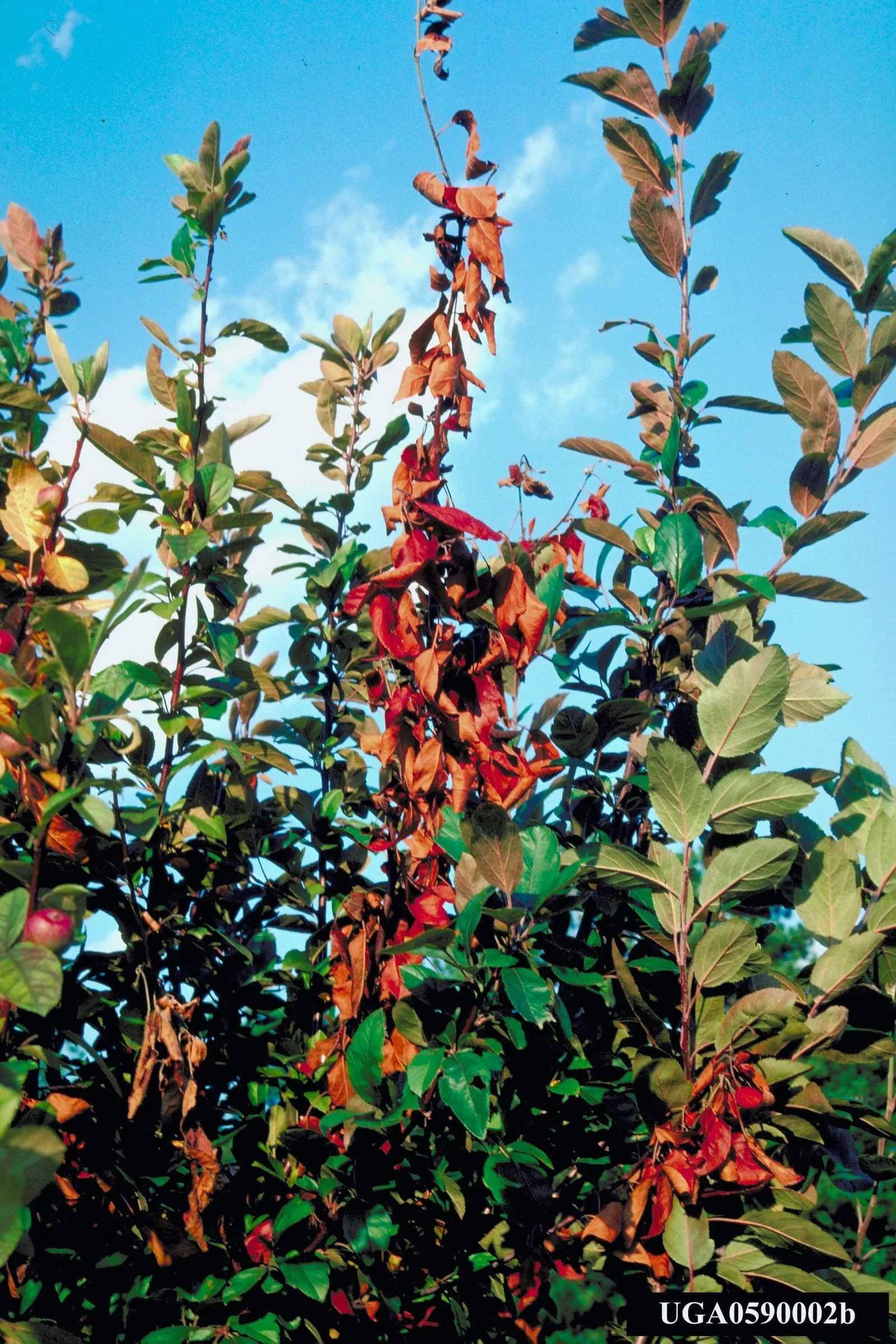
Erwinia amylovora
Devastating bacterial disease that can kill trees rapidly. Most severe in warm wet springs.
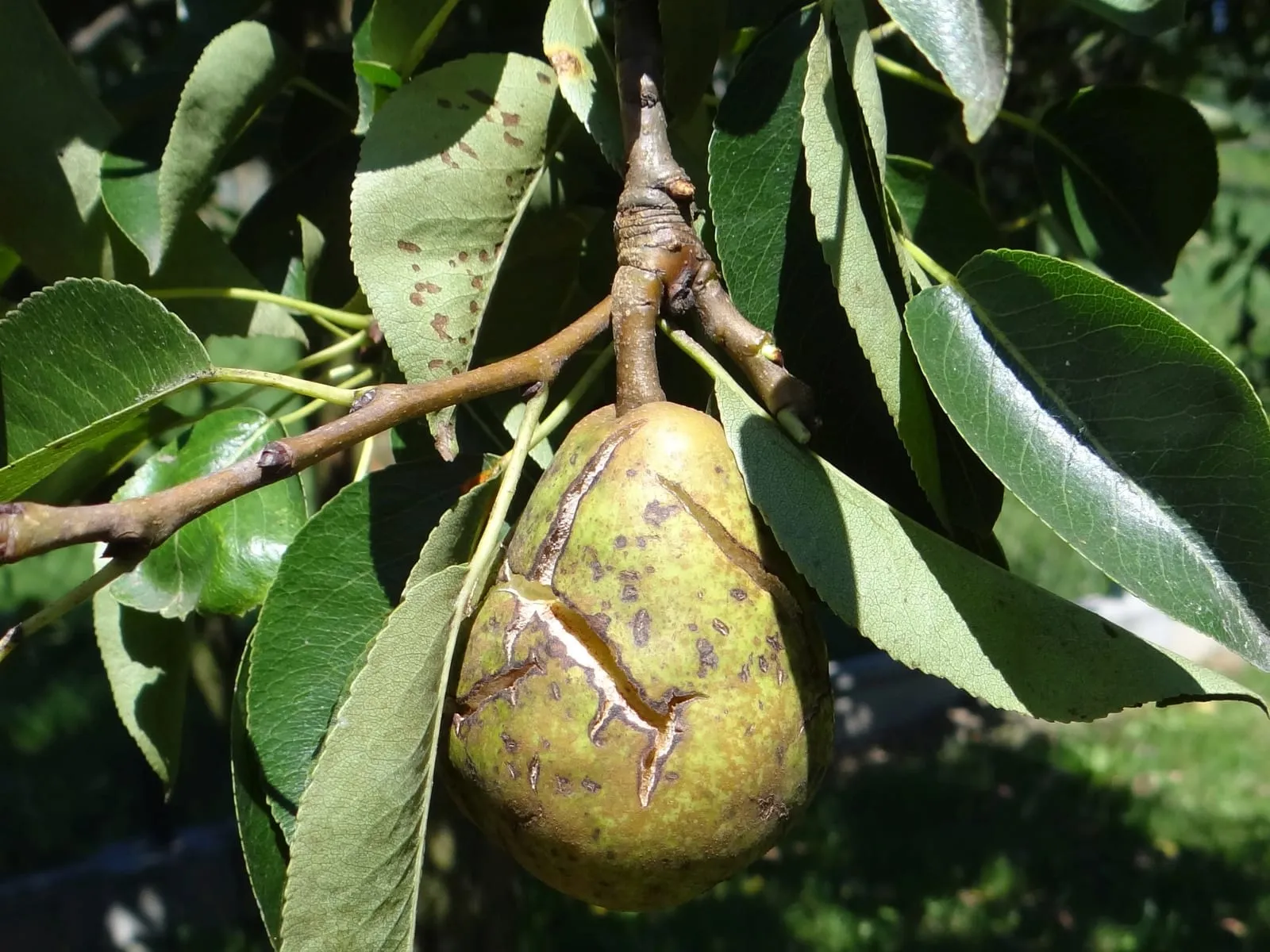
Venturia pyrina
Fungal disease similar to apple scab but specific to pear, causing leaf and fruit lesions.
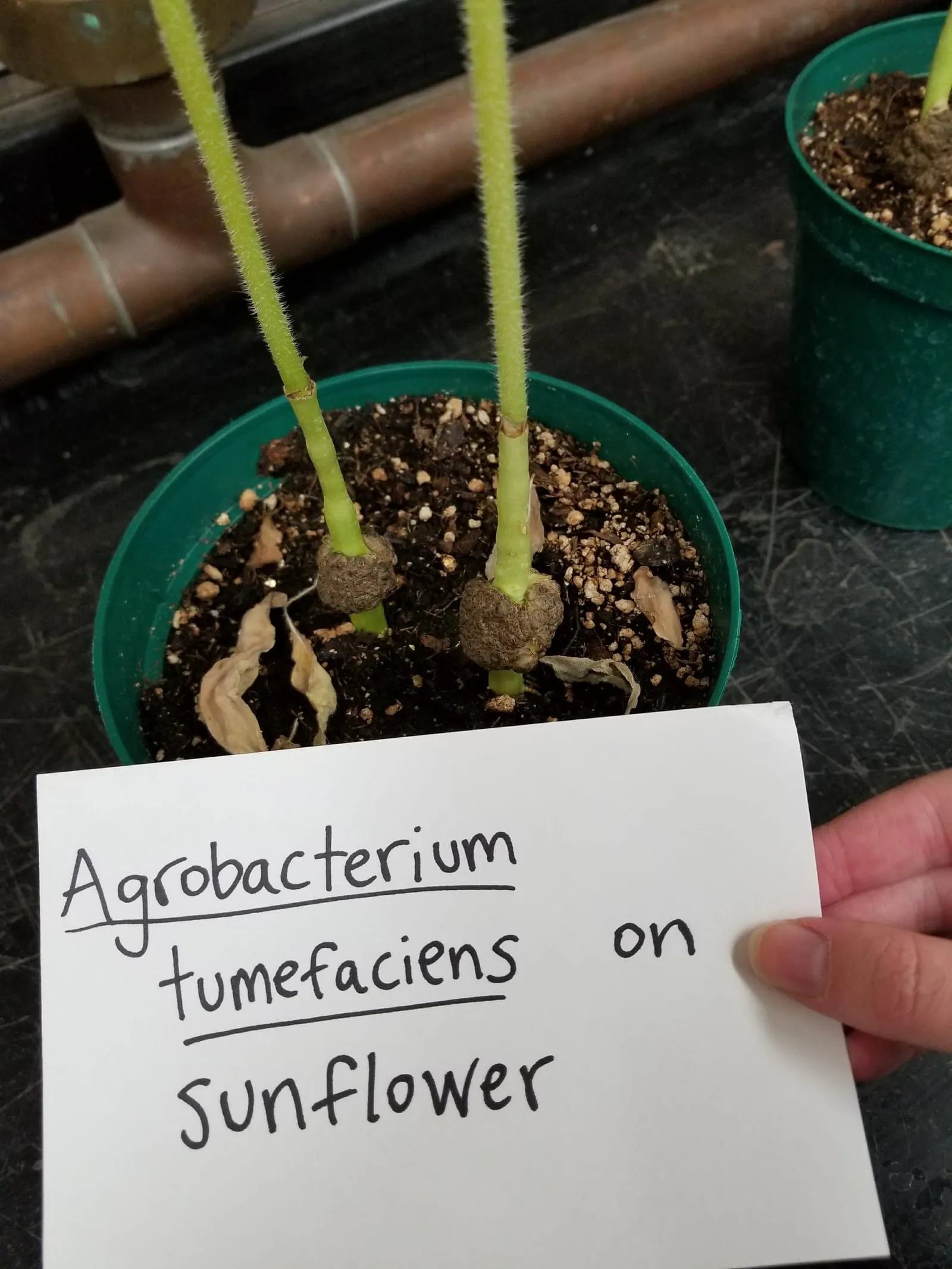
Agrobacterium tumefaciens
Soil-borne bacterium that enters plants through wounds and induces tumor-like galls on roots, crown, and lower stems. Galls reduce vigor and shorten plant lifespan; on Rubus the disease is often fatal.
Modified care for zone 6b
Fire blight is the primary management challenge in zone 6b. Warm, wet springs create favorable infection conditions right at bloom, and the disease can move through a susceptible tree quickly once established. Copper-based sprays applied at early bloom and repeated at petal fall reduce infection pressure, but variety selection provides more durable protection. Magness and Moonglow carry strong fire blight resistance. Bartlett is notably susceptible and requires a consistent management program to perform reliably in this zone.
Brown marmorated stink bug causes significant feeding and cosmetic damage to pear fruit across much of zone 6b, particularly in Mid-Atlantic and lower Midwest locations. Exclusion bags or fine netting over individual fruit clusters is practical for small plantings. Pear scab warrants a fungicide application in wet years but rarely causes the crop-level losses that fire blight can. No extra winter protection is needed for the recommended varieties at zone 6b temperatures.
Pear in adjacent zones
Image: "Груша обыкновенная", by Vasily Moryashkin, via iNaturalist, licensed under CC-BY Source.
Related