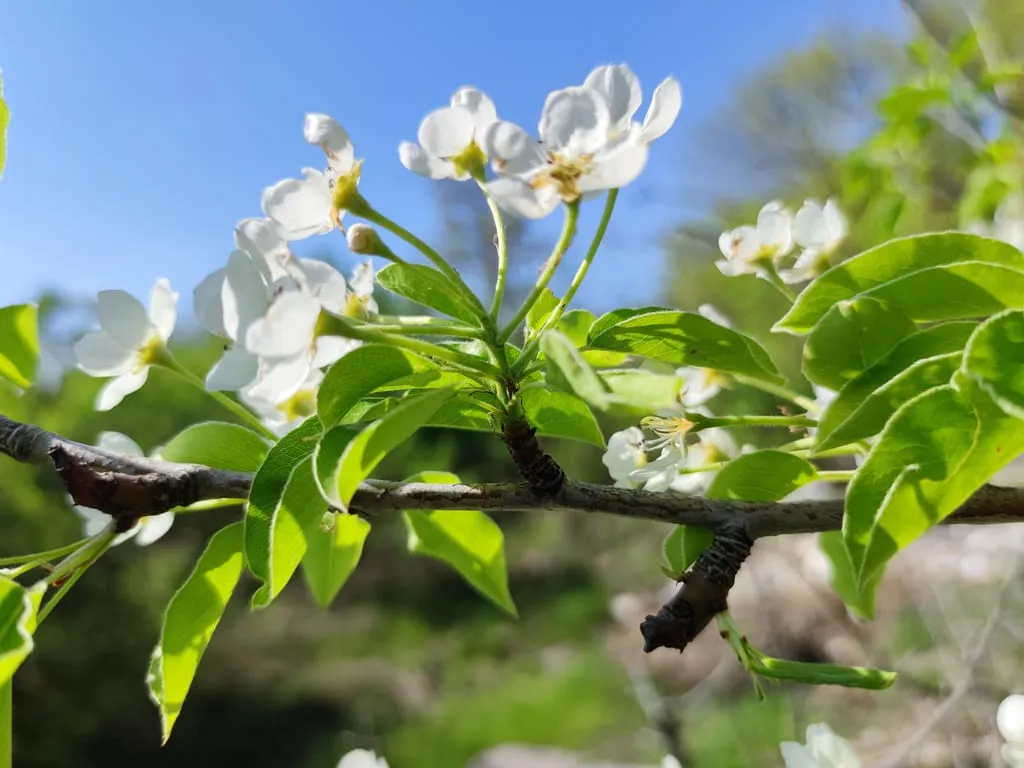
fruit tree in zone 7a
Growing pear in zone 7a
Pyrus communis
- Zone
- 7a 0°F to 5°F
- Growing season
- 210 days
- Chill needed
- 600 to 900 below 45°F
- Suitable varieties
- 4
- Days to harvest
- 115 to 165
The verdict
Zone 7a is a solid fit for pears, not a marginal zone. The chill hour requirement across the recommended varieties runs 600 to 900 hours; zone 7a locations typically accumulate 800 to over 1,000 hours in most winters, putting the crop comfortably within range. Bartlett (around 800 hours), Moonglow (750), and Magness (800 to 900) all sit well within the zone's chill budget. Kieffer tolerates fewer hours and provides a hedge against warmer-than-average winters. The 210-day growing season is ample for all four varieties to develop and ripen fully. Winter minimums of 0 to 5°F are cold enough to satisfy dormancy without causing bark or bud damage on established trees. Where zone 7a gets complicated is not cold hardiness but disease pressure: high humidity and warm springs create serious fire blight and pear scab conditions that will limit production if left unmanaged.
Recommended varieties for zone 7a
4 cultivars suited to this zone, with disease-resistance and zone-fit annotations.
| Variety | Notes | Zone fit | Disease resistance |
|---|---|---|---|
| Bartlett fits zone 7a | Sweet, juicy, classic dessert pear; ripens to a soft buttery melt-in-the-mouth texture. The standard for canning and fresh eating. Fire-blight susceptible. | | none noted |
| Magness fits zone 7a | Very sweet, juicy, smooth melting flesh; an exceptional fresh-eating pear that rivals Bartlett in flavor with much better disease resistance. Self-unfruitful (needs pollinator). | |
|
| Moonglow fits zone 7a | Mild, sweet, soft and juicy when ripe; good fresh and for canning. Fire-blight resistant. Often planted as the pollinator for Magness. | |
|
| Kieffer fits zone 7a | Crisp, gritty, mildly sweet, yellow-skinned; a tough cooking and canning pear, not great fresh. Holds shape in preserves and pear butter. Productive in heat. | |
|
Critical timing for zone 7a
Pear bloom in zone 7a typically falls in late March to early April, varying by variety and how cold the preceding winter was. Bartlett tends to open on the earlier end of that window; Kieffer runs a few days later. The last spring frost in zone 7a generally lands between late March and mid-April, which puts early-blooming varieties at real frost risk in colder years. Growers should track forecasts closely during bloom and be prepared to cover young trees if a freeze threatens. Harvest spans a wide window: Moonglow and Bartlett come in from late July through August; Kieffer follows in October, reducing pressure on a single harvest period and extending the fresh fruit season into fall. The zone's 210-day season leaves adequate time for full fruit development across all four varieties.
Common challenges in zone 7a
- ▸ Cedar-apple rust
- ▸ Brown rot
- ▸ Fire blight
- ▸ High humidity disease pressure
Disease pressure to watch for
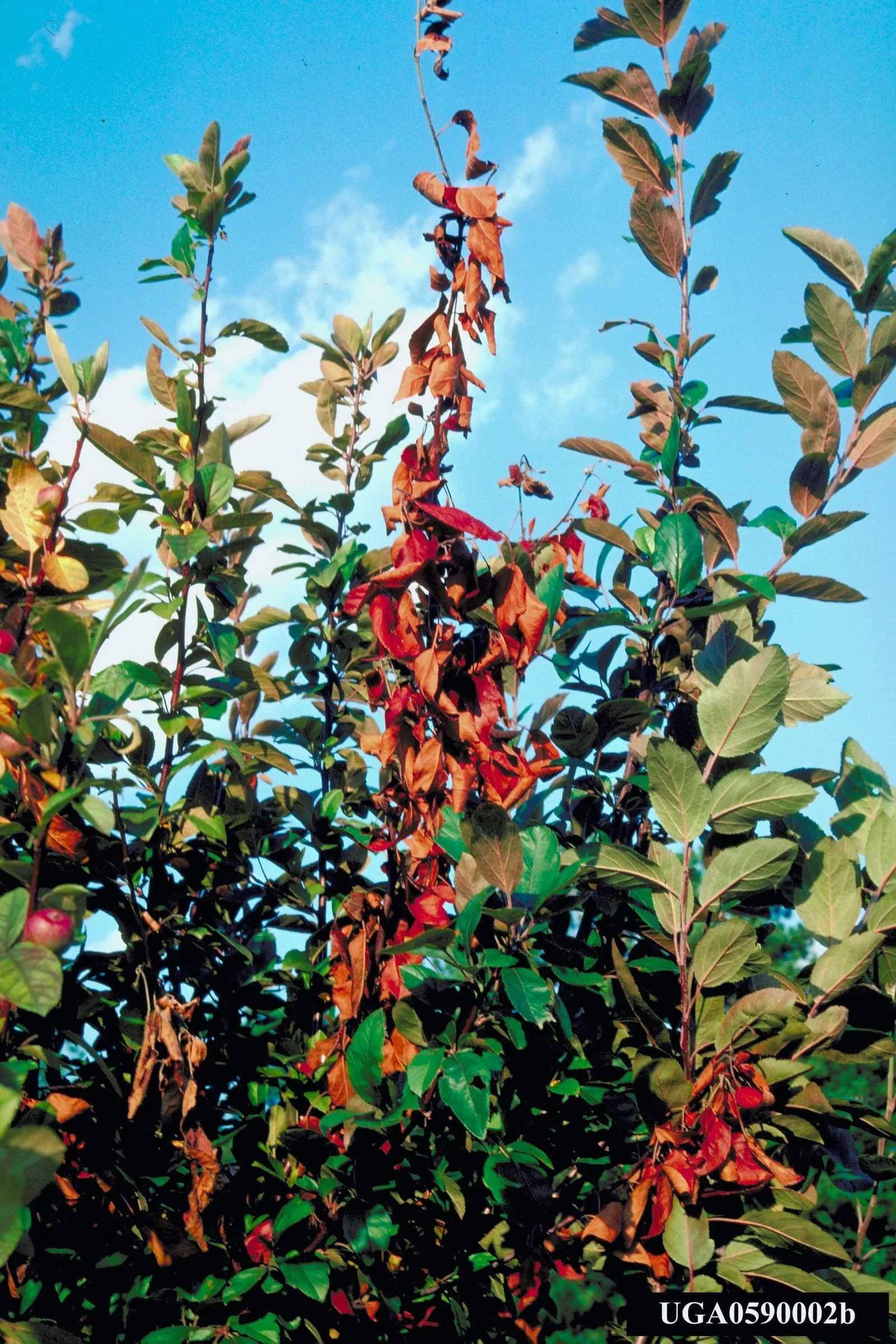
Erwinia amylovora
Devastating bacterial disease that can kill trees rapidly. Most severe in warm wet springs.
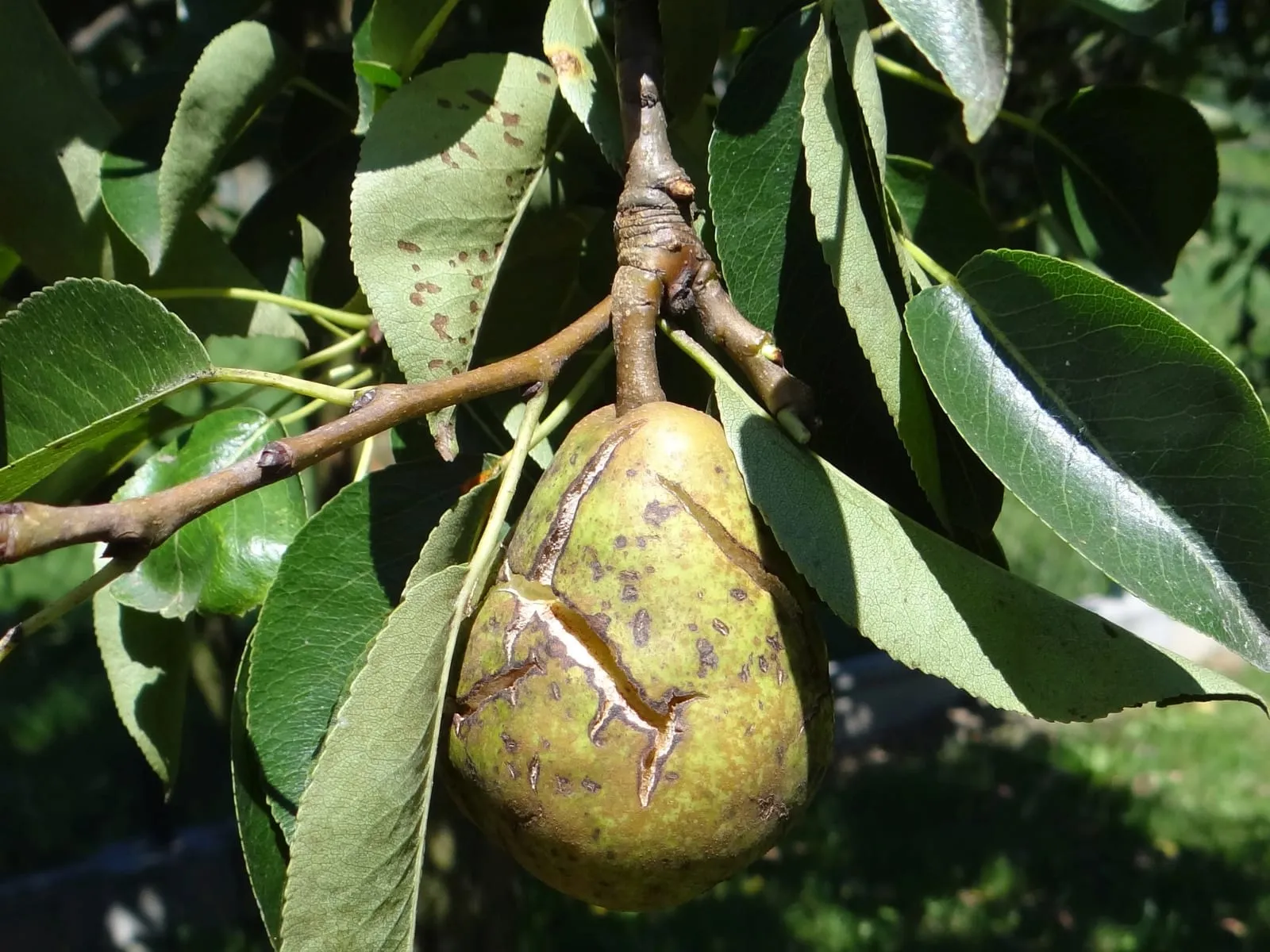
Venturia pyrina
Fungal disease similar to apple scab but specific to pear, causing leaf and fruit lesions.
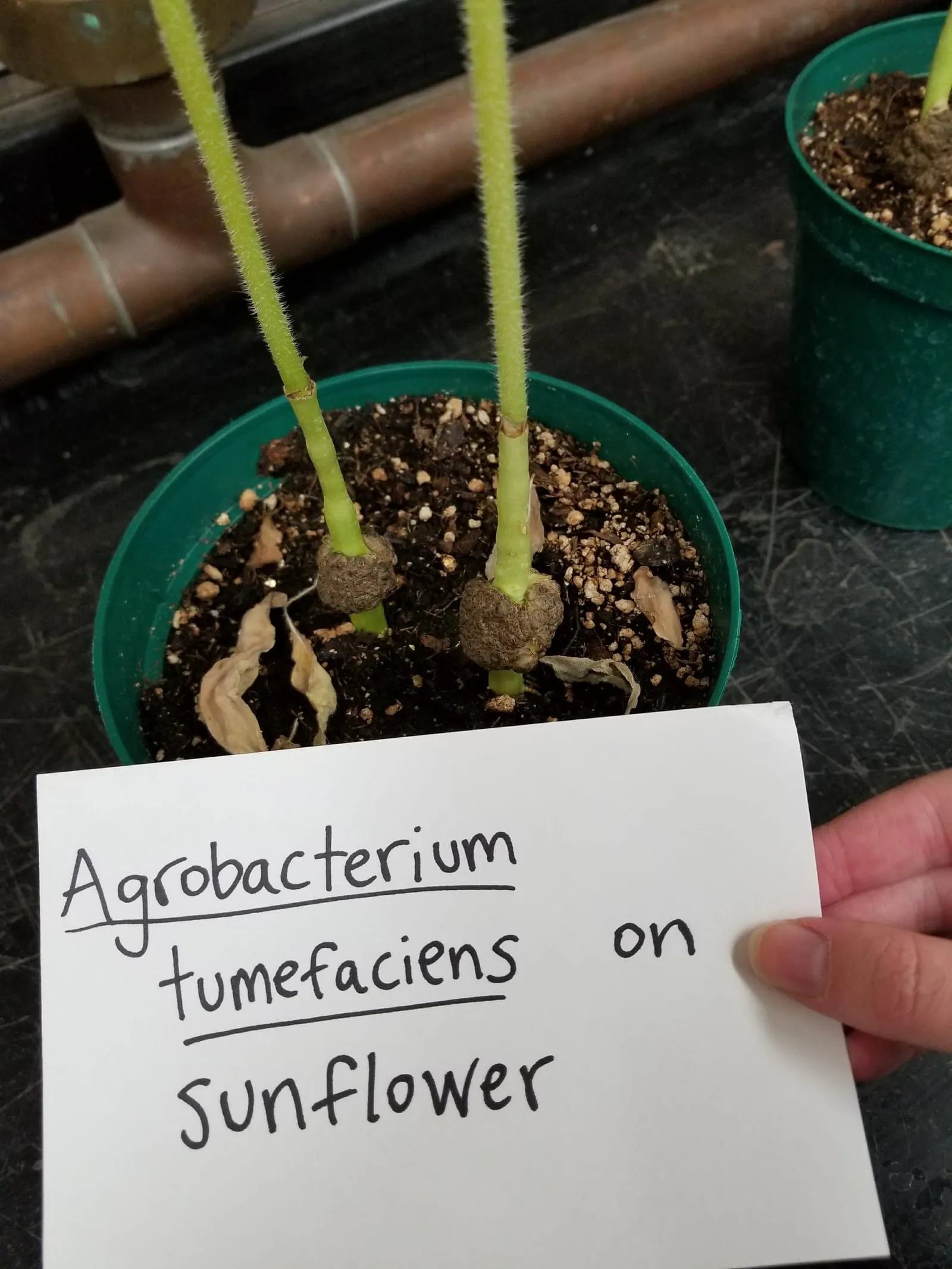
Agrobacterium tumefaciens
Soil-borne bacterium that enters plants through wounds and induces tumor-like galls on roots, crown, and lower stems. Galls reduce vigor and shorten plant lifespan; on Rubus the disease is often fatal.
Modified care for zone 7a
Fire blight is the defining management challenge for pears in zone 7a. Warm springs, frequent rain, and high humidity create near-ideal conditions for Erwinia amylovora infections during bloom. Varieties differ substantially in susceptibility: Magness and Moonglow carry meaningful resistance; Bartlett is highly susceptible. Any planting that includes Bartlett should have a copper or streptomycin spray program timed to open bloom. Infected wood should be pruned out at least 12 inches below visible damage, with tools sterilized between cuts to avoid spreading the pathogen. Thinning the canopy for airflow matters more in zone 7a than in drier western climates where blight pressure is lower. Brown rot becomes a concern as harvest approaches, particularly after wet late summers; removing mummified fruit promptly and keeping dropped fruit cleared reduces inoculum heading into the following season.
Pear in adjacent zones
Image: "Груша обыкновенная", by Vasily Moryashkin, via iNaturalist, licensed under CC-BY Source.
Related