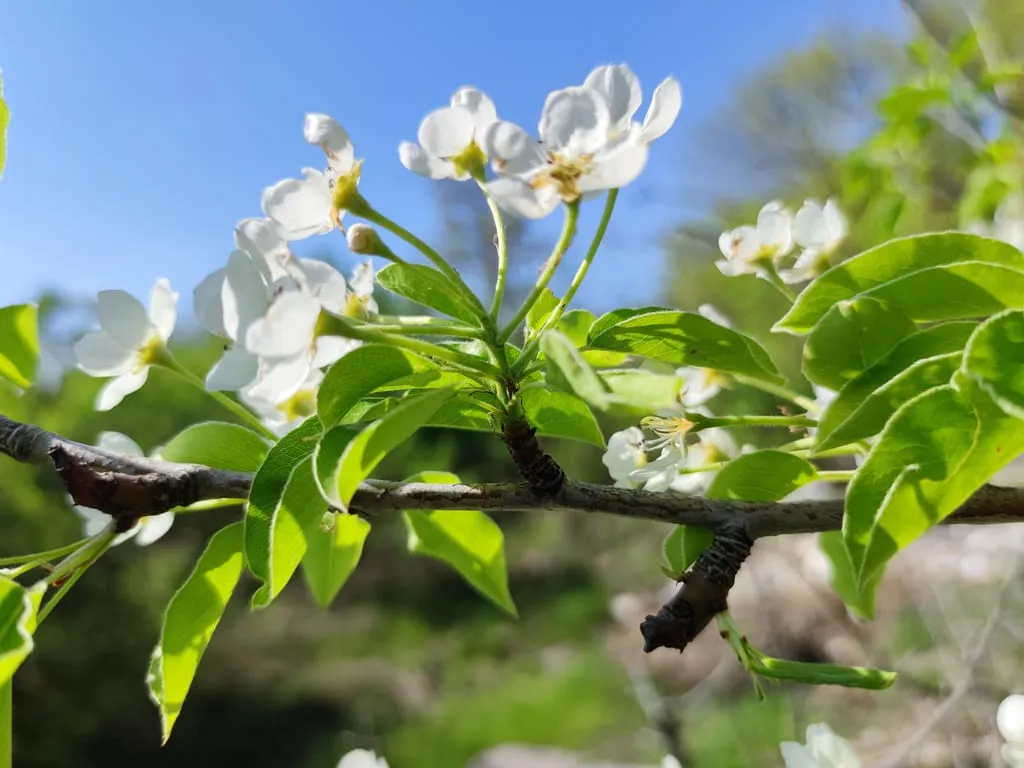
fruit tree in zone 4b
Growing pear in zone 4b
Pyrus communis
- Zone
- 4b -25°F to -20°F
- Growing season
- 130 days
- Chill needed
- 600 to 900 below 45°F
- Suitable varieties
- 0
- Days to harvest
- 115 to 165
The verdict
Zone 4b presents a workable but not ideal environment for pear production. The chill-hour requirement of 600 to 900 hours is easily satisfied; most zone 4b locations accumulate well over 1,000 hours below 45°F each winter, so dormancy requirements are not the limiting factor here. The more significant constraints are the zone's winter lows, which can reach -25°F, and a growing season that averages 130 frost-free days.
Many standard European pear varieties carry zone 5 hardiness ratings, placing their reliable survival threshold around -20°F. That puts them at genuine risk in the coldest pockets of zone 4b. Cold-hardy selections developed specifically for northern climates extend hardiness to -30°F or below, and those are the appropriate foundation for plantings in this zone. Spring frost timing creates additional risk: pear blooms relatively early among tree fruits, and the bloom window frequently overlaps with late frost events in zone 4b. With careful variety selection and a sheltered site, pear production is achievable; without those precautions, crop loss in harsh winters is a real probability.
Critical timing for zone 4b
Pear trees in zone 4b typically bloom in early to mid-May, with timing shifting by one to two weeks depending on microclimate, elevation, and the specific variety. Zone 4b's average last spring frost falls between late April and mid-May, meaning the bloom window and the frost risk window overlap substantially most years. Late frosts after petal fall can destroy developing fruitlets even when the flowers themselves survive the cold.
Harvest timing varies by variety, but most pears suited to zone 4b ripen between late August and mid-September. The 130-day growing season provides adequate time for early and mid-season varieties; late-season European pears that require more than 150 frost-free days are not a reliable choice here. Tracking bloom dates across several seasons helps identify which spots on a property offer meaningful frost protection.
Common challenges in zone 4b
- ▸ Spring frost timing
- ▸ Apple scab pressure
- ▸ Cane berry winter dieback
Disease pressure to watch for
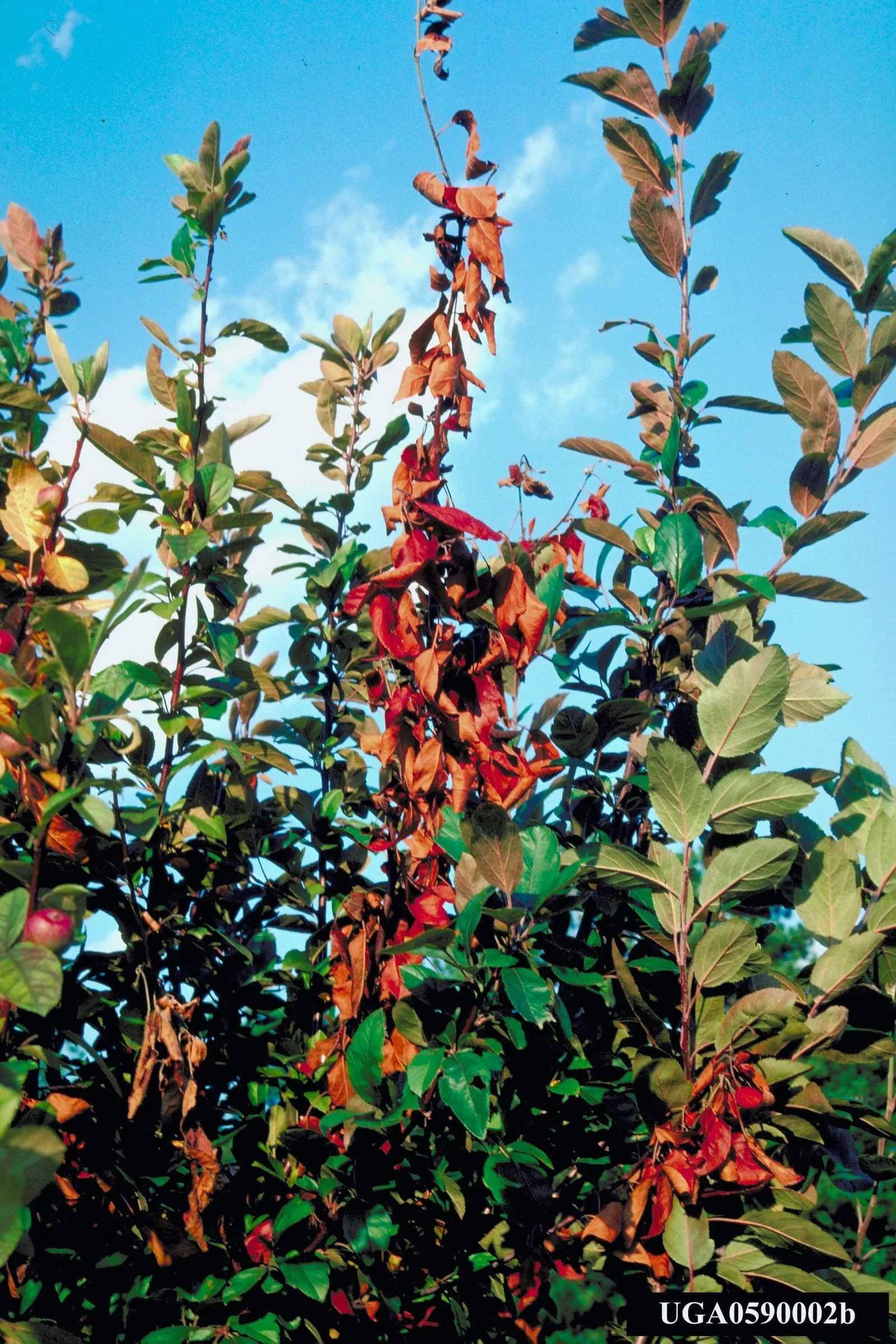
Erwinia amylovora
Devastating bacterial disease that can kill trees rapidly. Most severe in warm wet springs.
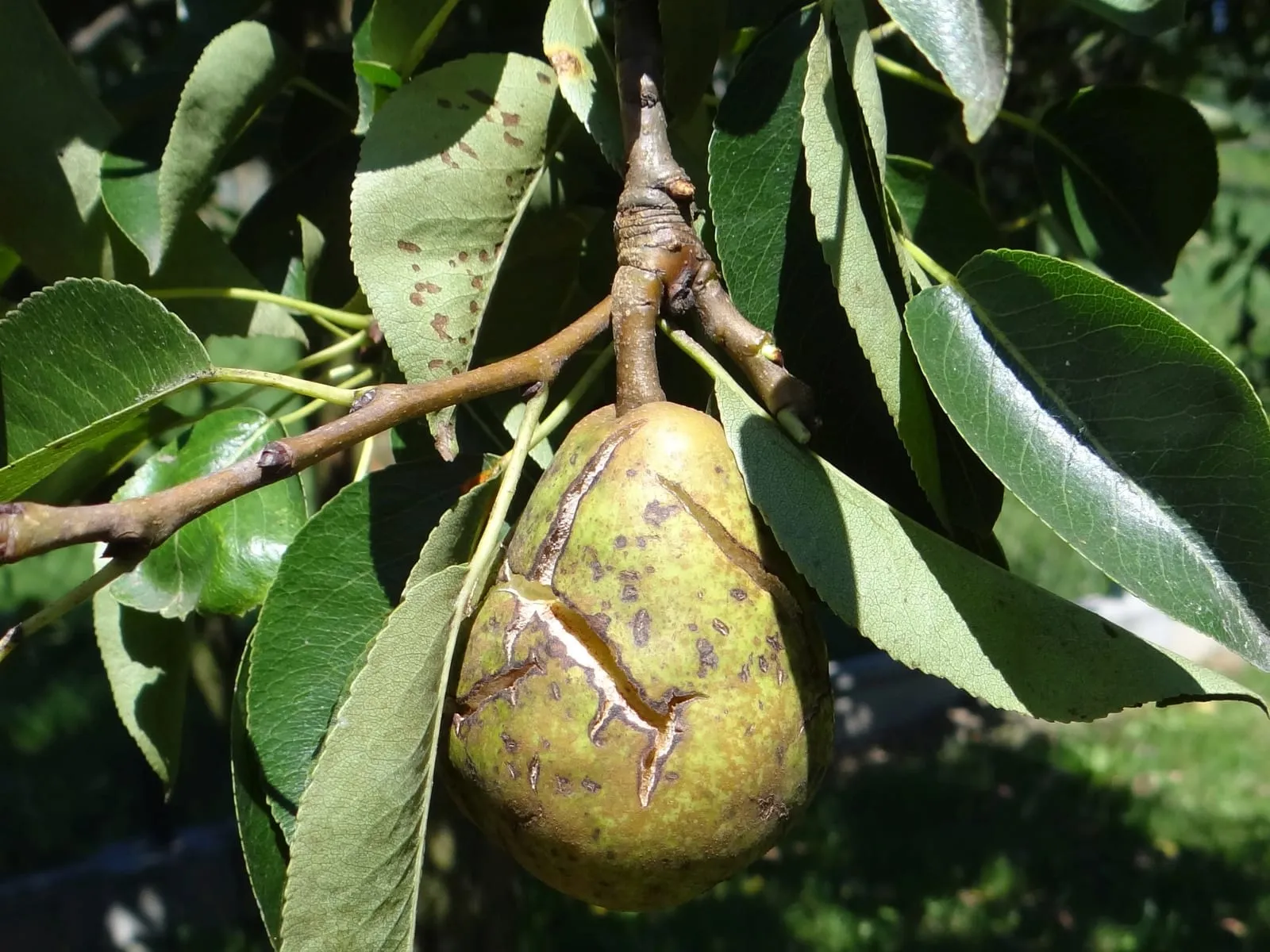
Venturia pyrina
Fungal disease similar to apple scab but specific to pear, causing leaf and fruit lesions.
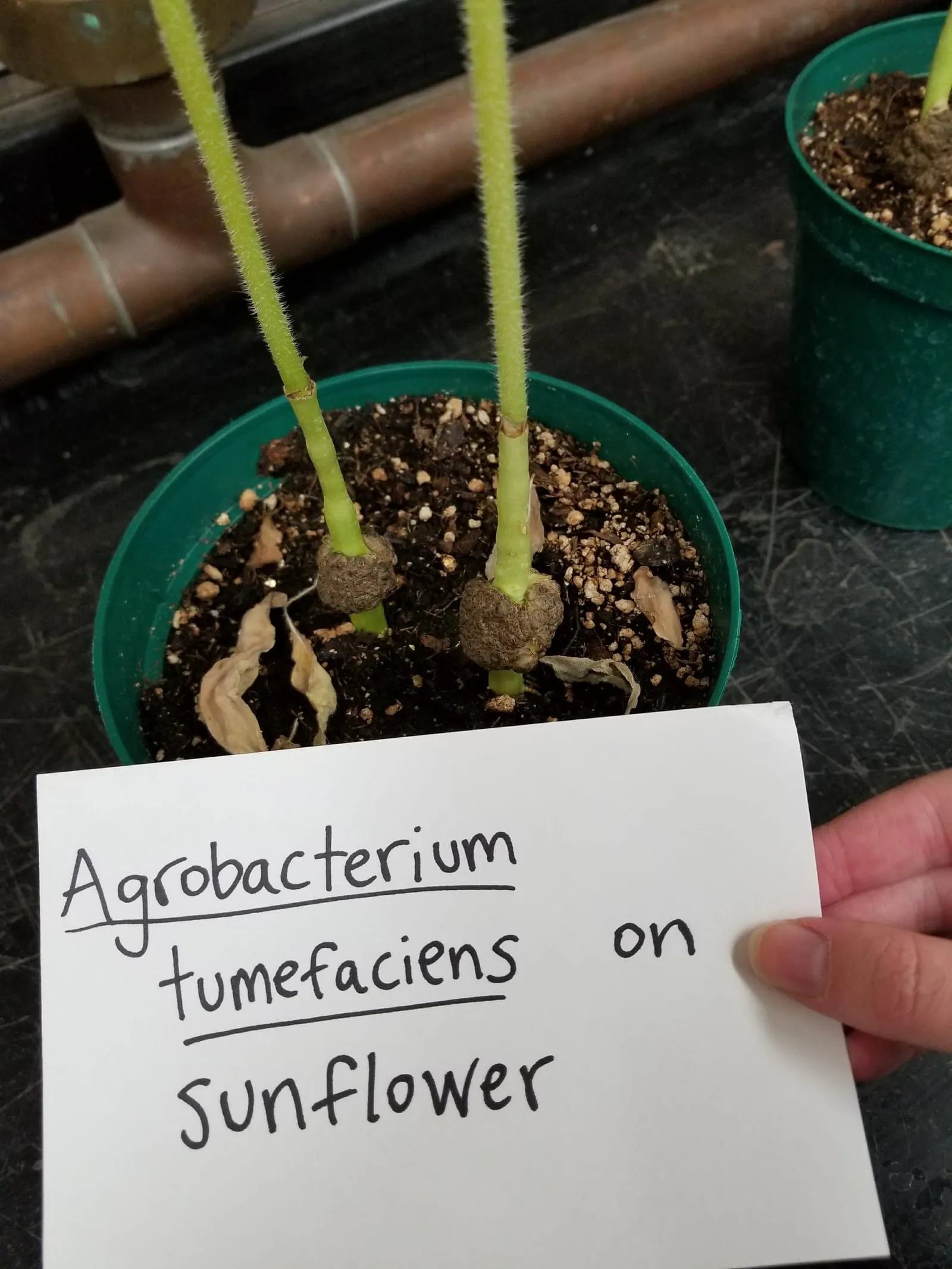
Agrobacterium tumefaciens
Soil-borne bacterium that enters plants through wounds and induces tumor-like galls on roots, crown, and lower stems. Galls reduce vigor and shorten plant lifespan; on Rubus the disease is often fatal.
Modified care for zone 4b
Fire blight is the primary disease concern in zone 4b, particularly during warm wet springs when temperatures climb into the 65°F to 80°F range during bloom. Copper-based applications at blossom provide some protection, but variety resistance is the more durable management approach. Pear scab, favored by the wet springs common across much of zone 4b, warrants similar attention during the weeks following bloom.
Site selection matters more in this zone than in warmer parts of the pear's range: a slope where cold air drains downhill reduces frost damage at bloom time, and a southern or eastern exposure extends the effective growing season by a few critical days. Young trees in their first two or three winters benefit from trunk wraps and guards against rodent damage. Consistent irrigation through dry mid-summer periods helps trees build the energy reserves needed to survive the following winter without dieback.
Pear in adjacent zones
Image: "Груша обыкновенная", by Vasily Moryashkin, via iNaturalist, licensed under CC-BY Source.
Related