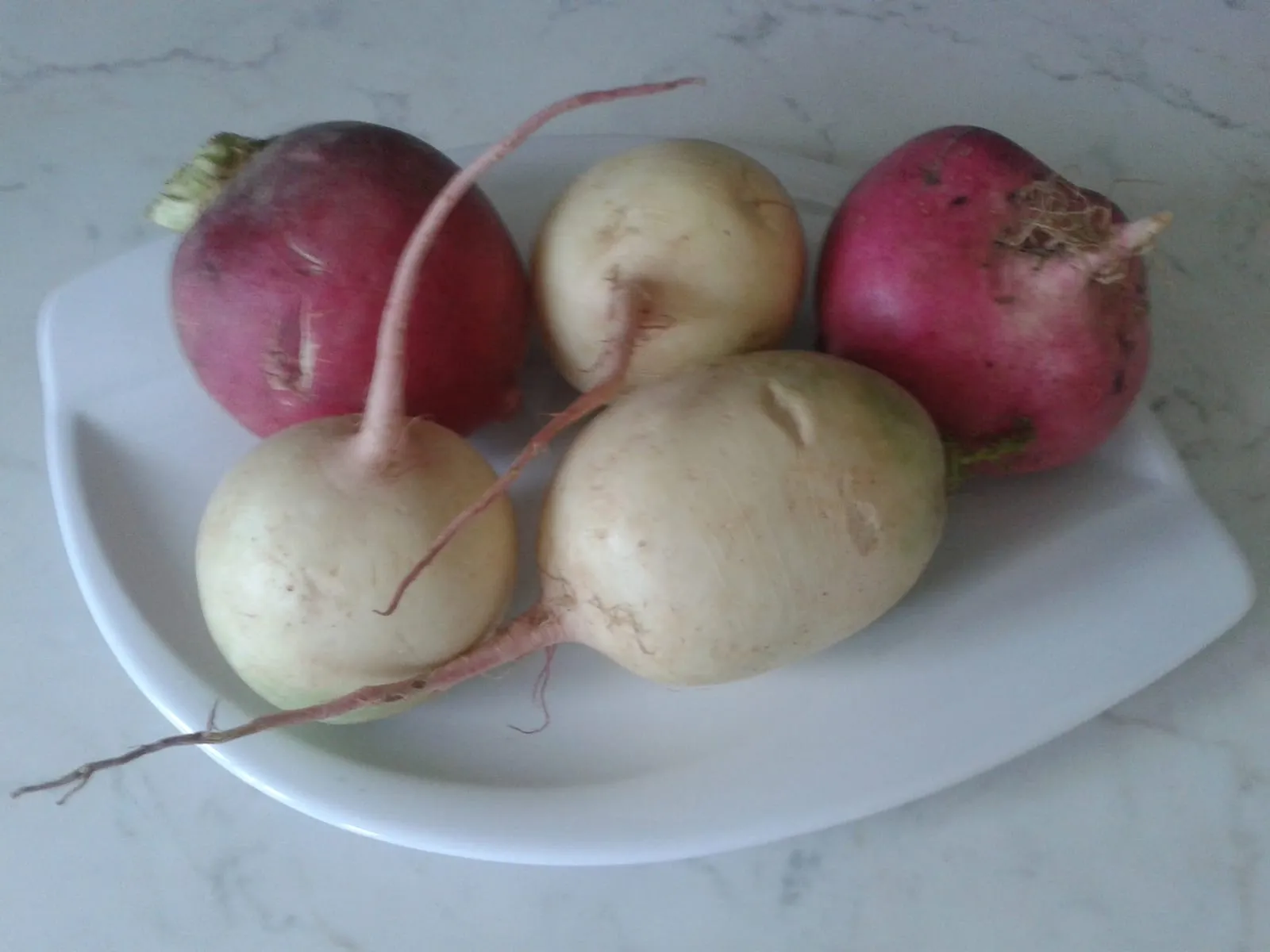
vegetable
Turnip
Brassica rapa subsp. rapa
USDA hardiness range
- Zones
- 3a–8b
- Days to harvest
- 40 to 60
- Sun
- Full
- Water
- Moderate
- Lifespan
- biennial grown as annual
Growing turnip
Turnip (Brassica rapa subsp. rapa) is a fast-maturing cool-season root crop that performs reliably across USDA zones 3a through 8b. The 40-to-60-day harvest window makes it one of the few vegetables that fits into both spring and fall planting slots, including in short-season climates where many brassicas barely have time to size up.
In zones 3 and 4, a single late-summer planting timed to mature before hard frost is the primary production window. In zones 7b through 8b, fall-sown turnips can be harvested well into December or January as temperatures moderate and root quality actually improves with light frost exposure.
Where the crop consistently underperforms is in summer heat. Root quality deteriorates once daytime temperatures exceed roughly 80°F: roots become woody, flavor turns sharp and bitter, and plants bolt prematurely. This makes planting date the central management decision. Spring plantings in zones 6 and warmer need enough lead time to mature before heat arrives; in those zones, fall plantings generally outperform spring ones.
The crop's dual utility adds practical value. Some varieties are grown primarily for the root; Seven Top is bred for leaf production and treated as a cooking green rather than a root vegetable. That flexibility, combined with the short days-to-harvest, makes turnip a useful fit for kitchen gardens across nearly every zone in its range.
Recommended varieties
See all 3 →3 cultivars for home growers, with notes on flavor, ripening, and disease resistance.
| Variety | Notes | Zone fit | Disease resistance |
|---|---|---|---|
| Purple Top White Globe | Mild, slightly sweet, tender when small; classic purple-shouldered white root. Roasting, mashing, raw in salads when young. Heritage standard, holds quality if pulled before getting too large. | | none noted |
| Hakurei | Sweet, juicy, almost fruit-like; small white salad turnip. Eaten raw out of hand, salads, lightly cooked. Japanese heritage, the gourmet farmers-market turnip, minimal pungency. | | none noted |
| Seven Top | Pungent, tender greens (root rarely eaten); the heritage Southern turnip-greens variety. Cooked greens, simmered with smoked meats, soups. Productive cut-and-come-again leaves. | | none noted |
Soil and site requirements
Turnips prefer a soil pH between 6.0 and 7.0. Below 6.0, clubroot pressure increases sharply and the disease becomes difficult to manage without pH correction. A soil test before planting is worthwhile, especially in beds with a history of brassica crops. Lime applications to raise pH are the primary prevention tool for clubroot-prone soils.
Loose, well-drained soil is as important as fertility. Compacted or clay-heavy ground produces misshapen roots with coarse texture. Sandy loam or raised beds amended with compost provide the ideal structure. Fresh manure applied immediately before planting pushes excessive top growth at the expense of root development; aged compost is the better amendment.
Full sun is standard, though turnips tolerate partial shade better than most root crops. In zones 7 and warmer, afternoon shade can extend the quality harvest window by moderating root-zone temperatures during warm spells. Spacing of 4 to 6 inches between plants after thinning suits standard root varieties; salad types like Hakurei can be grown closer, at 2 to 3 inches, for smaller and more tender roots.
Crop rotation is non-negotiable on sites with any brassica disease history. A minimum of 3 to 4 years out of the brassica family (cabbage, kale, broccoli, radish) substantially reduces clubroot inoculum in the soil.
Common diseases
Common pests
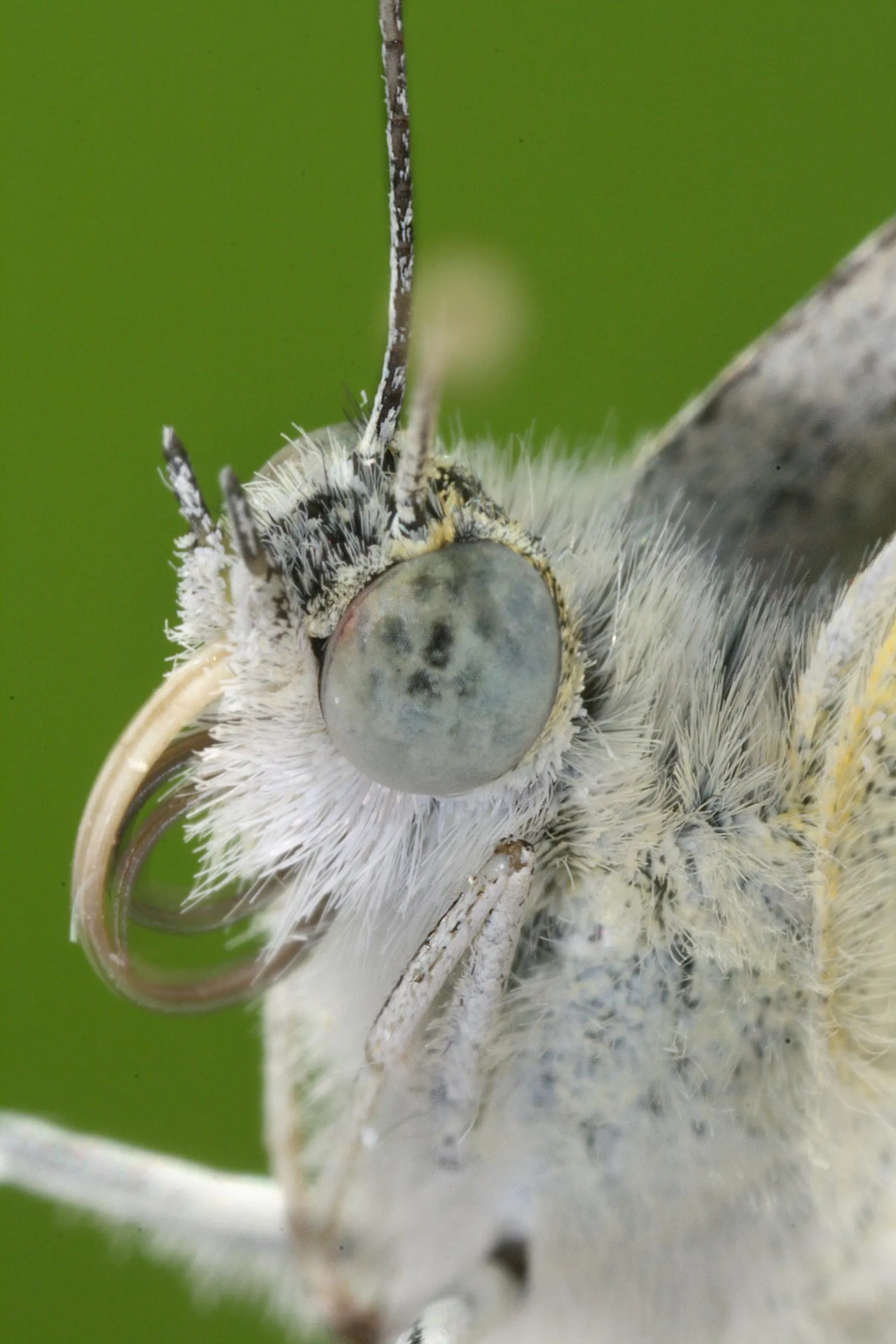
Pieris rapae
Velvety green caterpillars that chew large irregular holes in brassica leaves and bore into heads. Adults are the small white butterflies seen fluttering through the garden.
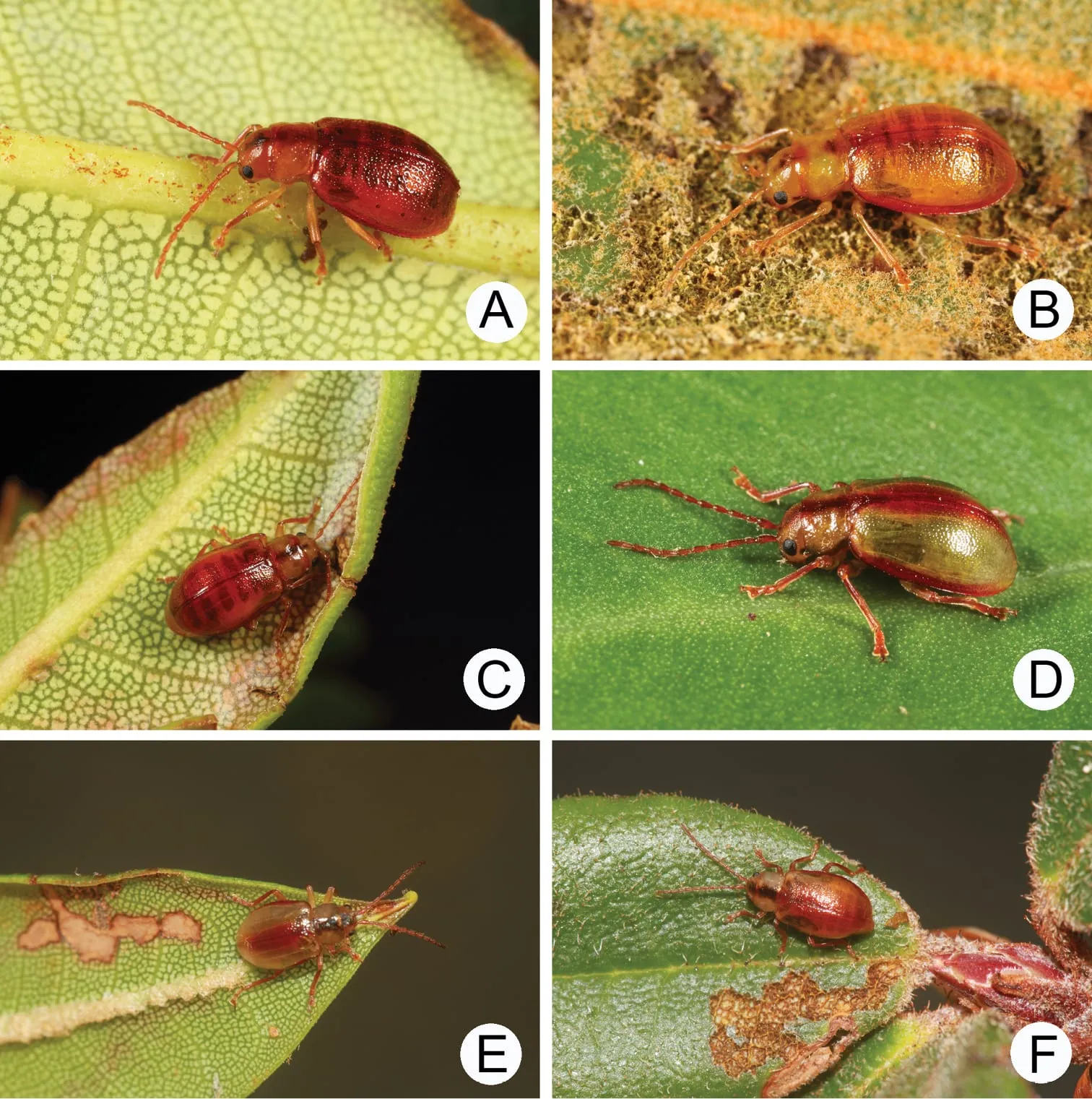
Multiple species (Chrysomelidae)
Tiny black or bronze jumping beetles that put hundreds of small holes in seedling leaves. Most damaging on direct-seeded brassicas and young eggplant.
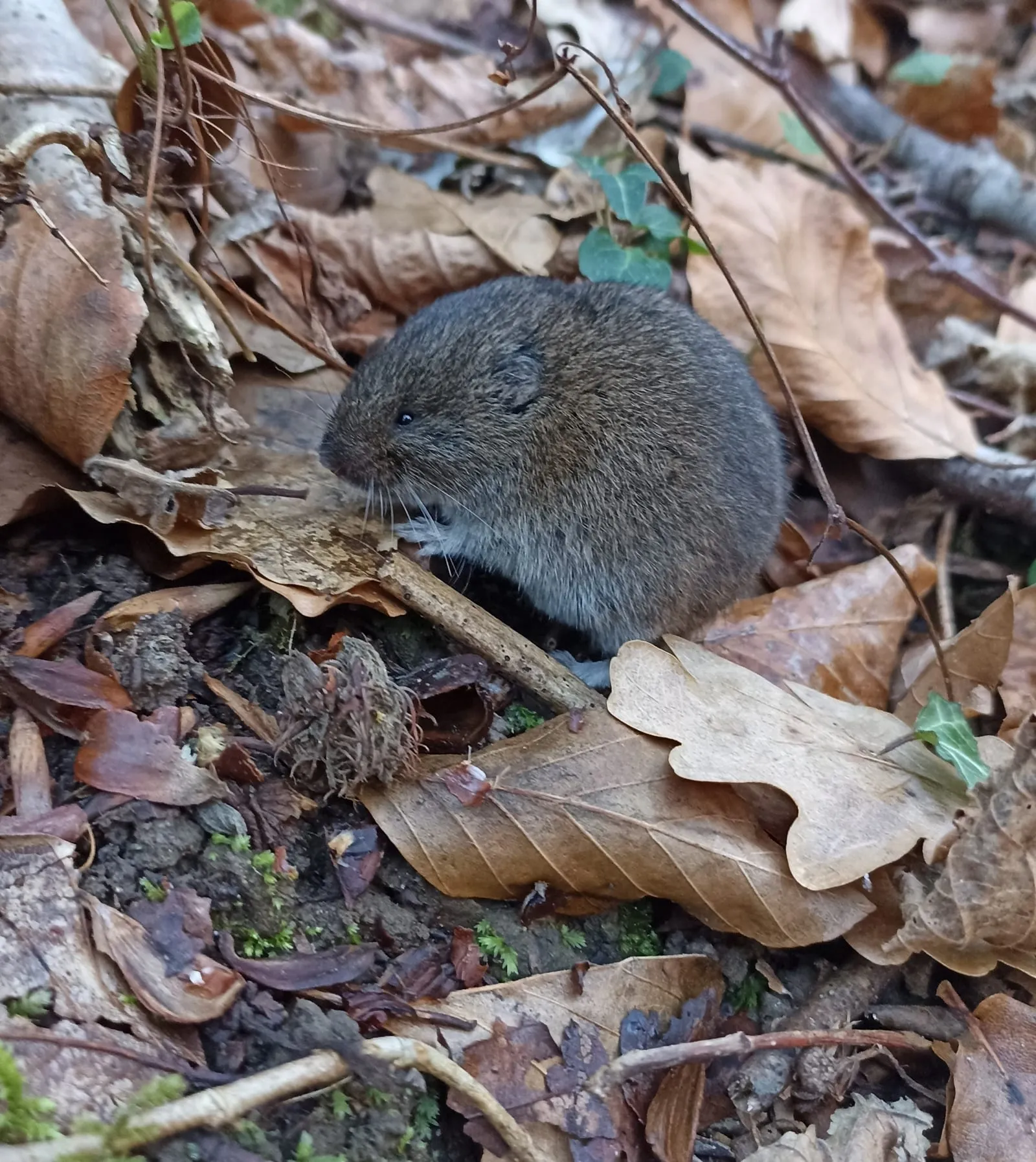
Microtus species
Field voles and meadow voles girdle young fruit-tree trunks under snow cover during winter and chew root crops. The leading cause of mysterious orchard losses.
Common challenges
The most consistent failure with turnip is poorly timed planting. Spring sowings that go in too late encounter summer heat before roots have sized up; the result is small, bitter, woody roots with minimal culinary value. Planting dates that allow harvest 4 to 6 weeks before average last-frost date (for spring) or 6 to 8 weeks before first frost (for fall) produce markedly better results across zones.
Flea beetles are a reliable early-season pest, riddling seedling leaves with small shot-holes that can stunt or kill newly emerged plants. Row cover applied at seeding and left in place until plants reach 4 to 6 inches provides reliable protection. Once established, turnips typically outgrow flea beetle damage with minimal further intervention. Imported cabbageworm pressure arrives later in the season and primarily damages leaves rather than roots; hand-picking or Bt applications manage it in most garden situations.
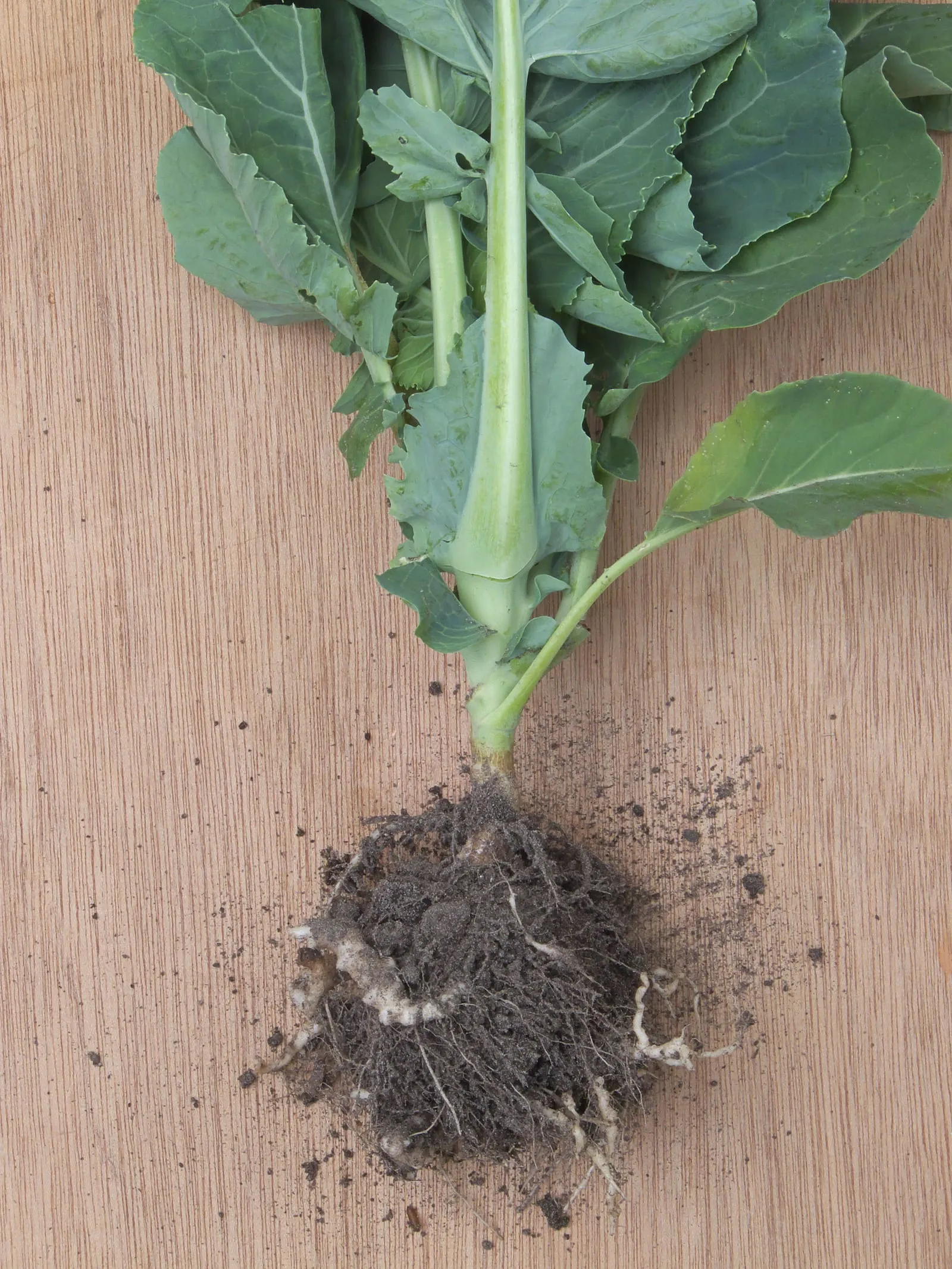
Clubroot, caused by the soil pathogen Plasmodiophora brassicae, is the most serious disease risk. Infected plants develop swollen, distorted root galls and collapse well before maturity. There is no curative treatment once infection is established in the soil. Prevention depends on maintaining soil pH above 7.0 and strict rotation: per Cornell Turnip Production, a minimum 4-year break from brassica crops is the most cost-effective management tool available. Gardens with a documented clubroot history should consider raised beds filled with fresh growing mix as an additional measure.
Frequently asked questions
- What USDA zones can turnip be grown in?
Turnip grows reliably in zones 3a through 8b as a cool-season annual. In colder zones (3 to 4), a late-summer planting timed to mature before hard frost is the primary window. In warmer zones (7b to 8b), fall and winter plantings typically outperform spring ones, as roots develop during naturally cooling temperatures.
- How long does turnip take to reach harvest?
Most varieties mature in 40 to 60 days depending on type and growing conditions. Salad types like Hakurei come in closer to 40 days and are best pulled at golf-ball size. Storage roots like Purple Top White Globe benefit from the full 50 to 60 days but should be harvested at 2 to 3 inches in diameter before the core becomes woody.
- Does turnip have chill-hour requirements like fruit trees?
No. Turnip does not require a defined chill-hour accumulation the way perennial fruit crops do. It is a fast-maturing annual that simply needs cool ambient temperatures throughout its growing period. Quality degrades when daytime temperatures consistently exceed roughly 80°F; the crop does not need a prior cold period to initiate root development.
- Is turnip self-fertile, or does it need pollinators?
Pollination is not relevant to turnip production under normal garden conditions. The root and leaf crop is harvested long before the plant flowers. Pollinators would only matter if growing turnip specifically for seed saving, which is uncommon in home garden settings.
- What is the most serious disease affecting turnip?
Clubroot, caused by the soil pathogen Plasmodiophora brassicae, is the most damaging disease. It produces swollen, distorted root galls and causes plant collapse before maturity. There is no curative treatment once a soil is infested. Maintaining soil pH above 7.0 and rotating away from all brassicas for at least 4 years are the primary prevention measures.
- Why do fall-harvested turnips taste better than spring ones?
Light frost exposure converts some root starches to sugars, noticeably improving flavor. Fall-harvested roots in zones 5 through 7 often taste sweeter and milder than spring-grown roots from the same variety. This effect is most pronounced in Purple Top White Globe; Hakurei is mild regardless of season.
- Can turnip greens be eaten, and does variety matter?
Yes, and variety matters considerably. Seven Top is bred specifically for leaf production and rarely grown for the root; its greens are the primary product, traditionally cooked with smoked meats in Southern kitchens. Purple Top White Globe and Hakurei also produce edible greens, but in those varieties the leaves are secondary to the root.
+−
+−
+−
+−
+−
+−
+−
Sources
Image: "Brassica rapa subsp. rapa", by E4024, via Wikimedia Commons, licensed under CC-BY. Source.

Turnip by zone
Related