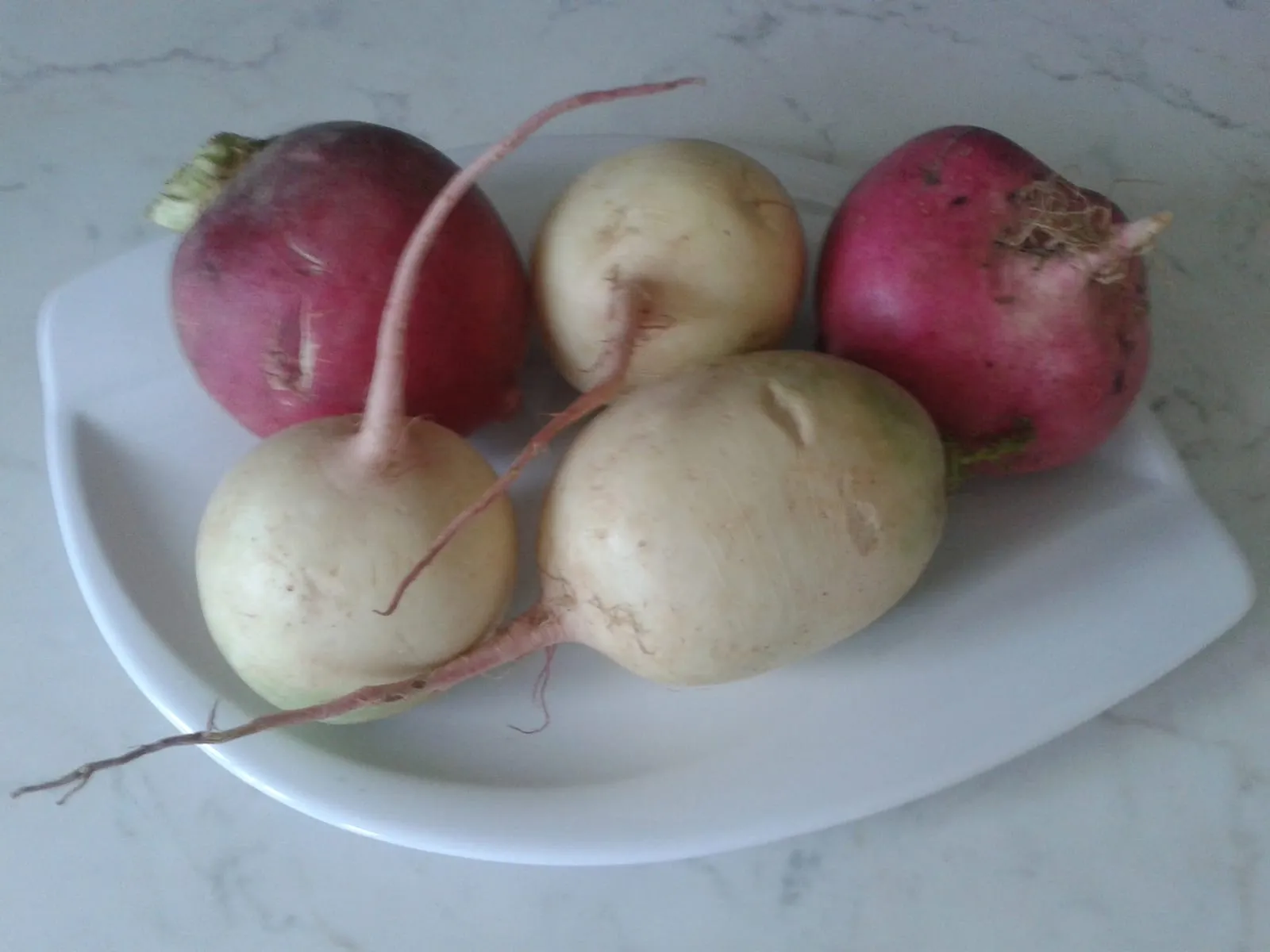
vegetable in zone 4a
Growing turnip in zone 4a
Brassica rapa subsp. rapa
- Zone
- 4a -30°F to -25°F
- Growing season
- 120 days
- Suitable varieties
- 2
- Days to harvest
- 40 to 60
The verdict
Turnip is well-suited to zone 4a and performs best in exactly this kind of cold, short-season climate. Unlike many crops that struggle with the zone's -30 to -25°F winter lows, turnips are harvested well before winter sets in, so the temperature floor is not a limiting factor. The 120-day growing season is ample: most turnip varieties reach harvest in 35 to 60 days, which opens the door to two separate crops in a single year.
Turnips are cool-season brassicas that actively prefer the cold. Roots develop sweeter flavor after light frost exposure, so zone 4a's fall shoulder season is a genuine advantage. Heat is the real enemy of turnip quality, not cold. The varieties best suited here, Purple Top White Globe and Hakurei, both handle cool soil temperatures and short days without bolting prematurely. Zone 4a is not marginal for turnips; it is close to ideal.
Recommended varieties for zone 4a
2 cultivars suited to this zone, with disease-resistance and zone-fit annotations.
| Variety | Notes | Zone fit | Disease resistance |
|---|---|---|---|
| Purple Top White Globe fits zone 4a | Mild, slightly sweet, tender when small; classic purple-shouldered white root. Roasting, mashing, raw in salads when young. Heritage standard, holds quality if pulled before getting too large. | | none noted |
| Hakurei fits zone 4a | Sweet, juicy, almost fruit-like; small white salad turnip. Eaten raw out of hand, salads, lightly cooked. Japanese heritage, the gourmet farmers-market turnip, minimal pungency. | | none noted |
Critical timing for zone 4a
Spring plantings go in as soon as the soil can be worked, typically late April to mid-May in zone 4a, when soil temperature reaches at least 40°F. Late frosts in May are common and are not a serious concern because turnip seedlings tolerate light frost without significant damage. Spring-planted turnips reach harvest in late June to mid-July.
Fall is often the preferred season. Count back 45 to 60 days from the first expected hard frost, which typically falls in late September or early October in zone 4a. A mid-to-late July sowing delivers roots through September and into October. Light frosts improve root sweetness without harming the crop. Harvest before a sustained hard freeze below 25°F, as extended deep freezes can split and damage roots left in the ground.
Common challenges in zone 4a
- ▸ Late frosts damage early bloomers
- ▸ Limited peach varieties
Disease pressure to watch for
Modified care for zone 4a
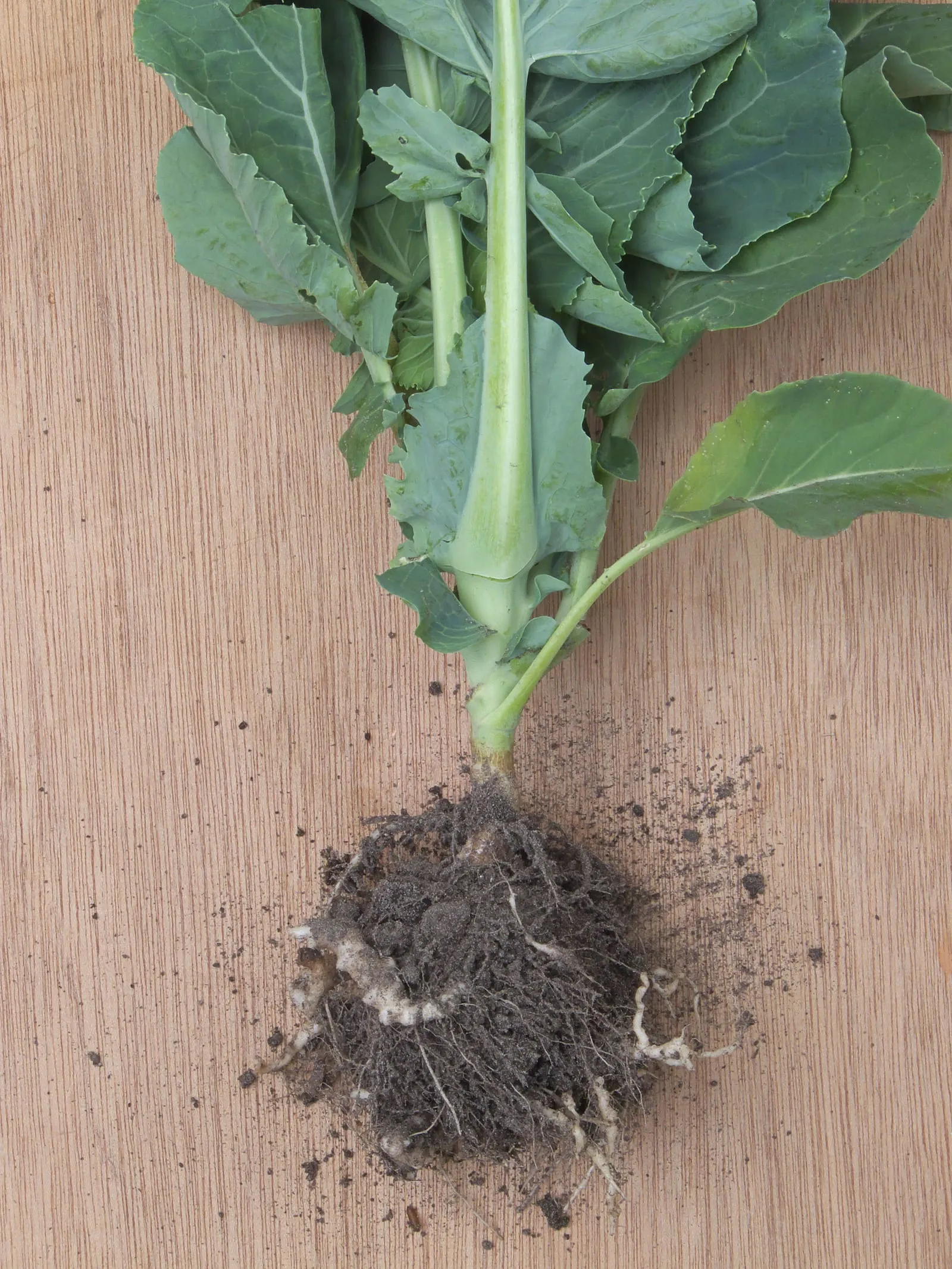
The primary disease risk in zone 4a is clubroot, a soilborne pathogen that distorts roots and stunts plants. Prevent it by maintaining soil pH at 7.0 or above (lime if needed), rotating brassica crops on a minimum four-year cycle, and sourcing transplants or seeds from disease-free stock. Once established in a bed, clubroot is nearly impossible to eradicate.
Row covers offer a useful extension of both ends of the season. In spring, they let growers get turnips in the ground two to three weeks earlier by holding soil warmth. In fall, they protect against early hard frosts and extend harvest into November. The 120-day zone 4a growing season makes timing tight for a second fall crop, so starting fall seedlings in mid-July is worth prioritizing. Irrigation matters most during germination; mature turnip plants are relatively drought-tolerant once roots develop.
Frequently asked questions
- Can turnips survive a frost in zone 4a?
Yes. Turnip foliage tolerates light frost, and roots actually develop better flavor after brief exposure to temperatures in the 28 to 32°F range. A sustained hard freeze below 25°F left on unprotected roots can cause splitting, so harvest before extended cold arrives.
- Is it possible to grow two turnip crops in zone 4a's 120-day season?
With careful timing, yes. A spring crop sown in late April and harvested by mid-July clears the bed in time for a fall planting in mid-July, which matures before the first hard frost in late September or October. The window is tight but workable.
- What causes clubroot and how do you prevent it in zone 4a?
Clubroot is a soilborne pathogen (Plasmodiophora brassicae) that persists in soil for decades. Prevention centers on a four-year brassica rotation, keeping soil pH at or above 7.0 with lime applications, and avoiding movement of infected soil between beds.
- Which turnip varieties perform best in zone 4a?
Purple Top White Globe is a reliable standard with good cold tolerance and a dual-purpose root and green. Hakurei is a Japanese salad type that matures quickly (about 38 days) and produces mild, sweet roots suited to shorter seasons.
+−
+−
+−
+−
Turnip in adjacent zones
Image: "Brassica rapa subsp. rapa", by E4024, via Wikimedia Commons, licensed under CC-BY Source.

Related