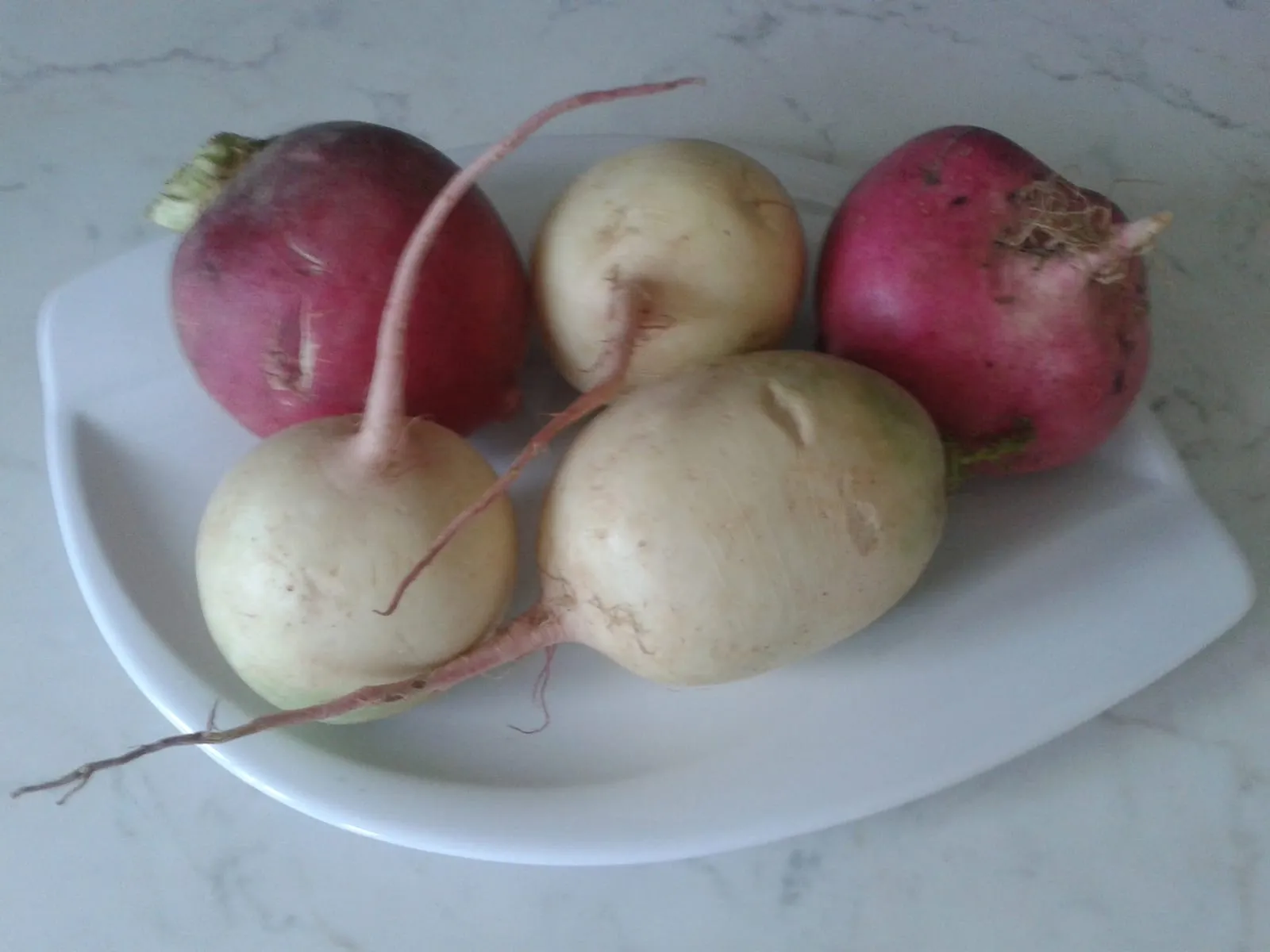
vegetable in zone 4b
Growing turnip in zone 4b
Brassica rapa subsp. rapa
- Zone
- 4b -25°F to -20°F
- Growing season
- 130 days
- Suitable varieties
- 3
- Days to harvest
- 40 to 60
The verdict
Turnip is well matched to zone 4b. As a cool-season annual, it has no chill-hour requirement and actively prefers the soil temperatures (50 to 65°F) that characterize zone 4b springs and late summers. The 130-day growing season is generous for a crop that matures in 38 to 60 days depending on variety, leaving room for both a spring planting and a fall succession.
Rather than a marginal zone, zone 4b sits in turnip's productive range. Light frosts sweeten the roots, and the brisk autumn temperatures that define the region lengthen the harvest window for fall plantings. The main risk is not cold per se but timing: spring plantings pushed too late will encounter heat that stunts growth and turns roots pithy before they size up. Clubroot pressure, present in many zone 4b soils that have grown brassicas, is the more consequential constraint to manage.
Recommended varieties for zone 4b
3 cultivars suited to this zone, with disease-resistance and zone-fit annotations.
| Variety | Notes | Zone fit | Disease resistance |
|---|---|---|---|
| Purple Top White Globe fits zone 4b | Mild, slightly sweet, tender when small; classic purple-shouldered white root. Roasting, mashing, raw in salads when young. Heritage standard, holds quality if pulled before getting too large. | | none noted |
| Hakurei fits zone 4b | Sweet, juicy, almost fruit-like; small white salad turnip. Eaten raw out of hand, salads, lightly cooked. Japanese heritage, the gourmet farmers-market turnip, minimal pungency. | | none noted |
| Seven Top fits zone 4b | Pungent, tender greens (root rarely eaten); the heritage Southern turnip-greens variety. Cooked greens, simmered with smoked meats, soups. Productive cut-and-come-again leaves. | | none noted |
Critical timing for zone 4b
In zone 4b, the last spring frost typically falls in late April to mid-May. Spring turnips go in the ground 4 to 6 weeks before that date, meaning direct seeding can begin in late March or early April when soil temperatures reach at least 45°F. Hakurei, at roughly 38 days to maturity, is best positioned for the spring window; roots need to size up before soil temperatures climb above 70°F and trigger bolting.
Fall plantings are the more reliable crop in this zone. Count back 8 to 10 weeks from the first fall frost (typically mid-September to early October in zone 4b) and seed in late July through early August. Roots can sit in the ground through light frosts and are typically harvested before a hard freeze sets in.
Common challenges in zone 4b
- ▸ Spring frost timing
- ▸ Apple scab pressure
- ▸ Cane berry winter dieback
Disease pressure to watch for
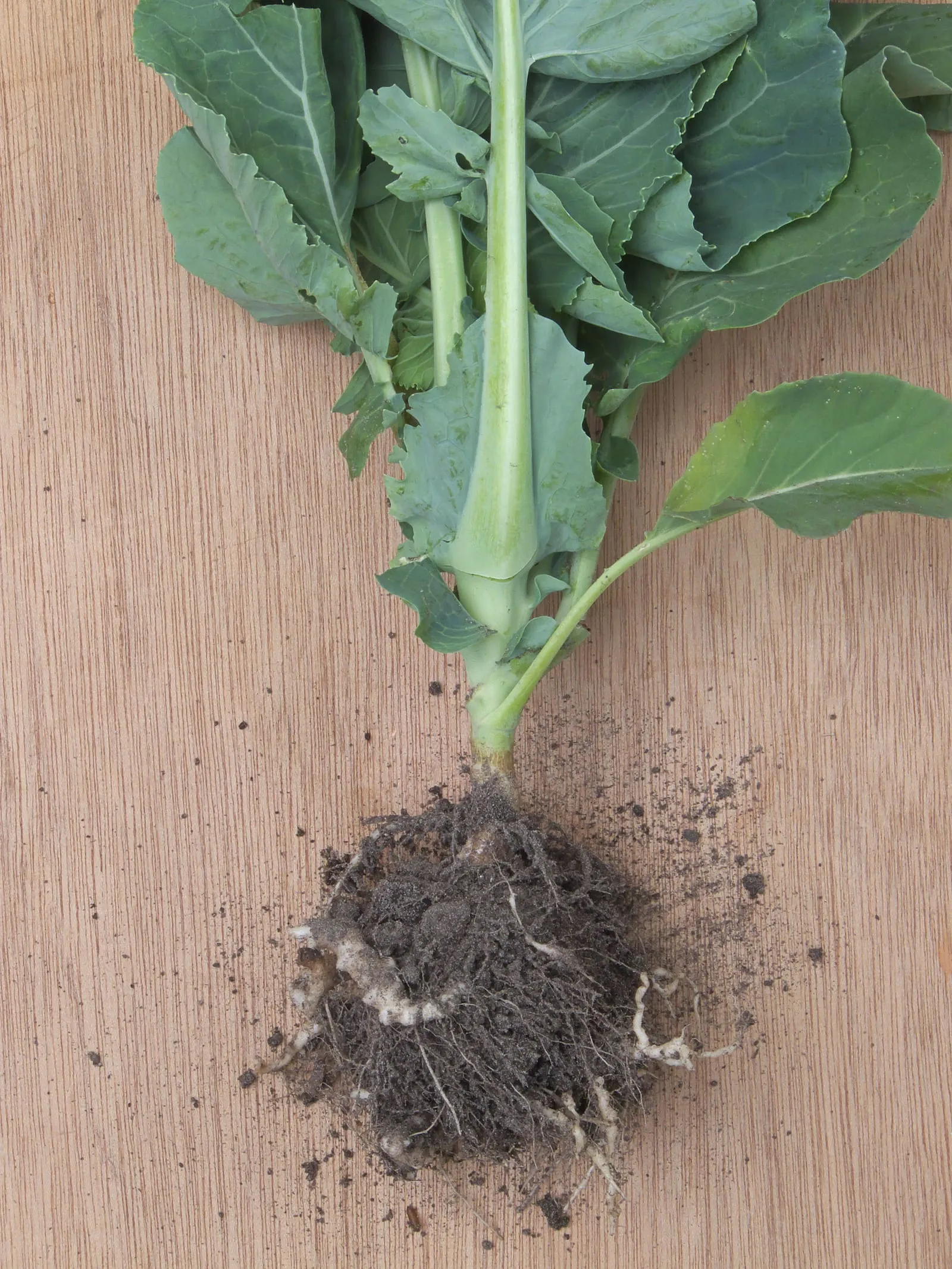
Modified care for zone 4b
Clubroot is the primary disease concern for turnips in zone 4b. The pathogen persists in soil for up to 20 years and thrives in acidic conditions. Maintaining soil pH at 7.0 to 7.2 and rotating brassicas on a 4-year minimum cycle are the main management levers. Liming acidic soils before planting is worth the effort in fields with a history of brassica crops.
Spring plantings require attention to soil temperature rather than air temperature. Seeding into cold, waterlogged soil (below 45°F) invites damping-off and poor germination; a brief wait for soil to warm pays off in stand uniformity. No special winter protection is needed, as turnip is grown as a warm-season annual and the crop is harvested before hard freezes arrive. Fall crops benefit from row cover in the final weeks if an early hard frost threatens before roots reach harvest size.
Frequently asked questions
- Can turnips overwinter in zone 4b?
Turnip roots do not survive zone 4b winters in the ground. Temperatures regularly reaching -25°F will kill stored roots. Harvest the fall crop before a hard freeze and store roots in a cool, humid root cellar at 32 to 34°F where they keep for 4 to 5 months.
- Which turnip variety performs best in zone 4b's short spring window?
Hakurei, a Japanese salad turnip maturing in roughly 38 days, fits the spring window most reliably. Purple Top White Globe at 50 to 55 days is better suited to fall plantings where the longer, cooler growing period lets roots develop fully.
- How does clubroot spread and how can it be managed?
Clubroot (Plasmodiophora brassicae) spreads through infected soil, transplants, and contaminated tools. Once established, spores persist for decades. Management relies on crop rotation away from all brassicas for at least 4 years, raising soil pH above 7.0, and avoiding importing soil or transplants from unknown sources.
- Can turnips be grown for greens only in zone 4b?
Yes. Seven Top, listed among the compatible varieties, is grown specifically for its greens rather than the root. It tolerates spring frosts well and can be harvested multiple times by cutting outer leaves, making it a productive choice for the early-season window before warm weather sets in.
+−
+−
+−
+−
Turnip in adjacent zones
Image: "Brassica rapa subsp. rapa", by E4024, via Wikimedia Commons, licensed under CC-BY Source.

Related