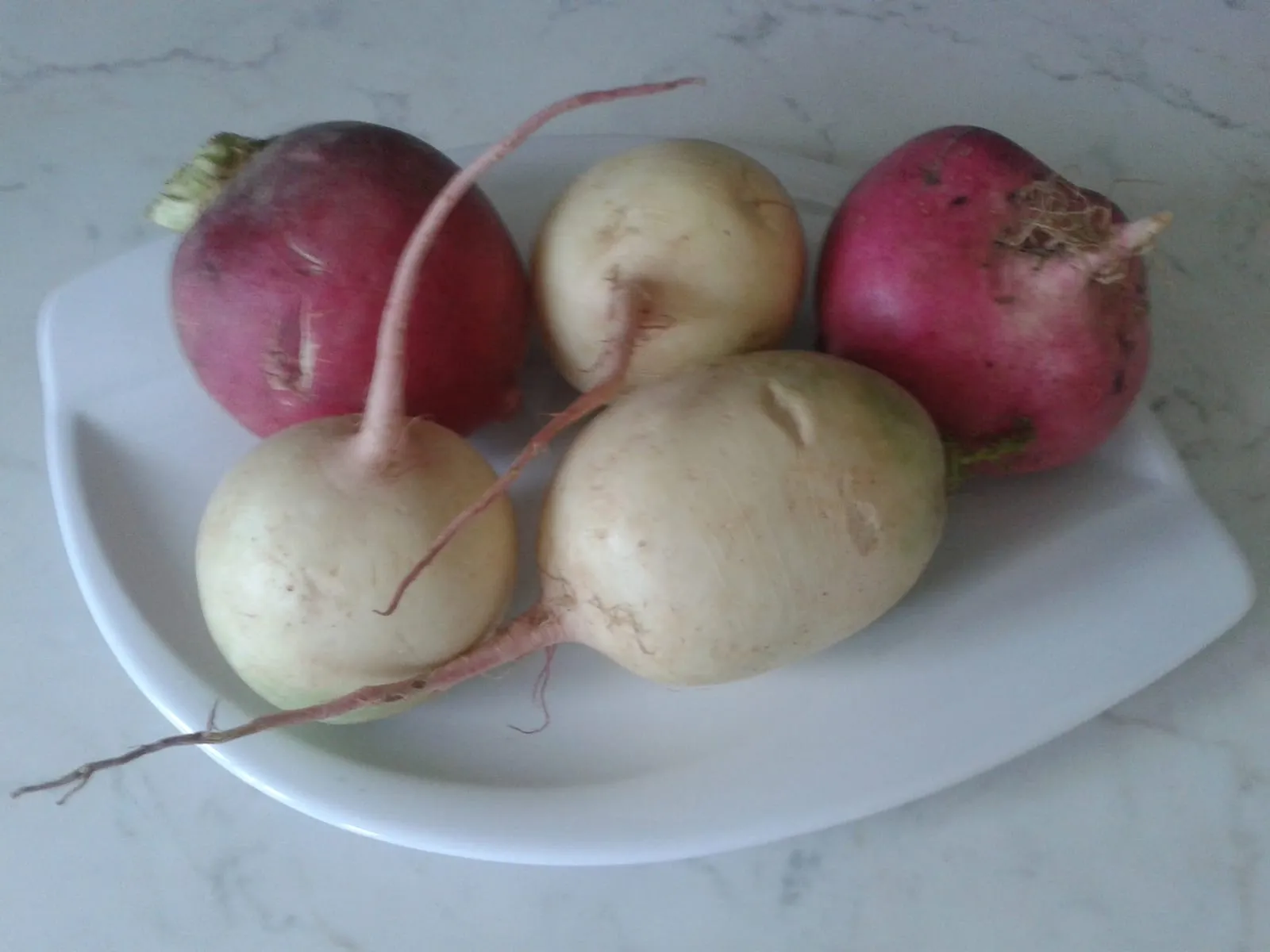
vegetable in zone 5a
Growing turnip in zone 5a
Brassica rapa subsp. rapa
- Zone
- 5a -20°F to -15°F
- Growing season
- 150 days
- Suitable varieties
- 3
- Days to harvest
- 40 to 60
The verdict
Turnip is a cool-season annual with no chill-hour requirement, so zone matching works differently here than it does for perennial fruit crops. The relevant question is not whether the zone gets cold enough but whether it provides sufficient cool-weather windows at both ends of the season for roots to develop properly. Zone 5a answers well on both counts.
With minimum winter temperatures between -20 and -15°F and a growing season of roughly 150 days, zone 5a supports two turnip crops per year: a spring planting timed to mature before summer heat pushes roots toward pithy texture, and a fall planting timed to mature in the cooling days of September and October. The fall window is particularly productive. Cool nights improve flavor, and the zone's long autumn gives roots time to size up without rushing into a hard freeze. Zone 5a is not marginal for turnips; it sits squarely within the crop's preferred climate range.
Recommended varieties for zone 5a
3 cultivars suited to this zone, with disease-resistance and zone-fit annotations.
| Variety | Notes | Zone fit | Disease resistance |
|---|---|---|---|
| Purple Top White Globe fits zone 5a | Mild, slightly sweet, tender when small; classic purple-shouldered white root. Roasting, mashing, raw in salads when young. Heritage standard, holds quality if pulled before getting too large. | | none noted |
| Hakurei fits zone 5a | Sweet, juicy, almost fruit-like; small white salad turnip. Eaten raw out of hand, salads, lightly cooked. Japanese heritage, the gourmet farmers-market turnip, minimal pungency. | | none noted |
| Seven Top fits zone 5a | Pungent, tender greens (root rarely eaten); the heritage Southern turnip-greens variety. Cooked greens, simmered with smoked meats, soups. Productive cut-and-come-again leaves. | | none noted |
Critical timing for zone 5a
For spring plantings, direct sow 3 to 4 weeks before the last expected frost, typically late April in zone 5a. Most varieties reach harvest in 35 to 60 days: Hakurei finishes near the fast end at around 38 days, while Purple Top White Globe runs closer to 55 days. Spring plantings need to be in the ground early enough that roots mature before daytime temperatures climb consistently above 75°F, which tends to happen by late June in this zone. Roots that size up in summer heat turn pithy and lose the mild sweetness that makes the crop worth growing.
Fall plantings are more straightforward. Count back 6 to 8 weeks from the first expected hard frost, which in zone 5a typically falls in mid-October, putting fall sowing in late August to early September. Roots harvested after a few light frosts often taste noticeably sweeter than those pulled in warm conditions.
Common challenges in zone 5a
- ▸ Fire blight in pears
- ▸ Cedar-apple rust
- ▸ Late spring frosts
Disease pressure to watch for
Modified care for zone 5a
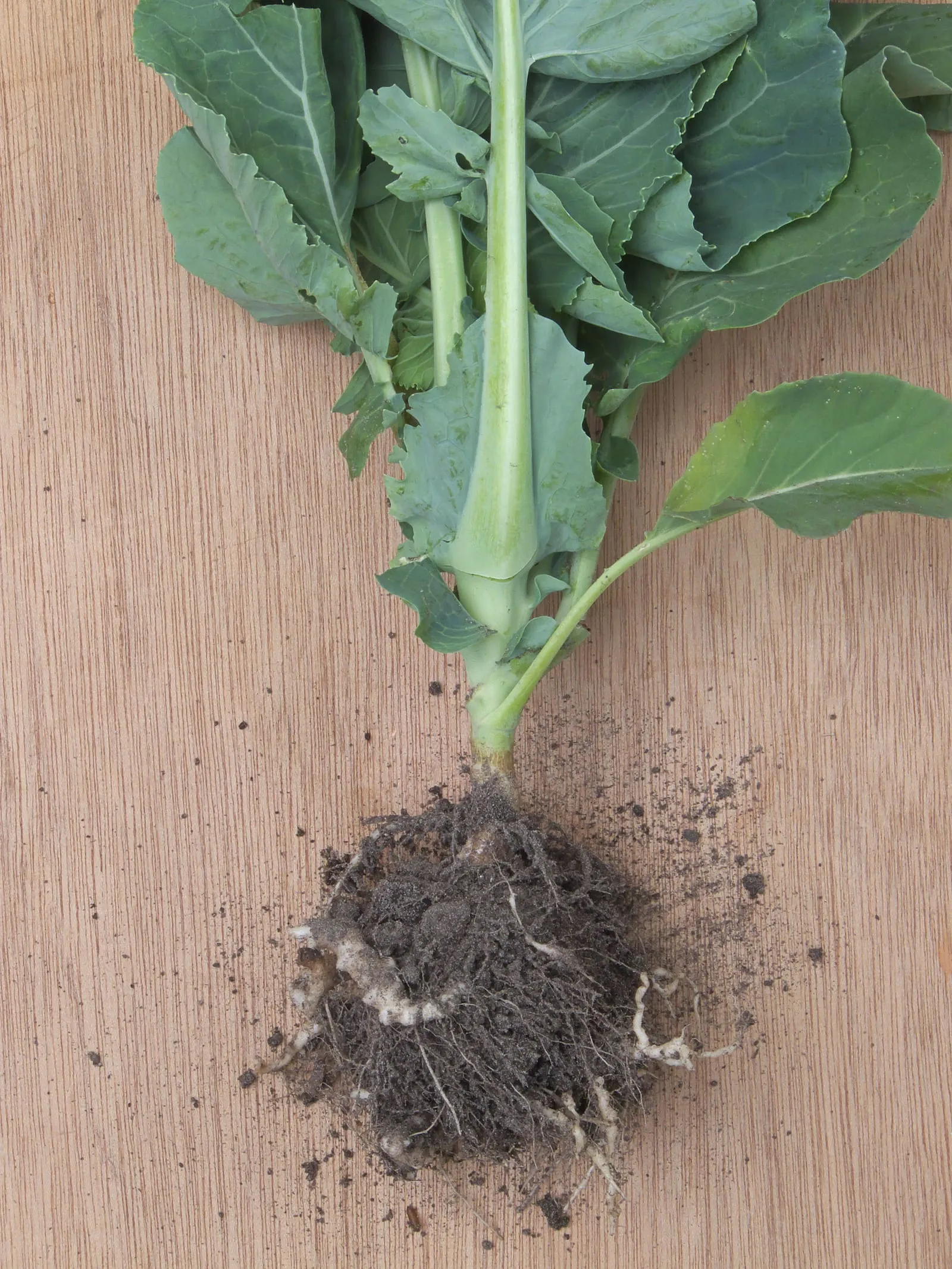
The primary disease concern for zone 5a turnip growers is clubroot, a soilborne pathogen that infects brassica roots and causes misshapen, swollen growth. Clubroot persists in soil for up to 20 years, so rotating brassicas to a different bed for at least 3 years between plantings is the main line of defense. Raising soil pH to 7.0 or above with lime reduces infection risk but does not eliminate it once the pathogen is established.
Late spring frosts are a listed zone challenge, but turnips tolerate light frost well, and young seedlings can handle temperatures into the upper 20s°F without significant damage. The greater timing risk runs the other direction: planting too late and having roots mature in summer heat rather than cool spring conditions. Fall crops largely sidestep this problem. Because the zone's autumn cools steadily from September onward, fall turnips rarely face the quality issues that affect spring plantings that drag into warm weather.
Frequently asked questions
- Can turnip roots overwinter in the ground in zone 5a?
No. Minimum temperatures between -20 and -15°F will freeze and destroy unprotected roots. Harvest before the ground freezes solid, typically by early to mid-November. Roots store well near 32°F at high humidity for several months after harvest.
- Which variety is best for a short spring window in zone 5a?
Hakurei is well suited for spring plantings in zone 5a because its roughly 38-day maturity gives it the best chance of finishing before summer heat sets in. Purple Top White Globe, at around 55 days, is a better fit for fall crops where the timeline is less compressed.
- How is clubroot spread, and can it be cured once present?
Clubroot spreads through contaminated soil, water, and transplants. There is no chemical cure once it is established. Prevention through crop rotation (3 or more years between brassica plantings in the same bed) and liming soil to pH 7.0 or above are the practical controls available to home growers.
+−
+−
+−
Turnip in adjacent zones
Image: "Brassica rapa subsp. rapa", by E4024, via Wikimedia Commons, licensed under CC-BY Source.

Related