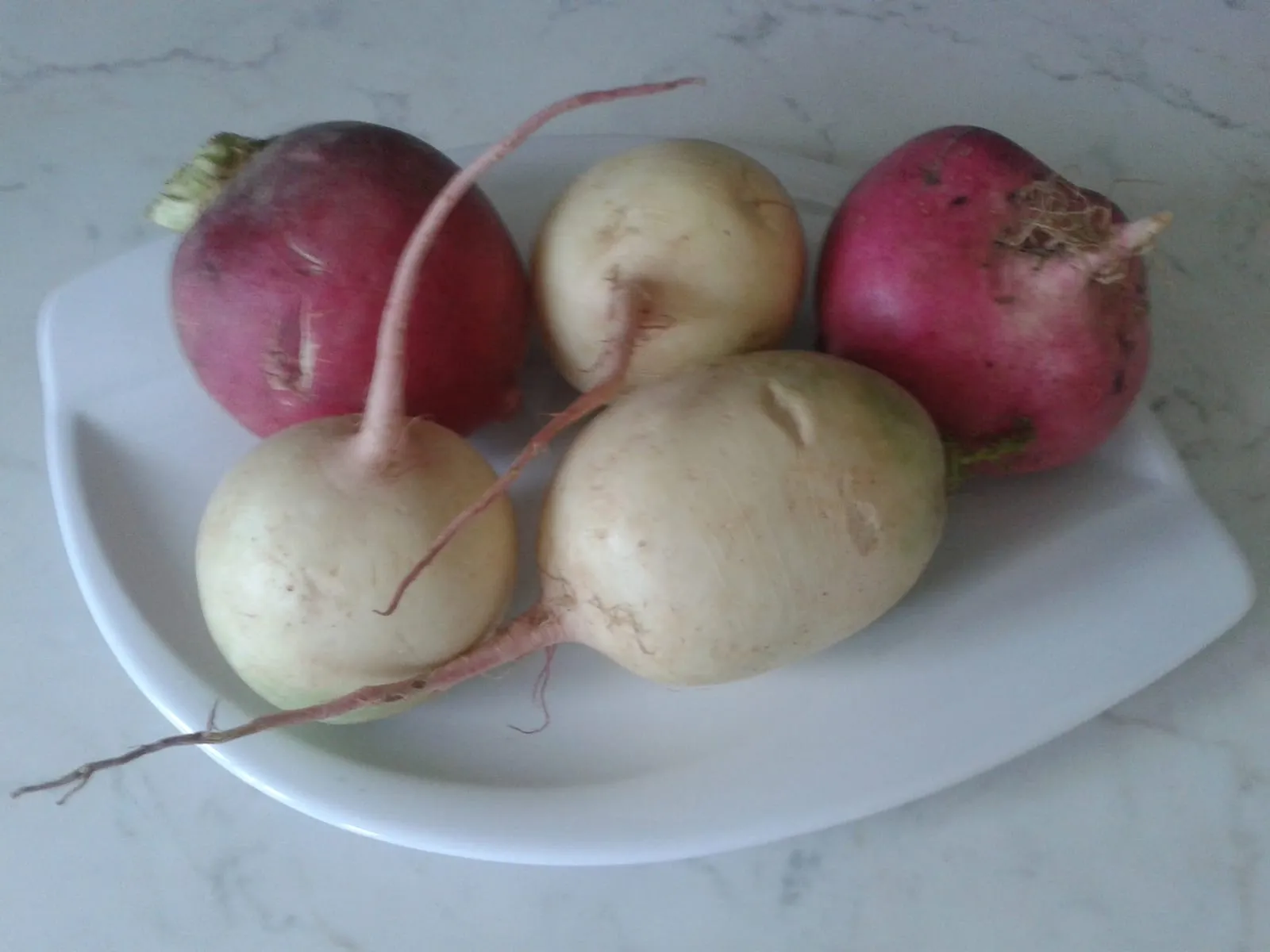
vegetable in zone 5b
Growing turnip in zone 5b
Brassica rapa subsp. rapa
- Zone
- 5b -15°F to -10°F
- Growing season
- 165 days
- Suitable varieties
- 3
- Days to harvest
- 40 to 60
The verdict
Zone 5b, with winters bottoming out between -15 and -10°F and a 165-day frost-free growing season, is a sweet spot for turnips, not a marginal zone. Unlike fruit trees, turnips carry no chill-hour requirement. The relevant factors are soil temperature during germination and ambient air temperature during bulb development, both of which zone 5b delivers reliably across two distinct growing windows.
Turnips perform best when temperatures stay between 50 and 65°F and tolerate light frost without damage, making zone 5b's cool springs and falls nearly ideal. All three varieties suited to this zone fall well within its season: Hakurei matures in roughly 38 days, Seven Top in about 45 days when grown for greens, and Purple Top White Globe in 55 to 60 days. None of these timelines puts any strain on a 165-day season.
The limiting factor in zone 5b is summer heat rather than cold. Turnips sown to mature in July or August become bitter, pithy, and more susceptible to pest damage. The productive strategy is two short-season crops bracketing that hot center, which zone 5b's calendar accommodates with room to spare.
Recommended varieties for zone 5b
3 cultivars suited to this zone, with disease-resistance and zone-fit annotations.
| Variety | Notes | Zone fit | Disease resistance |
|---|---|---|---|
| Purple Top White Globe fits zone 5b | Mild, slightly sweet, tender when small; classic purple-shouldered white root. Roasting, mashing, raw in salads when young. Heritage standard, holds quality if pulled before getting too large. | | none noted |
| Hakurei fits zone 5b | Sweet, juicy, almost fruit-like; small white salad turnip. Eaten raw out of hand, salads, lightly cooked. Japanese heritage, the gourmet farmers-market turnip, minimal pungency. | | none noted |
| Seven Top fits zone 5b | Pungent, tender greens (root rarely eaten); the heritage Southern turnip-greens variety. Cooked greens, simmered with smoked meats, soups. Productive cut-and-come-again leaves. | | none noted |
Critical timing for zone 5b
Turnips do not have a bloom window in the sense that fruit crops do; bolting (sending up a flower stalk) signals the end of useful production, not a target event. The timing goal for zone 5b is to keep roots developing in cool soil and avoid the heat that triggers bolting and root deterioration.
Spring crops can be direct-sown 4 to 6 weeks before the average last frost, typically mid- to late April in zone 5b, meaning sowings can begin in mid- to late March. Harvest before sustained daytime temperatures exceed 75°F, generally before mid-June. Fall crops, which tend to produce sweeter roots as cold converts starches to sugars, should be back-timed from the average first fall frost (typically mid- to late October in zone 5b). Count back from that date by the variety's days-to-maturity and sow in August. The fall window is the preferred season for storage-quality roots.
Common challenges in zone 5b
- ▸ Plum curculio
- ▸ Codling moth
- ▸ Cedar-apple rust
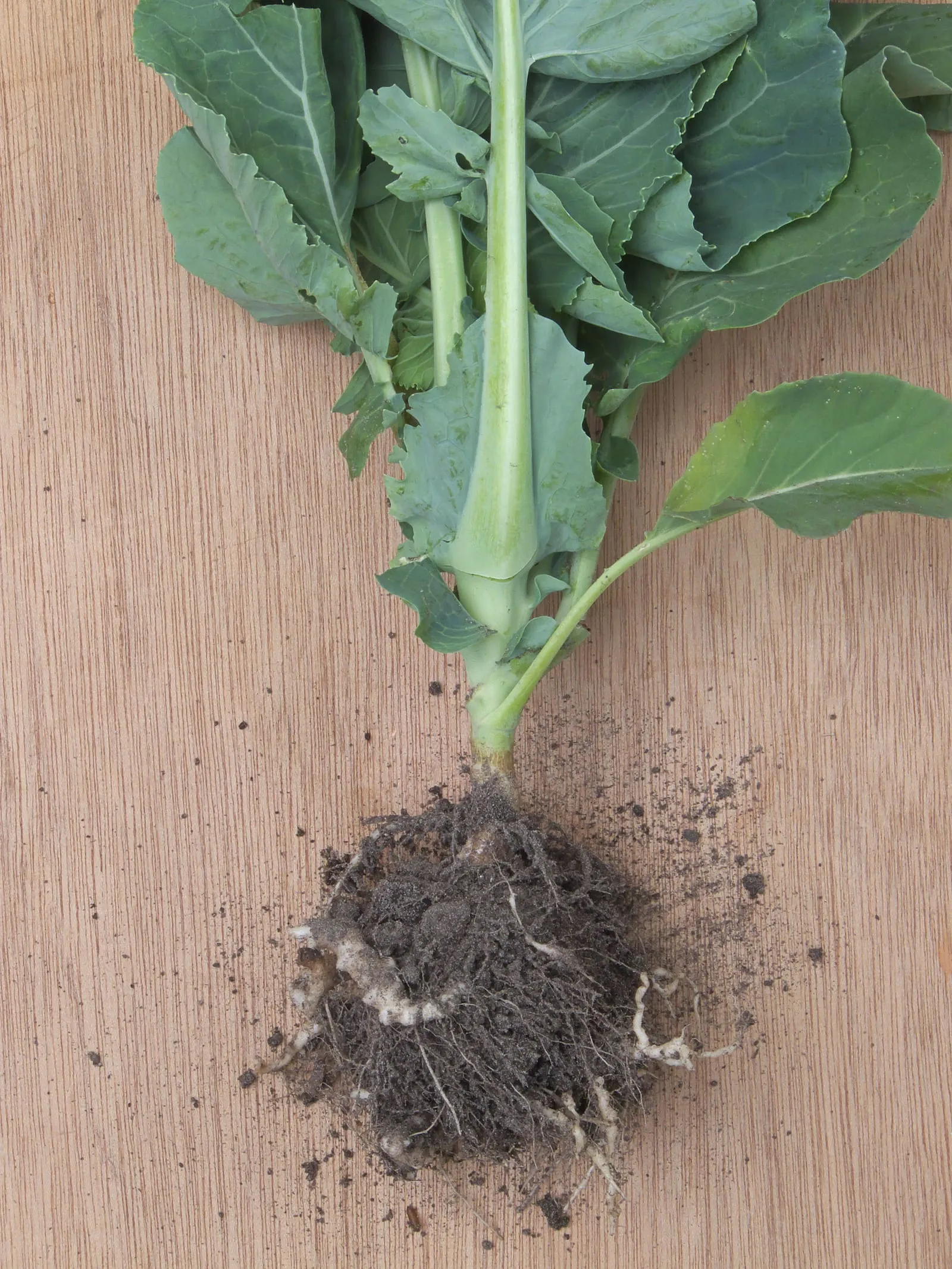
Disease pressure to watch for
Modified care for zone 5b
The primary adjustment in zone 5b relative to warmer zones is managing the transition in and out of cool growing windows. Spring sowings require soil temperature of at least 40°F before seed goes in; germination in colder soil is slow and erratic. Row covers can push sowing 2 to 3 weeks earlier in spring and extend the fall harvest window by the same margin before hard freezes arrive.
Clubroot is the most consequential disease risk for brassicas in zone 5b. The pathogen persists in soil for up to 20 years, so rotation away from all brassica family crops for a minimum of 3 years is essential. Raising soil pH to 7.0 or above suppresses clubroot severity; lime applications 2 to 3 months before planting give the pH time to equilibrate.
Fall crops generally face lower insect pressure than spring crops. Light mulching after fall sowing moderates soil temperature and retains moisture during dry spells that can stall germination in August.
Frequently asked questions
- Can turnips survive a hard freeze in zone 5b?
Turnips tolerate light frost (28 to 32°F) well and often improve in flavor after light freezes. Hard freezes below 25°F will damage or kill roots left in the ground. In zone 5b, harvest fall crops before extended cold below 25°F arrives, or mulch heavily with straw to buffer the root zone for an additional few weeks.
- Which turnip variety works best for fall storage in zone 5b?
Purple Top White Globe is the standard choice for storage in zone 5b: it matures in 55 to 60 days, stores well in a cool cellar (32 to 40°F, high humidity), and handles late-season cool temperatures during its final weeks of development. Hakurei is better eaten fresh and does not store as long.
- What causes turnip roots to become pithy or bitter in zone 5b?
Pithiness and bitterness are almost always the result of heat stress or delayed harvest. Turnips maturing in soil warmer than 75°F consistently produce lower-quality roots. In zone 5b, this means avoiding sowings that would mature in July or August. Harvesting at the correct size (2 to 3 inches for most varieties) before roots over-mature also prevents woodiness.
- How serious is clubroot for turnips in zone 5b?
Clubroot (caused by Plasmodiophora brassicae) is the primary disease concern for turnips and all brassicas in zone 5b. Infected plants produce swollen, distorted roots and severely stunted tops. The pathogen persists in soil for 15 to 20 years. Prevention through crop rotation (3-plus years away from all brassicas) and pH management (7.0 or above) is the only practical control; there are no effective post-infection treatments.
+−
+−
+−
+−
Turnip in adjacent zones
Image: "Brassica rapa subsp. rapa", by E4024, via Wikimedia Commons, licensed under CC-BY Source.

Related