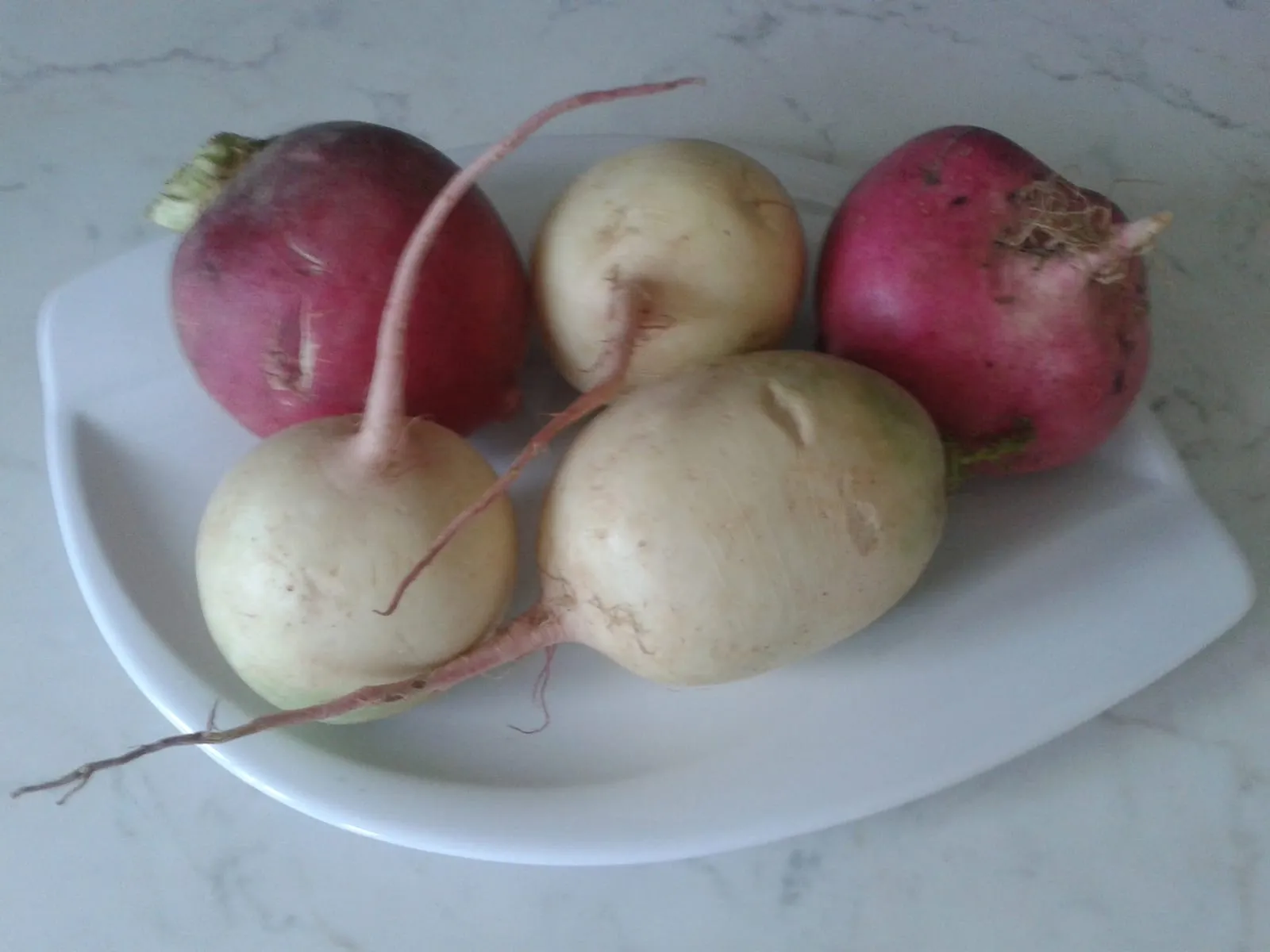
vegetable in zone 6a
Growing turnip in zone 6a
Brassica rapa subsp. rapa
- Zone
- 6a -10°F to -5°F
- Growing season
- 180 days
- Suitable varieties
- 3
- Days to harvest
- 40 to 60
The verdict
Zone 6a is a reliable, productive zone for turnips. Unlike fruit crops, turnips require no chilling accumulation; what they need is cool soil and air temperatures in the 50 to 65°F range, and zone 6a delivers that twice each season. The 180-day growing season comfortably accommodates two distinct turnip crops, spring and fall, with the fall planting generally producing sweeter, more tender roots as soil temperatures drop and light frosts sweeten the flesh.
The zone's winter minimum of -10 to -5°F is not a limiting factor for the crop itself; turnips are harvested before hard freezes arrive. The main risk zone 6a growers face is the narrow spring window: if planting is delayed past the point where daytime temperatures consistently exceed 70°F, roots become fibrous and bolt risk increases. Purple Top White Globe, Hakurei, and Seven Top are all well-suited here, giving growers options from quick-harvest salad types to greens-focused varieties.
Recommended varieties for zone 6a
3 cultivars suited to this zone, with disease-resistance and zone-fit annotations.
| Variety | Notes | Zone fit | Disease resistance |
|---|---|---|---|
| Purple Top White Globe fits zone 6a | Mild, slightly sweet, tender when small; classic purple-shouldered white root. Roasting, mashing, raw in salads when young. Heritage standard, holds quality if pulled before getting too large. | | none noted |
| Hakurei fits zone 6a | Sweet, juicy, almost fruit-like; small white salad turnip. Eaten raw out of hand, salads, lightly cooked. Japanese heritage, the gourmet farmers-market turnip, minimal pungency. | | none noted |
| Seven Top fits zone 6a | Pungent, tender greens (root rarely eaten); the heritage Southern turnip-greens variety. Cooked greens, simmered with smoked meats, soups. Productive cut-and-come-again leaves. | | none noted |
Critical timing for zone 6a
For spring crops in zone 6a, direct sow 4 to 6 weeks before the average last frost date, which typically falls in mid to late April for most of the zone. That puts spring sowings in early to mid-March, often into still-cold soil, which turnips handle well; germination begins reliably at soil temperatures above 40°F.
Fall planting is generally more rewarding. Count back 50 to 60 days from the first expected frost (typically mid to late October in zone 6a) and sow in late August. This timing allows roots to size up during the cooling days of September and October. Hakurei, at roughly 38 days to harvest, offers flexibility for late fall sowings; Purple Top White Globe at 55 days needs the earlier August window. Roots left in the ground after light frost are edible but should be pulled before the ground freezes solid.
Common challenges in zone 6a
- ▸ Brown rot in stone fruit
- ▸ Japanese beetles
- ▸ Spring frost damage to peach buds
Disease pressure to watch for
Modified care for zone 6a
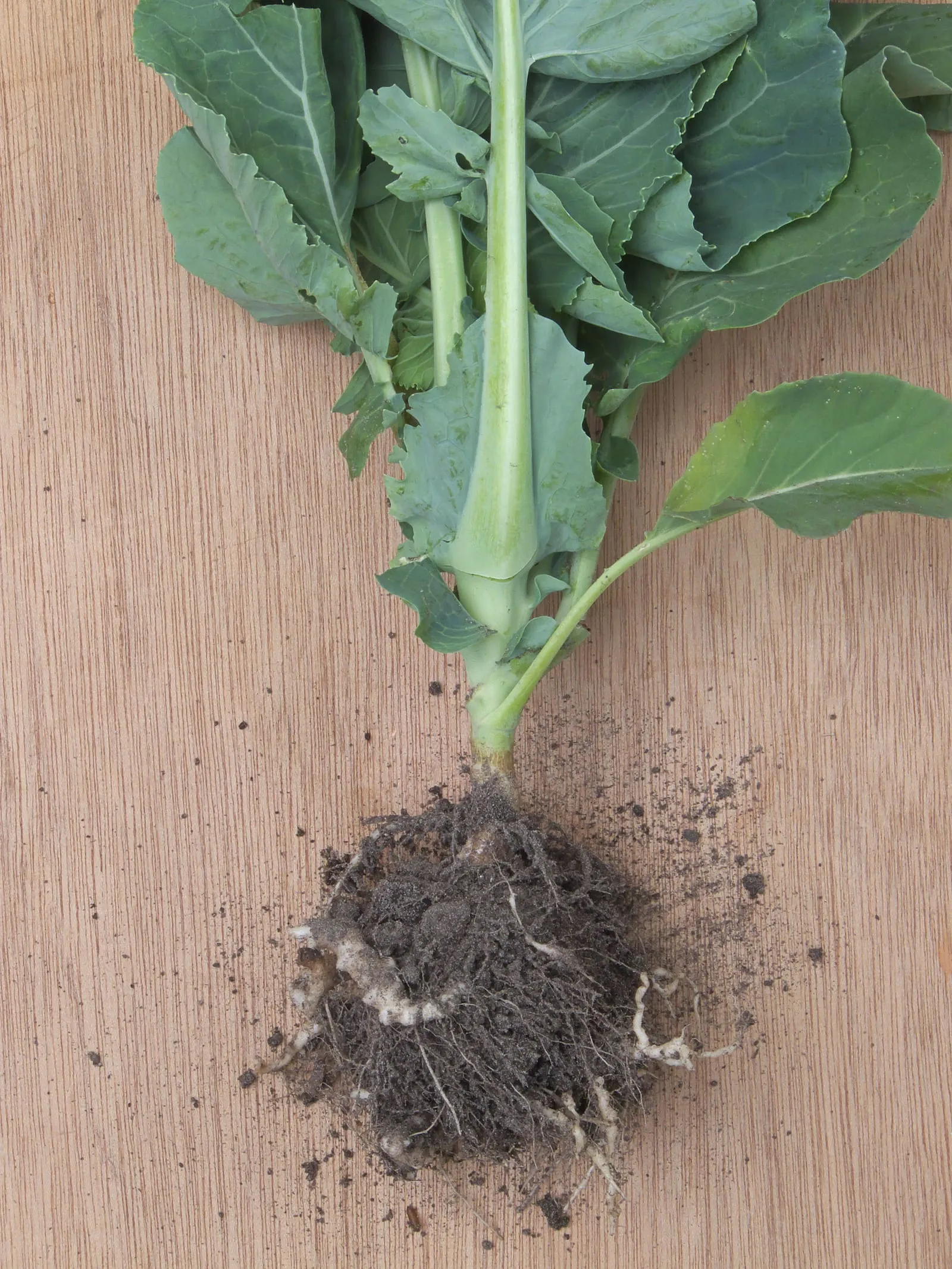
Clubroot is the primary disease pressure to manage in zone 6a. This soil-borne pathogen, Plasmodiophora brassicae, persists in soil for 20 or more years and affects all brassica crops including turnips. Raising soil pH to 7.2 or above through lime applications suppresses but does not eliminate the pathogen. Strict rotation out of brassicas for at least 4 years is necessary in affected beds; once clubroot is established, it cannot be eradicated.
Japanese beetles, a widespread pest in zone 6a, will feed on turnip foliage. Damage is typically cosmetic on root-type turnips but can reduce yield on Seven Top grown primarily for greens. Hand removal and row cover during peak beetle pressure in June and July are practical controls.
Summer is a gap period in zone 6a, not a planting window. Turnips planted in June or July into warm soil bolt quickly and produce poor-quality roots. Growers should plan around this and concentrate effort on the spring and fall windows.
Turnip in adjacent zones
Image: "Brassica rapa subsp. rapa", by E4024, via Wikimedia Commons, licensed under CC-BY Source.

Related