vegetable in zone 6b
Growing turnip in zone 6b
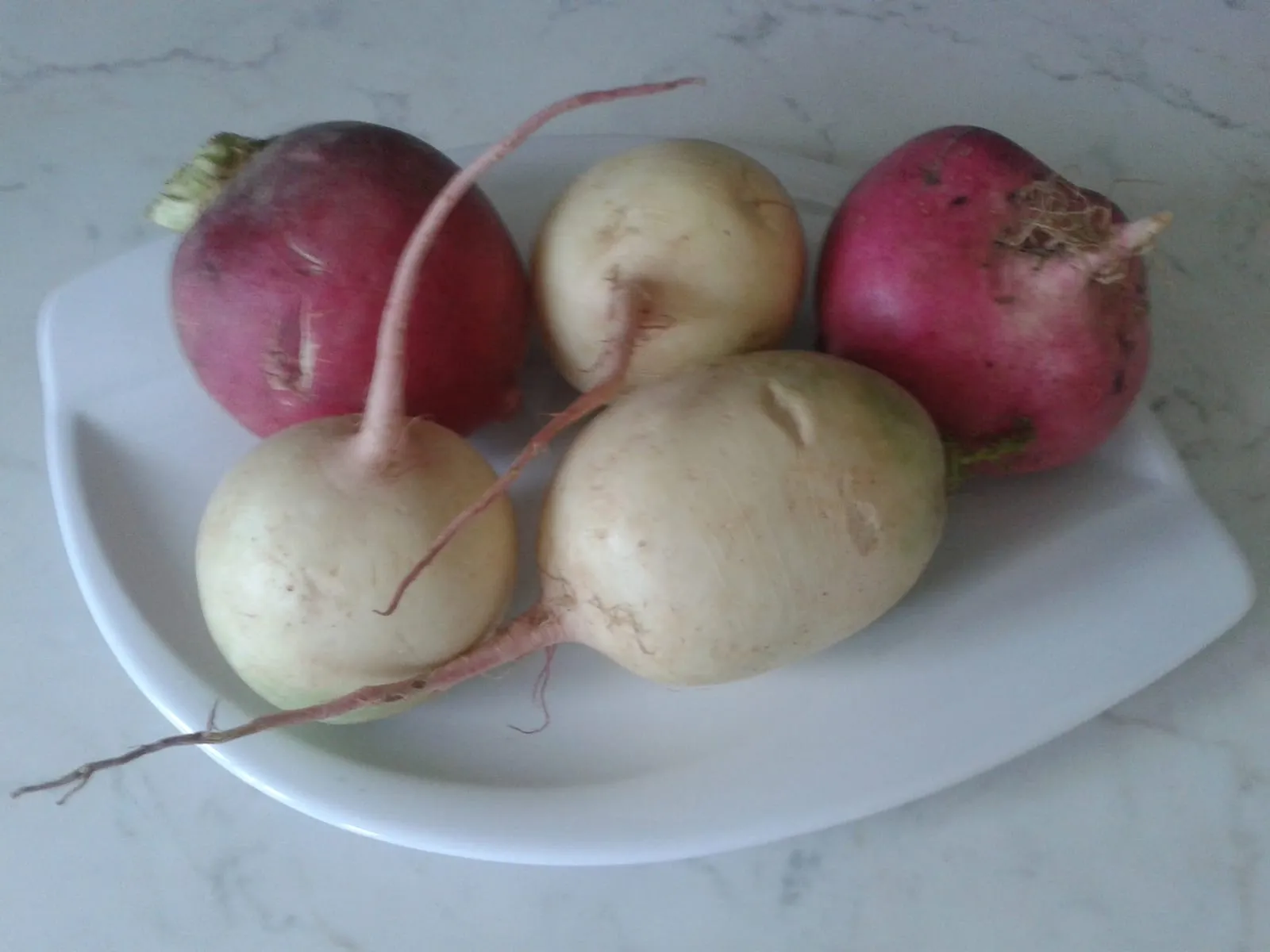
Brassica rapa subsp. rapa
- Zone
- 6b -5°F to 0°F
- Growing season
- 190 days
- Suitable varieties
- 3
- Days to harvest
- 40 to 60
The verdict
Zone 6b is a reliable sweet spot for turnips. Unlike fruit crops with specific chill-hour thresholds, turnips are a cool-season vegetable that performs best where temperatures stay between 50 and 65°F during root development. Zone 6b's winter lows (-5 to 0°F) impose no meaningful hardship on turnips, which are grown and harvested well before hard freezes arrive or after they break. The 190-day growing season is more than long enough to support two distinct crops per year, one in spring and one in fall, with the fall window often producing better roots because cooling temperatures concentrate sugars in the flesh.
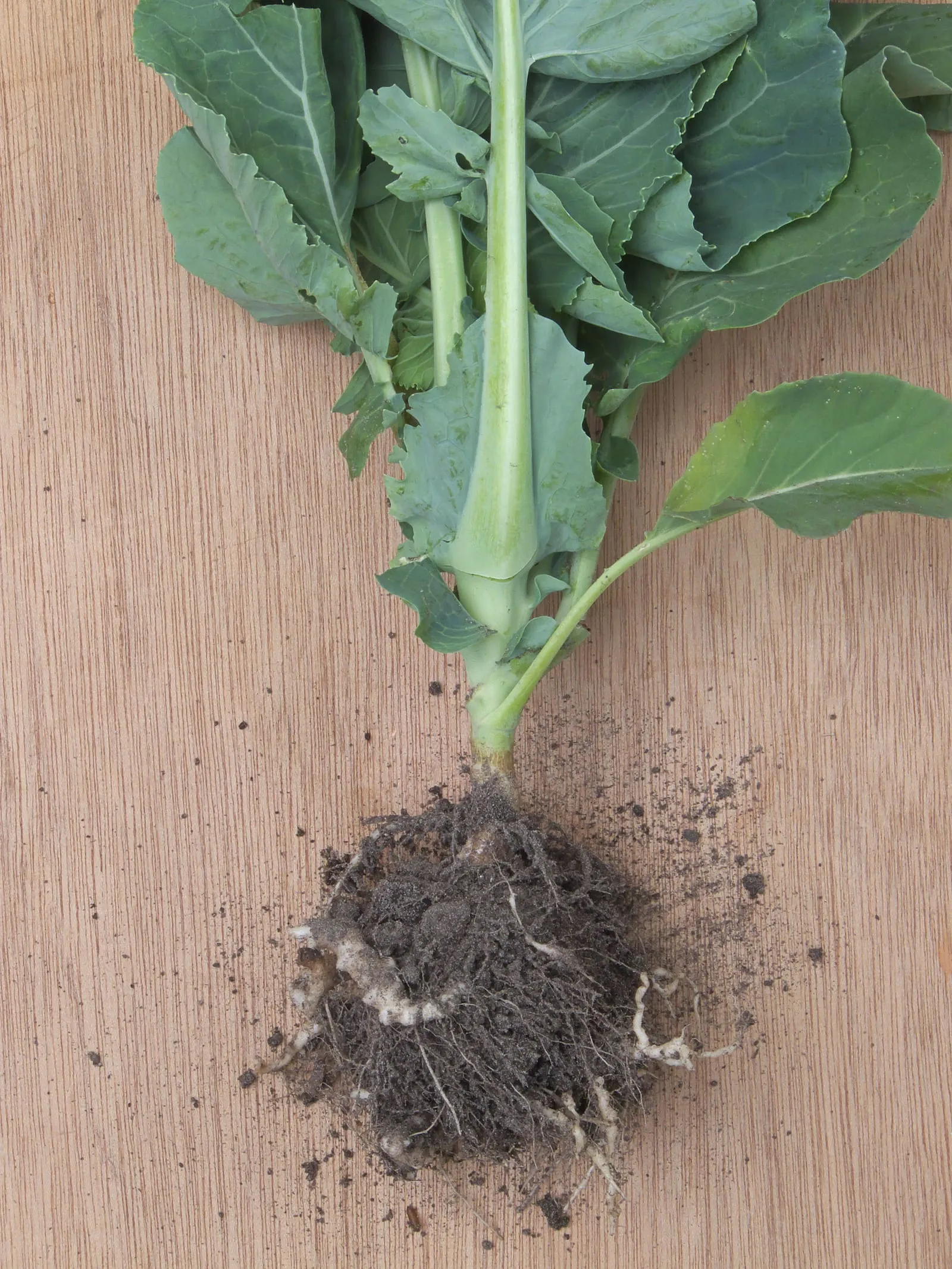
Clubroot is the primary disease concern across brassica crops in this zone. Growers who have lost brassicas to it before should test and adjust soil pH before planting, since the pathogen responsible (Plasmodiophora brassicae) is far less active above pH 7.2. Otherwise, zone 6b places no unusual constraints on this crop.
Recommended varieties for zone 6b
3 cultivars suited to this zone, with disease-resistance and zone-fit annotations.
| Variety | Notes | Zone fit | Disease resistance |
|---|---|---|---|
| Purple Top White Globe fits zone 6b | Mild, slightly sweet, tender when small; classic purple-shouldered white root. Roasting, mashing, raw in salads when young. Heritage standard, holds quality if pulled before getting too large. | | none noted |
| Hakurei fits zone 6b | Sweet, juicy, almost fruit-like; small white salad turnip. Eaten raw out of hand, salads, lightly cooked. Japanese heritage, the gourmet farmers-market turnip, minimal pungency. | | none noted |
| Seven Top fits zone 6b | Pungent, tender greens (root rarely eaten); the heritage Southern turnip-greens variety. Cooked greens, simmered with smoked meats, soups. Productive cut-and-come-again leaves. | | none noted |
Critical timing for zone 6b
Spring turnips should be direct-sown 3 to 4 weeks before the average last frost, which falls in the April 1 to April 15 range across most of zone 6b. At that timing, soil temperatures are typically above 40°F, which supports germination within 5 to 7 days. Fast-maturing varieties like Hakurei reach harvest in roughly 38 days; Purple Top White Globe takes closer to 55 days.
Fall is the preferred season for turnips in zone 6b. Count back 8 to 10 weeks from the average first frost (typically mid to late October) and sow in mid to late August. Roots pulled after a few light frosts are noticeably sweeter than those harvested in summer heat. Seven Top, grown for its greens, can be cut repeatedly through November in most zone 6b locations before hard freezes end the season.
Common challenges in zone 6b
- ▸ Cedar-apple rust
- ▸ Fire blight
- ▸ Stink bugs
Disease pressure to watch for
Modified care for zone 6b
The main adjustment in zone 6b is vigilance around clubroot. Because brassicas are widely grown here, soil-borne clubroot inoculum builds up quickly in beds that see repeated plantings. A 4-year rotation away from any brassica family crop (cabbage, broccoli, kale, radish) is the most reliable preventive measure. Raising bed pH to 7.2 or above with ground limestone also suppresses the pathogen significantly.
Stink bugs are a genuine late-season pest in zone 6b, particularly in mid-Atlantic areas. They puncture roots and greens alike, and populations peak in late summer. Row cover applied through August and September provides protection during the fall planting window without affecting the cool-season crops underneath. No special winter protection is needed; turnip roots tolerate light frost and can be left in the ground a few weeks past the first freeze if mulched.
Frequently asked questions
- Can turnips survive frost in zone 6b?
Mature turnip roots tolerate light frosts and even brief temperatures down to the mid-20s°F. In zone 6b, this makes late October and early November harvests practical. Heavy mulch over in-ground roots extends the harvest window by several weeks.
- Is fall or spring the better season for turnips in zone 6b?
Fall is generally better. Roots develop during cooling temperatures rather than warming ones, which concentrates sugars and reduces bitterness. Spring plantings race to mature before summer heat pushes soil temps above 70°F, at which point root quality declines.
- What is clubroot and how serious is it in zone 6b?
Clubroot is a soilborne disease caused by Plasmodiophora brassicae that distorts and rots the roots of all brassica family crops. It is present across zone 6b wherever brassicas have been grown repeatedly. Infected soil stays infectious for 20 or more years; rotation and pH management are the primary tools, since no chemical treatment eliminates established infestations.
- Which turnip variety is best for eating fresh in zone 6b?
Hakurei is the standard recommendation for fresh use. It matures in about 38 days, has a mild and slightly sweet flavor even when grown in spring, and works well raw. Purple Top White Globe is the better choice when storage or cooking is the goal.
+−
+−
+−
+−
Turnip in adjacent zones
Image: "Brassica rapa subsp. rapa", by E4024, via Wikimedia Commons, licensed under CC-BY Source.

Related