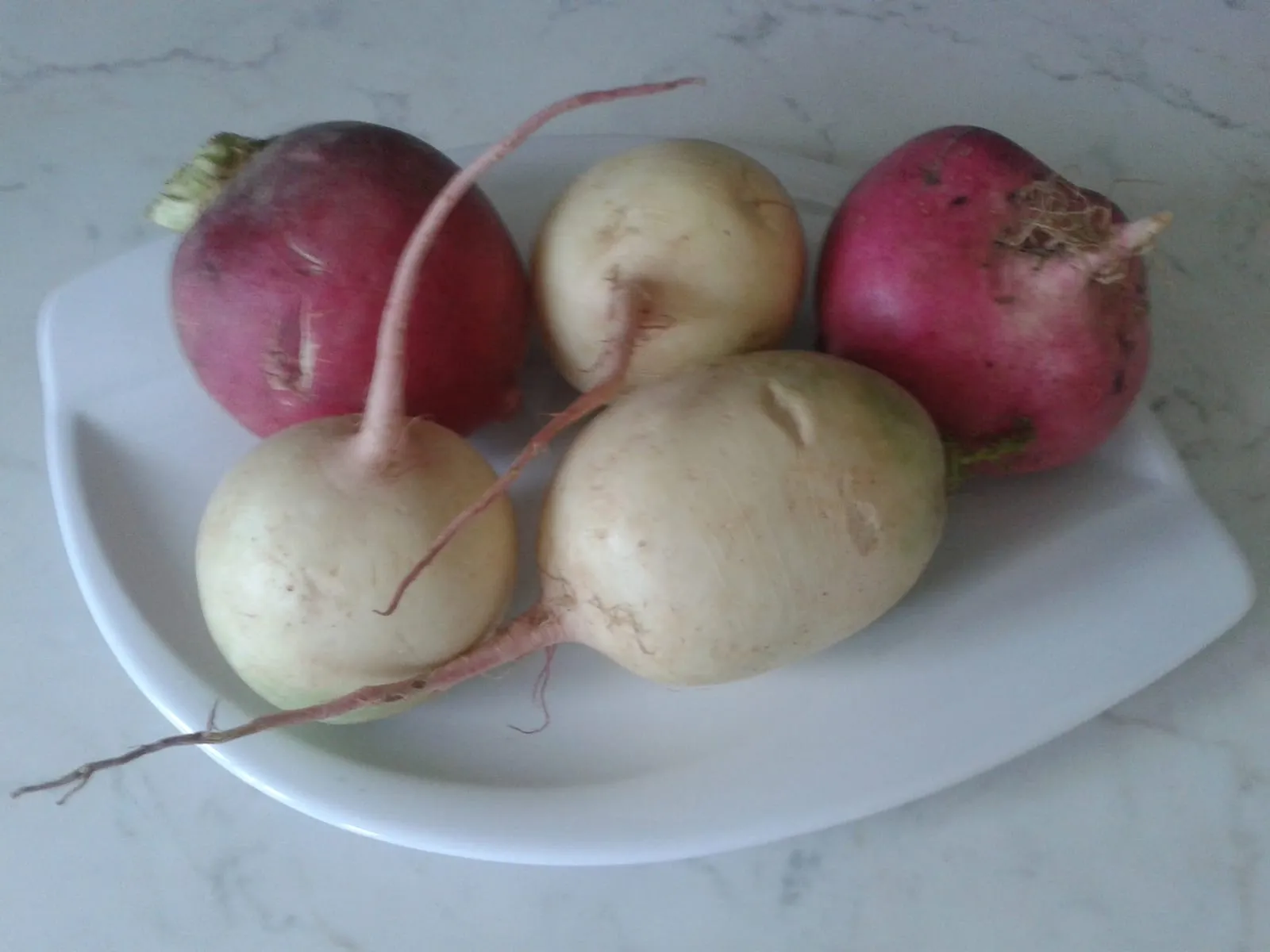
vegetable in zone 7a
Growing turnip in zone 7a
Brassica rapa subsp. rapa
- Zone
- 7a 0°F to 5°F
- Growing season
- 210 days
- Suitable varieties
- 3
- Days to harvest
- 40 to 60
The verdict
Turnip is a cool-season annual with no chill-hour requirement, so the chill-hour framework that governs fruit tree suitability does not apply here. What matters instead is the frost calendar and summer heat window. Zone 7a, with a minimum winter temperature of 0 to 5°F and a 210-day growing season, is a sweet spot for turnips. The zone supports two distinct cropping windows: a spring planting timed around the last frost (typically late March to early April in zone 7a), and a fall planting timed to mature before hard freezes arrive in November. Fall crops often outperform spring crops in zone 7a because cooling temperatures concentrate sugars in the root and reduce bolt risk. Clubroot, the primary disease concern for this crop, is present across much of the mid-Atlantic and Southeast, which overlaps heavily with zone 7a, so site selection and soil pH management matter more here than in drier regions.
Recommended varieties for zone 7a
3 cultivars suited to this zone, with disease-resistance and zone-fit annotations.
| Variety | Notes | Zone fit | Disease resistance |
|---|---|---|---|
| Purple Top White Globe fits zone 7a | Mild, slightly sweet, tender when small; classic purple-shouldered white root. Roasting, mashing, raw in salads when young. Heritage standard, holds quality if pulled before getting too large. | | none noted |
| Hakurei fits zone 7a | Sweet, juicy, almost fruit-like; small white salad turnip. Eaten raw out of hand, salads, lightly cooked. Japanese heritage, the gourmet farmers-market turnip, minimal pungency. | | none noted |
| Seven Top fits zone 7a | Pungent, tender greens (root rarely eaten); the heritage Southern turnip-greens variety. Cooked greens, simmered with smoked meats, soups. Productive cut-and-come-again leaves. | | none noted |
Critical timing for zone 7a
For spring plantings, direct-sow seed 4 to 6 weeks before the average last frost date. In zone 7a, that window typically opens in late February to early March. Days to harvest range from 35 days for Hakurei (a fast-maturing salad type) to 55 to 60 days for Purple Top White Globe. Spring crops must be harvested before sustained daytime temperatures exceed 75°F, as heat triggers bitterness and bolting. For fall plantings, count back from the average first fall frost (late October to mid-November in zone 7a) and add 10 days as a buffer for slowing growth in cooling soil. Sow fall crops in mid to late August. Seven Top, grown primarily for greens rather than roots, tolerates light frost and can extend the fall harvest window into December under most zone 7a conditions.
Common challenges in zone 7a
- ▸ Cedar-apple rust
- ▸ Brown rot
- ▸ Fire blight
- ▸ High humidity disease pressure
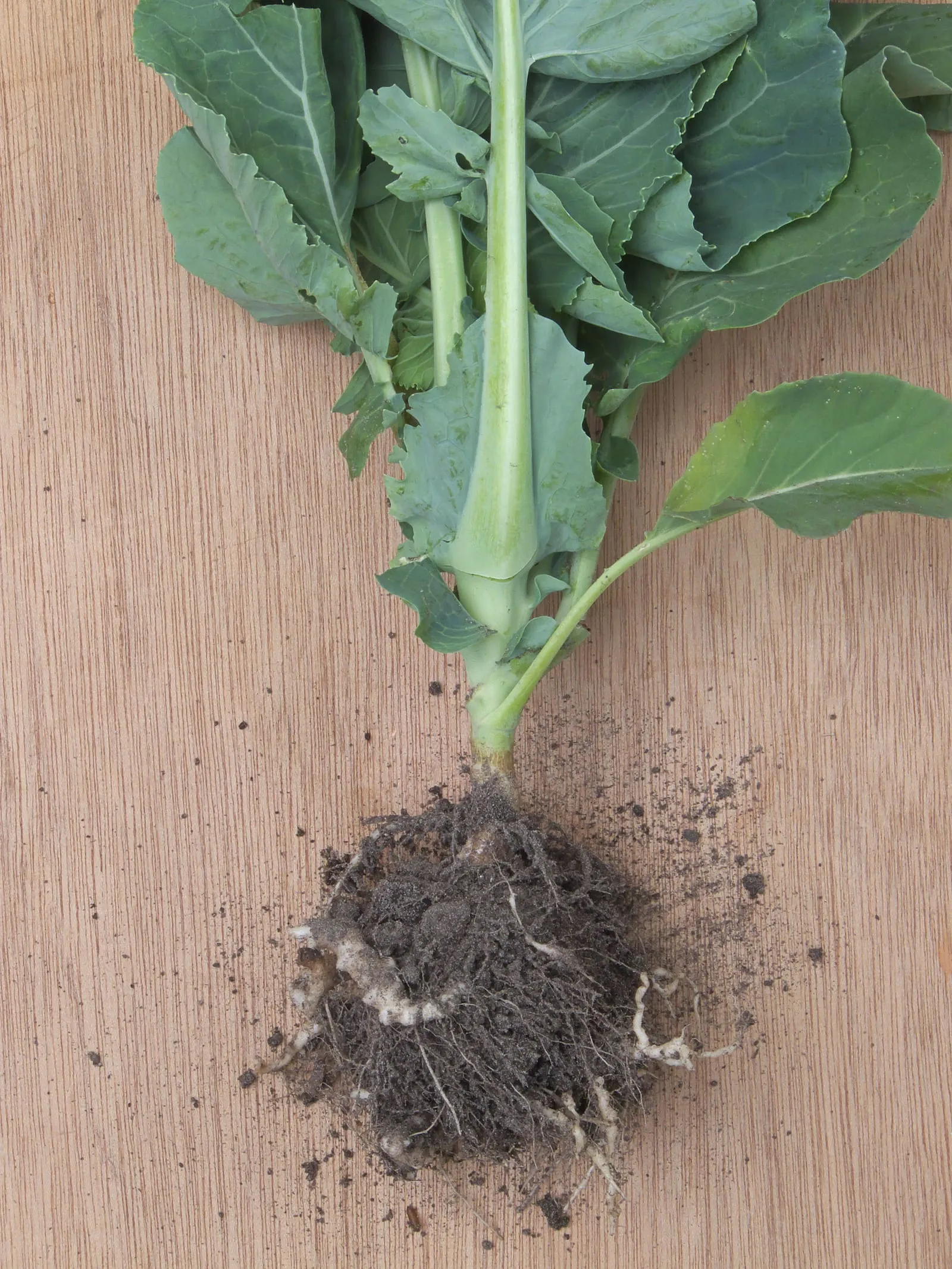
Disease pressure to watch for
Modified care for zone 7a
Zone 7a's combination of humid summers and moderate winters creates meaningful clubroot pressure. Maintaining soil pH at 7.2 or above significantly reduces infection risk; lime applications before planting are worth doing if soil pH tests below 6.8. Strict rotation (no brassicas in the same bed for at least 3 years) is more important here than in arid climates where clubroot is largely absent. Spring plantings face a narrow window between soil workability and summer heat onset. Pushing planting earlier than soil temperature allows (soil below 40°F slows germination substantially) gains little and wastes seed. For fall crops, consistent soil moisture during germination is often the main challenge in late-summer heat; a light mulch layer or shade cloth helps retain moisture until seedlings establish. Winter protection is unnecessary in zone 7a for fall crops targeted for October to December harvest.
Frequently asked questions
- Can turnips survive frost in zone 7a?
Yes. Turnips tolerate light frost and, in zone 7a, fall plantings typically mature through October and into early November without cold damage. Hard freezes below 28°F will damage exposed tops, though mulched roots can persist longer.
- What causes turnips to taste bitter in zone 7a?
Heat is the primary driver. Temperatures consistently above 75°F during root development cause bitterness and can trigger bolting. This is most common with spring crops that mature into late May or June. Fall crops grown in cooling conditions are reliably milder.
- Is Hakurei a good choice for zone 7a?
Hakurei performs well in both zone 7a planting windows. Its short days-to-harvest (roughly 35 to 40 days) makes it easier to finish spring crops ahead of summer heat, and it matures quickly enough in fall to fit even late-August sowings.
+−
+−
+−
Turnip in adjacent zones
Image: "Brassica rapa subsp. rapa", by E4024, via Wikimedia Commons, licensed under CC-BY Source.

Related