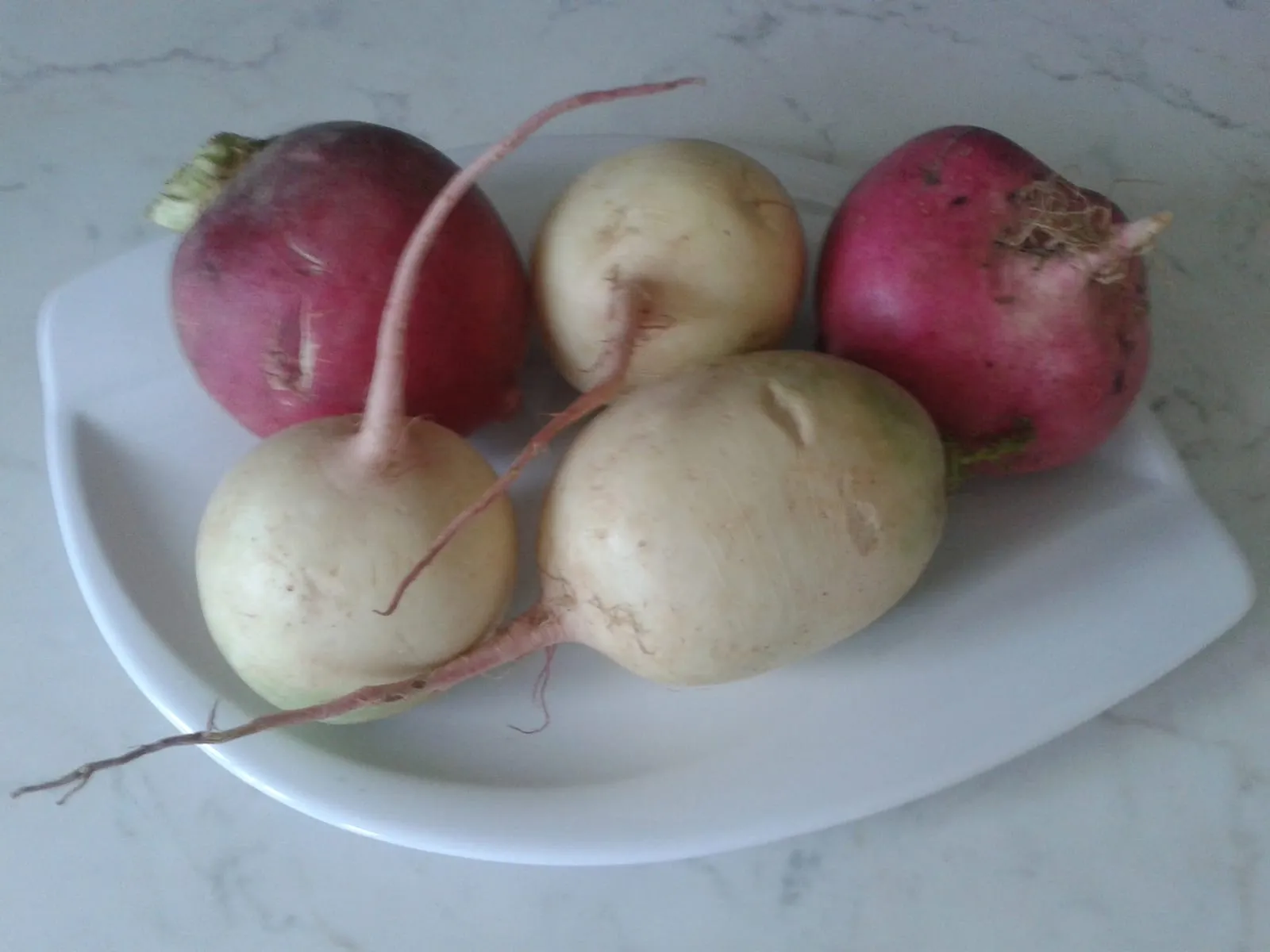
vegetable in zone 7b
Growing turnip in zone 7b
Brassica rapa subsp. rapa
- Zone
- 7b 5°F to 10°F
- Growing season
- 220 days
- Suitable varieties
- 3
- Days to harvest
- 40 to 60
The verdict
Turnips are cool-season crops grown as annuals, and zone 7b is a solid fit rather than a marginal one. Unlike fruit crops, turnips carry no chill-hour requirement; what matters is access to extended cool windows where soil temperatures stay between roughly 40°F and 75°F. Zone 7b's 220-day growing season provides two distinct planting opportunities: a spring window before summer heat arrives and a fall window as temperatures drop after August.
Fall production is generally the stronger of the two in this zone. Roots that size up during cooling autumn temperatures develop sweeter, milder flavor than those stressed by rising spring heat. The zone's minimum temperatures of 5 to 10°F are cold enough to harden mature plants without consistently killing them outright, which allows fall plantings to extend into November and sometimes December with light mulching. Spring crops are viable but require tighter attention to timing to avoid bolting once temperatures climb past 80°F.
Recommended varieties for zone 7b
3 cultivars suited to this zone, with disease-resistance and zone-fit annotations.
| Variety | Notes | Zone fit | Disease resistance |
|---|---|---|---|
| Purple Top White Globe fits zone 7b | Mild, slightly sweet, tender when small; classic purple-shouldered white root. Roasting, mashing, raw in salads when young. Heritage standard, holds quality if pulled before getting too large. | | none noted |
| Hakurei fits zone 7b | Sweet, juicy, almost fruit-like; small white salad turnip. Eaten raw out of hand, salads, lightly cooked. Japanese heritage, the gourmet farmers-market turnip, minimal pungency. | | none noted |
| Seven Top fits zone 7b | Pungent, tender greens (root rarely eaten); the heritage Southern turnip-greens variety. Cooked greens, simmered with smoked meats, soups. Productive cut-and-come-again leaves. | | none noted |
Critical timing for zone 7b
Spring planting targets 4 to 6 weeks before the average last frost, which falls around April 1 to April 15 across most of zone 7b's piedmont and mid-Atlantic portions. That puts direct-sow dates in mid- to late March. Fast-maturing varieties like Hakurei reach harvest in 35 to 38 days, allowing spring crops to finish before consistent heat arrives in late May.
Fall planting is the more reliable window. Count back 8 to 10 weeks from the average first fall frost, which typically occurs between October 25 and November 10 in zone 7b. Late August through mid-September sowing gives roots time to size up during October's cooling temperatures. Seven Top, grown primarily for greens, can be seeded a week or two later than root varieties since leaf production tolerates slightly warmer soil at germination.
Common challenges in zone 7b
- ▸ Cedar-apple rust pressure heavy in piedmont
- ▸ Japanese beetles
- ▸ Brown marmorated stink bug
- ▸ Late summer disease pressure
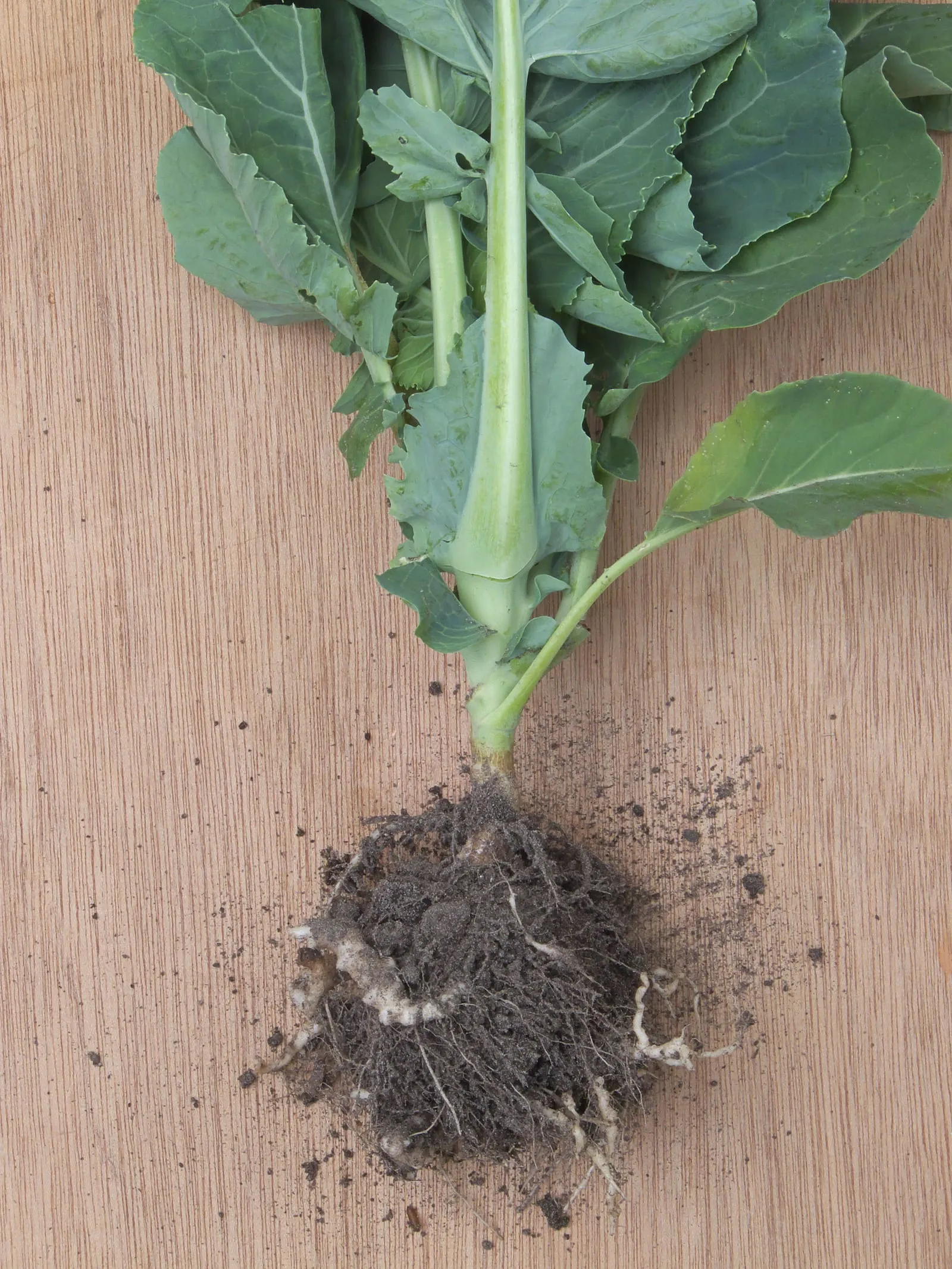
Disease pressure to watch for
Modified care for zone 7b
Clubroot is the primary disease concern for brassicas in zone 7b. The pathogen (Plasmodiophora brassicae) persists in soil for 15 to 20 years, making rotation the most reliable control: avoid planting turnips or any other brassica in the same bed more than once every three to four years. Raising soil pH to 7.2 or above with agricultural lime reduces clubroot severity, though it does not eliminate established infestations.
Flea beetle pressure runs heavier in spring than fall; row covers over newly seeded beds limit feeding damage on cotyledons and young leaves. Brown marmorated stink bug, a notable zone 7b pest, occasionally feeds on brassica tissue but is rarely a primary concern for turnips specifically. Late summer disease pressure from downy mildew can affect fall-planted beds; spacing rows at 12 to 15 inches and avoiding overhead irrigation in the evening reduces leaf wetness and slows spread.
Turnip in adjacent zones
Image: "Brassica rapa subsp. rapa", by E4024, via Wikimedia Commons, licensed under CC-BY Source.

Related