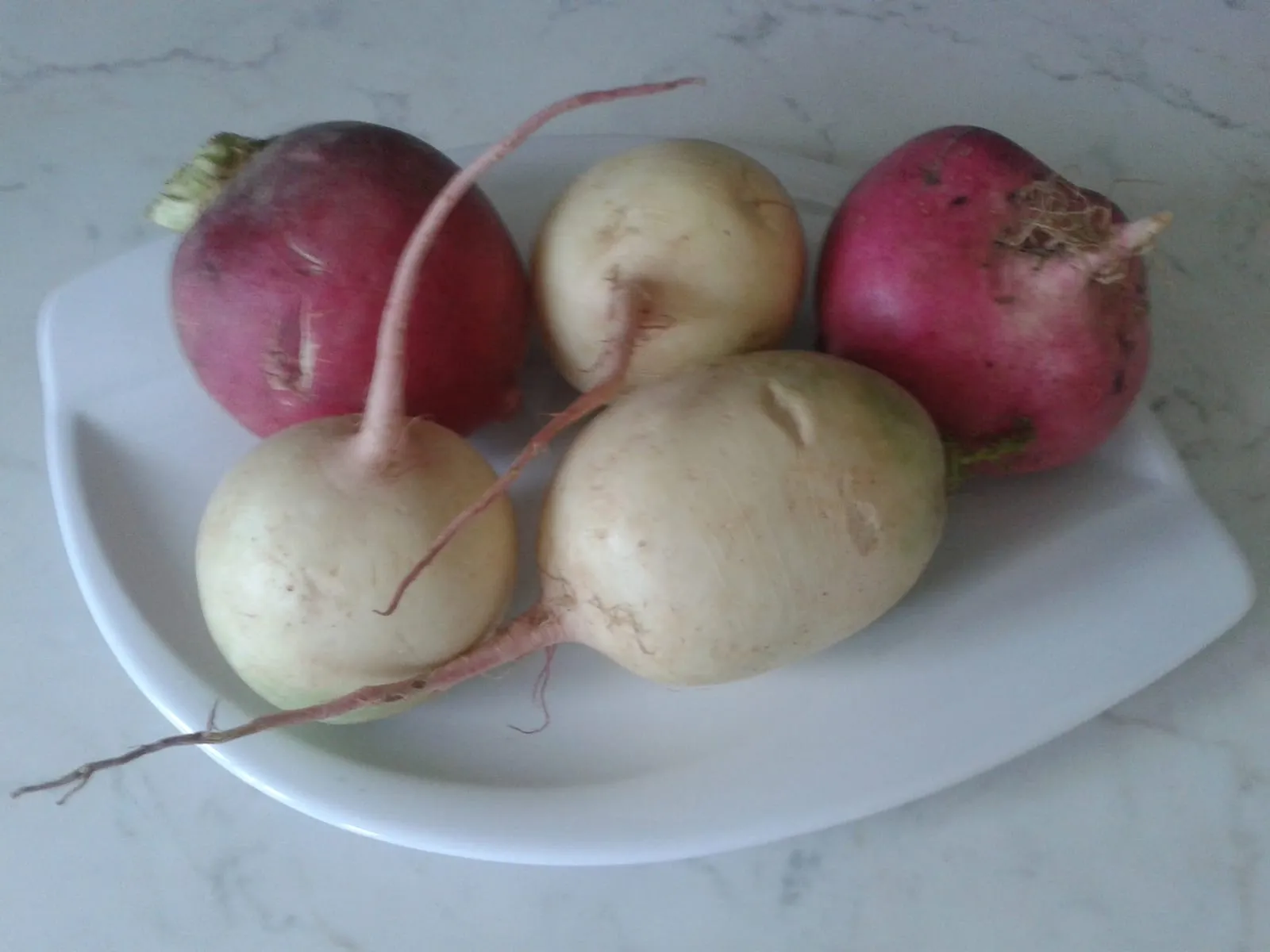
vegetable in zone 3b
Growing turnip in zone 3b
Brassica rapa subsp. rapa
- Zone
- 3b -35°F to -30°F
- Growing season
- 100 days
- Suitable varieties
- 2
- Days to harvest
- 40 to 60
The verdict
Turnip is a cool-season annual, not a perennial requiring chill hours, so the chill-hour framing that applies to fruit trees does not translate here. What matters instead is season length and temperature range, and zone 3b delivers both in favorable form. The 100-day growing season comfortably accommodates turnip's 38-to-60-day maturity window, with room for a spring planting and, depending on local frost timing, a partial fall planting as well.
Rather than being marginal for turnips, zone 3b is close to a sweet spot. Turnip roots develop better flavor and texture when temperatures stay below 75°F during the bulbing period, and zone 3b rarely threatens that threshold. Both Purple Top White Globe and Hakurei are reliably cold-tolerant at germination and can withstand light frost at harvest. The main constraint is the compressed window between last spring frost and first fall frost, which rewards attentive timing over variety selection.
Recommended varieties for zone 3b
2 cultivars suited to this zone, with disease-resistance and zone-fit annotations.
| Variety | Notes | Zone fit | Disease resistance |
|---|---|---|---|
| Purple Top White Globe fits zone 3b | Mild, slightly sweet, tender when small; classic purple-shouldered white root. Roasting, mashing, raw in salads when young. Heritage standard, holds quality if pulled before getting too large. | | none noted |
| Hakurei fits zone 3b | Sweet, juicy, almost fruit-like; small white salad turnip. Eaten raw out of hand, salads, lightly cooked. Japanese heritage, the gourmet farmers-market turnip, minimal pungency. | | none noted |
Critical timing for zone 3b
In zone 3b, soil is typically workable by late April to mid-May. Spring turnips should go in as soon as the ground can be prepared, since soil temperatures of 50°F or above support germination and the seedlings tolerate hard frosts. Hakurei, which reaches maturity in roughly 38 days, can be harvested before summer heat softens the roots. Purple Top White Globe at 55 to 60 days is a tighter fit in spring but still manageable.
Fall planting is calculated by counting backward from the expected first hard frost (zone 3b averages a killing frost in late August to mid-September depending on elevation and site). A fall crop of Purple Top seeded by mid-July has a reasonable chance of reaching harvest; Hakurei seeded into early August can succeed if the season runs long. Light frost actually improves turnip sweetness, so pulling at the first sign of frost is not necessary.
Common challenges in zone 3b
- ▸ Short season
- ▸ Winter desiccation
- ▸ Site selection critical for fruit trees
Disease pressure to watch for
Modified care for zone 3b
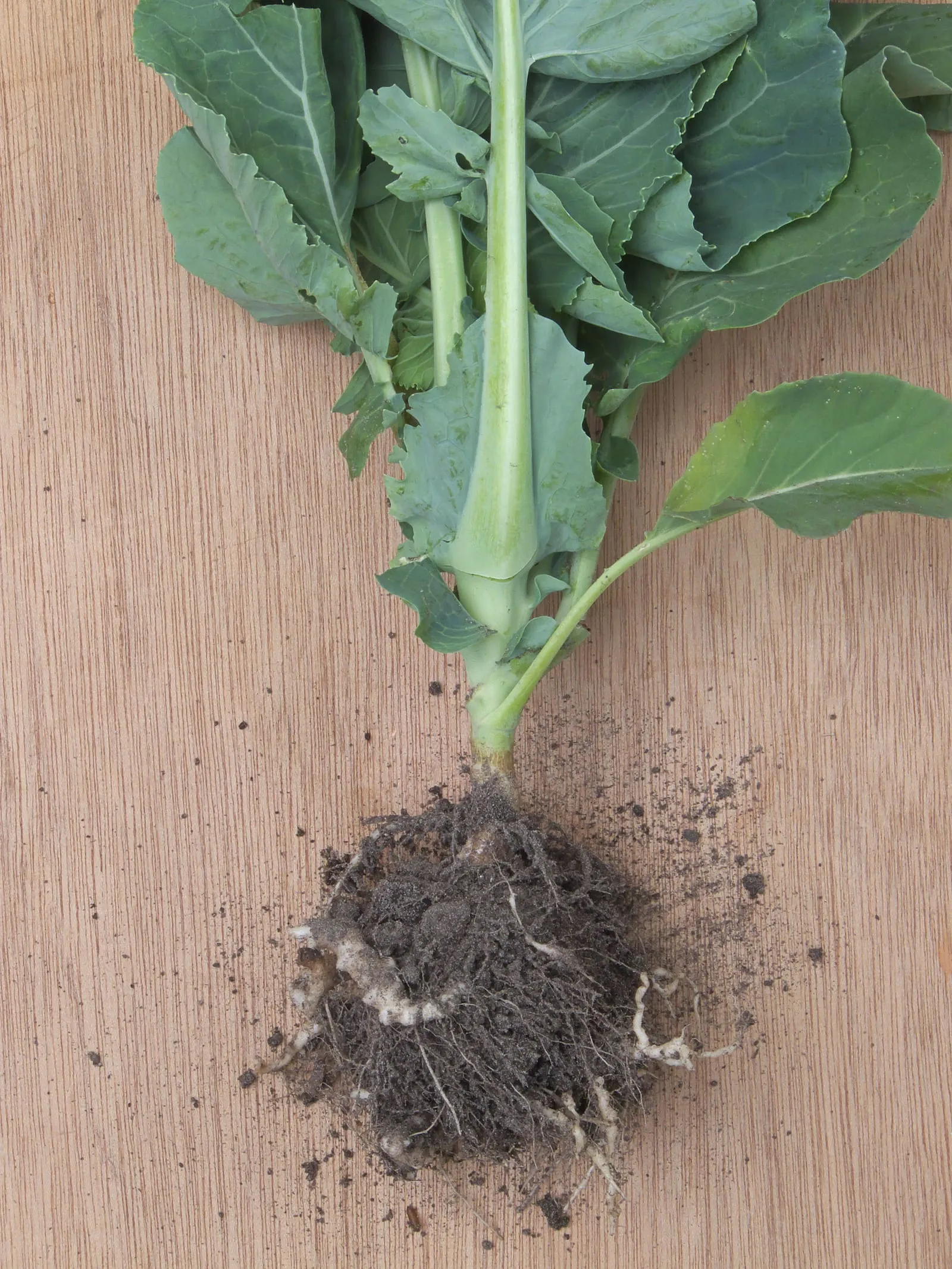
The primary disease concern in zone 3b for turnips is clubroot, a soilborne pathogen that stunts root development and can persist in soil for decades. Managing it requires crop rotation on a minimum four-to-six-year cycle away from all brassicas, and maintaining soil pH above 7.0 through lime application to suppress pathogen activity. Once clubroot is established in a bed, the options narrow considerably, so prevention is the practical strategy.
The short growing season demands that planting windows are treated as firm deadlines rather than approximate targets. A week's delay in spring seeding or fall seeding can shift a successful crop to a failed one. Soil preparation done in fall, before freeze-up, allows earlier spring direct sowing. There is no meaningful summer heat management required in zone 3b; the concern runs the other direction, toward protecting fall crops from an earlier-than-expected hard freeze rather than from excess warmth.
Turnip in adjacent zones
Image: "Brassica rapa subsp. rapa", by E4024, via Wikimedia Commons, licensed under CC-BY Source.

Related