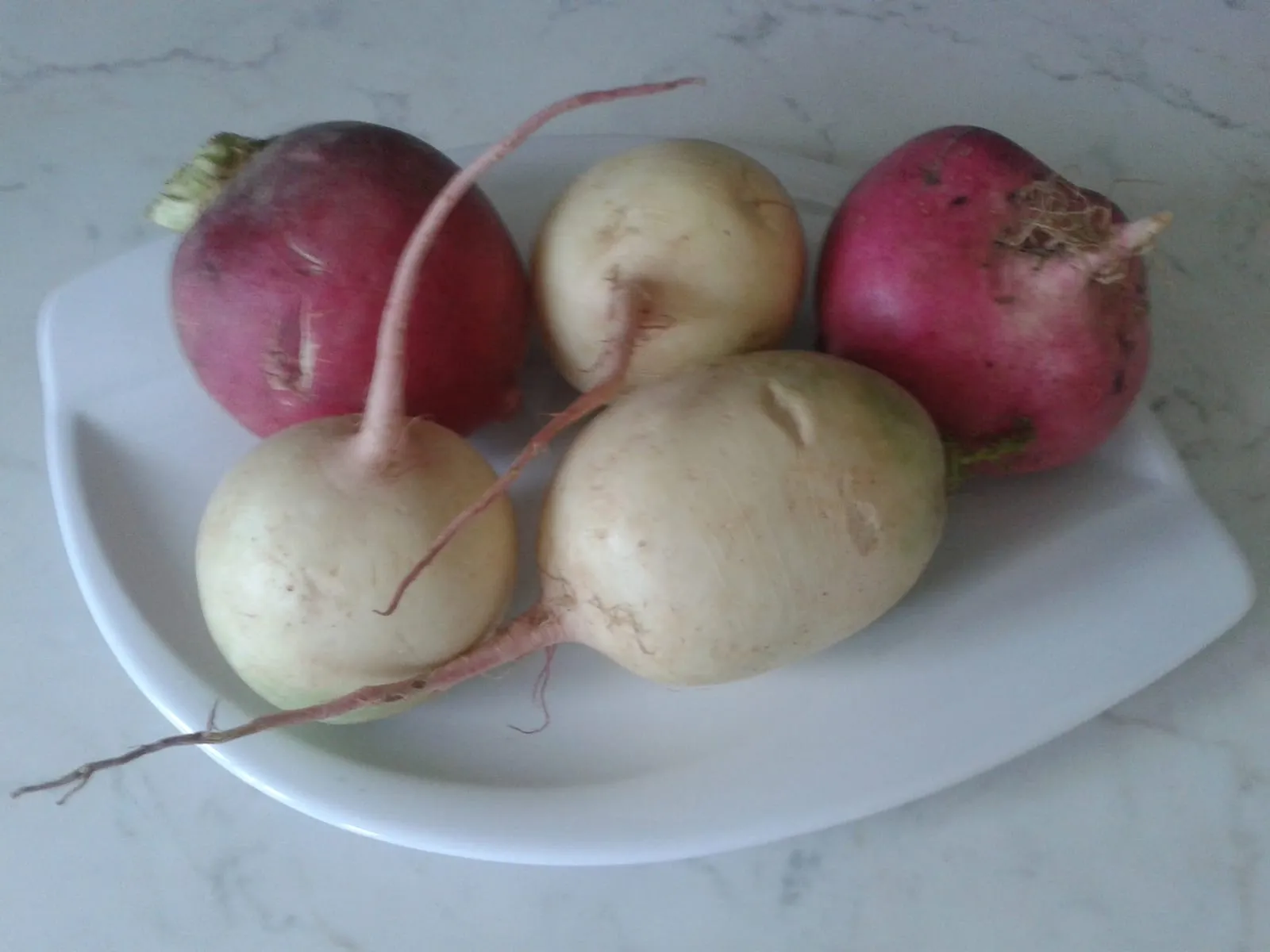
vegetable in zone 3a
Growing turnip in zone 3a
Brassica rapa subsp. rapa
- Zone
- 3a -40°F to -35°F
- Growing season
- 90 days
- Suitable varieties
- 0
- Days to harvest
- 40 to 60
The verdict
Turnip is among the better-suited crops for zone 3a. As a cool-season brassica that matures in 35 to 60 days depending on variety, it fits comfortably within the 90-day growing season typical of this zone. The cold-tolerant nature of turnips works to an advantage here: roots develop their best flavor after exposure to light frosts, and the short, cool summers prevent the bolting and bitterness that plague turnips in warmer regions.
This is not a marginal situation. Zone 3a winters are severe, with temperatures dropping to -40°F, but turnips are grown as a seasonal crop and harvested well before hard freeze. The primary constraint is timing rather than cold hardiness, and the compressed season actually suits a fast-maturing root vegetable better than it suits most other crops. Clubroot, a persistent soil-borne disease common in brassica rotations, is the more significant long-term management concern.
Critical timing for zone 3a
In zone 3a, the last spring frost typically falls in late May to early June, and the first fall frost arrives by late August or early September. Spring plantings can go in as soon as soil is workable, often mid to late May once hard-freeze risk has passed. Direct-seeded turnips can reach harvest in 35 to 50 days, meaning a late-May sowing yields roots by early July.
Fall is often the more productive window. Sowing in late July or early August produces roots that mature through the gradual cooling of August and September, with light frosts improving flavor concentration in the roots. Harvest before a sustained hard freeze, which damages roots left in ground without protection.
Common challenges in zone 3a
- ▸ Very short growing season
- ▸ Late spring frosts
- ▸ Limited fruit-tree options
- ▸ Heavy mulching required
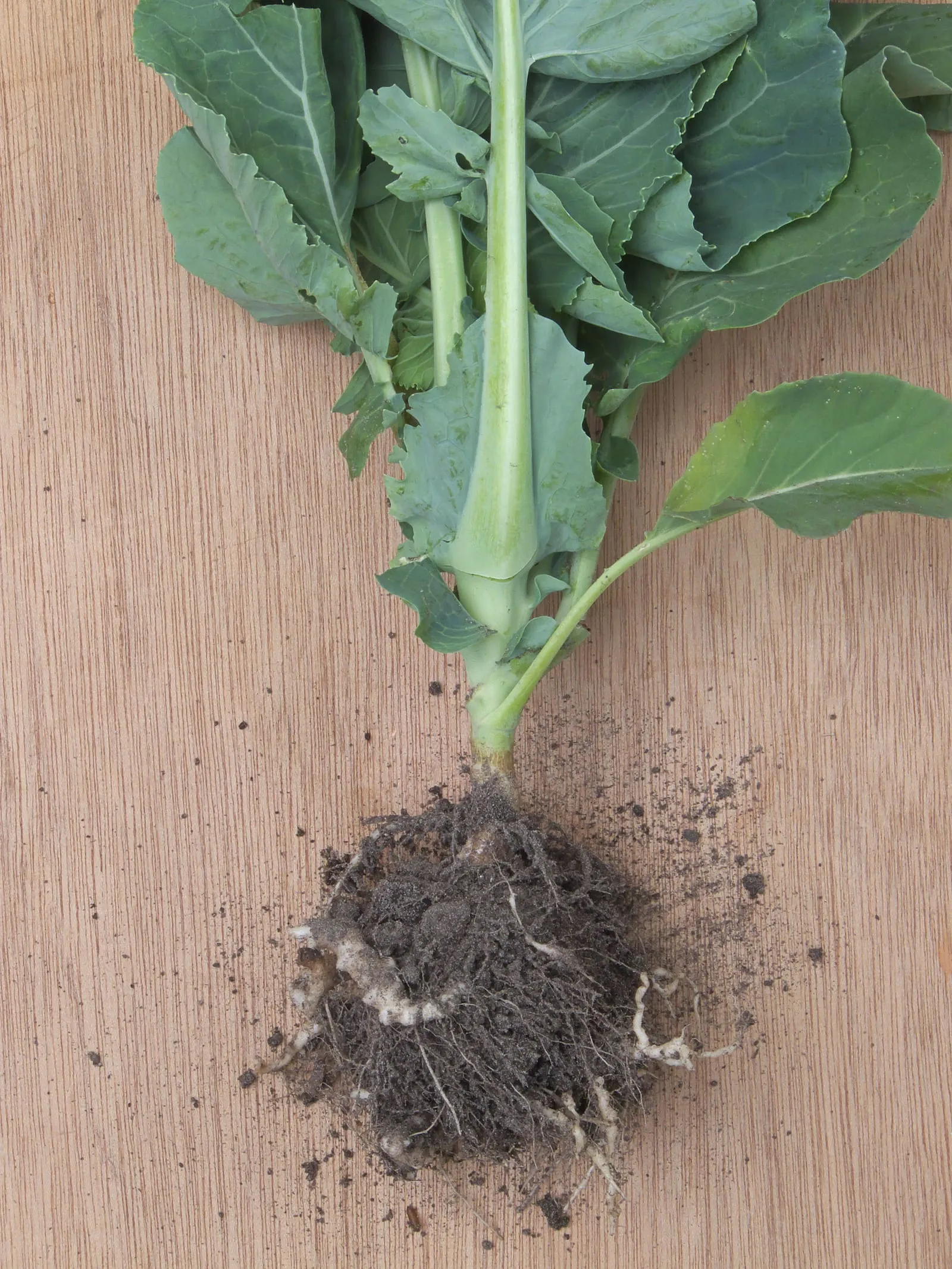
Disease pressure to watch for
Modified care for zone 3a
The 90-day growing season leaves little margin for setbacks, so timing precision matters more here than in longer-season zones. Row covers can extend the planting window by two to three weeks on either end of the season, a meaningful gain given how narrow the frost-free period is.
Clubroot management is the primary disease priority. This soil-borne pathogen persists for decades and thrives in acidic, wet soils. Raising soil pH to 7.0 to 7.2 with agricultural lime before planting suppresses clubroot significantly; soil pH testing before each brassica planting is worth the effort. A rotation of at least three to four years between brassica family crops helps prevent pathogen buildup over time.
Heavy mulching, already a zone 3a necessity for extending shoulder seasons, should be applied after soil temperatures rise in spring and again in fall to buffer rapid temperature swings that can stress young plants.
Frequently asked questions
- Is zone 3a too cold for growing turnips?
No. Turnips are cool-season crops that mature in 35 to 60 days, well within zone 3a's 90-day growing season. They tolerate light frost and actually develop better flavor after cold exposure. The short season is a scheduling constraint, not a dealbreaker.
- When should turnips be planted in zone 3a?
Spring plantings go in after hard-freeze risk passes, typically late May to early June in zone 3a. Fall plantings, which many growers prefer for flavor, are sown in late July or early August to allow 35 to 50 days of maturation before the first fall frost in late August or September.
- What is clubroot and how is it managed in zone 3a?
Clubroot is a soil-borne disease caused by the pathogen Plasmodiophora brassicae. It distorts brassica roots and can persist in soil for decades. The most effective suppression measures are raising soil pH to 7.0 to 7.2 with agricultural lime and maintaining at least a three to four year rotation between brassica family crops.
+−
+−
+−
Turnip in adjacent zones
Image: "Brassica rapa subsp. rapa", by E4024, via Wikimedia Commons, licensed under CC-BY Source.

Related