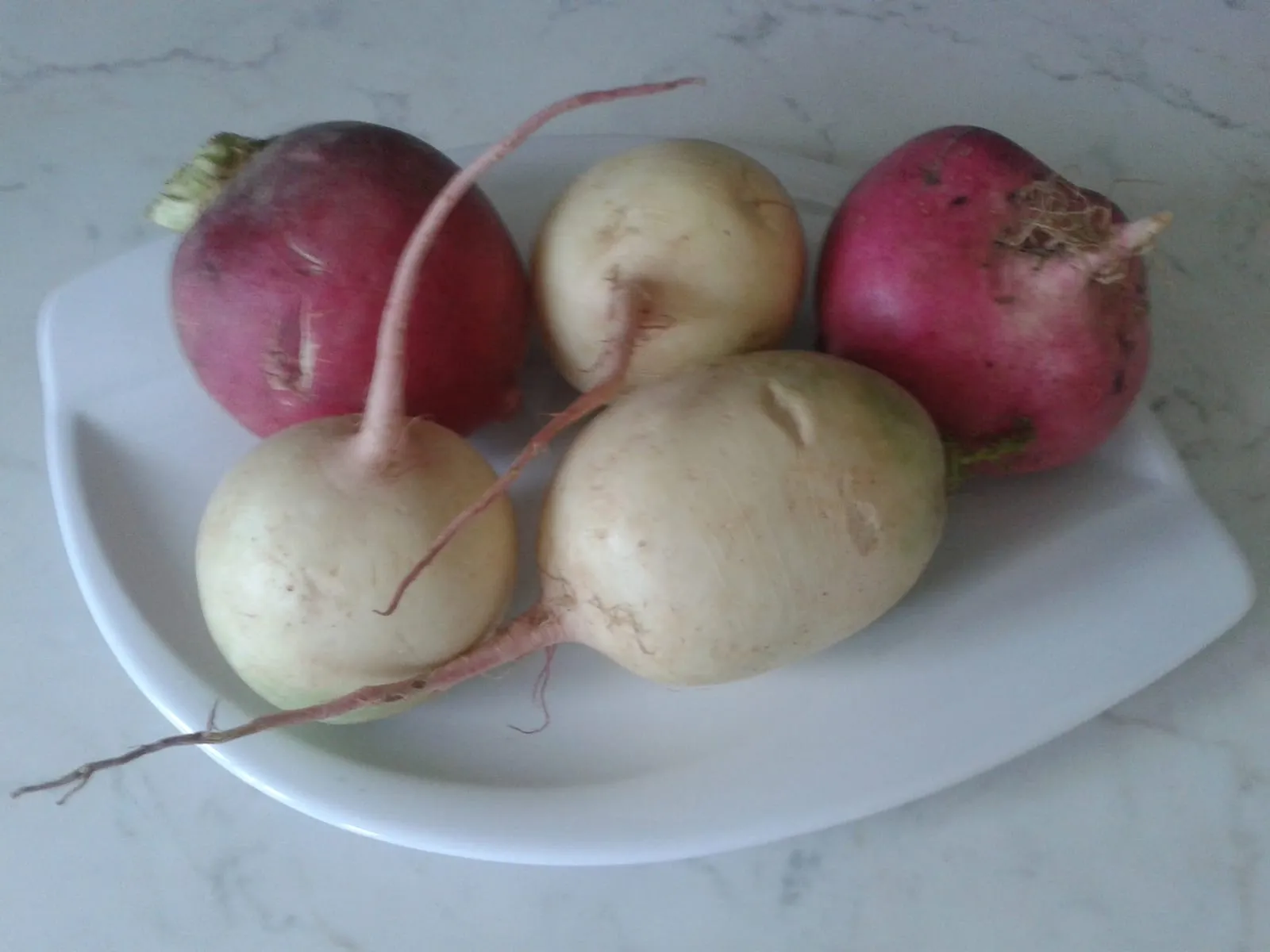
vegetable in zone 8b
Growing turnip in zone 8b
Brassica rapa subsp. rapa
- Zone
- 8b 15°F to 20°F
- Growing season
- 260 days
- Suitable varieties
- 1
- Days to harvest
- 40 to 60
The verdict
Turnips are a natural fit for zone 8b. Unlike fruiting crops constrained by chill-hour accumulation, turnips require only cool soil temperatures (ideally 50 to 65°F) to germinate and develop sweet, firm roots. Zone 8b's mild winters and 260-day growing season create two reliable windows: a long fall-into-winter run and a compressed spring window before heat arrives. Neither is marginal.
The real constraint in zone 8b is summer, not winter. Sustained temperatures above 80°F cause roots to become pithy and bitter and push plants to bolt prematurely. But zone 8b winters rarely drop hard enough to kill established turnip plants outright, and light frosts actually improve root sweetness by triggering starch-to-sugar conversion. For a cool-season root crop, this zone offers more usable growing days than most of the country.
Recommended varieties for zone 8b
1 cultivar suited to this zone, with disease-resistance and zone-fit annotations.
| Variety | Notes | Zone fit | Disease resistance |
|---|---|---|---|
| Seven Top fits zone 8b | Pungent, tender greens (root rarely eaten); the heritage Southern turnip-greens variety. Cooked greens, simmered with smoked meats, soups. Productive cut-and-come-again leaves. | | none noted |
Critical timing for zone 8b
The fall planting window is the primary season in zone 8b. Seed sown in late August through mid-September matures in 45 to 60 days, placing harvest in October and November when conditions are ideal. Plants sown in October can overwinter in the ground and be harvested through December and into January, since zone 8b rarely sustains temperatures cold enough to freeze roots in the soil.
The spring window is narrower. Direct sowing in February or early March targets harvest before late April, when temperatures begin climbing reliably into the 80s. Seven Top, listed here as a compatible variety, is grown primarily for its greens rather than its root, making it a useful succession crop through the cooler shoulder months when full root development may be cut short by warming weather.
Common challenges in zone 8b
- ▸ Low chill hours limit apple variety selection
- ▸ Citrus greening risk
- ▸ Nematodes in sandy soils
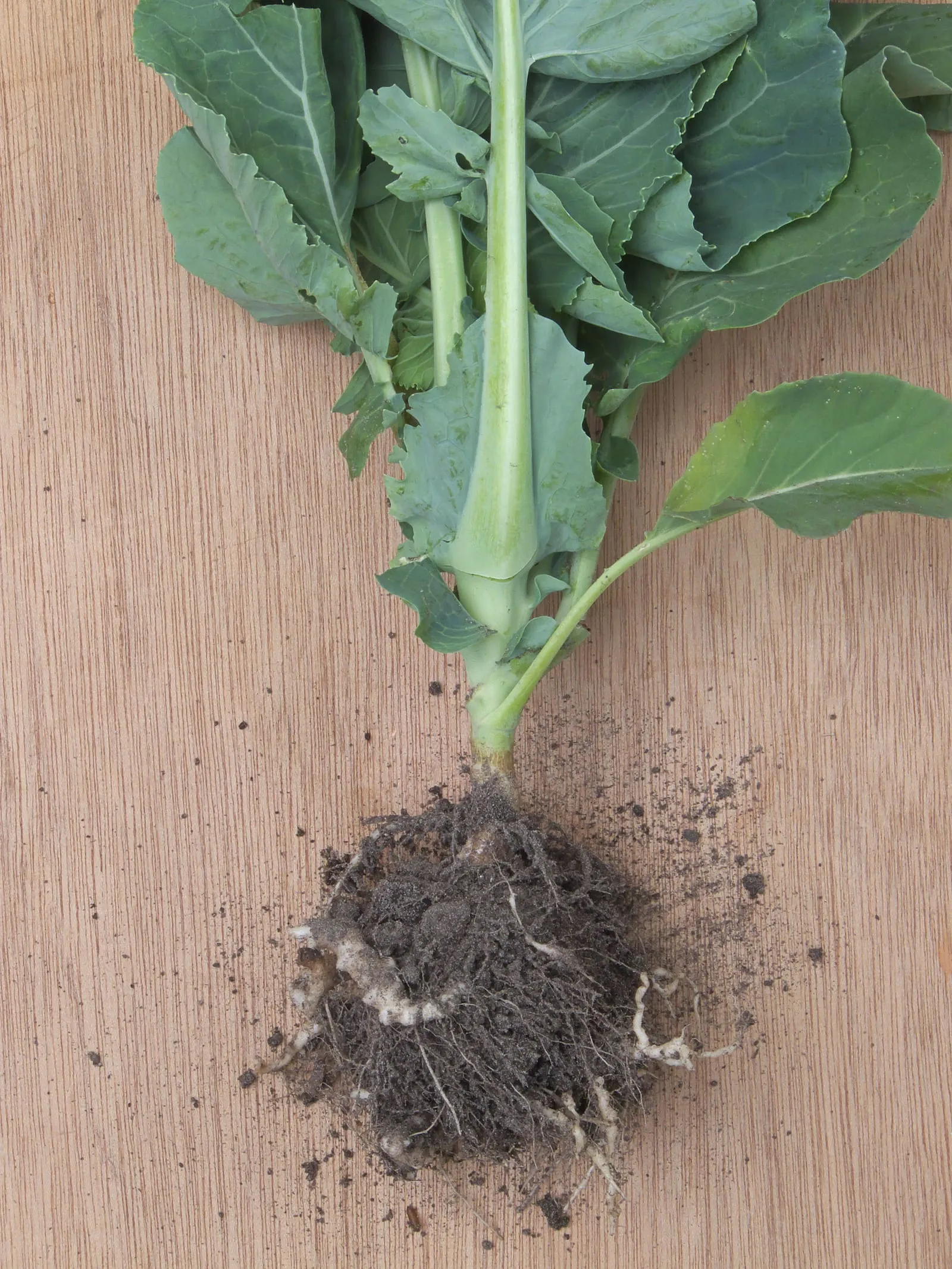
Disease pressure to watch for
Modified care for zone 8b
Nematodes in sandy soils are a real concern for root crops. Where soil nematode pressure is suspected, rotating away from brassicas and other root crops for at least two to three seasons reduces buildup. Cover cropping with a nematode-suppressive species such as a sunn hemp or marigold in the off-season is a documented management practice.
Clubroot, the primary disease risk listed, persists in soil for up to 20 years and thrives in acidic conditions. Liming to raise soil pH above 7.2 before planting significantly reduces infection rates, and raised beds with well-draining amended soil help in areas where the native soil is sandy and prone to waterlogging after rain. Summer fallow or a non-host cover crop during the June-through-August heat period serves double duty: it avoids the no-plant window and breaks the disease and pest cycle before the fall turnip planting.
Frequently asked questions
- Can you grow turnips year-round in zone 8b?
Not quite. Summer months (roughly June through August) are too hot for quality root development. Zone 8b supports two windows: a long fall-to-winter season starting in late August and a short spring season ending before late April. Outside those windows, heat causes pithy roots and premature bolting.
- Why does clubroot matter more in some zone 8b soils than others?
Clubroot thrives in acidic, moist soils. Sandy zone 8b soils with low organic matter can drop to pH levels that favor the pathogen. A soil test before planting, followed by lime application if pH is below 7.0, is the most reliable preventive step. Once established in a bed, the spores persist for years, so rotation is essential.
- Is Seven Top a good choice if you want turnip roots, not just greens?
Seven Top is bred primarily for leaf production; its roots are typically small and less palatable than varieties like Purple Top White Globe or Tokyo Cross. In zone 8b's compressed spring window especially, Seven Top's fast green production makes it more practical than waiting on root development that may not fully mature before heat arrives.
+−
+−
+−
Turnip in adjacent zones
Image: "Brassica rapa subsp. rapa", by E4024, via Wikimedia Commons, licensed under CC-BY Source.

Related