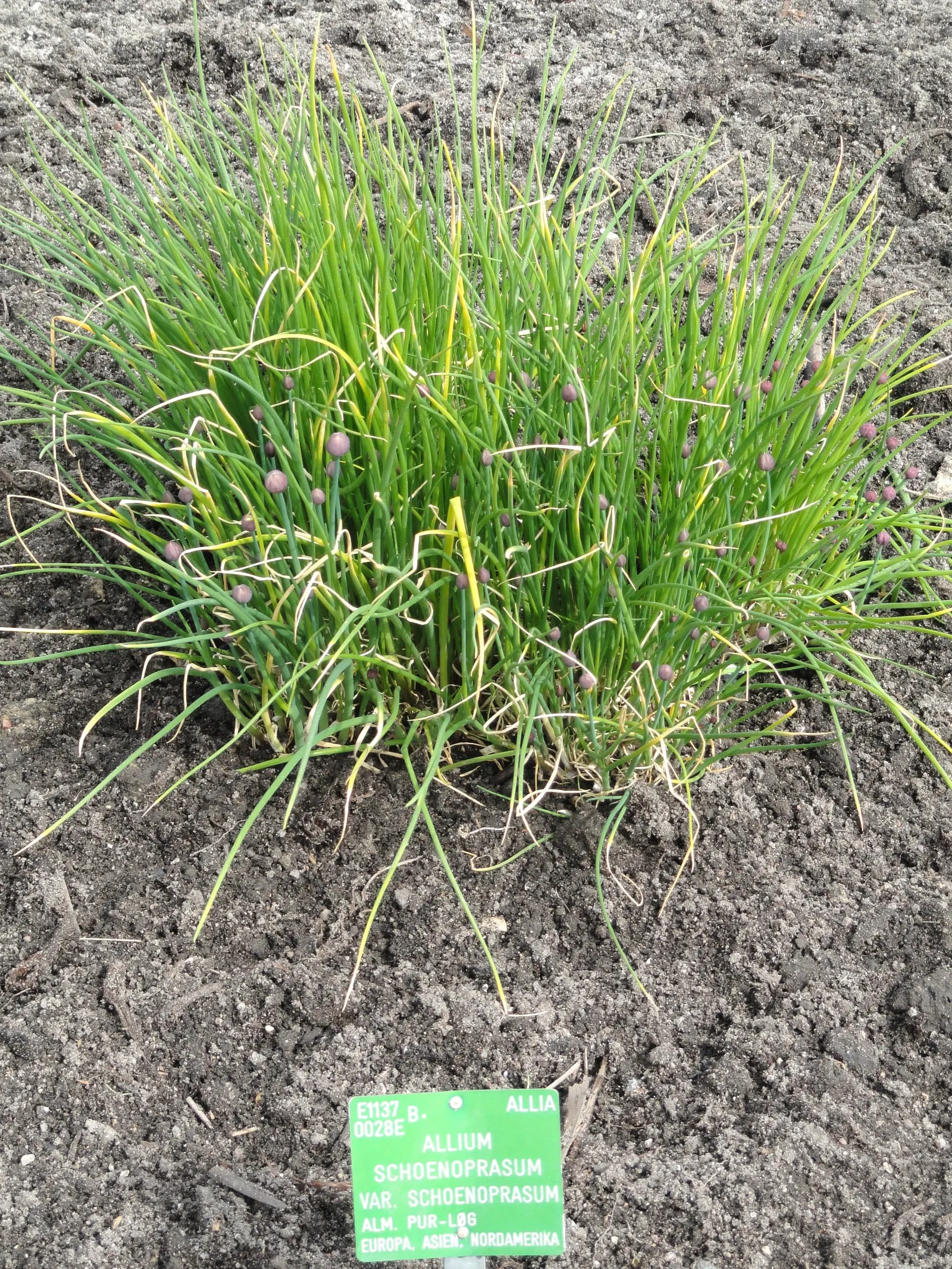
herb in zone 6a
Growing chives in zone 6a
Allium schoenoprasum
- Zone
- 6a -10°F to -5°F
- Growing season
- 180 days
- Suitable varieties
- 2
- Days to harvest
- 60 to 80
The verdict
Chives are reliably perennial in zone 6a. The minimum winter temperatures of -10°F to -5°F fall squarely within their cold hardiness range, which extends to zone 3 in most references. This is not a marginal zone; it is a natural fit. Both Common Chives (Allium schoenoprasum) and Garlic Chives (Allium tuberosum) establish readily and return each spring without supplemental protection in most years.
Unlike fruit crops that require calibrated chill-hour accumulation, chives have no specific chill-hour requirement. The cold dormancy period in zone 6a winters is natural and beneficial: the plants die back, the root clump goes dormant, and regrowth begins reliably once soil temperatures climb above roughly 40°F in late winter or early spring. The 180-day growing season gives growers a long, continuous harvest window from spring through hard fall frost.
Recommended varieties for zone 6a
2 cultivars suited to this zone, with disease-resistance and zone-fit annotations.
| Variety | Notes | Zone fit | Disease resistance |
|---|---|---|---|
| Common Chives fits zone 6a | Mild oniony flavor; thin tubular green leaves with edible purple flowers. Garnish, baked potatoes, omelettes, fresh on soups. The home-garden classic, divides indefinitely. | | none noted |
| Garlic Chives fits zone 6a | Mild garlic flavor; flat green leaves and white star-shaped late-summer flowers. Asian cooking, fresh in salads, dumplings. Spreads by seed if not deadheaded. | | none noted |
Critical timing for zone 6a
In zone 6a, chives typically break dormancy and send up new foliage in late March or early April, depending on how quickly soils warm after the last frost. Bloom for Common Chives follows in May through June, when the characteristic globe-shaped purple flower heads appear. Garlic Chives bloom considerably later, generally in August and September.
Last frost in most zone 6a locations falls between late April and early May. New chive growth tolerates light frosts, though a hard late freeze may temporarily set back the first flush. Harvest can begin once leaves reach 4 to 6 inches, often by mid-April in favorable years. Cutting flower stalks as they form extends the productive leaf harvest into fall. The first hard freeze, typically in October, signals the end of above-ground growth for the season.
Common challenges in zone 6a
- ▸ Brown rot in stone fruit
- ▸ Japanese beetles
- ▸ Spring frost damage to peach buds
Disease pressure to watch for
Modified care for zone 6a
Zone 6a growers do not need to treat chives as tender annuals or provide significant winter protection in most years. A light mulch layer applied after the ground freezes can reduce frost heave on newly divided clumps, but established plants in well-drained soil overwinter without it.
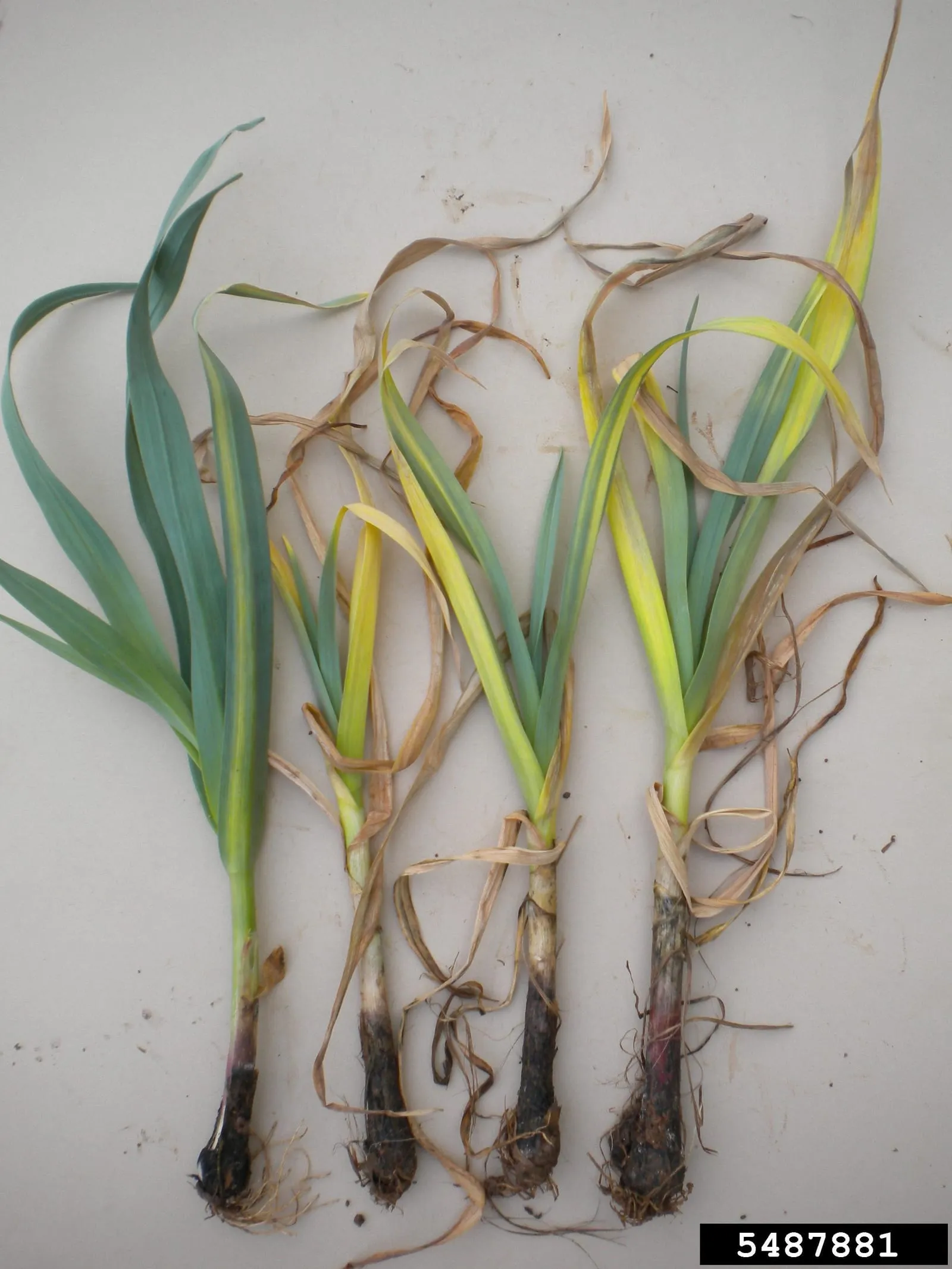
The primary disease concern is Onion White Rot (Stromatinia cepivora), a soil-borne fungus that persists in affected ground for decades. Yellowing foliage and white mycelial growth at the plant base are the identifying signs. Rotating alliums out of affected beds and keeping irrigation off foliage are the practical management steps; no effective home-garden chemical controls exist once the pathogen is established.
Japanese beetles, a documented pest presence in zone 6a, occasionally feed on chive foliage but rarely cause meaningful damage. Hand removal is sufficient. The brown rot and spring peach bud pressure noted in this zone's challenge profile do not affect chives.
Chives in adjacent zones
Image: "Allium schoenoprasum subsp. schoenoprasum - Copenhagen Botanical Garden - DSC07940", by Daderot, via Wikimedia Commons, licensed under CC0 Source.

Related