herb in zone 6b
Growing chives in zone 6b
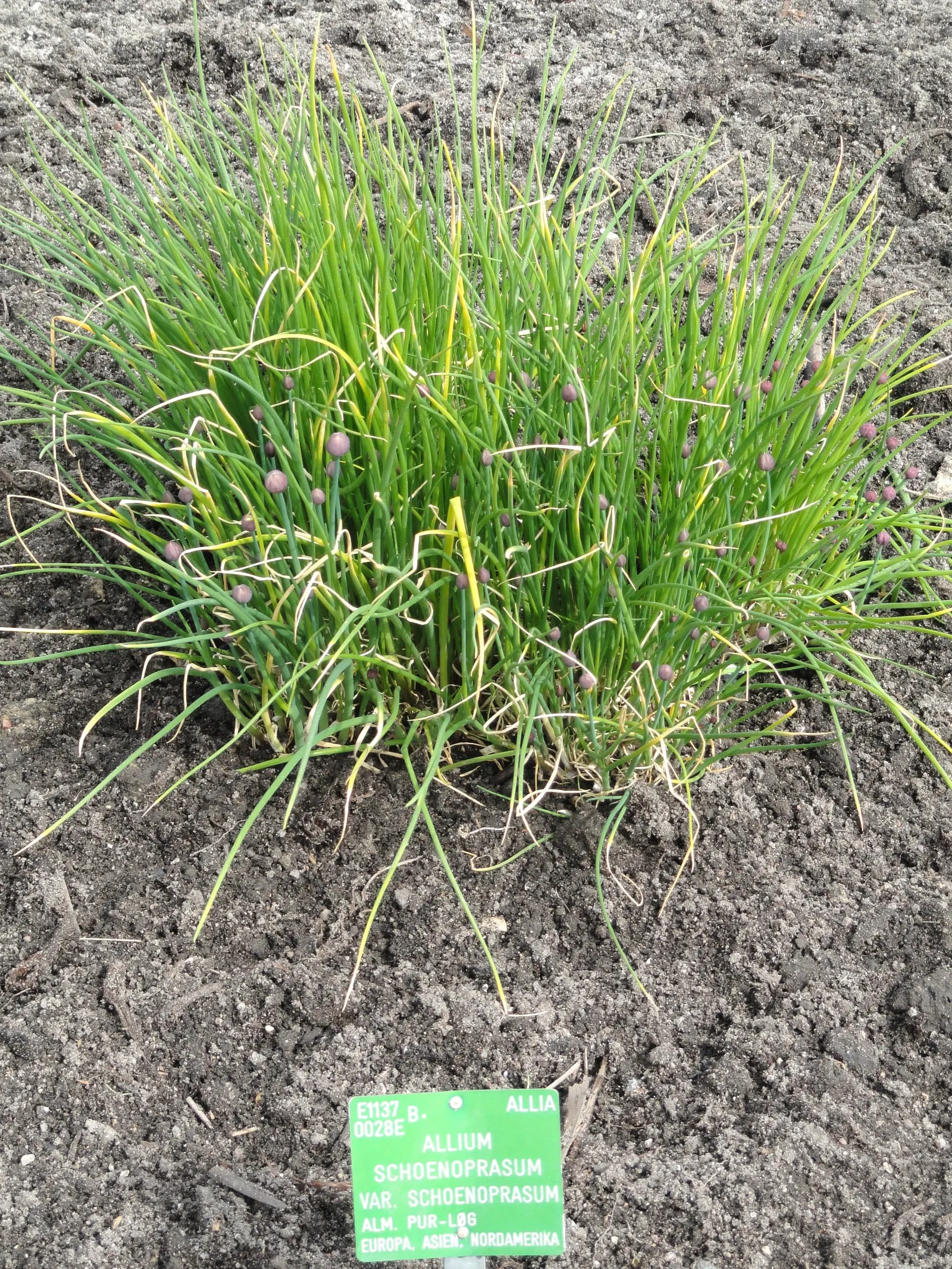
Allium schoenoprasum
- Zone
- 6b -5°F to 0°F
- Growing season
- 190 days
- Suitable varieties
- 2
- Days to harvest
- 60 to 80
The verdict
Zone 6b is a solid fit for chives. Both Common Chives (Allium schoenoprasum) and Garlic Chives (Allium tuberosum) are cold-hardy perennials rated down to zones 3 and 4 respectively, so the winter minimum of -5 to 0°F presents no meaningful survival risk. Unlike fruit crops, chives carry no chill-hour requirement; they simply go dormant when temperatures drop and re-emerge reliably each spring.
With a 190-day growing season, zone 6b growers can expect multiple harvests from late spring through fall. This is not a marginal zone for chives. If anything, the cold winters serve the crop well by suppressing some foliar pest pressure and giving the clumps a hard reset. The main long-term concern is soil health: Onion White Rot, a persistent fungal pathogen, builds up in sites where alliums are grown repeatedly, and zone 6b's dense clay soils common in the Mid-Atlantic and Midwest can favor its spread.
Recommended varieties for zone 6b
2 cultivars suited to this zone, with disease-resistance and zone-fit annotations.
| Variety | Notes | Zone fit | Disease resistance |
|---|---|---|---|
| Common Chives fits zone 6b | Mild oniony flavor; thin tubular green leaves with edible purple flowers. Garnish, baked potatoes, omelettes, fresh on soups. The home-garden classic, divides indefinitely. | | none noted |
| Garlic Chives fits zone 6b | Mild garlic flavor; flat green leaves and white star-shaped late-summer flowers. Asian cooking, fresh in salads, dumplings. Spreads by seed if not deadheaded. | | none noted |
Critical timing for zone 6b
In zone 6b, chive foliage emerges in March to early April, often before the last frost date (typically mid-April across much of the zone). Early growth can tolerate light frosts without damage. Flower stalks on Common Chives appear in May and into early June; Garlic Chives bloom later, in August through September, which extends ornamental and pollinator value well into the season.
First harvest is possible once foliage reaches 6 inches, usually by mid-April to early May. Subsequent cuts can follow every three to four weeks through October. The first hard frost of fall (typically mid-October to early November in zone 6b) ends active growth, and the plant dies back to the soil surface until the following spring.
Common challenges in zone 6b
- ▸ Cedar-apple rust
- ▸ Fire blight
- ▸ Stink bugs
Disease pressure to watch for
Modified care for zone 6b
Little specialized care is required for chives in zone 6b beyond standard perennial maintenance. No winter mulching is needed for cold protection, though a light layer of straw over established clumps can reduce frost heave in sites with sandy or loose soils.
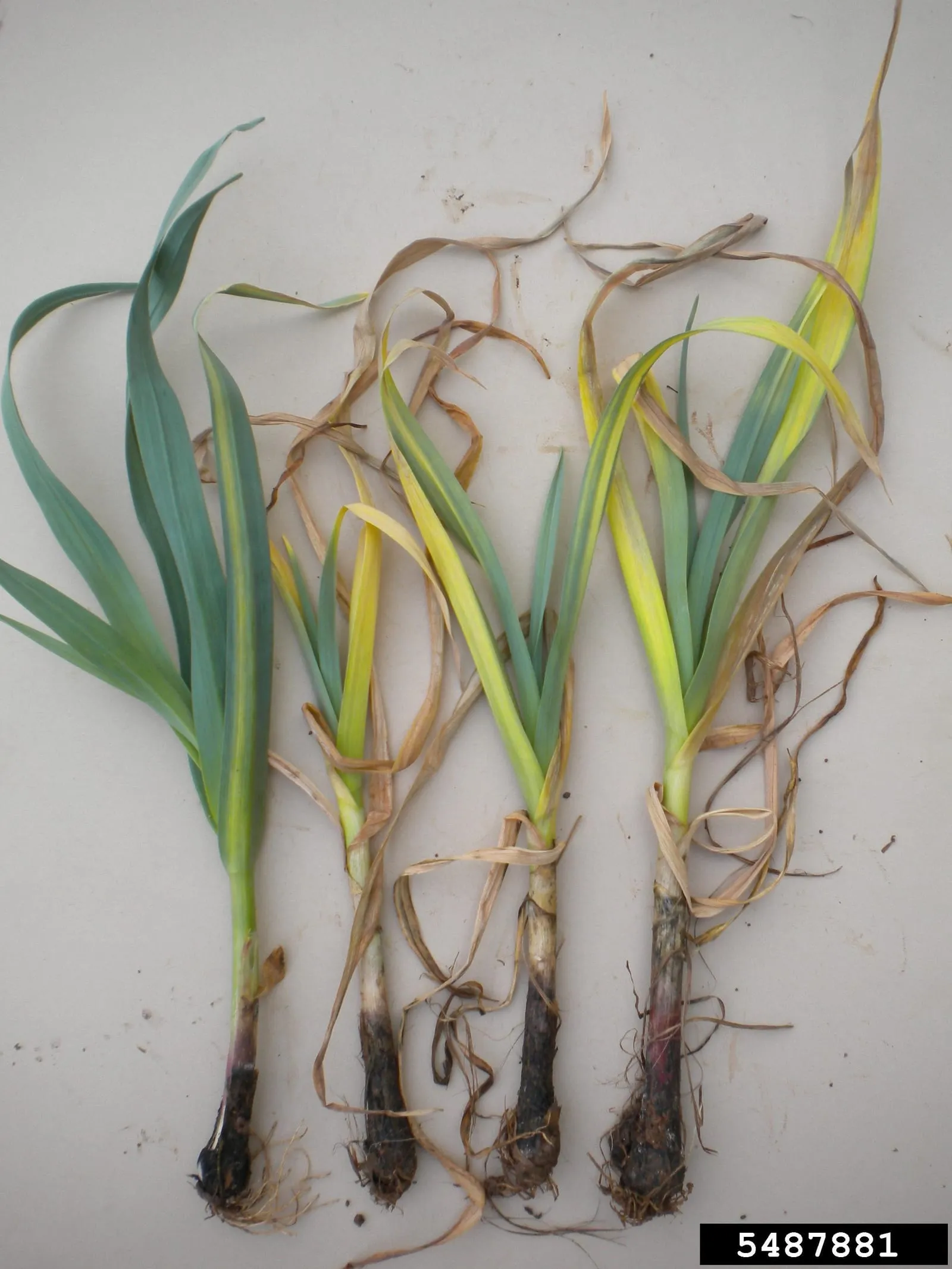
Onion White Rot (Sclerotium cepivorum) is the disease most worth monitoring. The pathogen produces sclerotia that persist in soil for 20 or more years, so prevention matters more than treatment. Avoid planting chives in beds with a history of allium disease, rotate planting sites when possible, and do not compost infected material. Stink bugs, listed as a zone challenge, can pierce chive foliage but rarely cause serious damage; no targeted management is typically warranted. The cedar-apple rust and fire blight pressure common in zone 6b orchard settings is irrelevant to chives.
Frequently asked questions
- Do chives die back completely in zone 6b winters?
Yes. Foliage dies back to the ground after the first hard frost, typically in October or November. The roots and crown survive zone 6b's winter minimums without protection and re-emerge each spring, usually in March to early April.
- Can chives be harvested the first year after planting?
Light harvests are fine in the first year once plants are established and foliage reaches 6 inches. Avoid cutting more than one-third of the plant at a time in year one to allow the clump to build root mass before winter.
- What is the difference between Common Chives and Garlic Chives in zone 6b?
Both are reliably perennial in zone 6b. Common Chives bloom in May to June with purple flowers and have a mild onion flavor. Garlic Chives bloom in August to September with white flowers, have flat leaves, and carry a mild garlic note. Garlic Chives can self-seed aggressively if flower heads are not removed.
- How do I prevent Onion White Rot in a chive bed?
Site selection is the main tool. Avoid ground with a history of allium crops showing white, cottony rot at the base. Once Sclerotium cepivorum sclerotia are in the soil, they persist for decades. Crop rotation and removing infected plants before they sporulate are the practical management options.
+−
+−
+−
+−
Chives in adjacent zones
Image: "Allium schoenoprasum subsp. schoenoprasum - Copenhagen Botanical Garden - DSC07940", by Daderot, via Wikimedia Commons, licensed under CC0 Source.

Related