herb
Chives
Allium schoenoprasum
USDA hardiness range
- Zones
- 3a–8b
- Days to harvest
- 60 to 80
- Sun
- Full
- Water
- Moderate
- Lifespan
- perennial
Growing chives
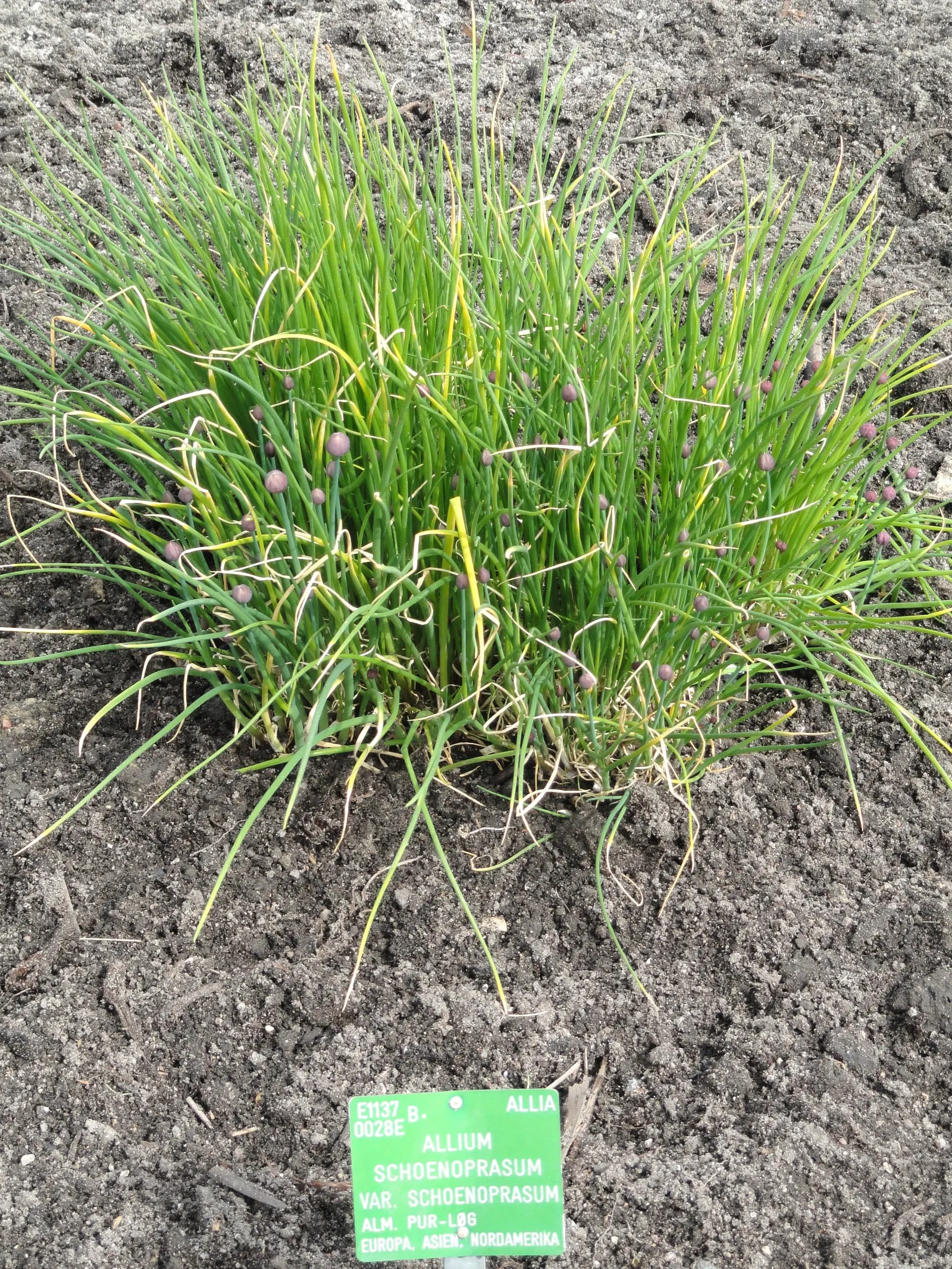
Chives (Allium schoenoprasum) are among the most reliably perennial herbs available to home growers, thriving from USDA zone 3a through 8b without winter protection in most settings. That cold-hardiness is the defining advantage: a single established planting persists indefinitely, returning each spring and producing harvestable leaves within 60 to 80 days from seed in the first year, then far sooner in subsequent seasons as clumps break dormancy ahead of most other crops.
The plant performs best where summers are warm but not relentlessly hot. In zone 8b, summer heat can trigger premature dormancy and leaf dieback that reduces total yield; where daytime temperatures stay below the high-90s through most of July and August, chives remain productive through the full season. Zones 3 through 8 are genuinely productive territory across the full growing season.
Two types dominate home planting: common chives, with thin tubular leaves and a mild onion note, and garlic chives, with flat leaves, white late-summer flowers, and a distinct garlic character. Both are perennial across the stated zone range. Garlic chives self-seed aggressively if flowers are allowed to set seed, which requires a management decision at bloom time.
The factor that most consistently separates productive chives plantings from failing ones is drainage. Consistent moisture is necessary, but saturated roots invite onion white rot, which can eliminate an entire planting. Full sun and sharp drainage are non-negotiable site criteria.
Recommended varieties
See all 2 →2 cultivars for home growers, with notes on flavor, ripening, and disease resistance.
| Variety | Notes | Zone fit | Disease resistance |
|---|---|---|---|
| Common Chives | Mild oniony flavor; thin tubular green leaves with edible purple flowers. Garnish, baked potatoes, omelettes, fresh on soups. The home-garden classic, divides indefinitely. | | none noted |
| Garlic Chives | Mild garlic flavor; flat green leaves and white star-shaped late-summer flowers. Asian cooking, fresh in salads, dumplings. Spreads by seed if not deadheaded. | | none noted |
Soil and site requirements
Chives perform best in well-drained, moderately fertile soil with a pH between 6.0 and 7.0. They tolerate a range of soil textures, but heavy clay that stays saturated after rain is a meaningful risk factor for onion white rot. Working compost into the top 8 to 10 inches before planting improves both drainage and nutrient availability without overfeeding; excessive nitrogen produces lush but disease-prone foliage.
Full sun (6 or more hours of direct light daily) produces the densest, most flavorful leaves. In zones 7 and 8, light afternoon shade can extend productive growth through heat events, but sites receiving fewer than 4 hours of direct sun produce noticeably thinner and slower growth.
Space transplants or divided clumps 6 to 12 inches apart. Chives spread by clump expansion and, in the case of garlic chives, by seed; planting within a defined bed edge or raised container simplifies long-term management. A 6- to 8-inch container supports a productive clump and can be moved indoors during zone 3 and 4 winters to extend the harvest window.
Avoid low spots where cold air pools and moisture lingers overnight. Frost pockets can damage emerging foliage in early spring when temperatures swing sharply, and persistent leaf wetness promotes fungal pressure. South- or east-facing beds with good air circulation outperform sheltered corners in most settings.
Common diseases
Common pests
Common challenges
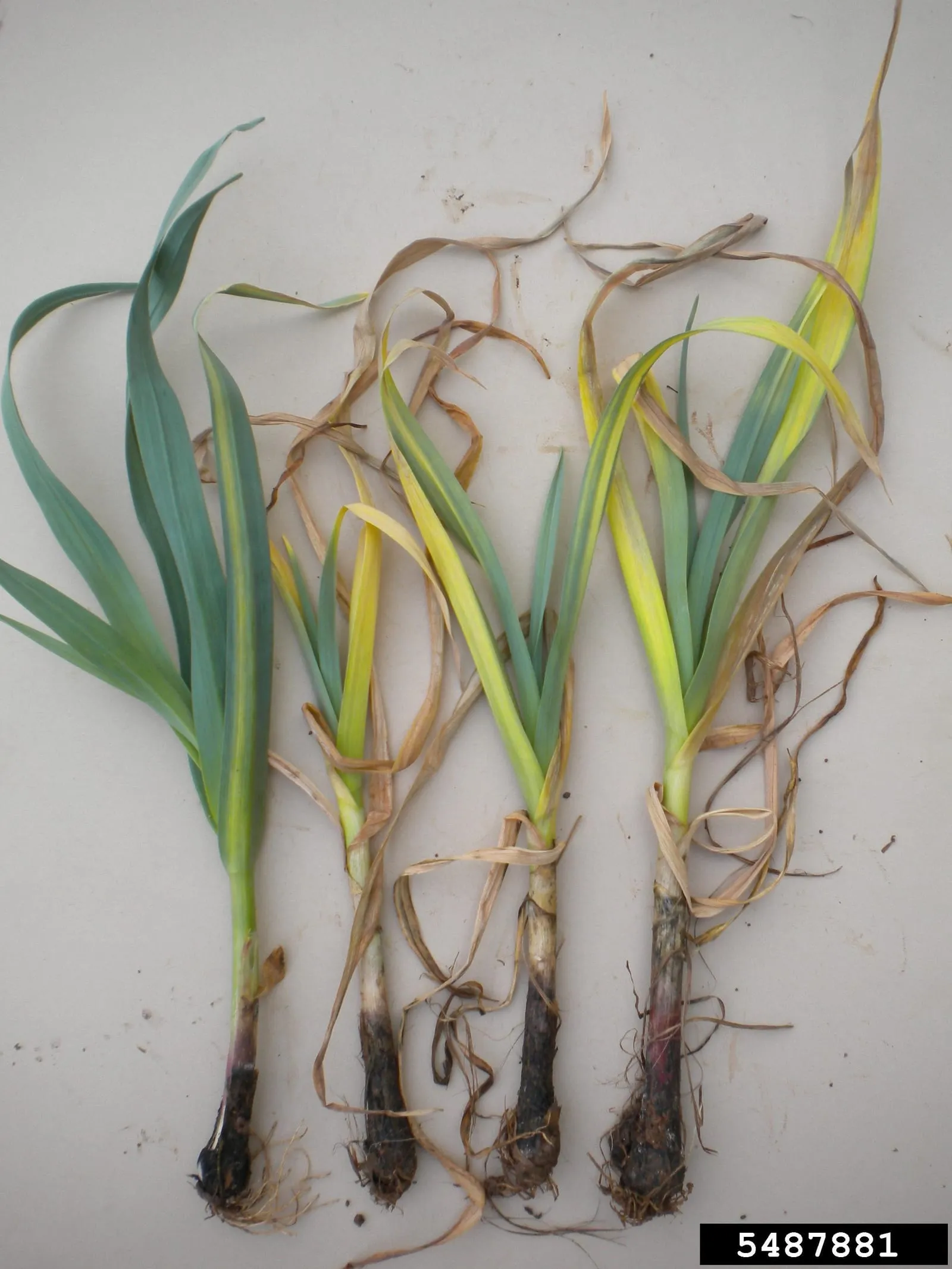
The most serious threat to established chives plantings is onion white rot (Sclerotium cepivorum), a soilborne fungal pathogen that attacks roots and the bulb base. Infected plants show yellowing leaves and a white cottony mold at the crown; the pathogen's sclerotia persist in soil for 20 years or more, making prevention far more practical than remediation. Avoiding contaminated transplants or soil introductions is the primary control measure. Rotate alliums out of affected beds and do not compost infected material. Cornell Chives Production covers allium disease management in additional detail.
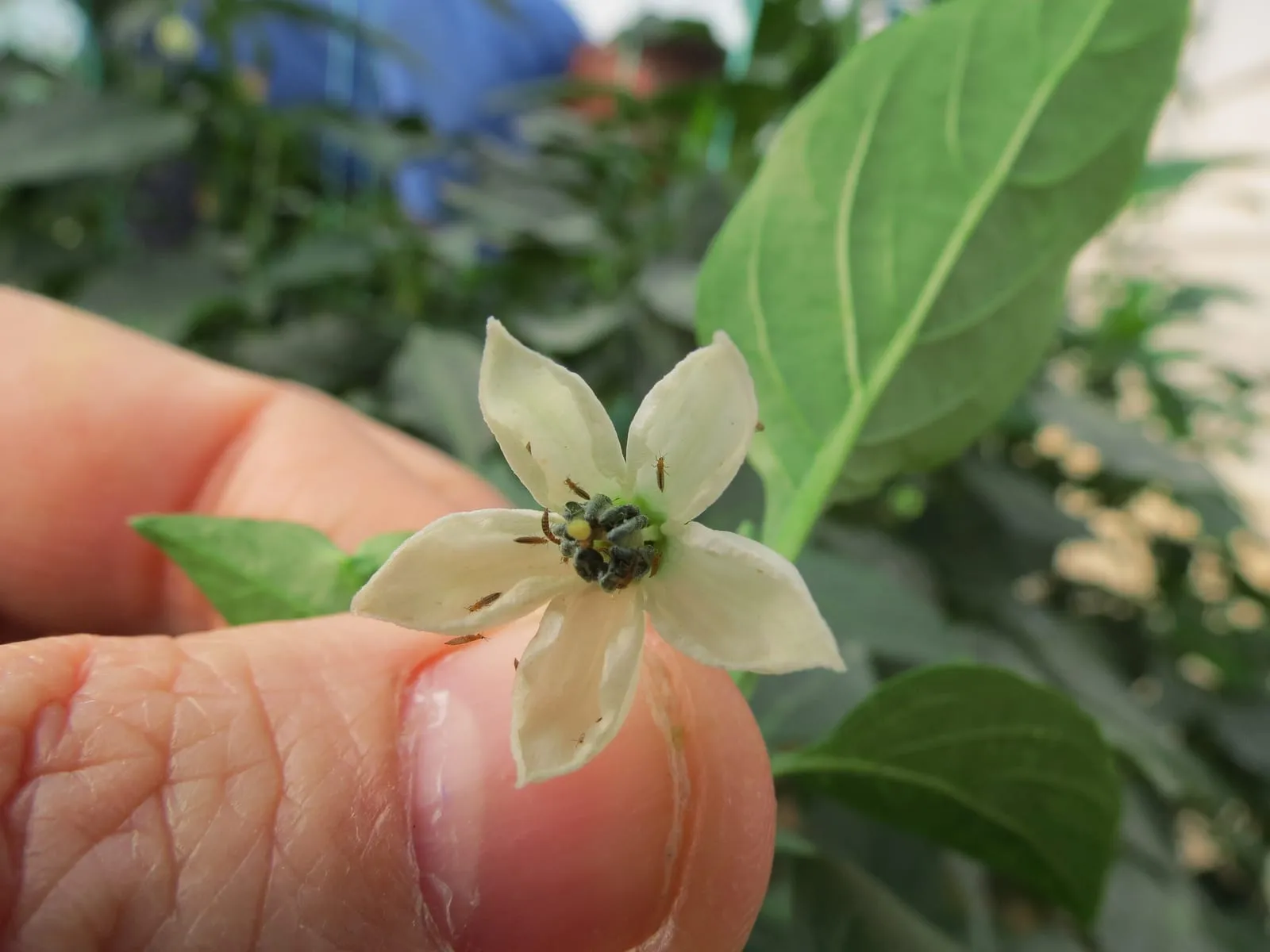
Onion thrips are a secondary concern, particularly during hot, dry periods when populations build quickly. Thrips rasp leaf tissue, leaving silver-streaked foliage and reducing both yield and visual quality. Consistent soil moisture reduces plant stress and thrip attractiveness; strong water jets can knock back populations on small plantings before infestations escalate.
The third common failure is neglecting division. Chives naturally form dense clumps, and crowded plants compete for resources, producing progressively thinner and less flavorful leaves. Dividing clumps every two to three years, in early spring or fall, resets vigor. Crowded garlic chives also flower more readily, accelerating unwanted self-seeding throughout the bed. Growers who treat chives as entirely self-sufficient typically see meaningful yield decline by year three or four without periodic intervention.
Frequently asked questions
- Do chives have chill-hour requirements like fruit trees?
No. Chives are herbaceous perennials that go dormant in cold winters but do not require a specific number of chill hours to flower or produce leaves. They resume growth naturally in spring once temperatures climb above freezing consistently. Zone hardiness (3a through 8b) reflects cold tolerance, not a dormancy threshold that must be met.
- How many days does it take for chives to reach harvest?
From seed, chives typically reach first harvest in 60 to 80 days. In subsequent years, established clumps break dormancy and produce harvestable leaves weeks earlier than new seedlings. Begin harvesting when leaves reach 6 inches or taller, cutting to about 2 inches above the soil to encourage regrowth.
- What USDA zones are chives hardy in?
Chives (Allium schoenoprasum) are reliably perennial from zone 3a through 8b. In zones 3 and 4, plants die back fully in winter and return from the root crown each spring. In zones 9 and warmer, summer heat typically causes dormancy and productivity declines; chives are better treated as cool-season annuals in those climates.
- Do chives need pollinators to produce a crop?
Chives are grown for their leaves, not fruit or seed, so pollination is not required for the primary harvest. The flowers are self-fertile and attract bees and other beneficial insects, which is a secondary value. For garlic chives specifically, limiting pollination by deadheading before seeds form controls unwanted spread throughout the garden.
- What is the most common disease affecting chives?
Onion white rot (Sclerotium cepivorum) is the most serious disease risk. The soilborne fungus attacks roots and the base of the plant, causing rapid yellowing and collapse. Its sclerotia survive in soil for 20 years or more, making prevention through clean transplants and allium rotation the only practical management strategy. There is no effective soil treatment once it is established.
- What is the difference between common chives and garlic chives?
Common chives have thin, hollow, tubular leaves with a mild onion flavor and produce purple flowers in spring. Garlic chives have flat, solid leaves with a mild garlic flavor and white star-shaped flowers in late summer. Both are edible perennials, but garlic chives spread aggressively by seed if flowers are not removed before they mature.
- How often should established chives be divided?
Every two to three years is the typical interval. Dense, crowded clumps produce thinner leaves and lower yields as plants compete for nutrients and moisture. Divide in early spring as growth resumes, or in early fall at least six weeks before the first frost. Each division replanted at the original spacing quickly reestablishes and resumes full production.
+−
+−
+−
+−
+−
+−
+−
Sources
Image: "Allium schoenoprasum subsp. schoenoprasum - Copenhagen Botanical Garden - DSC07940", by Daderot, via Wikimedia Commons, licensed under CC0. Source.

Chives by zone
Related