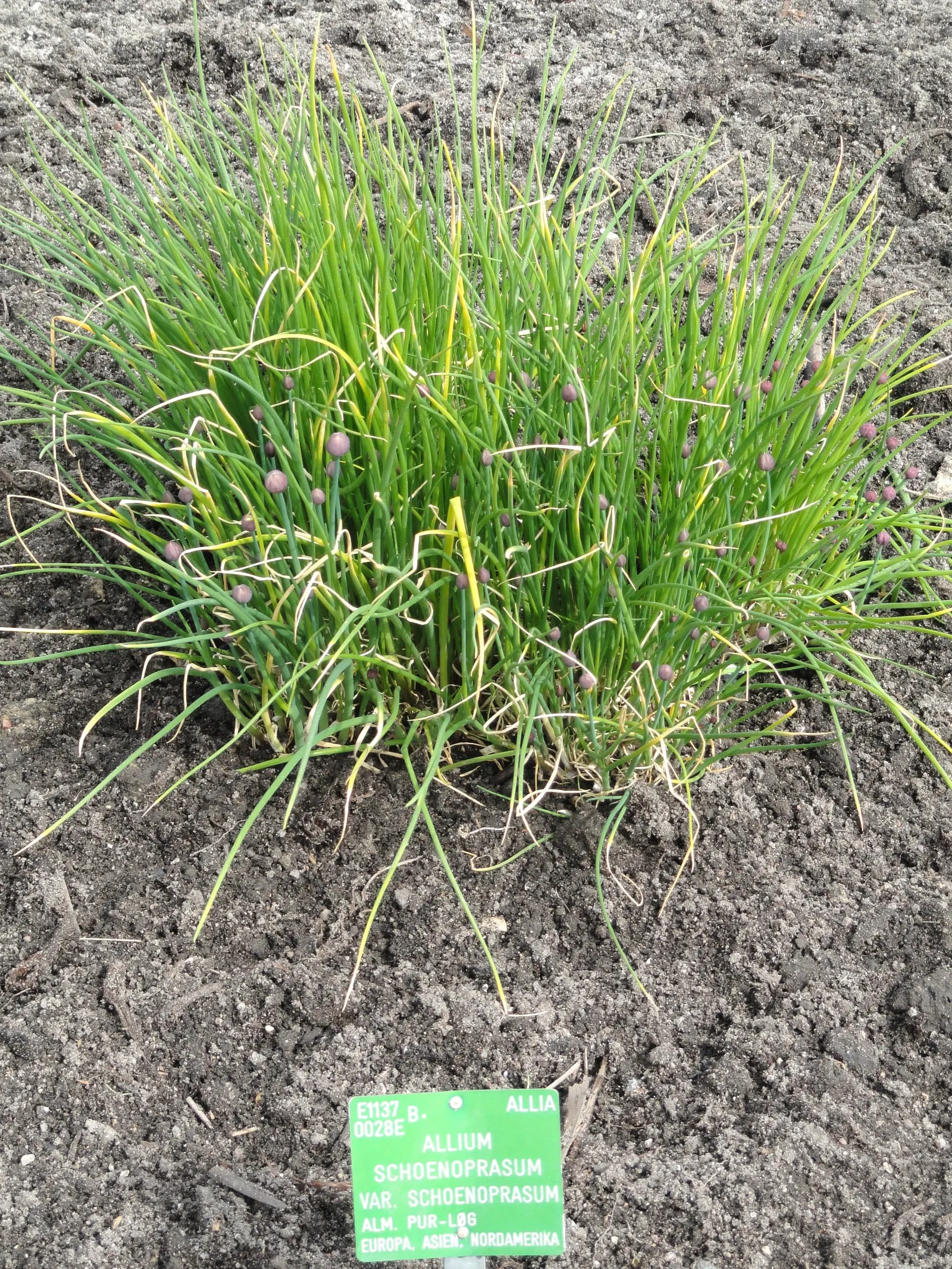
herb in zone 5a
Growing chives in zone 5a
Allium schoenoprasum
- Zone
- 5a -20°F to -15°F
- Growing season
- 150 days
- Suitable varieties
- 2
- Days to harvest
- 60 to 80
The verdict
Zone 5a is a reliable, productive zone for chives. Both Common Chives and Garlic Chives are hardy perennials that tolerate winter lows of -20 to -15°F without any special protection in most years, dying back to the ground and re-emerging reliably each spring. Unlike fruit crops, chives have no chill-hour requirement; what they need is a genuine winter dormancy period, which zone 5a provides consistently.
The 150-day growing season is more than sufficient. Chives reach harvestable size within 60 days of emergence and continue producing through the first hard frosts of fall. Garlic Chives, the slightly more tender of the two, occasionally sustains minor crown damage in the coldest zone 5a microclimates, but established clumps recover quickly. Late spring frosts, a recurring challenge in zone 5a, rarely cause lasting damage since new chive foliage tolerates light frost down to the mid-20s°F.
Recommended varieties for zone 5a
2 cultivars suited to this zone, with disease-resistance and zone-fit annotations.
| Variety | Notes | Zone fit | Disease resistance |
|---|---|---|---|
| Common Chives fits zone 5a | Mild oniony flavor; thin tubular green leaves with edible purple flowers. Garnish, baked potatoes, omelettes, fresh on soups. The home-garden classic, divides indefinitely. | | none noted |
| Garlic Chives fits zone 5a | Mild garlic flavor; flat green leaves and white star-shaped late-summer flowers. Asian cooking, fresh in salads, dumplings. Spreads by seed if not deadheaded. | | none noted |
Critical timing for zone 5a
In zone 5a, chive foliage emerges in mid-March to early April, depending on the specific site and year. The characteristic globe-shaped flowers of Common Chives appear in late May through June; Garlic Chives bloom later, typically July through August.
Late spring frosts, common through late April and occasionally into May in zone 5a, can nip the earliest emerging tips but rarely set the plant back significantly. First harvest is generally possible by late April or early May once plants have 6 inches of growth. Continuous cutting throughout the season delays flowering, which keeps foliage tender. After the first killing frost in October, foliage dies back completely; the crown overwinters underground and resumes growth the following spring.
Common challenges in zone 5a
- ▸ Fire blight in pears
- ▸ Cedar-apple rust
- ▸ Late spring frosts
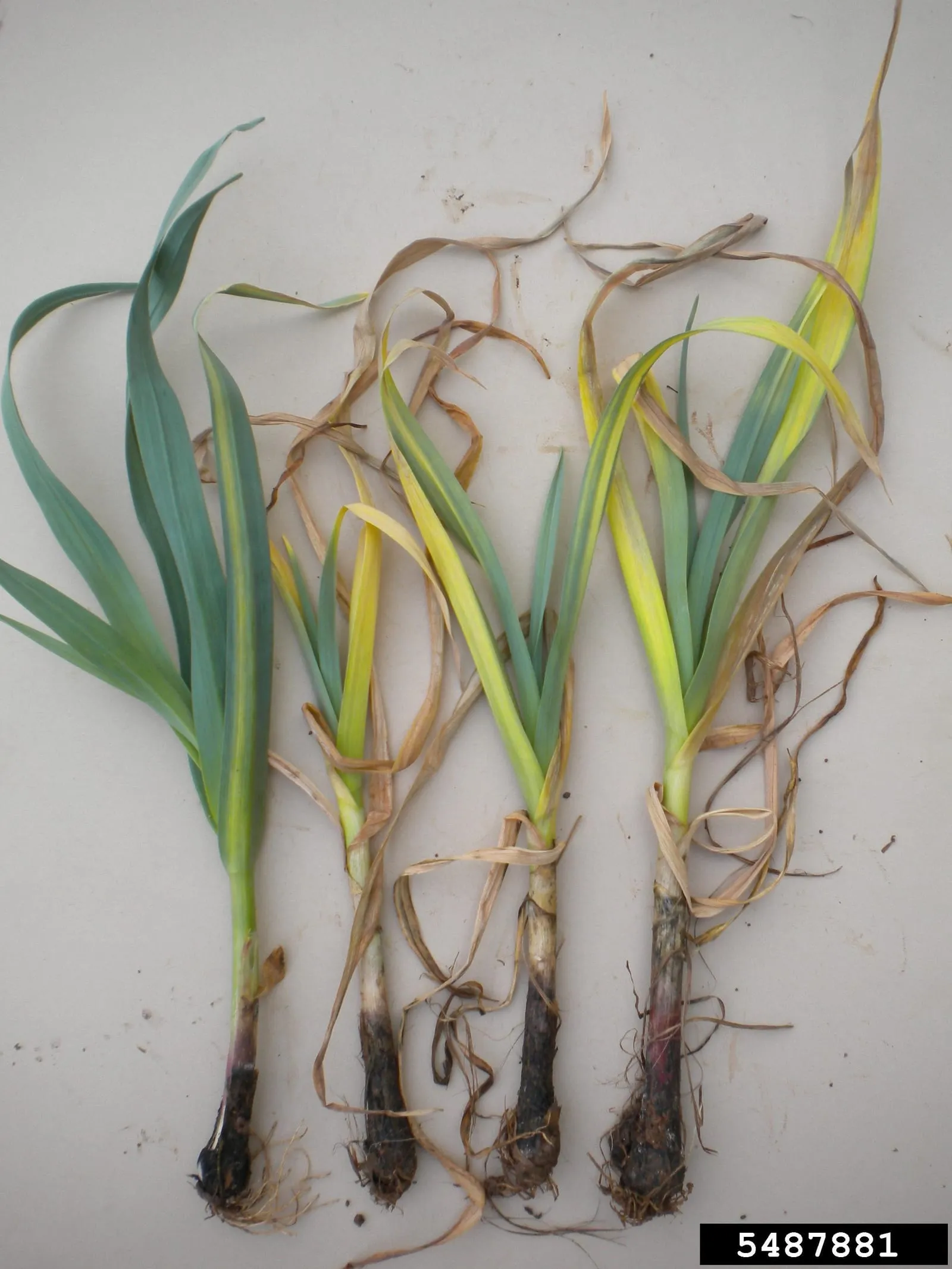
Disease pressure to watch for
Modified care for zone 5a
Established chive clumps need little extra attention in zone 5a, but a 2 to 3 inch layer of straw or shredded leaf mulch applied after the ground freezes reduces heaving damage to shallow-rooted clumps during freeze-thaw cycles in late winter. Remove mulch early in spring as soon as growth begins to prevent crown rot.
Onion White Rot, caused by the soilborne fungus Sclerotium cepivorum, is the primary disease concern. It persists in soil for 20 or more years, so avoiding replanting alliums in an infected bed is the most effective management. Rotate chives out of any spot that has had onions, garlic, or leeks showing signs of basal rot. Division every 3 to 4 years improves air circulation and productivity, and is best done in early spring just as growth resumes.
Frequently asked questions
- Do chives die back completely in zone 5a winters?
Yes. Both Common Chives and Garlic Chives die back to the ground after hard frost in fall. The crown overwinters underground and re-emerges in mid-March to early April. This dormancy is normal and the plant does not need to be replaced each year.
- Can chives handle the late spring frosts common in zone 5a?
Generally yes. Established chive foliage tolerates light frosts into the mid-20s°F without lasting damage. A hard freeze on very young spring growth may burn the tips, but the plant rebounds quickly once temperatures stabilize.
- How do you prevent Onion White Rot in a zone 5a chive planting?
Avoid planting chives or any other alliums in soil where white rot has been confirmed. The pathogen's sclerotia persist in soil for two decades or more, so rotation alone is not a cure once a bed is infected. Use clean transplants or divisions and do not move soil from infected areas.
+−
+−
+−
Chives in adjacent zones
Image: "Allium schoenoprasum subsp. schoenoprasum - Copenhagen Botanical Garden - DSC07940", by Daderot, via Wikimedia Commons, licensed under CC0 Source.

Related