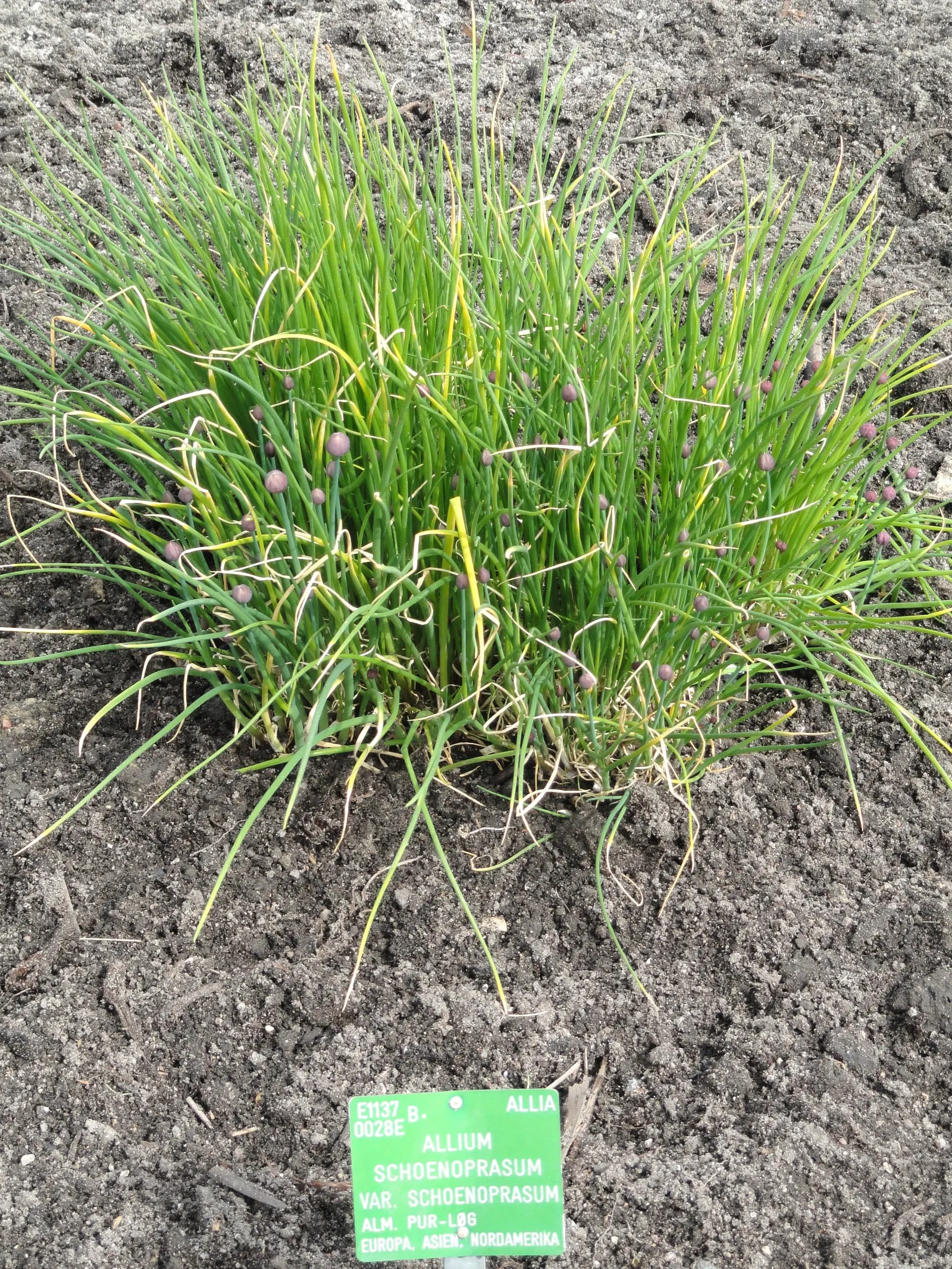
herb in zone 4b
Growing chives in zone 4b
Allium schoenoprasum
- Zone
- 4b -25°F to -20°F
- Growing season
- 130 days
- Suitable varieties
- 2
- Days to harvest
- 60 to 80
The verdict
Chives rank among the most cold-tolerant culinary herbs, and zone 4b sits well within their natural range. Common Chives (Allium schoenoprasum) are reliably perennial down to USDA zone 3, meaning the -25 to -20°F winter lows typical of zone 4b present no unusual risk to established clumps. Garlic Chives (Allium tuberosum) are slightly less cold-hardy, generally rated to zone 4, so they are a workable but borderline choice in 4b rather than a certain perennial.
Neither species requires a winter chilling period to break dormancy in the way that tree fruits do; chives simply go dormant under cold and re-emerge when soil temperatures warm in spring. The 130-day growing season is ample for both spring-to-fall harvest and full seed set. This is not a marginal zone for chives, it is a comfortable one, with Common Chives in particular thriving here without special treatment.
Recommended varieties for zone 4b
2 cultivars suited to this zone, with disease-resistance and zone-fit annotations.
| Variety | Notes | Zone fit | Disease resistance |
|---|---|---|---|
| Common Chives fits zone 4b | Mild oniony flavor; thin tubular green leaves with edible purple flowers. Garnish, baked potatoes, omelettes, fresh on soups. The home-garden classic, divides indefinitely. | | none noted |
| Garlic Chives fits zone 4b | Mild garlic flavor; flat green leaves and white star-shaped late-summer flowers. Asian cooking, fresh in salads, dumplings. Spreads by seed if not deadheaded. | | none noted |
Critical timing for zone 4b
In zone 4b, chives typically break dormancy and push new growth in late March to mid-April, depending on snow cover and soil temperature. Leaf harvest can begin as soon as shoots reach 4 to 6 inches, often by early to mid-April. Flower scapes on Common Chives appear in May and June; Garlic Chives bloom considerably later, in August into September.
Spring frost timing is a relevant variable. A late frost after emergence (possible in zone 4b through mid-May) can knock back tender new growth, but chives recover quickly and rarely suffer lasting harm. Cutting frost-damaged tips and waiting a week is usually sufficient. A second flush of growth often appears in late summer after the plant is cut back following bloom, extending the harvest window until the first hard freeze in October.
Common challenges in zone 4b
- ▸ Spring frost timing
- ▸ Apple scab pressure
- ▸ Cane berry winter dieback
Disease pressure to watch for
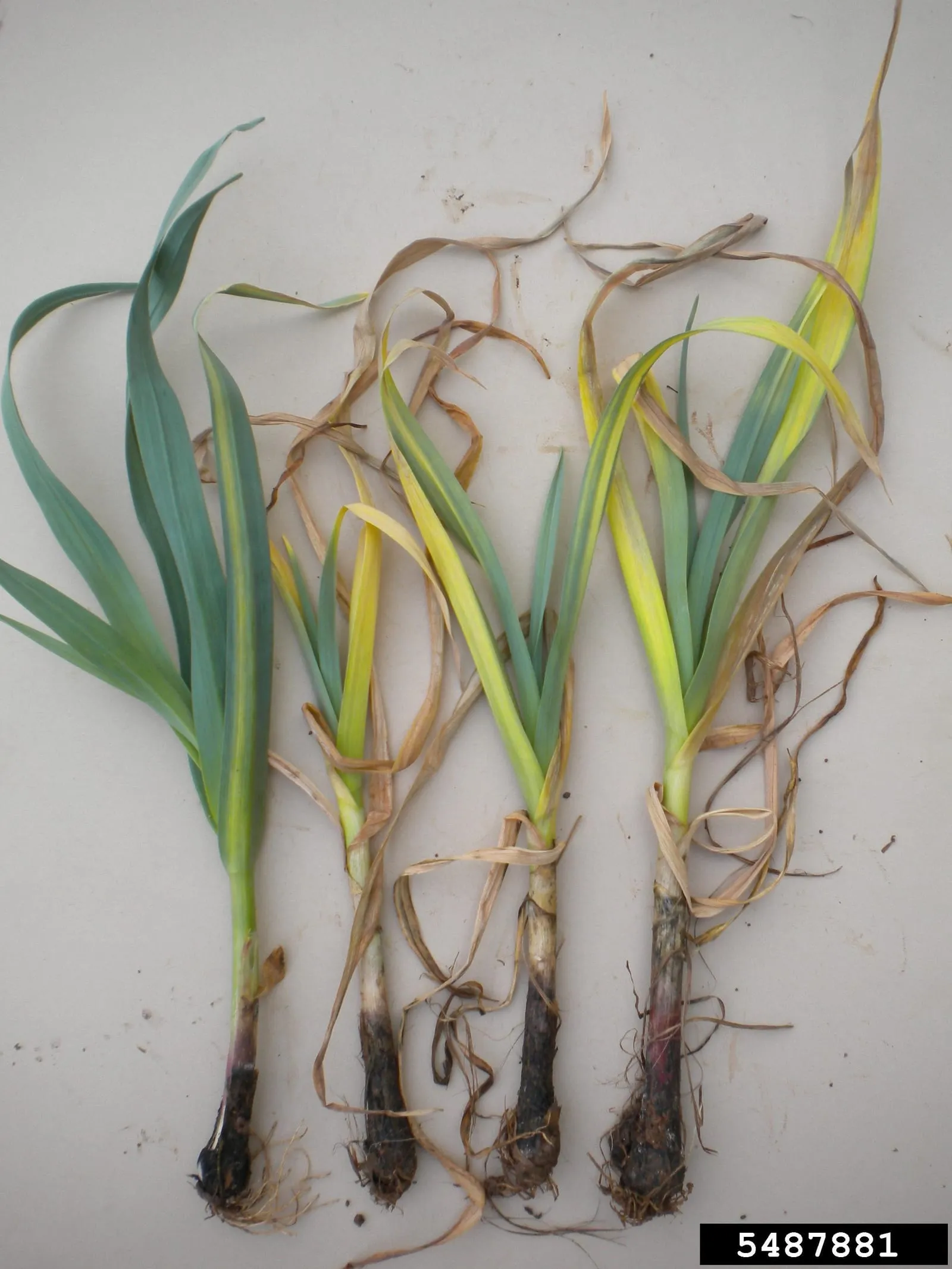
Modified care for zone 4b
The main adaptation in zone 4b is managing Garlic Chives through winter with a light straw mulch (2 to 3 inches) applied after the ground freezes in fall. This insulates the crown against extreme temperature swings without delaying spring dormancy break. Common Chives generally need no mulching.
Onion White Rot (Sclerotium cepivorum) is the primary disease risk for both species. The fungus persists in soil for decades once established, so rotating chives and all Allium crops to a new bed every three to four years is the most practical management tool. Avoid overhead watering during cool, damp spring weather, when the pathogen is most active. In zone 4b, the compressed growing season means any late-spring replanting after a white rot loss may not leave sufficient time to establish a new clump before fall, so prevention matters more here than it does in longer-season zones.
Frequently asked questions
- Are chives reliably perennial in zone 4b?
Common Chives are reliably perennial in zone 4b, returning year after year without protection. Garlic Chives are rated to zone 4, so they are viable but benefit from a light straw mulch over winter to guard against the coldest lows in the -25 to -20°F range.
- When can chives be harvested in zone 4b?
Leaf harvest typically begins in early to mid-April once shoots reach 4 to 6 inches. A second harvest flush is often possible in late summer after cutting the plant back following bloom. The harvest window generally runs from April through October.
- How do I prevent Onion White Rot in a zone 4b chive bed?
Rotate chives and all other Allium crops to a fresh bed every three to four years, since the causal fungus can persist in soil for decades. Avoid overhead irrigation during cool, wet spring conditions when infection pressure is highest.
- Do chives need to be divided in zone 4b?
Dividing clumps every two to three years keeps plants vigorous and prevents overcrowding. Division is best done in early spring as shoots emerge, or in early fall at least six weeks before the first hard freeze to allow roots to settle before dormancy.
+−
+−
+−
+−
Chives in adjacent zones
Image: "Allium schoenoprasum subsp. schoenoprasum - Copenhagen Botanical Garden - DSC07940", by Daderot, via Wikimedia Commons, licensed under CC0 Source.

Related