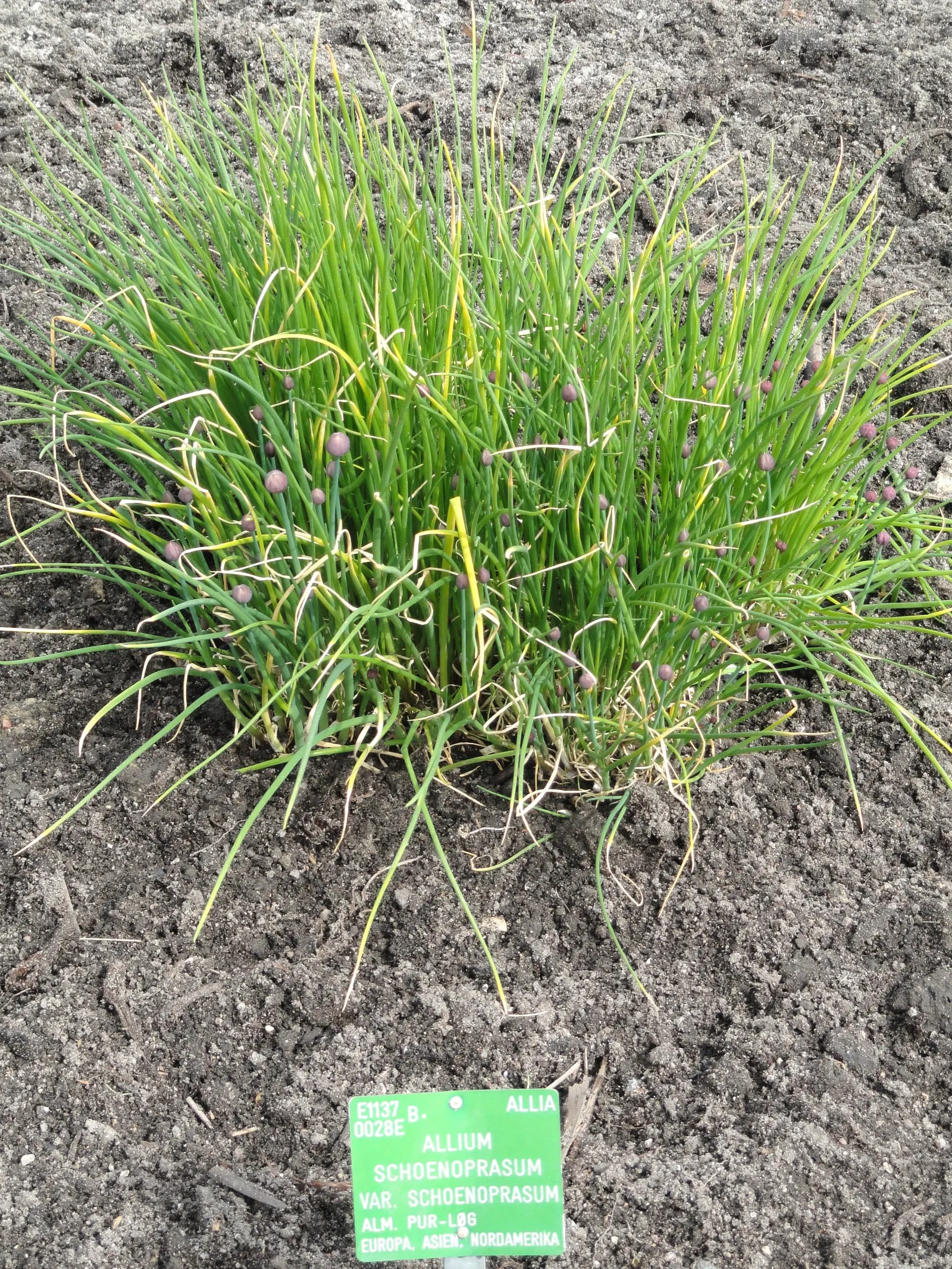
herb in zone 4a
Growing chives in zone 4a
Allium schoenoprasum
- Zone
- 4a -30°F to -25°F
- Growing season
- 120 days
- Suitable varieties
- 2
- Days to harvest
- 60 to 80
The verdict
Chives are among the most cold-tolerant of the culinary alliums, and zone 4a is a genuine sweet spot rather than a marginal edge case. Common Chives (Allium schoenoprasum) survive winters well into zone 3, and Garlic Chives (Allium tuberosum) hold reliably through zone 4a's -30 to -25°F lows without supplemental protection in most soil types. Neither variety has a chill-hour requirement in the orchard-fruit sense; they are herbaceous perennials that simply die back to the crown each winter and re-emerge when soil temperatures climb above roughly 40°F in spring.
The 120-day growing season in zone 4a is more than sufficient for multiple harvests from established clumps. New plantings started from seed or transplant in spring reach harvestable size within 60 days, leaving ample season to cut back and allow regrowth before first frost.
Recommended varieties for zone 4a
2 cultivars suited to this zone, with disease-resistance and zone-fit annotations.
| Variety | Notes | Zone fit | Disease resistance |
|---|---|---|---|
| Common Chives fits zone 4a | Mild oniony flavor; thin tubular green leaves with edible purple flowers. Garnish, baked potatoes, omelettes, fresh on soups. The home-garden classic, divides indefinitely. | | none noted |
| Garlic Chives fits zone 4a | Mild garlic flavor; flat green leaves and white star-shaped late-summer flowers. Asian cooking, fresh in salads, dumplings. Spreads by seed if not deadheaded. | | none noted |
Critical timing for zone 4a
In zone 4a, chive foliage breaks dormancy in mid- to late April as soil thaws, often before the last frost date has passed. That early emergence is generally fine because established crowns tolerate a hard freeze and will re-sprout from the base if top growth is killed. First harvest typically begins in late May once stems reach 6 inches.
Flowering occurs in June through early July. The zone's late frosts can occasionally catch the first flower buds, though the plants recover and often produce a second flush. Seed-starting indoors 8 to 10 weeks before last frost gives transplants a head start and effectively extends the harvestable window by three to four weeks in a 120-day season.
Common challenges in zone 4a
- ▸ Late frosts damage early bloomers
- ▸ Limited peach varieties
Disease pressure to watch for
Modified care for zone 4a
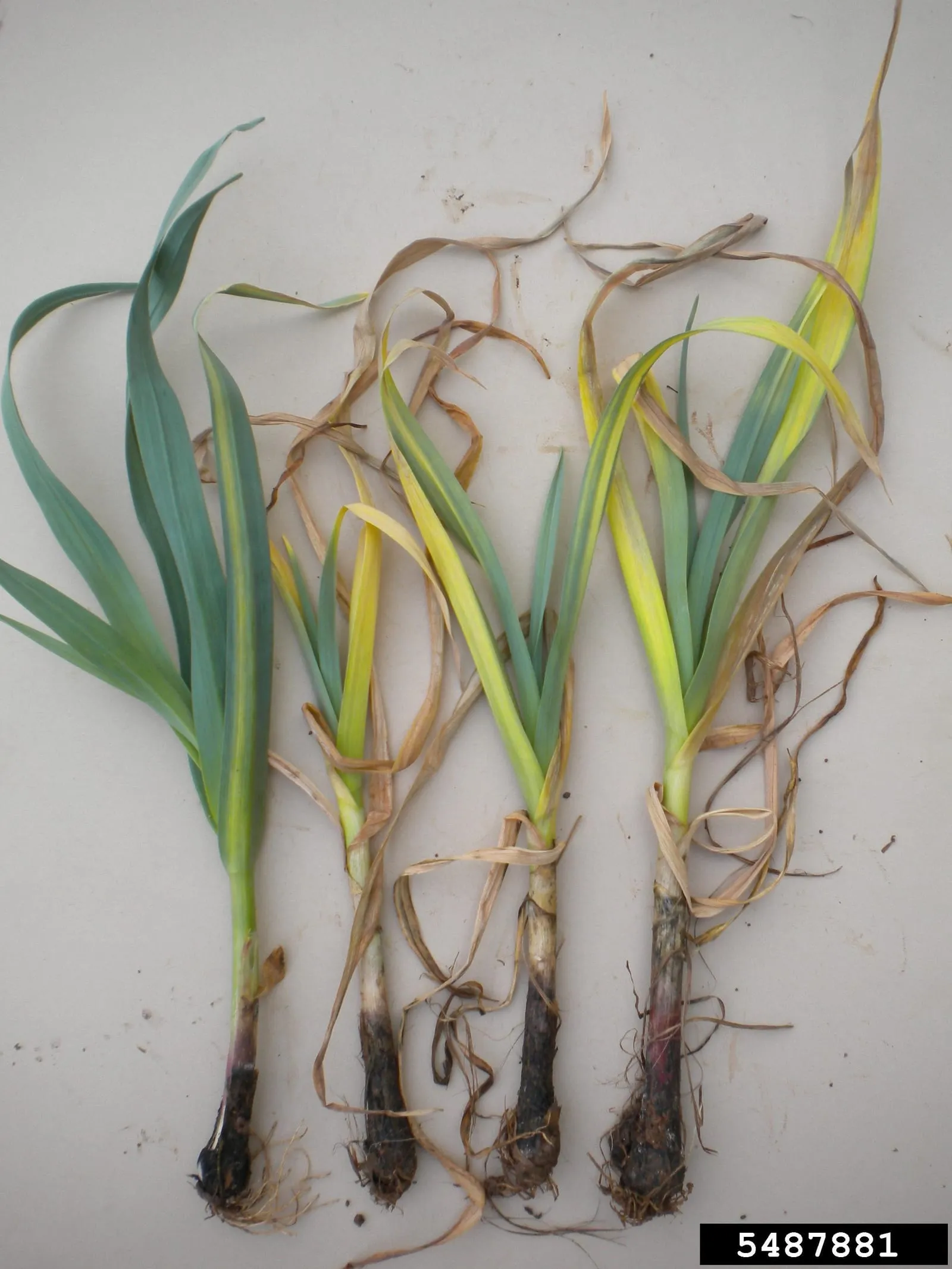
The main adjustment in zone 4a is managing Onion White Rot (Sclerotium cepivorum), a soil-borne fungal disease that thrives in the cool, wet springs typical of northern continental climates. It persists in soil for decades, so prevention matters more than treatment: avoid replanting alliums in the same bed for at least eight years after an infection is found, and do not move soil between beds.
Winter mulching with 2 to 3 inches of straw after the ground freezes helps moderate freeze-thaw cycling at the crown level, reducing heaving in exposed sites. Clumps should be divided every three to four years to prevent overcrowding, which can reduce airflow and worsen disease pressure. In zone 4a, that division is best done in early spring rather than fall, giving roots a full season to establish before the next hard winter.
Frequently asked questions
- Do chives survive zone 4a winters without any protection?
Established clumps of Common Chives overwinter reliably in zone 4a with no intervention. A light mulch over the crown after freeze-up reduces heaving risk on exposed or sandy sites, but it is optional in most garden beds.
- Can Garlic Chives be grown in zone 4a, or only Common Chives?
Garlic Chives (Allium tuberosum) are generally considered hardy to zone 4, so zone 4a is at its reliable limit. In sheltered spots with consistent snow cover, they overwinter successfully; in exposed or low-lying sites that experience extreme cold without insulating snowpack, treating them as annuals or overwintering a division indoors is more dependable.
- How many times can chives be harvested in a zone 4a season?
Two to three cuts per season is realistic in a 120-day zone 4a growing season. After each harvest, leave at least 2 inches of stem so the plant regrows quickly. The final cut should happen at least four weeks before the expected first fall frost to let the plant store energy in the crown.
- What is Onion White Rot and how serious is it in zone 4a?
Onion White Rot is a soil-borne fungal disease that rots allium roots and bulbs, producing white mycelium and small black sclerotia. It is most active in cool soil (50 to 65°F), conditions common in zone 4a springs. Once established in a bed, the sclerotia can remain viable for 20 or more years, so avoiding replanting alliums in infected soil is the only reliable long-term strategy.
+−
+−
+−
+−
Chives in adjacent zones
Image: "Allium schoenoprasum subsp. schoenoprasum - Copenhagen Botanical Garden - DSC07940", by Daderot, via Wikimedia Commons, licensed under CC0 Source.

Related