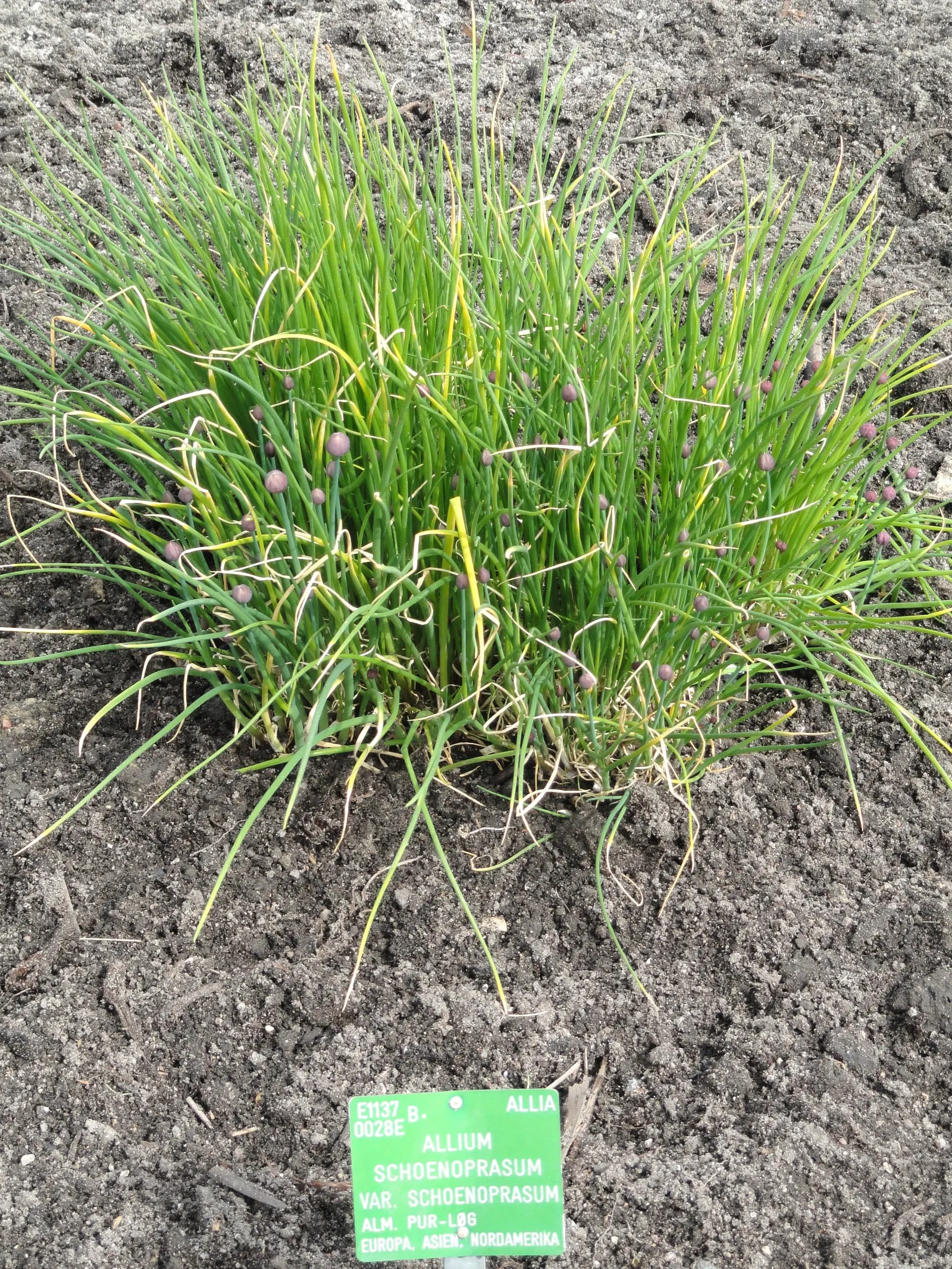
herb in zone 3b
Growing chives in zone 3b
Allium schoenoprasum
- Zone
- 3b -35°F to -30°F
- Growing season
- 100 days
- Suitable varieties
- 2
- Days to harvest
- 60 to 80
The verdict
Chives are a good fit for zone 3b, and in some respects this cool northern zone suits them better than warmer regions. Both Common Chives (Allium schoenoprasum) and Garlic Chives (Allium tuberosum) are cold-hardy perennials; common chives are reliably hardy to zone 3, and garlic chives typically survive zone 3b winters with adequate drainage. Unlike fruiting crops, chives carry no chill-hour requirement. They are vernalized by cold winters and re-emerge each spring without any special management beyond basic site preparation.
The 100-day growing season is sufficient for multiple harvests. Chives emerge early, often before the last frost date, and can be cut repeatedly until hard freeze stops top growth. This is not a marginal zone for chives. The real risks are not cold injury to the crowns but winter desiccation of exposed plantings and, over time, overcrowding that reduces foliage vigor. Both are manageable with straightforward cultural practices.
Recommended varieties for zone 3b
2 cultivars suited to this zone, with disease-resistance and zone-fit annotations.
| Variety | Notes | Zone fit | Disease resistance |
|---|---|---|---|
| Common Chives fits zone 3b | Mild oniony flavor; thin tubular green leaves with edible purple flowers. Garnish, baked potatoes, omelettes, fresh on soups. The home-garden classic, divides indefinitely. | | none noted |
| Garlic Chives fits zone 3b | Mild garlic flavor; flat green leaves and white star-shaped late-summer flowers. Asian cooking, fresh in salads, dumplings. Spreads by seed if not deadheaded. | | none noted |
Critical timing for zone 3b
In zone 3b, chives break dormancy once soils begin warming in late April or early May, depending on snow melt timing and site exposure. Common chives typically bloom in late May through June, producing purple globe flowers that attract early pollinators. The flowers are edible, but allowing plants to fully set seed redirects energy away from foliage production; cutting flower stalks at the base after bloom extends the harvest season.
Harvest begins as soon as leaves reach 6 inches, often in the first week of May. The growing season runs through early to mid-September, when the first hard frost ends new top growth. That window supports four to six cutting cycles if plants are kept divided and fed. Garlic chives bloom later, typically in August, which falls within zone 3b's season before the first fall frost.
Common challenges in zone 3b
- ▸ Short season
- ▸ Winter desiccation
- ▸ Site selection critical for fruit trees
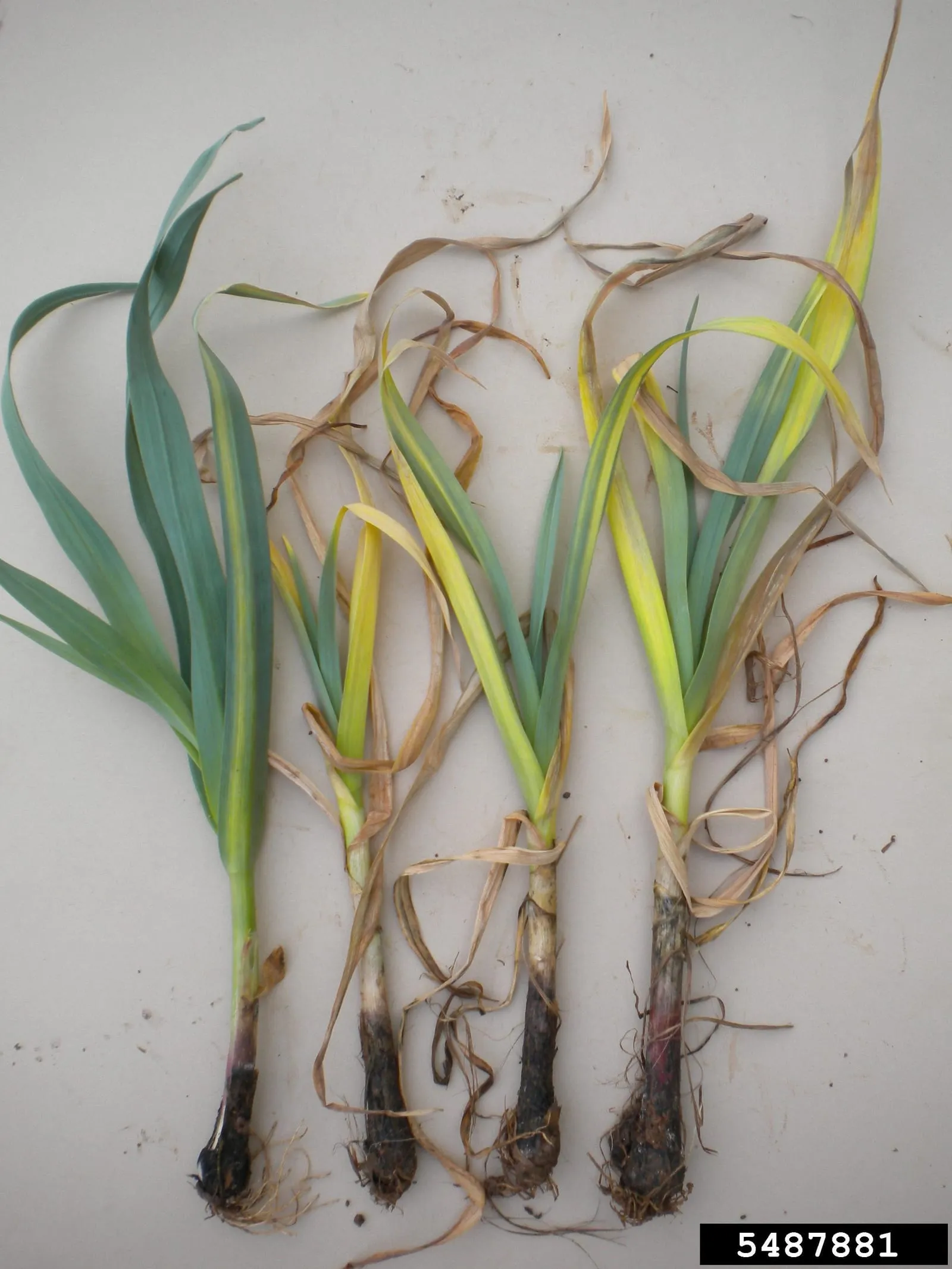
Disease pressure to watch for
Modified care for zone 3b
Winter desiccation is the main management challenge in zone 3b. Chive crowns survive extreme cold well, but exposed soil dries out under persistent wind and repeated freeze-thaw cycles. A light mulch layer (2 to 3 inches of straw or shredded leaves) applied after the ground freezes in fall retains crown moisture without trapping damaging ice. Consistent snow cover provides natural insulation when it persists through winter.
Onion white rot (Sclerotium cepivorum) is the primary disease risk noted for this crop. The pathogen produces sclerotia that persist in soil for 20 or more years, making bed rotation the most reliable long-term management tool. Avoid replanting alliums in any bed where white rot has appeared. Dividing clumps every 3 to 4 years controls overcrowding and maintains harvest quality through zone 3b's compressed season.
Chives in adjacent zones
Image: "Allium schoenoprasum subsp. schoenoprasum - Copenhagen Botanical Garden - DSC07940", by Daderot, via Wikimedia Commons, licensed under CC0 Source.

Related