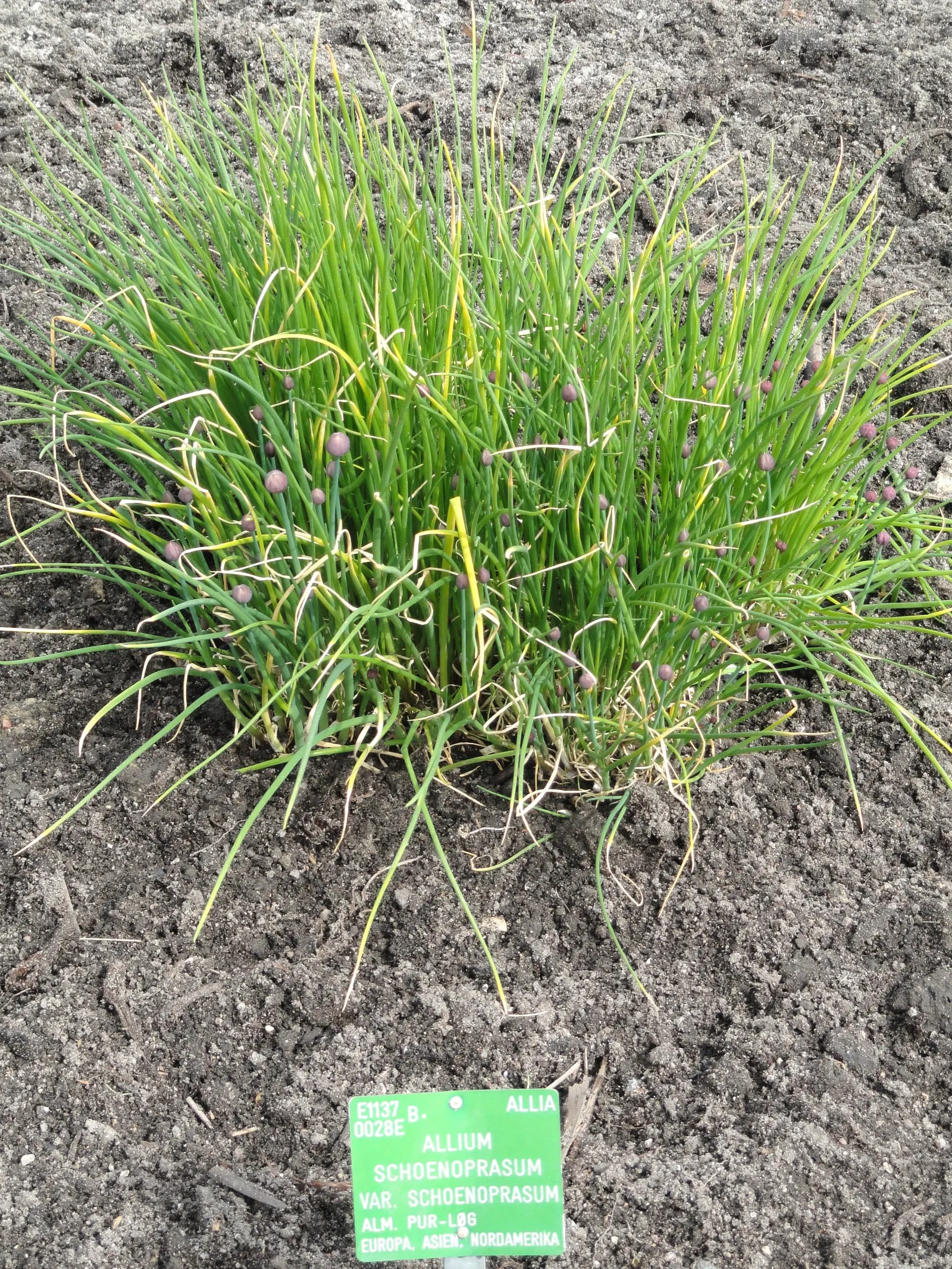
herb in zone 3a
Growing chives in zone 3a
Allium schoenoprasum
- Zone
- 3a -40°F to -35°F
- Growing season
- 90 days
- Suitable varieties
- 1
- Days to harvest
- 60 to 80
The verdict
Chives are one of the better-suited crops for zone 3a. Unlike fruit trees or warm-season vegetables that struggle with the region's -40 to -35°F winter lows, chives are cold-hardy perennials that routinely survive zone 3 winters with minimal protection. There are no chill-hour requirements to match against zone averages, which removes the primary compatibility concern that limits other crops here.
The 90-day growing season is tight but workable. Common Chives, the variety best matched to this zone, establishes quickly in spring and can produce harvestable leaves well before the season closes. The main constraint is not cold tolerance but the compressed window between last frost and first fall frost, which limits how many successive harvests a planting will yield in a single season. For zone 3a growers, chives represent a reliable perennial rather than an annual gamble.
Recommended varieties for zone 3a
1 cultivar suited to this zone, with disease-resistance and zone-fit annotations.
| Variety | Notes | Zone fit | Disease resistance |
|---|---|---|---|
| Common Chives fits zone 3a | Mild oniony flavor; thin tubular green leaves with edible purple flowers. Garnish, baked potatoes, omelettes, fresh on soups. The home-garden classic, divides indefinitely. | | none noted |
Critical timing for zone 3a
In zone 3a, last spring frost typically falls in late May or early June, and the first fall frost arrives as early as late August in the coldest pockets of the zone. Chives emerge quickly once soil temperatures climb above 40°F, often pushing growth within a week or two of snowmelt.
Flowering typically occurs in late June to mid-July under zone 3a conditions, later than in southern zones by four to six weeks. The bloom window is short. Harvest of leaves begins as soon as plants reach 6 inches, usually in early to mid-June, and continues until the first hard freeze kills back the foliage. Growers who cut plants back after flowering often get a second flush of fresh foliage before the season closes.
Common challenges in zone 3a
- ▸ Very short growing season
- ▸ Late spring frosts
- ▸ Limited fruit-tree options
- ▸ Heavy mulching required
Disease pressure to watch for
Modified care for zone 3a
Zone 3a's primary care adjustment is winter crown protection. While chives are cold-hardy, prolonged exposure at -40°F without insulating snow cover can kill root crowns in exposed beds. Applying 3 to 4 inches of straw or shredded leaves after the first hard freeze, and removing it gradually in spring to avoid crown rot, meaningfully improves overwintering survival rates.
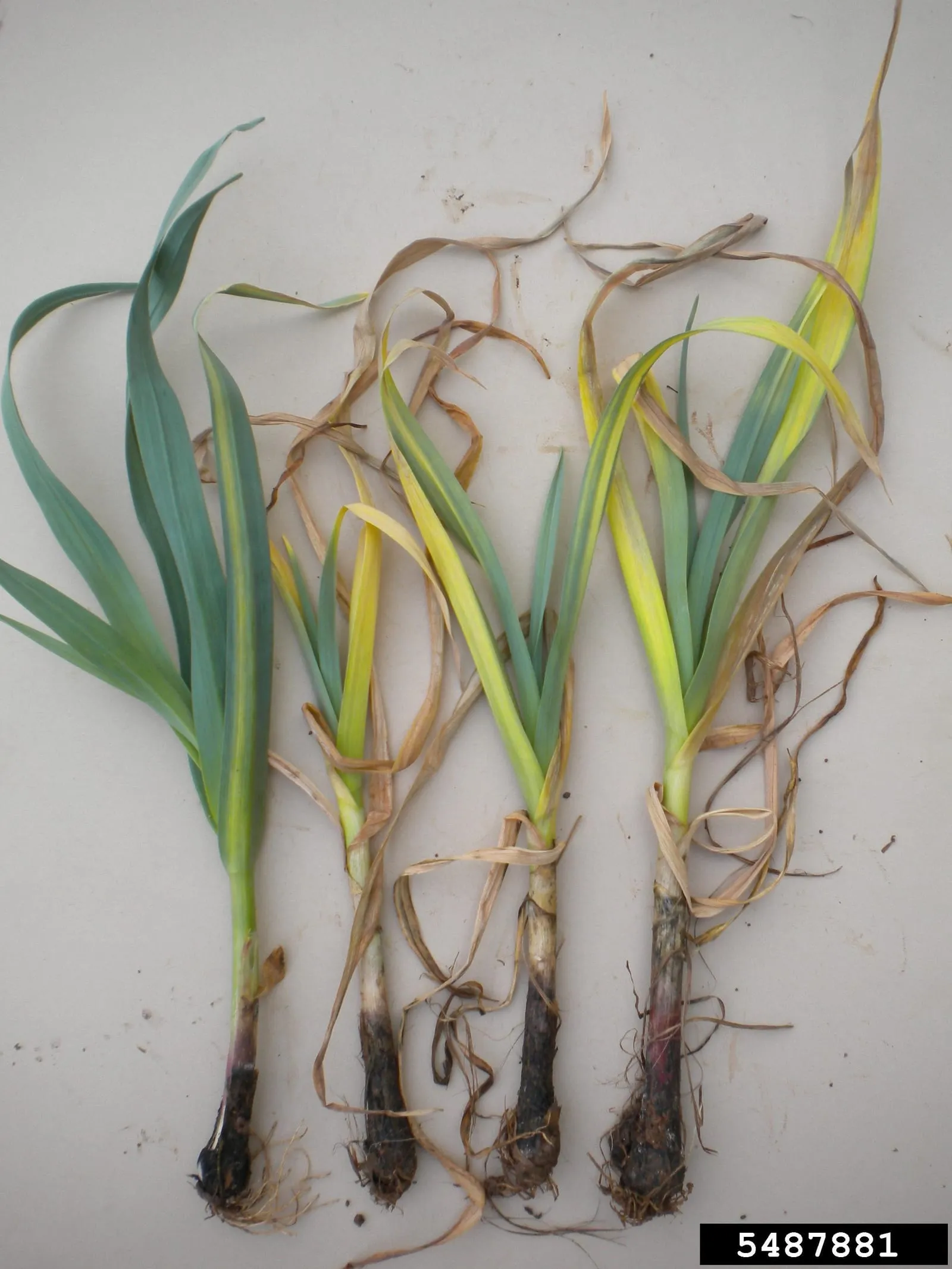
Onion White Rot, caused by the soilborne fungus Stromatinia cepivora, is the main disease concern for chives in this zone. Wet, cool spring soils, common in zone 3a after snowmelt, favor its development. Avoid planting chives in beds with a history of allium disease, and do not compost infected material. Crop rotation on a three-to-four-year cycle is the most practical management tool available to home growers. No fungicide applications are necessary under normal conditions if rotation is maintained.
Frequently asked questions
- Do chives come back every year in zone 3a?
Yes, Common Chives are perennial to zone 3 and reliably return each spring. Crown protection with straw mulch after the first hard freeze improves survival in the coldest parts of the zone, particularly in exposed or raised beds that lose insulating snow cover.
- Can chives be started from seed in zone 3a?
Seed-starting indoors 8 to 10 weeks before the last frost date is the most reliable approach in zone 3a. Direct sowing after last frost is possible but leaves little margin in a 90-day season. Division of established clumps is faster and more dependable than starting from seed.
- How does the short zone 3a season affect chive harvest?
Growers typically get one or two harvests per season rather than the continuous cutting possible in longer-season zones. Cutting back after flowering in July often produces a second flush of tender leaves before the first fall frost ends the season.
+−
+−
+−
Chives in adjacent zones
Image: "Allium schoenoprasum subsp. schoenoprasum - Copenhagen Botanical Garden - DSC07940", by Daderot, via Wikimedia Commons, licensed under CC0 Source.

Related