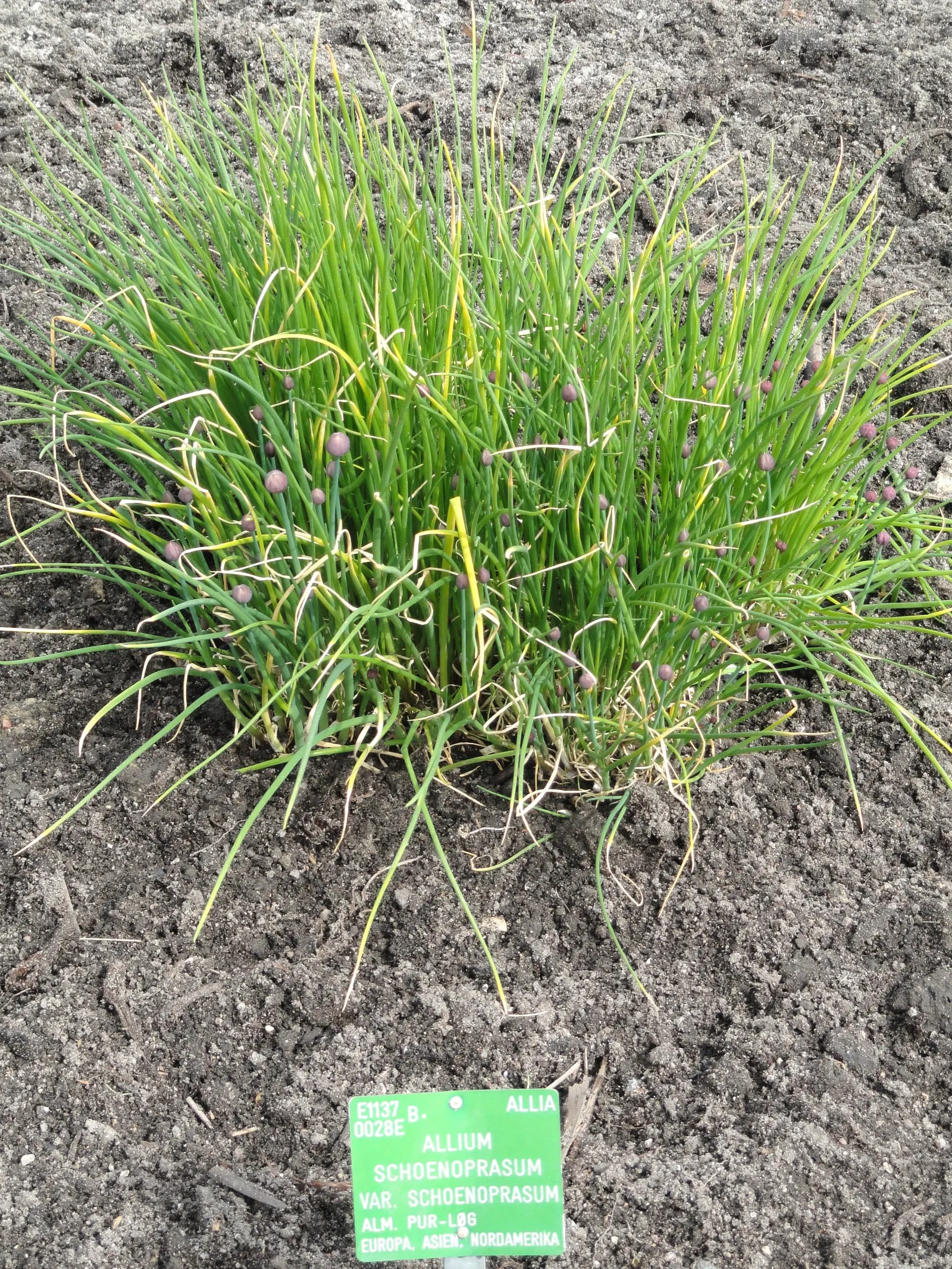
herb in zone 5b
Growing chives in zone 5b
Allium schoenoprasum
- Zone
- 5b -15°F to -10°F
- Growing season
- 165 days
- Suitable varieties
- 2
- Days to harvest
- 60 to 80
The verdict
Chives are among the most cold-tolerant alliums in cultivation, surviving winters well into zones 3 and 4 without protection. Zone 5b, with minimum temperatures between -15 and -10°F, sits comfortably within their perennial range. This is not a marginal zone for chives; it is a reliable one.
Unlike fruit crops, chives have no chill-hour requirement. They are harvested for foliage and flowers, not fruit, so the cold-dormancy accounting that governs apple or peach timing simply does not apply here. What matters is whether the roots survive winter intact, and in zone 5b they generally do, especially in well-drained soil.
The 165-day growing season is more than sufficient. Chives typically need 60 to 90 days from emergence to reach harvestable size, and established clumps produce cuts from early spring through hard frost. Growers in zone 5b can expect a long, productive season with minimal zone-related compromise.
Recommended varieties for zone 5b
2 cultivars suited to this zone, with disease-resistance and zone-fit annotations.
| Variety | Notes | Zone fit | Disease resistance |
|---|---|---|---|
| Common Chives fits zone 5b | Mild oniony flavor; thin tubular green leaves with edible purple flowers. Garnish, baked potatoes, omelettes, fresh on soups. The home-garden classic, divides indefinitely. | | none noted |
| Garlic Chives fits zone 5b | Mild garlic flavor; flat green leaves and white star-shaped late-summer flowers. Asian cooking, fresh in salads, dumplings. Spreads by seed if not deadheaded. | | none noted |
Critical timing for zone 5b
In zone 5b, chive foliage emerges in late March to mid-April as soil temperatures climb above 40°F. Established clumps push growth earlier than newly seeded plants; divisions or transplants from the previous year can show green tips while overnight temperatures are still dipping to freezing.
Bloom typically arrives in late May through June, with lavender-purple flowers on Common Chives and white flowers on Garlic Chives appearing roughly 60 to 75 days after spring emergence. Late frosts in zone 5b (last frost dates generally fall between April 15 and May 1 depending on microsite) can catch early foliage but rarely cause lasting damage; chives recover quickly from a light freeze.
Harvest can begin once plants reach 6 inches and continues through October. After the first hard frost in fall, foliage collapses and plants enter dormancy until the following spring.
Common challenges in zone 5b
- ▸ Plum curculio
- ▸ Codling moth
- ▸ Cedar-apple rust
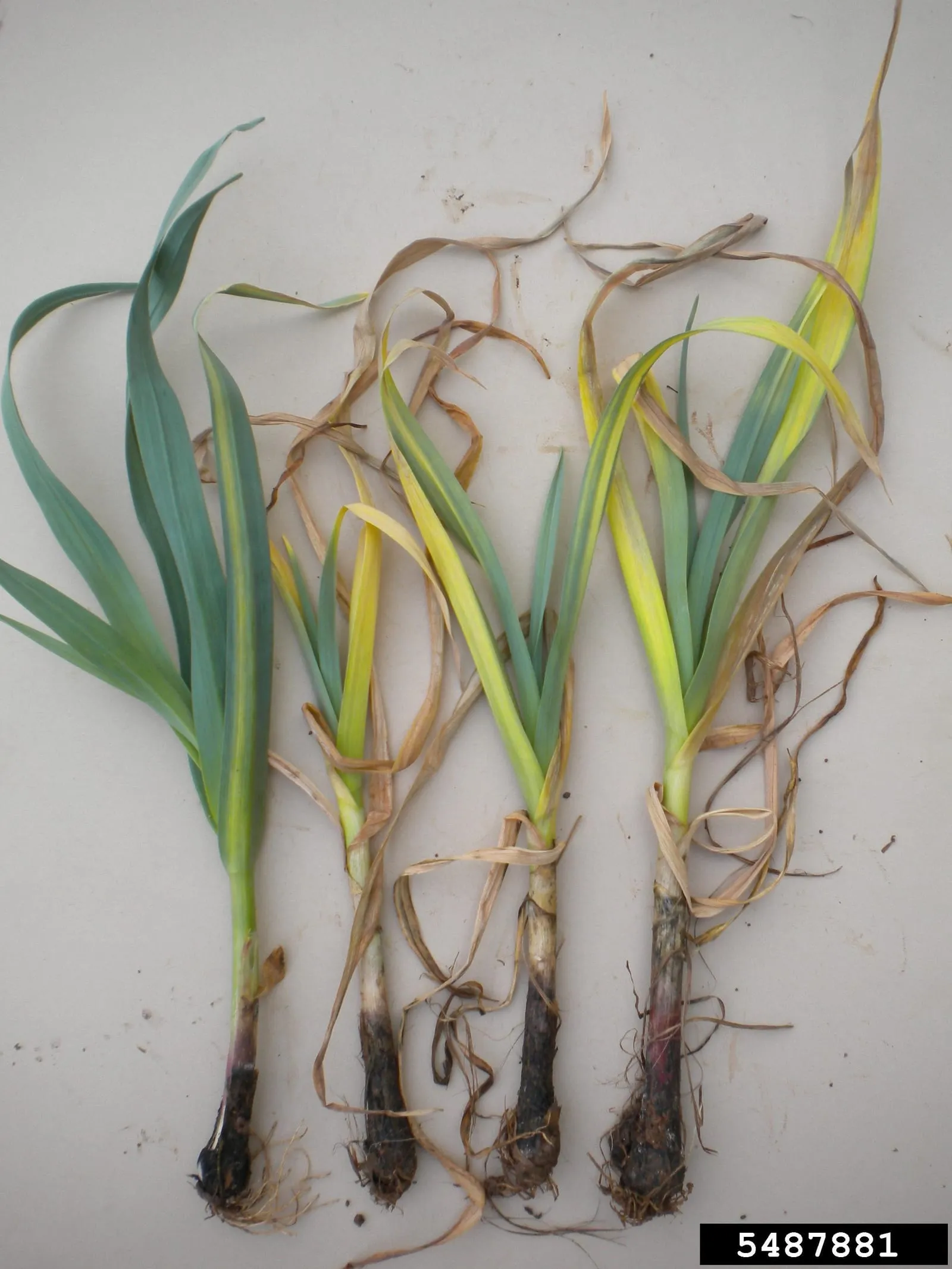
Disease pressure to watch for
Modified care for zone 5b
Established chive clumps in zone 5b generally need little winter intervention. In sites with shallow, sandy soil or persistent wind exposure, a light mulch of straw applied after the ground freezes can buffer against the deepest cold snaps near -15°F and reduce frost-heave risk for newly divided plants.
Onion White Rot is the disease to monitor in zone 5b. This soilborne fungus (caused by Sclerotium cepivorum) persists in soil for decades and thrives in cool, wet springs. The practical controls are straightforward: avoid replanting alliums in infected beds, do not move soil from affected areas, and remove and dispose of any plants showing yellowing foliage with white cottony growth at the base. There is no chemical cure once a bed is infested.
The zone challenges listed for the region (plum curculio, codling moth, cedar-apple rust) are fruit-tree specific and do not affect chives. Pest pressure on chives in zone 5b is generally low; aphids and thrips appear occasionally but rarely require intervention.
Frequently asked questions
- Do chives come back every year in zone 5b?
Yes. Chives are hardy perennials that survive zone 5b winters reliably. Established clumps will re-emerge each spring without replanting, and tend to spread and produce more heavily over time.
- Can chives be planted outdoors in zone 5b before the last frost?
Transplants and divisions can go in the ground 2 to 4 weeks before the expected last frost date. Chives tolerate light freezes well. Direct-seeded chives benefit from soil temperatures above 60°F for reliable germination, which typically arrives in mid to late May in zone 5b.
- What is Onion White Rot and how serious is it for chives in zone 5b?
Onion White Rot is a soilborne fungal disease that attacks alliums including chives, onions, and garlic. Cool, wet spring conditions common in zone 5b favor its spread. Once established in a bed, the pathogen persists in soil for many years. Prompt removal of affected plants and strict bed rotation are the primary management tools.
+−
+−
+−
Chives in adjacent zones
Image: "Allium schoenoprasum subsp. schoenoprasum - Copenhagen Botanical Garden - DSC07940", by Daderot, via Wikimedia Commons, licensed under CC0 Source.

Related