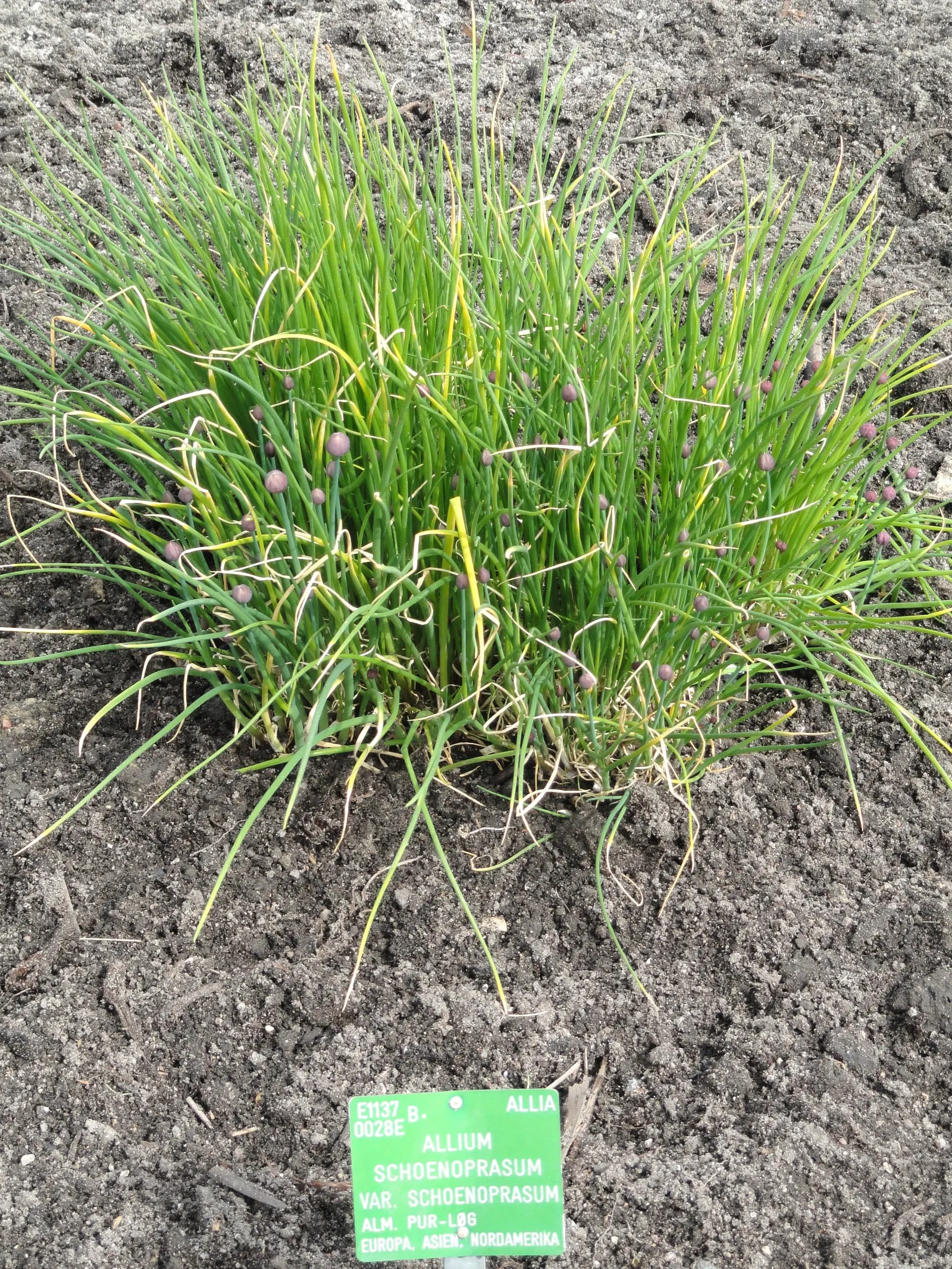
herb in zone 7b
Growing chives in zone 7b
Allium schoenoprasum
- Zone
- 7b 5°F to 10°F
- Growing season
- 220 days
- Suitable varieties
- 2
- Days to harvest
- 60 to 80
The verdict
Zone 7b sits comfortably within chives' hardiness range (zones 3 through 9), making this a reliable perennial rather than an annual replanting chore. Minimum winter temperatures of 5 to 10°F present no meaningful challenge; established clumps die back to the ground and re-emerge dependably each spring without any protection. Unlike fruit crops, chives have no meaningful chill-hour requirement. Dormancy is triggered by daylength and temperature drop, and zone 7b provides sufficient cold to complete it without risk of inadequate chilling.
The 220-day growing season is generous for a crop that yields from early spring through late fall with multiple cuts. Both Common Chives and Garlic Chives perform well here. Common Chives handles the full zone without modification. Garlic Chives tolerates the warm, humid summers equally well and extends the harvest window into fall with a late-season bloom flush. The limiting factor in zone 7b is not cold tolerance or season length but rather soilborne and foliar disease pressure during the humid summer months.
Recommended varieties for zone 7b
2 cultivars suited to this zone, with disease-resistance and zone-fit annotations.
| Variety | Notes | Zone fit | Disease resistance |
|---|---|---|---|
| Common Chives fits zone 7b | Mild oniony flavor; thin tubular green leaves with edible purple flowers. Garnish, baked potatoes, omelettes, fresh on soups. The home-garden classic, divides indefinitely. | | none noted |
| Garlic Chives fits zone 7b | Mild garlic flavor; flat green leaves and white star-shaped late-summer flowers. Asian cooking, fresh in salads, dumplings. Spreads by seed if not deadheaded. | | none noted |
Critical timing for zone 7b
Common Chives push new growth in late February to early March in zone 7b, well before the average last frost (typically late March to early April across most of the zone). Early foliage tolerates light frosts without significant damage. Globe-shaped flower clusters appear in late April through May; they are edible and attract early pollinators. Harvest begins when foliage reaches 6 inches, often by mid-March, and continues through multiple cuts until dormancy in November or December.
Garlic Chives follow a distinct calendar: they emerge later in spring, bloom in August and September, and provide a second productive window when Common Chives slow down in the summer heat. First fall frost across zone 7b typically falls between late October and mid-November, giving Garlic Chives adequate time to complete their bloom cycle before senescence.
Common challenges in zone 7b
- ▸ Cedar-apple rust pressure heavy in piedmont
- ▸ Japanese beetles
- ▸ Brown marmorated stink bug
- ▸ Late summer disease pressure
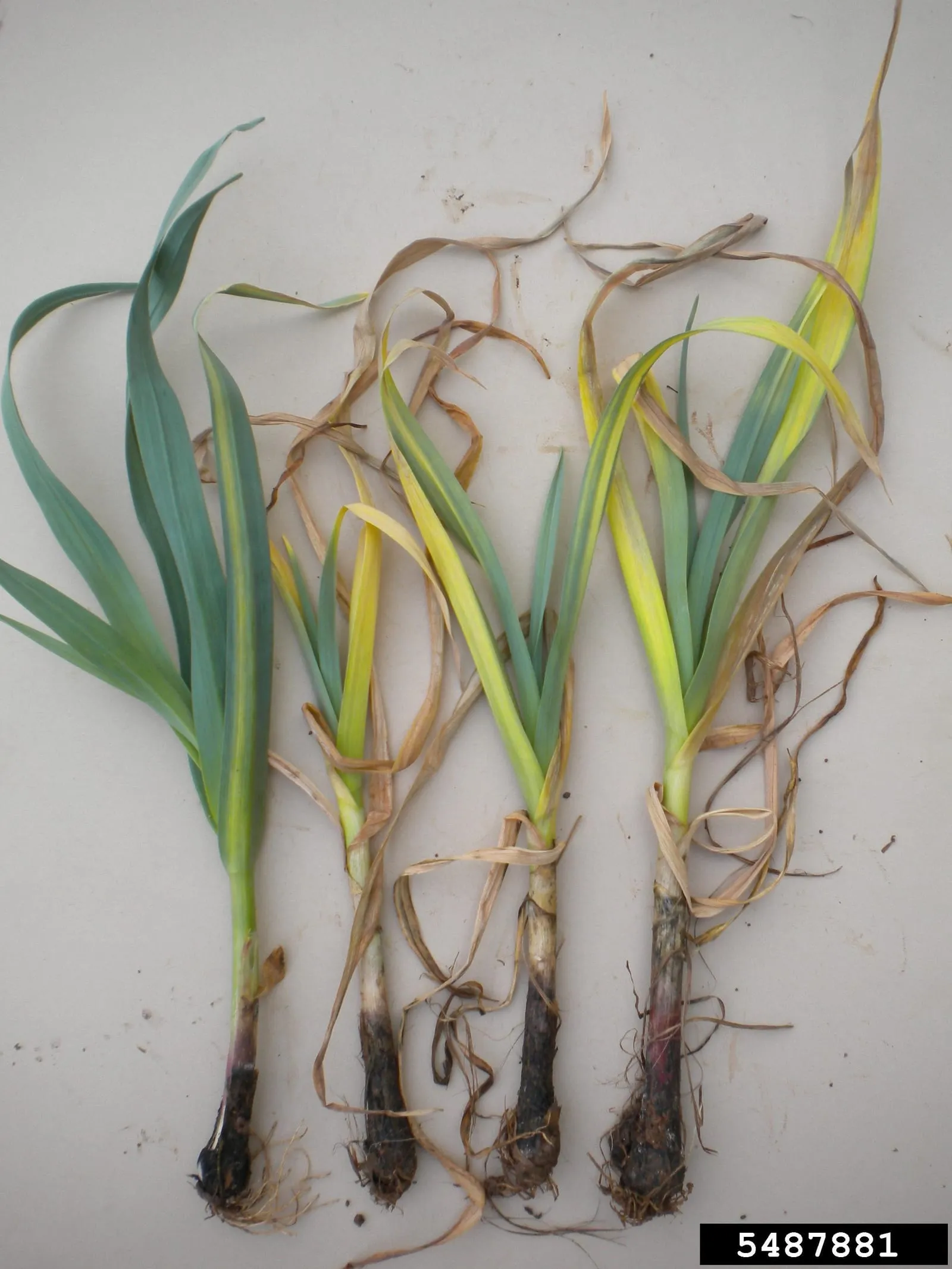
Disease pressure to watch for
Modified care for zone 7b
The primary adjustment in zone 7b is managing Onion White Rot, a soilborne fungus that persists in moist spring and fall conditions common to the piedmont. Raised beds with well-drained soil reduce infection risk; avoid planting chives where onions, garlic, or leeks have previously shown decline. Infected soil can remain problematic for years, so crop rotation matters even for a perennial.
Crowded clumps are more vulnerable to foliar disease in humid summers. Dividing every two to three years maintains airflow and plant vigor. Garlic Chives self-seed prolifically in zone 7b's long season; deadhead before seed set unless naturalization is acceptable. Japanese beetles and brown marmorated stink bugs occasionally feed on foliage but rarely cause serious damage on chives. No winter mulching is needed for established clumps in this zone.
Frequently asked questions
- Do chives come back every year in zone 7b?
Yes. Chives are perennials hardy through zone 3, so zone 7b winters present no threat to established clumps. Foliage dies back after hard frost and re-emerges in late February or early March without any replanting.
- When should chives be divided in zone 7b?
Divide every two to three years in early spring just as new growth emerges, or in early fall. Spring division gives transplants a full season to establish. In zone 7b, overcrowded clumps are more susceptible to foliar disease in the humid summer months, making regular division a practical disease-management step as much as a vigor measure.
- Can Garlic Chives become invasive in zone 7b?
Garlic Chives self-seed aggressively in zone 7b's long season. In a garden setting, deadheading before seed set keeps spread manageable. Plants allowed to seed freely can establish throughout a bed within a few seasons.
- What is Onion White Rot and how serious is it for chives in zone 7b?
Onion White Rot is a soilborne fungal disease that affects all alliums, including chives. It thrives in the cool, moist spring and fall conditions typical of zone 7b's piedmont. Well-drained soil and avoiding planting in previously affected beds are the most reliable preventive measures; no fungicide fully eliminates the pathogen once established in soil.
+−
+−
+−
+−
Chives in adjacent zones
Image: "Allium schoenoprasum subsp. schoenoprasum - Copenhagen Botanical Garden - DSC07940", by Daderot, via Wikimedia Commons, licensed under CC0 Source.

Related