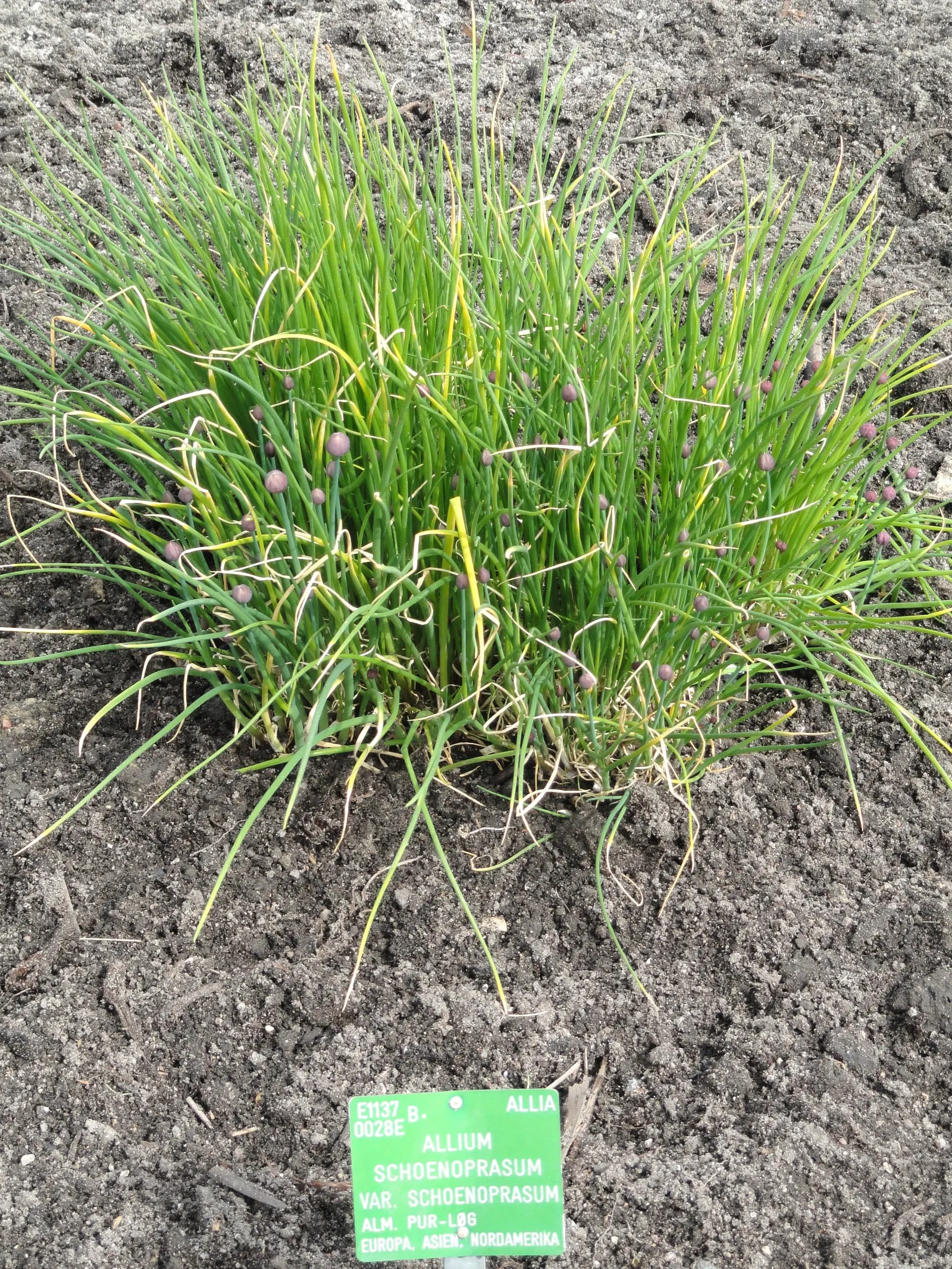
herb in zone 7a
Growing chives in zone 7a
Allium schoenoprasum
- Zone
- 7a 0°F to 5°F
- Growing season
- 210 days
- Suitable varieties
- 2
- Days to harvest
- 60 to 80
The verdict
Zone 7a, with winter lows between 0°F and 5°F, sits comfortably within chives' cold-hardiness range, which extends to USDA zone 4 or 5 depending on the cultivar. Established clumps experience genuine winter dormancy in zone 7a without the cold being severe enough to damage crown or root tissue. Chives have no chill-hour requirement in the way fruit trees do, but the cold dormancy period is necessary for reliable spring regrowth, and zone 7a delivers it consistently. This is a sweet spot, not a marginal zone.
The 210-day growing season allows multiple harvests from spring through fall, with plants dying back naturally after hard frost and re-emerging without intervention the following year. The primary concern in zone 7a is not cold hardiness but the region's high humidity, which creates favorable conditions for onion white rot and other allium fungal problems during wet springs.
Recommended varieties for zone 7a
2 cultivars suited to this zone, with disease-resistance and zone-fit annotations.
| Variety | Notes | Zone fit | Disease resistance |
|---|---|---|---|
| Common Chives fits zone 7a | Mild oniony flavor; thin tubular green leaves with edible purple flowers. Garnish, baked potatoes, omelettes, fresh on soups. The home-garden classic, divides indefinitely. | | none noted |
| Garlic Chives fits zone 7a | Mild garlic flavor; flat green leaves and white star-shaped late-summer flowers. Asian cooking, fresh in salads, dumplings. Spreads by seed if not deadheaded. | | none noted |
Critical timing for zone 7a
In zone 7a, chives break dormancy and push new growth in late February to mid-March, depending on winter severity. Flower stalks emerge through April, with the globe-shaped blooms appearing from late April into early May, often before the region's average last frost date of late March to mid-April. The flowers are edible, but allowing heavy seed set reduces leaf production for the remainder of the season.
Summer heat in July and August can slow leaf growth noticeably. A secondary growth flush typically resumes in September as temperatures moderate. Harvests can begin when new growth reaches 4 to 6 inches and continue through late October to early November, when hard frost ends the season. No intervention is needed to carry clumps through winter; roots re-emerge once soil temperatures warm in late winter.
Common challenges in zone 7a
- ▸ Cedar-apple rust
- ▸ Brown rot
- ▸ Fire blight
- ▸ High humidity disease pressure
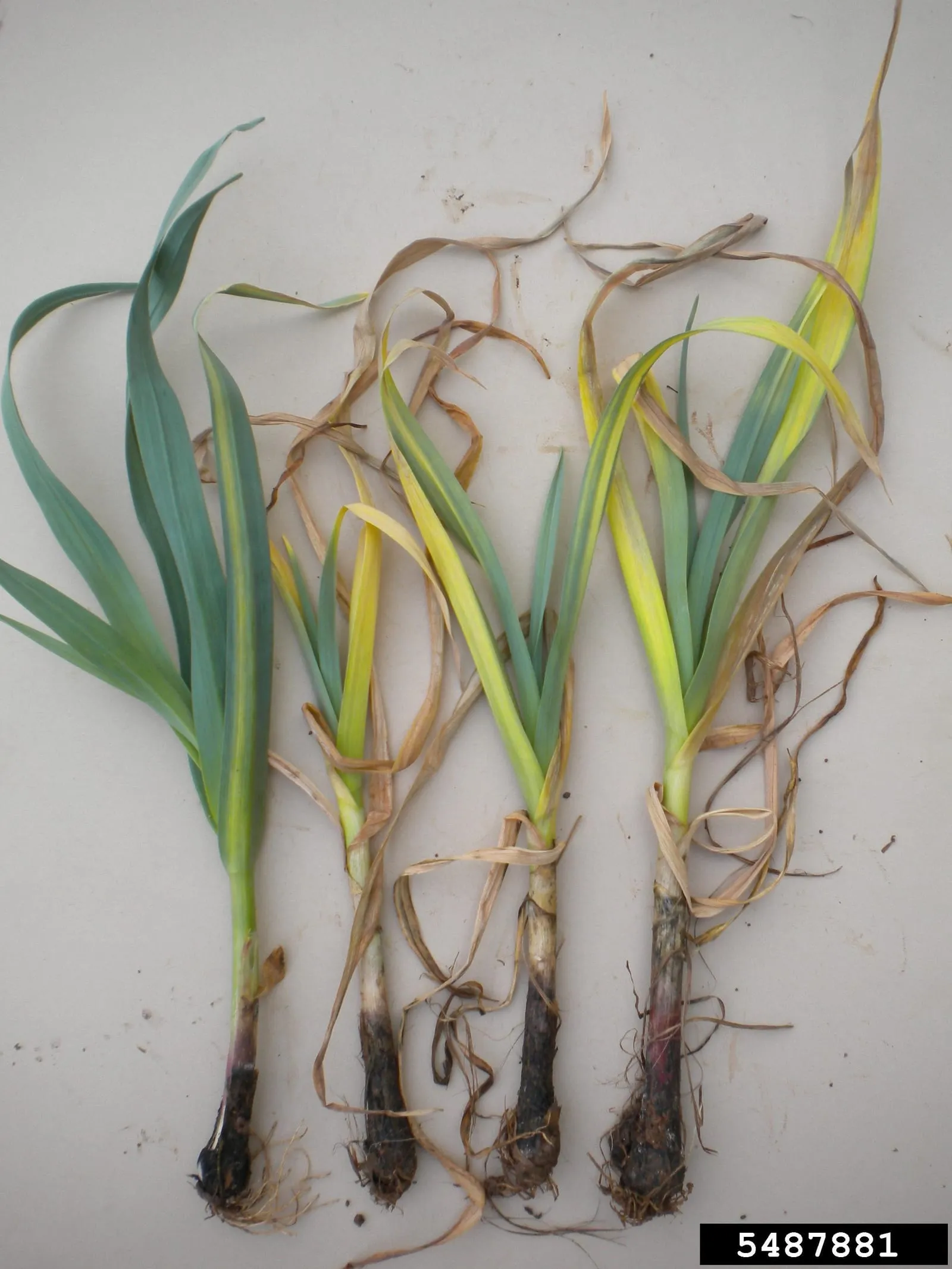
Disease pressure to watch for
Modified care for zone 7a
Established chive clumps survive zone 7a winters without mulching or added protection. The more useful management adjustments address disease pressure rather than cold.
Onion white rot (Sclerotium cepivorum) is the primary fungal risk in zone 7a. The pathogen thrives in the region's wet springs and warm soil, and its sclerotia persist in soil for decades once established. Avoid overhead irrigation; drip or soaker hose setups reduce the leaf wetness that accelerates infection. Rotate chives and other alliums out of any bed with prior allium history for at least 3 to 4 years. Dividing clumps every 2 to 3 years improves air circulation and slows disease spread in dense plantings.
Zone 7a's humid summers also favor slug activity. Check plants after prolonged wet spells and address damage early with iron phosphate bait if needed.
Chives in adjacent zones
Image: "Allium schoenoprasum subsp. schoenoprasum - Copenhagen Botanical Garden - DSC07940", by Daderot, via Wikimedia Commons, licensed under CC0 Source.

Related