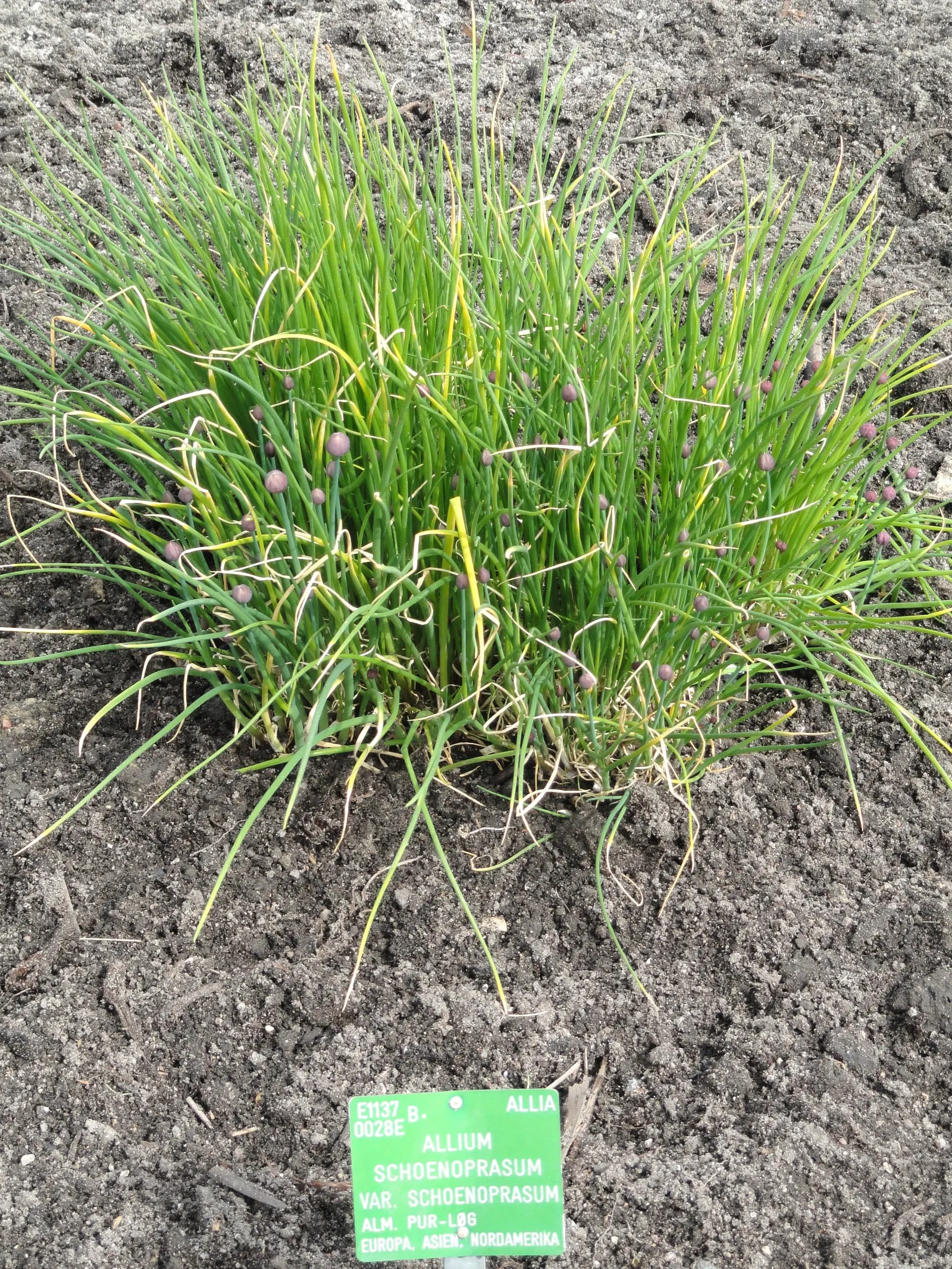
herb in zone 8a
Growing chives in zone 8a
Allium schoenoprasum
- Zone
- 8a 10°F to 15°F
- Growing season
- 240 days
- Suitable varieties
- 2
- Days to harvest
- 60 to 80
The verdict
Chives are a reliable perennial in zone 8a, though the summer heat is the primary limiting factor rather than cold. Unlike many fruit crops, chives carry no chill-hour requirement, so the zone's mild winters are no obstacle. The 240-day growing season gives chives an extended productive window in spring and fall, the two periods when the plant performs best.
The real pressure in zone 8a is heat stress during June through August, when temperatures push cool-season alliums into semi-dormancy. This is not a sign of failure; it is normal behavior for the plant. Both Common Chives and Garlic Chives handle zone 8a summers tolerably, with Garlic Chives showing somewhat better heat tolerance. Overall, zone 8a is a workable zone for chives, closer to a sweet spot in spring and fall than a marginal one year-round.
Recommended varieties for zone 8a
2 cultivars suited to this zone, with disease-resistance and zone-fit annotations.
| Variety | Notes | Zone fit | Disease resistance |
|---|---|---|---|
| Common Chives fits zone 8a | Mild oniony flavor; thin tubular green leaves with edible purple flowers. Garnish, baked potatoes, omelettes, fresh on soups. The home-garden classic, divides indefinitely. | | none noted |
| Garlic Chives fits zone 8a | Mild garlic flavor; flat green leaves and white star-shaped late-summer flowers. Asian cooking, fresh in salads, dumplings. Spreads by seed if not deadheaded. | | none noted |
Critical timing for zone 8a
In zone 8a, chives break dormancy and begin putting up fresh foliage in late January or February, earlier than growers in cooler zones see. First harvest is typically possible by late February or early March. Bloom usually follows in April through May, producing the mild-flavored flowers that are edible and attract pollinators.
By late June, heat stress slows growth noticeably. The plant rebounds once temperatures moderate in September and October, offering a second productive harvest window through November. Zone 8a's first fall frost typically arrives in late November or December, giving the fall flush a long run before the plant enters its shallow winter rest.
Common challenges in zone 8a
- ▸ Insufficient chill hours for some apple varieties
- ▸ Pierce's disease in grapes
- ▸ Heat stress on cool-season crops
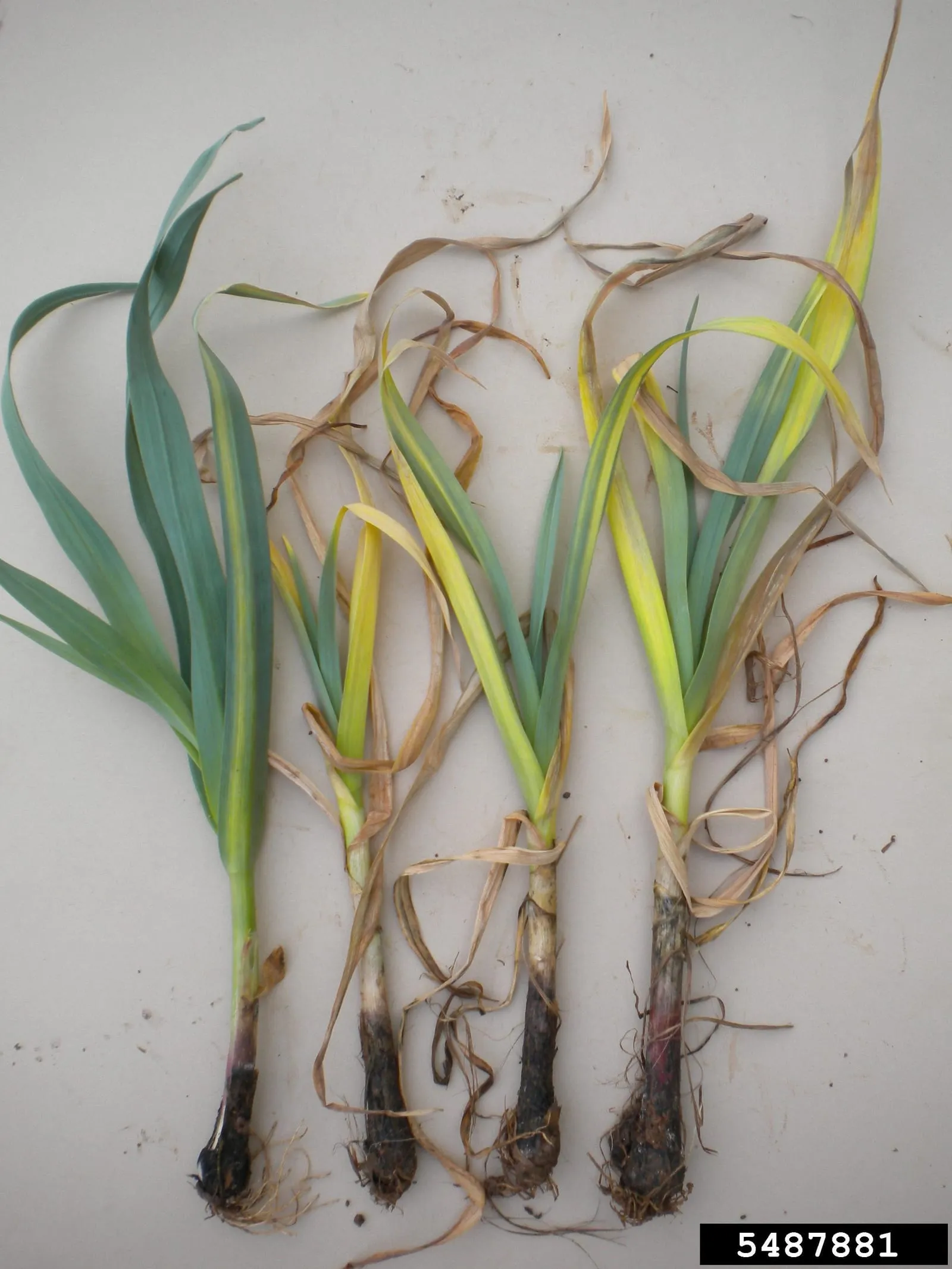
Disease pressure to watch for
Modified care for zone 8a
The main adjustment for zone 8a is managing the summer gap. Mulching heavily around the base through May helps retain soil moisture and keeps roots cooler as air temperatures climb. In spots with intense afternoon sun, light shade cloth through the hottest weeks extends productive growth.
Onion White Rot, caused by the soilborne fungus Streptinia cepivorum, is the disease most likely to affect chives in zone 8a. The pathogen thrives in cool, moist soil, making spring and fall the highest-risk periods. Because sclerotia persist in soil for 20 or more years, avoid planting chives (or any allium) in ground with a known history of white rot infection. Rotate planting areas and remove affected plants promptly, roots and all. Do not compost infected material.
Frequently asked questions
- Do chives go dormant in zone 8a summers?
Yes, partially. When temperatures consistently exceed 85 to 90 degrees Fahrenheit, chives slow down and may look ragged or thin. This is normal seasonal behavior, not a sign the plant is dying. New growth resumes once temperatures drop in September.
- Can chives stay in the ground year-round in zone 8a?
Yes. Chives are hardy well below zone 8a's minimum winter temperature range of 10 to 15 degrees Fahrenheit. They die back to the roots in cold snaps but return reliably in late winter without any special protection.
- What is Onion White Rot and how serious is it for chives in zone 8a?
Onion White Rot is a fungal disease caused by Streptinia cepivorum that rots the bulb base and roots, causing yellowing foliage and plant collapse. It is serious because the fungus produces long-lived sclerotia that remain viable in soil for decades. There is no practical soil cure once established, so prevention through crop rotation is the most effective strategy.
- When is the best time to divide chive clumps in zone 8a?
Early fall, around September or October, is the best window. Temperatures have moderated, the plant has energy to establish before winter, and the fall harvest flush is not disrupted the way a spring division would be.
+−
+−
+−
+−
Chives in adjacent zones
Image: "Allium schoenoprasum subsp. schoenoprasum - Copenhagen Botanical Garden - DSC07940", by Daderot, via Wikimedia Commons, licensed under CC0 Source.

Related