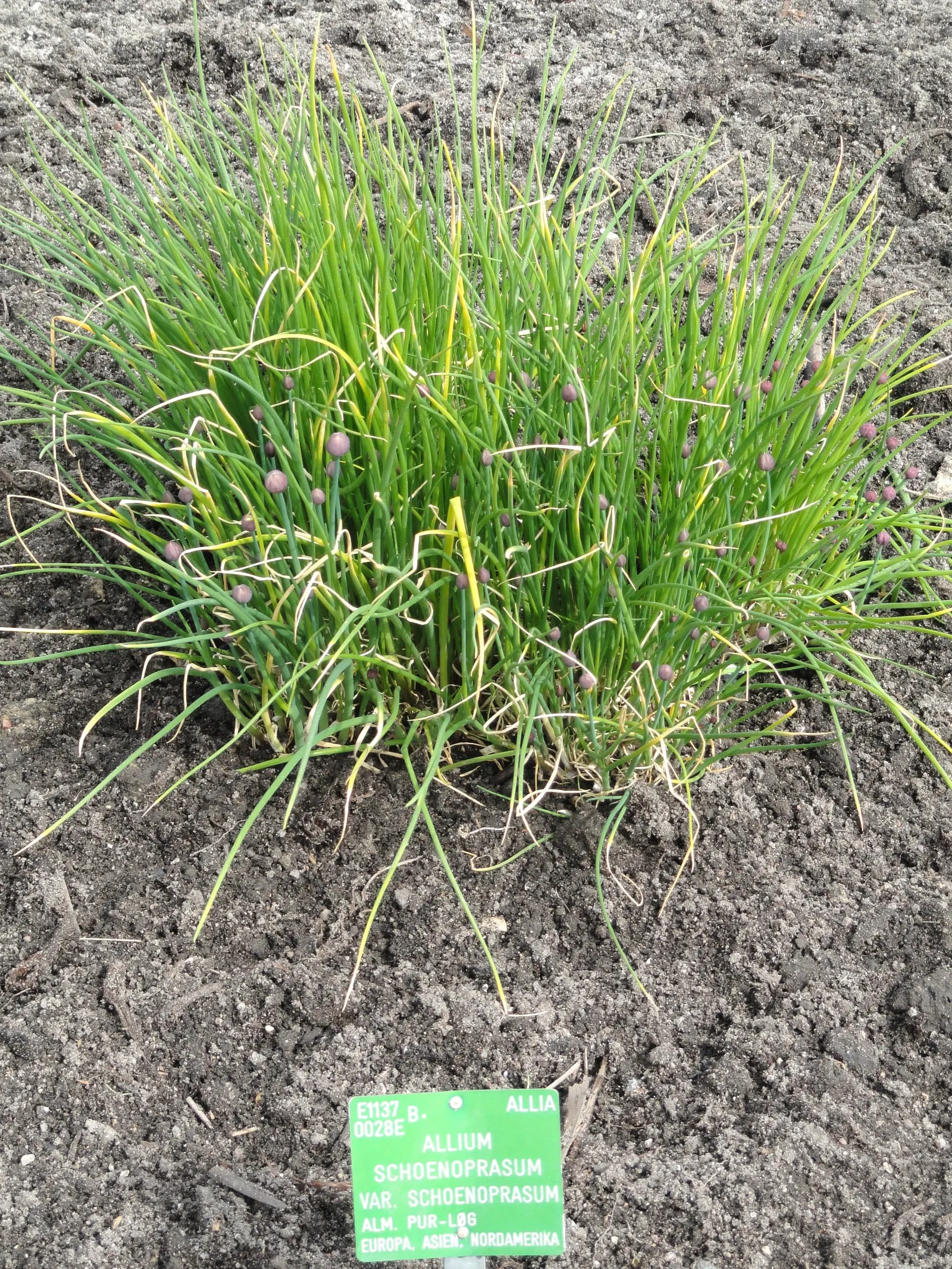
herb in zone 8b
Growing chives in zone 8b
Allium schoenoprasum
- Zone
- 8b 15°F to 20°F
- Growing season
- 260 days
- Suitable varieties
- 1
- Days to harvest
- 60 to 80
The verdict
Zone 8b is a comfortable fit for chives, not a marginal one. The crop is cold-hardy to approximately -20°F (USDA zone 5), so the zone 8b minimum of 15 to 20°F presents no winter survival concerns. Unlike fruit trees, chives do not require accumulated chill hours, which means the relatively low chill accumulation typical of zone 8b is irrelevant to performance.
The 260-day growing season is a genuine advantage. Chives can be harvested across most of the year, slowing only during the hottest weeks of late summer rather than going fully dormant. The primary limitation in this zone is heat and humidity, not cold. Sustained temperatures above 90°F in July and August cause common chives to look ragged and occasionally tip-burn, though plants recover once conditions moderate.
Garlic chives (Allium tuberosum) tolerates summer heat better than common chives (Allium schoenoprasum) and is the more reliable variety for consistent production through a zone 8b summer.
Recommended varieties for zone 8b
1 cultivar suited to this zone, with disease-resistance and zone-fit annotations.
| Variety | Notes | Zone fit | Disease resistance |
|---|---|---|---|
| Garlic Chives fits zone 8b | Mild garlic flavor; flat green leaves and white star-shaped late-summer flowers. Asian cooking, fresh in salads, dumplings. Spreads by seed if not deadheaded. | | none noted |
Critical timing for zone 8b
In zone 8b, chives can go into the ground as early as February, since established plants tolerate light frosts and seeds germinate reliably once soil temperatures reach 45°F. Spring growth begins quickly, and leaves reach harvestable height (about 6 inches) within 6 to 8 weeks of planting.
Common chives bloom April through May in zone 8b; garlic chives bloom considerably later, in August and September, extending ornamental interest well into the season. Both can be cut back after flowering to redirect energy into leaf production.
A fall planting in September or October is equally practical and often preferred. Plants established in autumn root well before winter, then push early growth the following spring ahead of direct-sown spring plantings. Expect some die-back of foliage in winter but reliable regrowth from established crowns.
Common challenges in zone 8b
- ▸ Low chill hours limit apple variety selection
- ▸ Citrus greening risk
- ▸ Nematodes in sandy soils
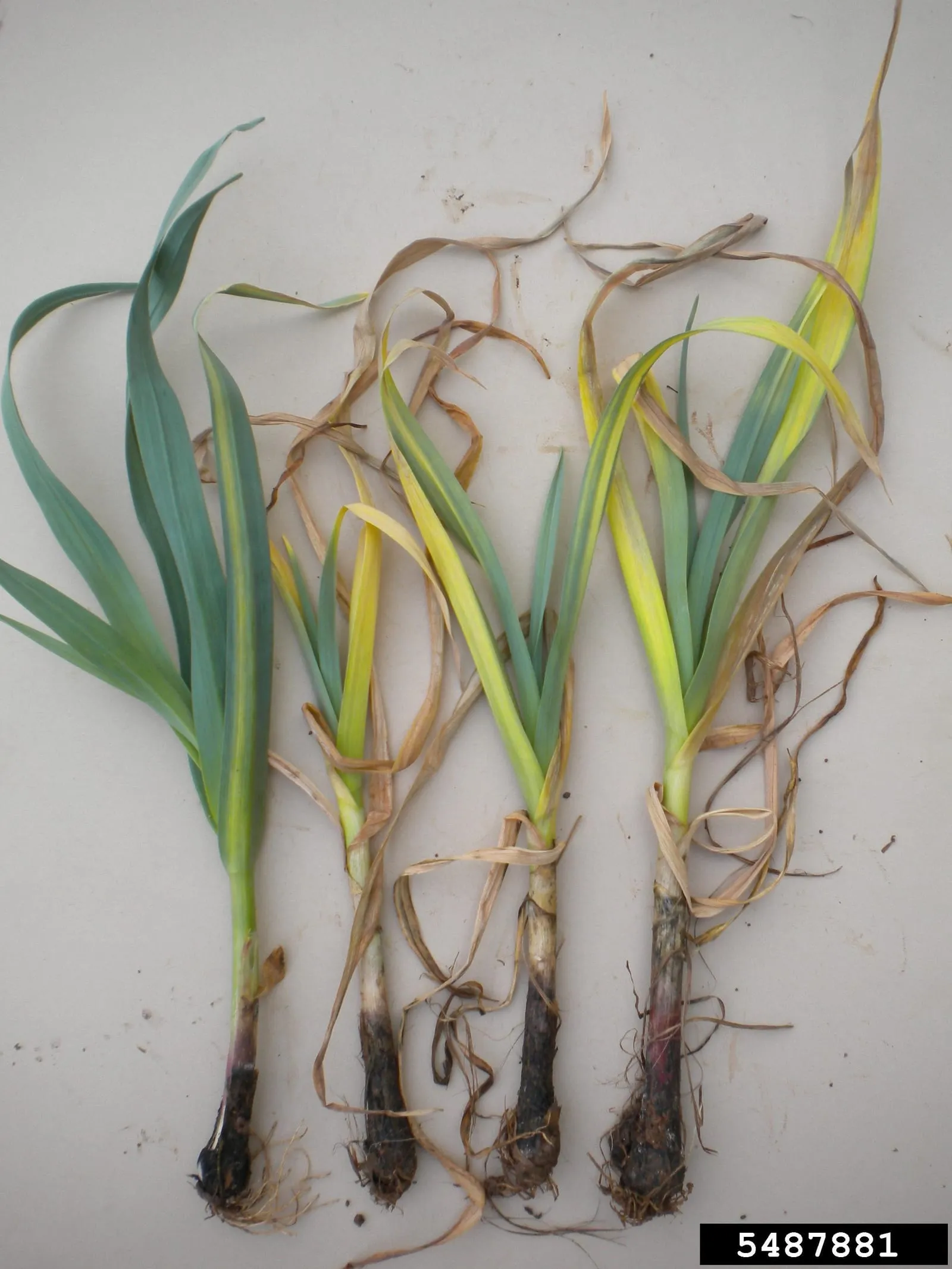
Disease pressure to watch for
Modified care for zone 8b
Summer stress management is the main adaptation required in zone 8b. Chives prefer consistent soil moisture and decline noticeably under drought conditions during peak heat. Drip irrigation or consistent hand-watering through July and August, combined with 2 to 3 inches of mulch to moderate root-zone temperature and retain moisture, keeps plants productive through the difficult stretch.
Nematodes in sandy soils are a real concern in zone 8b. They damage root systems and reduce vigor without obvious above-ground symptoms until the plant is already in decline. Amending sandy beds with compost before planting improves soil structure and suppresses nematode populations; rotating alliums out of affected beds every two to three years also helps.
Onion white rot (Sclerotium cepivorum) is the primary fungal risk. The pathogen persists in soil for 20 or more years and has no reliable chemical remedy available to home growers. Any bed where white rot has appeared should be retired from allium production. Avoiding overwatering and ensuring adequate drainage reduce the conditions the pathogen favors.
Frequently asked questions
- Do chives go dormant in zone 8b winters?
Foliage may die back during cold snaps, but established crowns survive zone 8b winters without protection. Plants resume active growth as soon as soil temperatures climb above 45°F in late winter, often February in much of zone 8b.
- Why do my chives look poor in late summer?
Sustained heat above 90°F causes tip-burn and general decline in common chives. This is normal in zone 8b. Cut plants back by half, maintain soil moisture, and expect recovery once temperatures drop below 85°F in September. Garlic chives tolerate summer heat better if the problem recurs annually.
- Can I plant chives in the same bed every year?
Chives are perennial and can stay in place for several years without replanting. However, if onion white rot or nematode damage appears, rotating alliums to a different bed for at least two seasons reduces pathogen pressure.
- What is the difference between common chives and garlic chives for zone 8b?
Common chives (Allium schoenoprasum) have a mild onion flavor and bloom spring. Garlic chives (Allium tuberosum) have a mild garlic flavor, bloom in late summer, and handle zone 8b heat somewhat better. Both grow well here; garlic chives is the more reliable choice for summer-long production.
+−
+−
+−
+−
Chives in adjacent zones
Image: "Allium schoenoprasum subsp. schoenoprasum - Copenhagen Botanical Garden - DSC07940", by Daderot, via Wikimedia Commons, licensed under CC0 Source.

Related